Kaifil
Perforated open area and structural support
Calculate theoretical opening area, then check ligaments, support spacing and installed coverage.
Describe the pattern
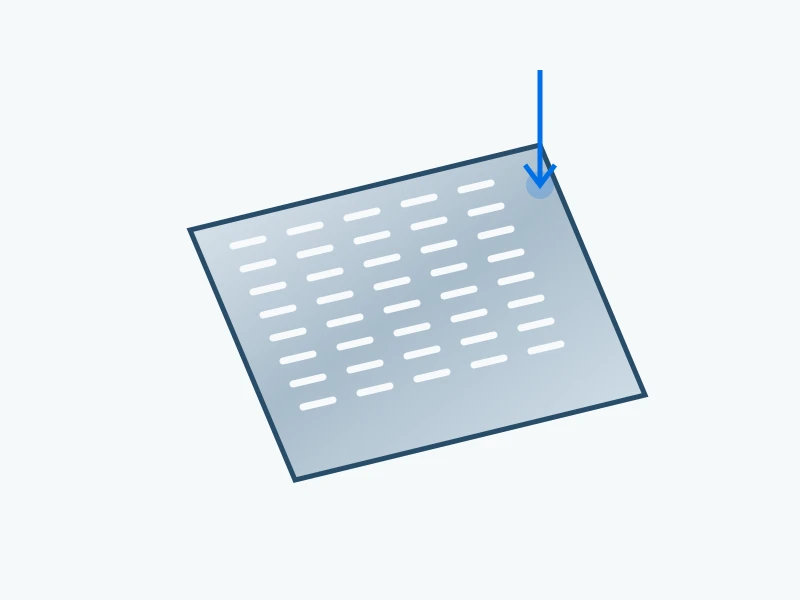
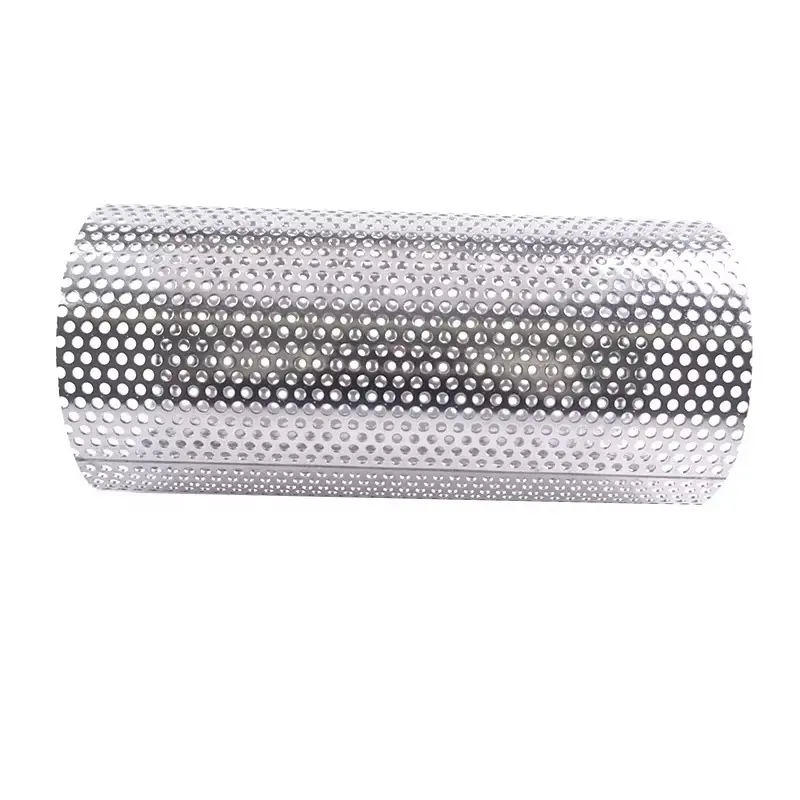
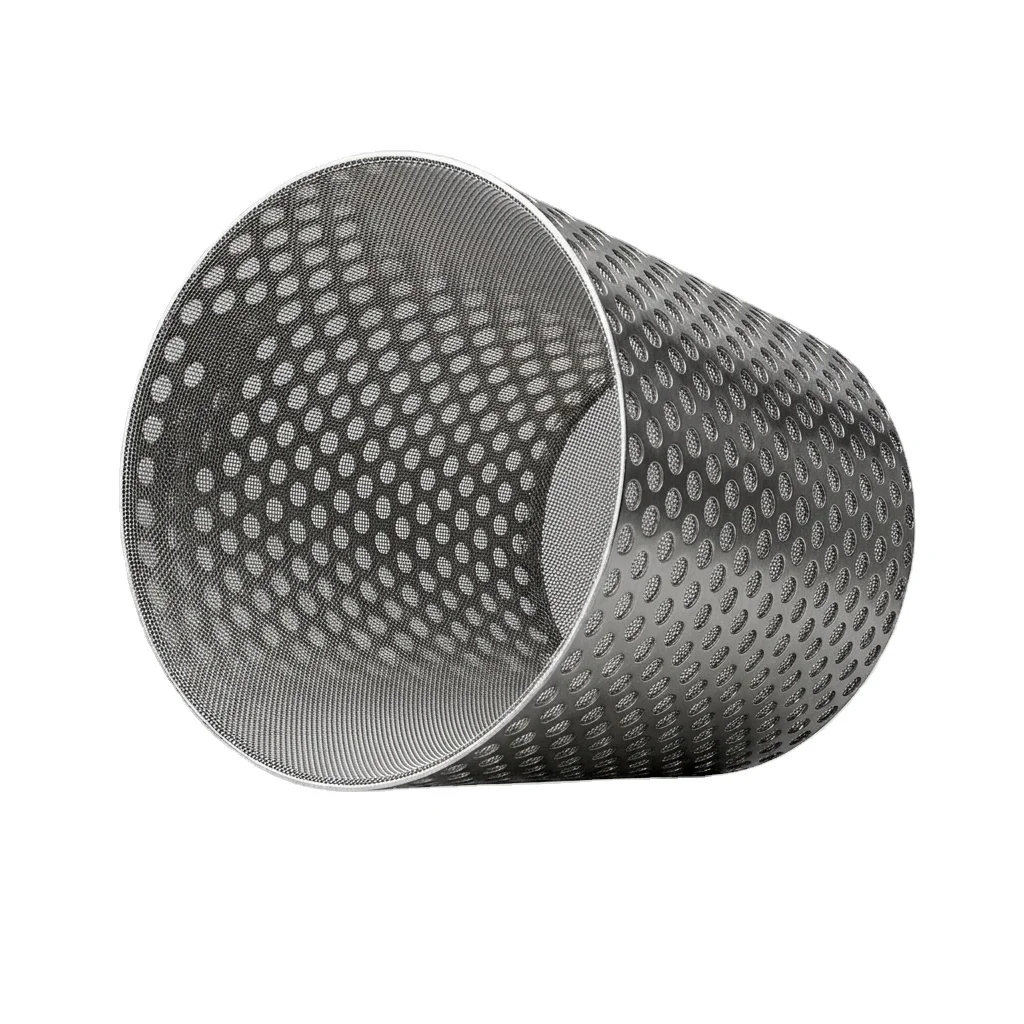
Give hole shape, diameter or slot width, pitch in both directions, layout, sheet thickness and clear border. Theoretical open area follows from opening area divided by repeating cell area.
Check the load path
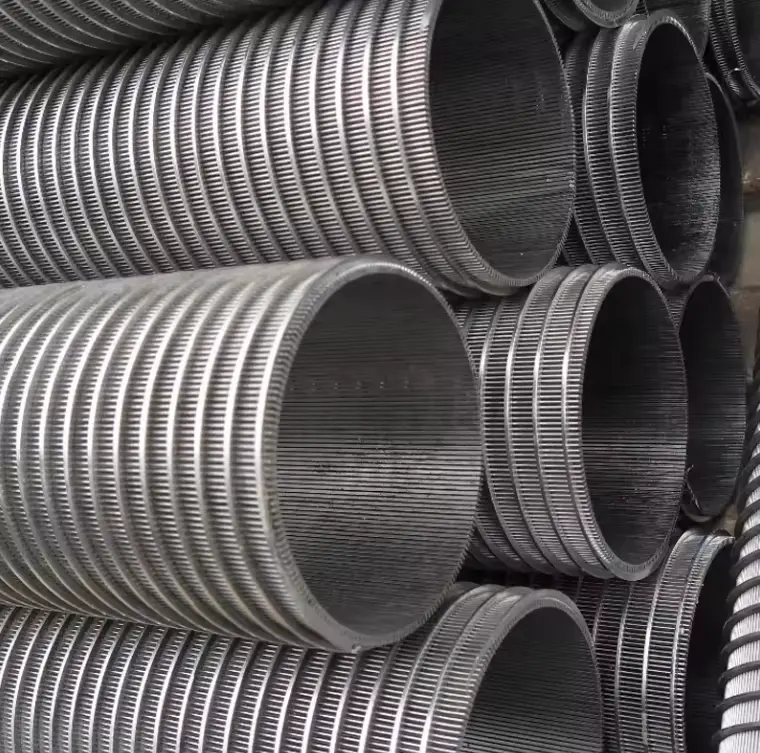
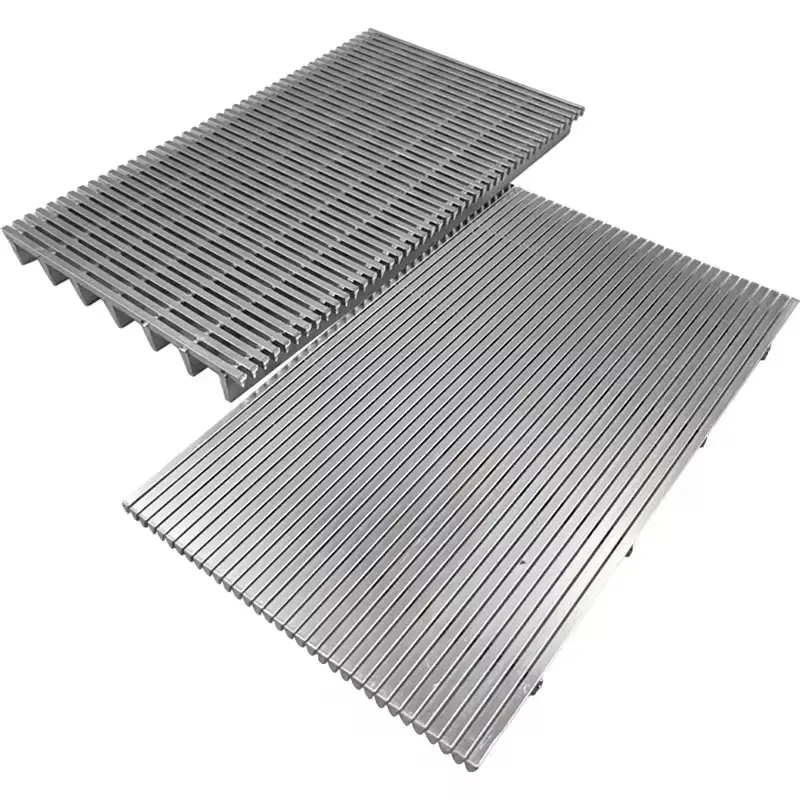
More open area generally leaves less metal between openings. Unsupported span, differential pressure and flow direction affect bending or collapse. Specify support rings or bars where needed.
Account for installation
Frames, gaskets, blank margins and backing structures cover some holes. Compare the free area of the installed assembly, not only the bare sheet.
Specification checklist
| Parameter | Specification / example | Why it matters |
|---|---|---|
| Pattern | Hole or slot; pitch; stagger | Sets theoretical open area |
| Structure | Thickness; ligament; span | Sets support requirement |
| Installed geometry | Frame and gasket overlap | Sets usable free area |
Practical questions
What should I send when requesting perforated open area and structural support?
Send the drawing or installed-part dimensions, the media or opening requirement, process conditions, quantity and the acceptance test you need.
Can a sample replace a drawing?
A physical sample is useful for fit and construction review. Dimensions, material grade and performance requirements still need written confirmation before production.