Kaifil
Cleaning reusable metal filter elements
Plan a cleaning trial around contaminant, media construction and joint integrity before declaring a metal element reusable.
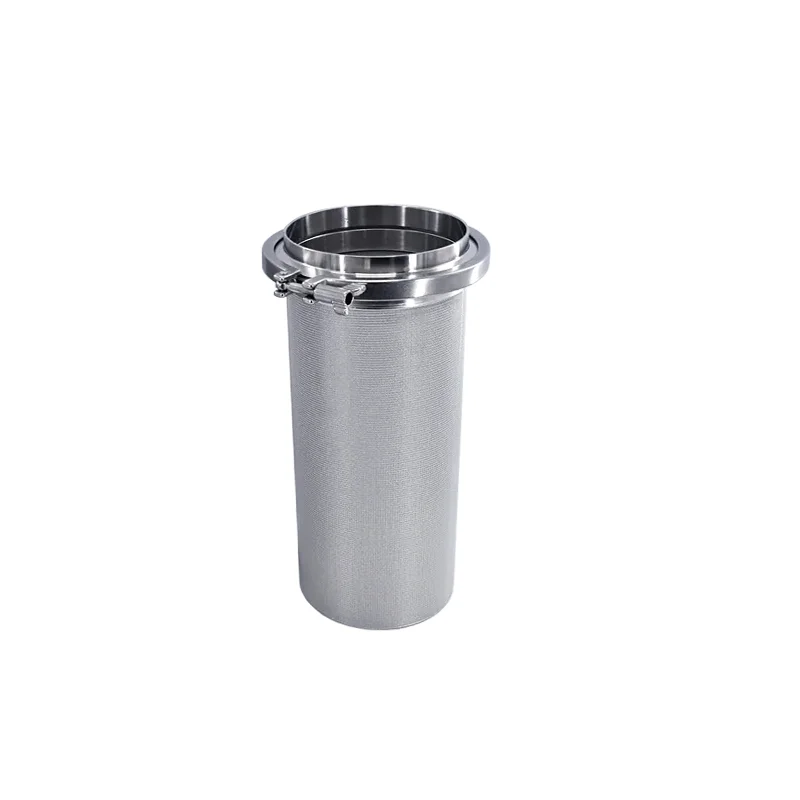
Identify the deposit
Loose solids, polymer residue, oil and hard scale need different removal methods. Record the process fluid and any cleaning chemistry or thermal cycle.
Protect the construction
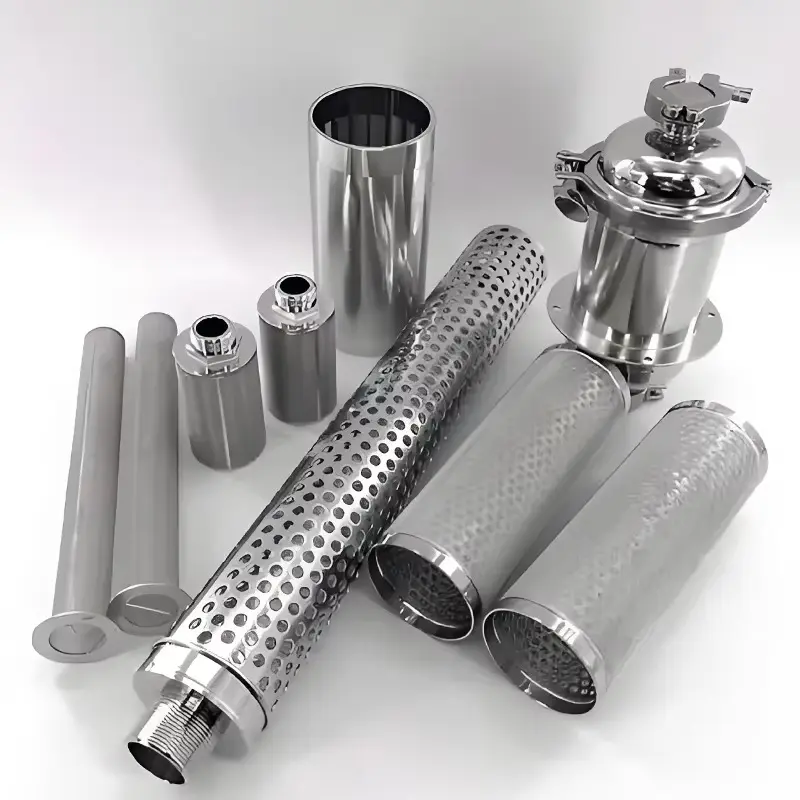
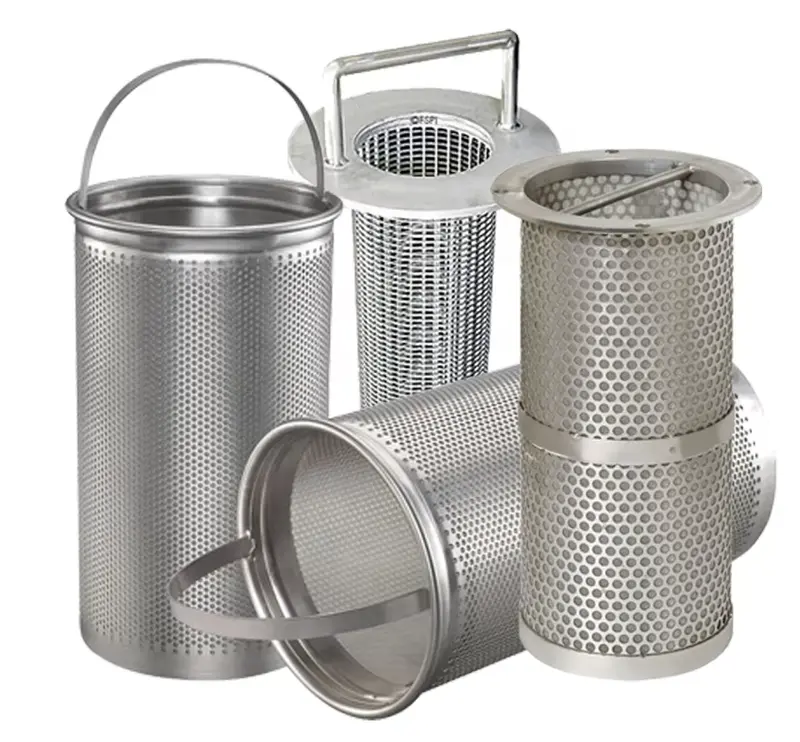
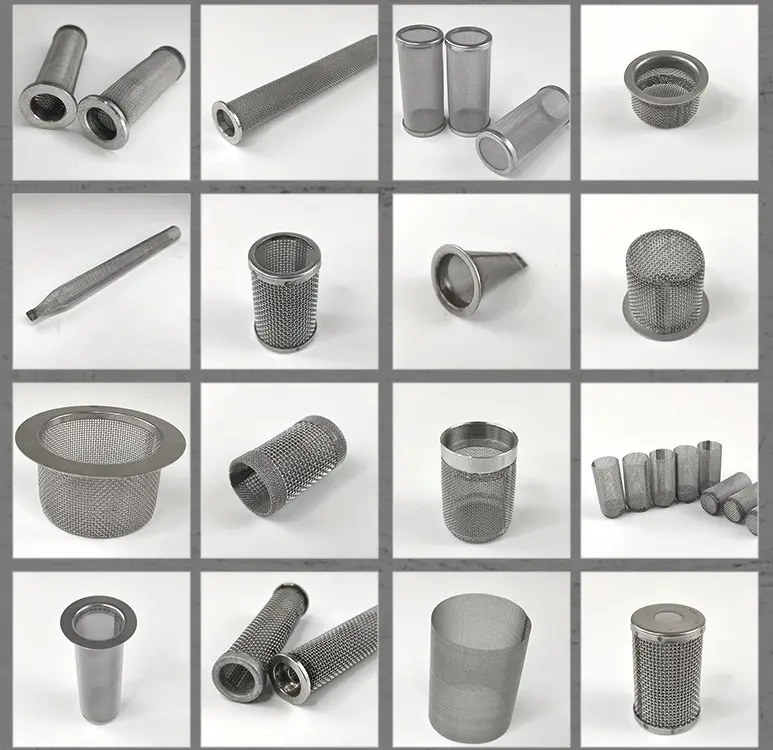
Check whether the element uses woven media, bonded porous layers, adhesives, soft seals or welded joints. Reverse flow, ultrasonics and heat can affect these constructions differently.
Define a return-to-service check
Compare post-cleaning pressure drop at a known flow, inspect dimensions and joints, and test retention or integrity if the duty requires it. Reject damaged media rather than relying on appearance alone.
Specification checklist
| Parameter | Specification / example | Why it matters |
|---|---|---|
| Deposit | Composition and adhesion | Selects cleaning route |
| Media and joints | Weave, sinter, weld, seal | Avoids damage |
| Post-cleaning check | Flow, integrity, dimensions | Controls reuse decision |
Practical questions
What should I send when requesting cleaning reusable metal filter elements?
Send the drawing or installed-part dimensions, the media or opening requirement, process conditions, quantity and the acceptance test you need.
Can a sample replace a drawing?
A physical sample is useful for fit and construction review. Dimensions, material grade and performance requirements still need written confirmation before production.