Identify the deposits
Loose solids, polymer residue, oil and hard scale need different removal methods. Record the process fluid and any cleaning chemistry or thermal cycle.
Protect the filter construction
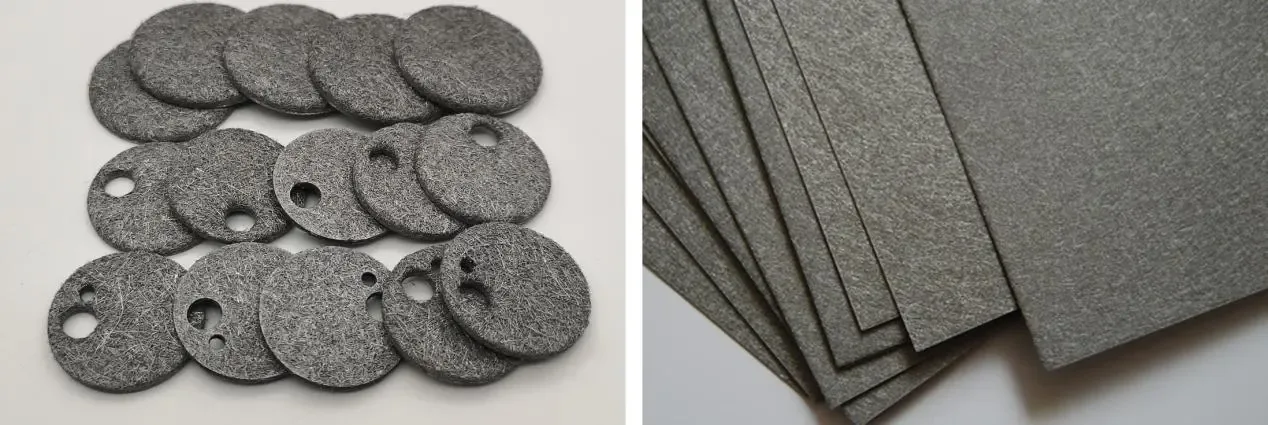
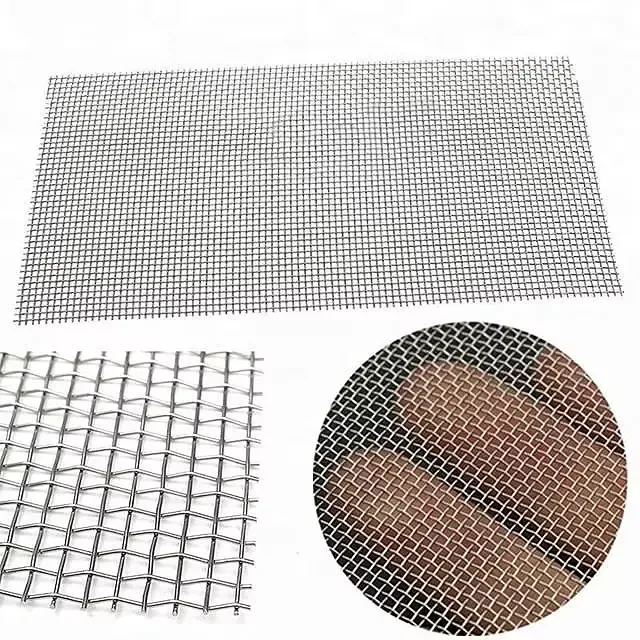
Check whether the element uses woven media, bonded porous layers, adhesives, soft seals or welded joints. Reverse flow, ultrasonics and heat can affect these constructions differently.
Check the element before reuse
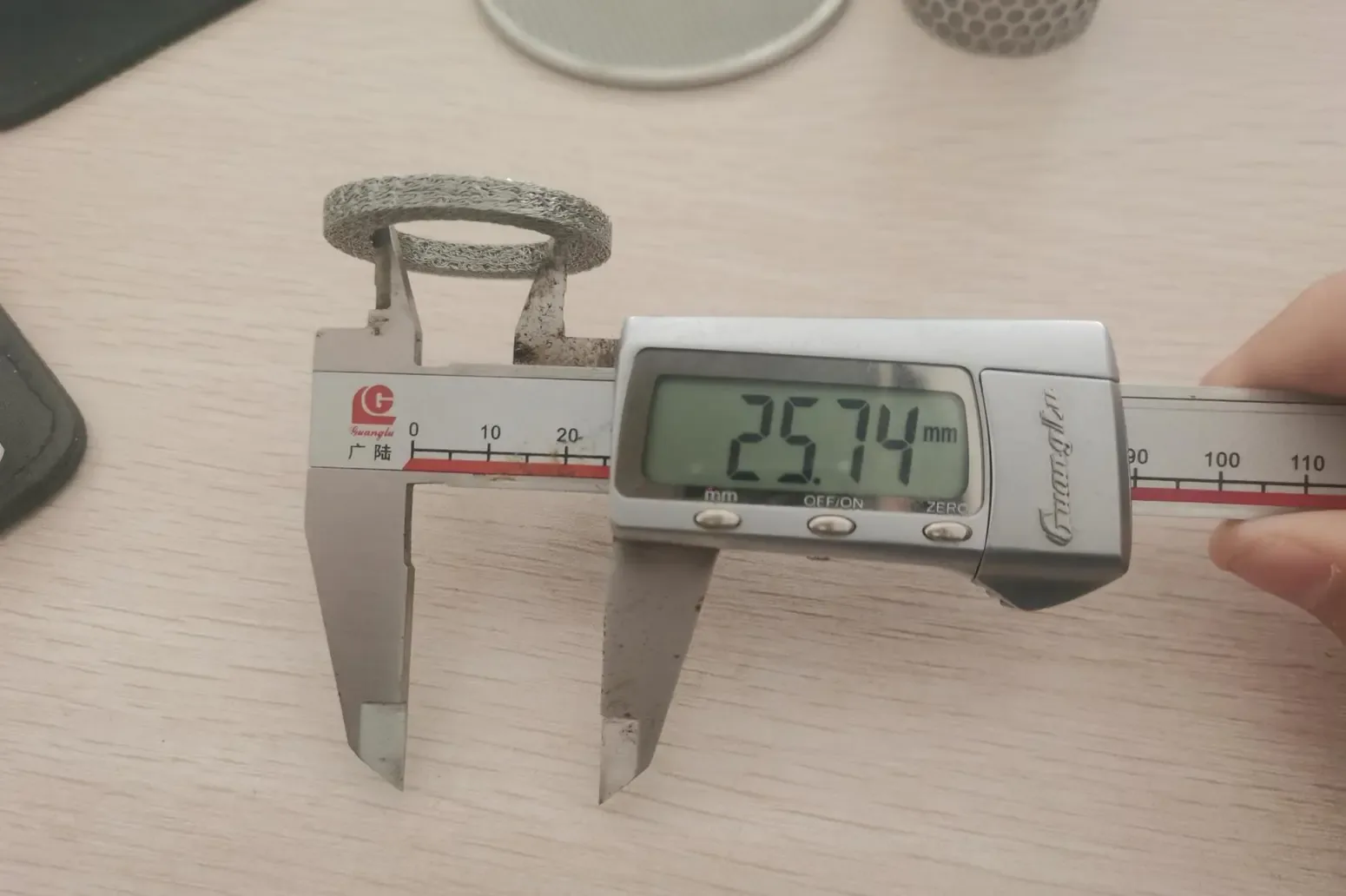
Compare post-cleaning pressure drop at a known flow, inspect dimensions and joints, and test retention or integrity if the duty requires it. Reject damaged media rather than relying on appearance alone.
Design review
Start with the deposit rather than a generic cleaning recipe. Record whether it is loose particulate, polymer, oil, scale or another residue, and check the compatibility of the media, welds and seals with the proposed chemical, heat or ultrasonic treatment. A cleaning method that clears the surface can still damage a seam or trap material inside a multilayer structure.
Inspection and acceptance
Set a before-and-after comparison at a defined flow and fluid condition. Inspect dimensions, end connections, support and seals, then repeat any retention or integrity check required by the duty. A return to visually clean metal does not alone prove that filtration performance or service life has been restored.
Continue the specification
Clean the full flow path and return to the same test point
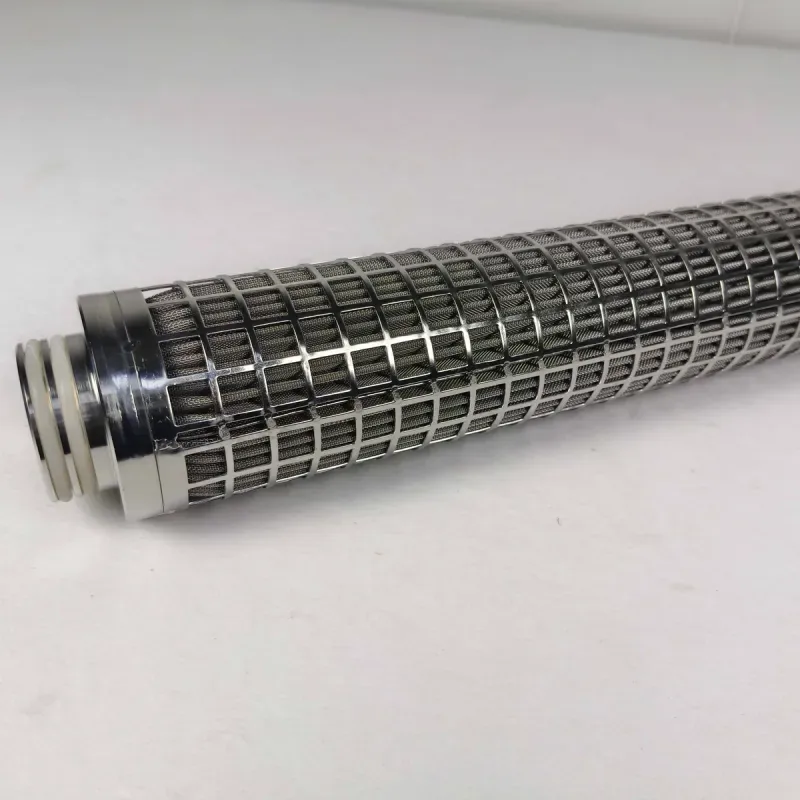
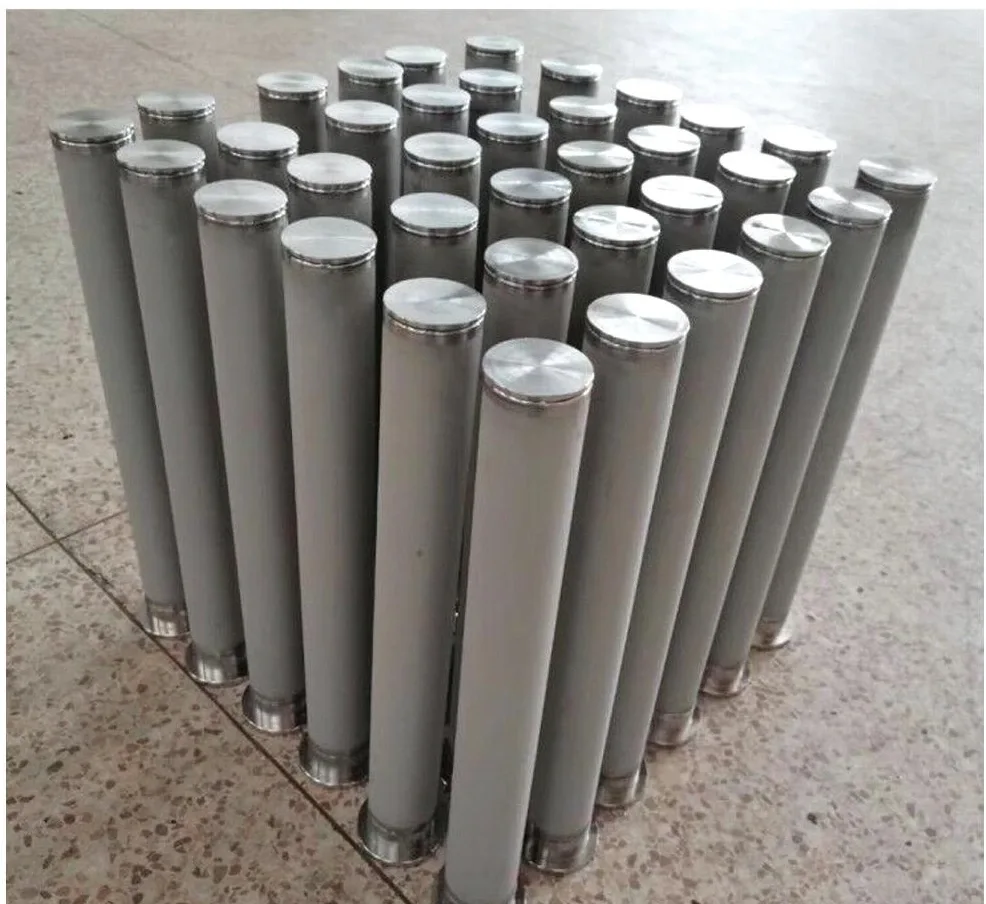
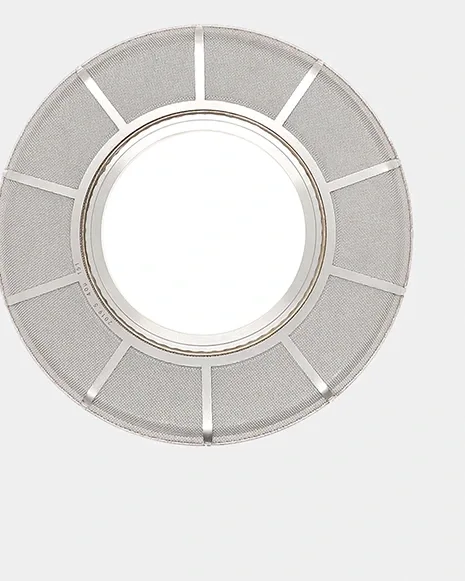
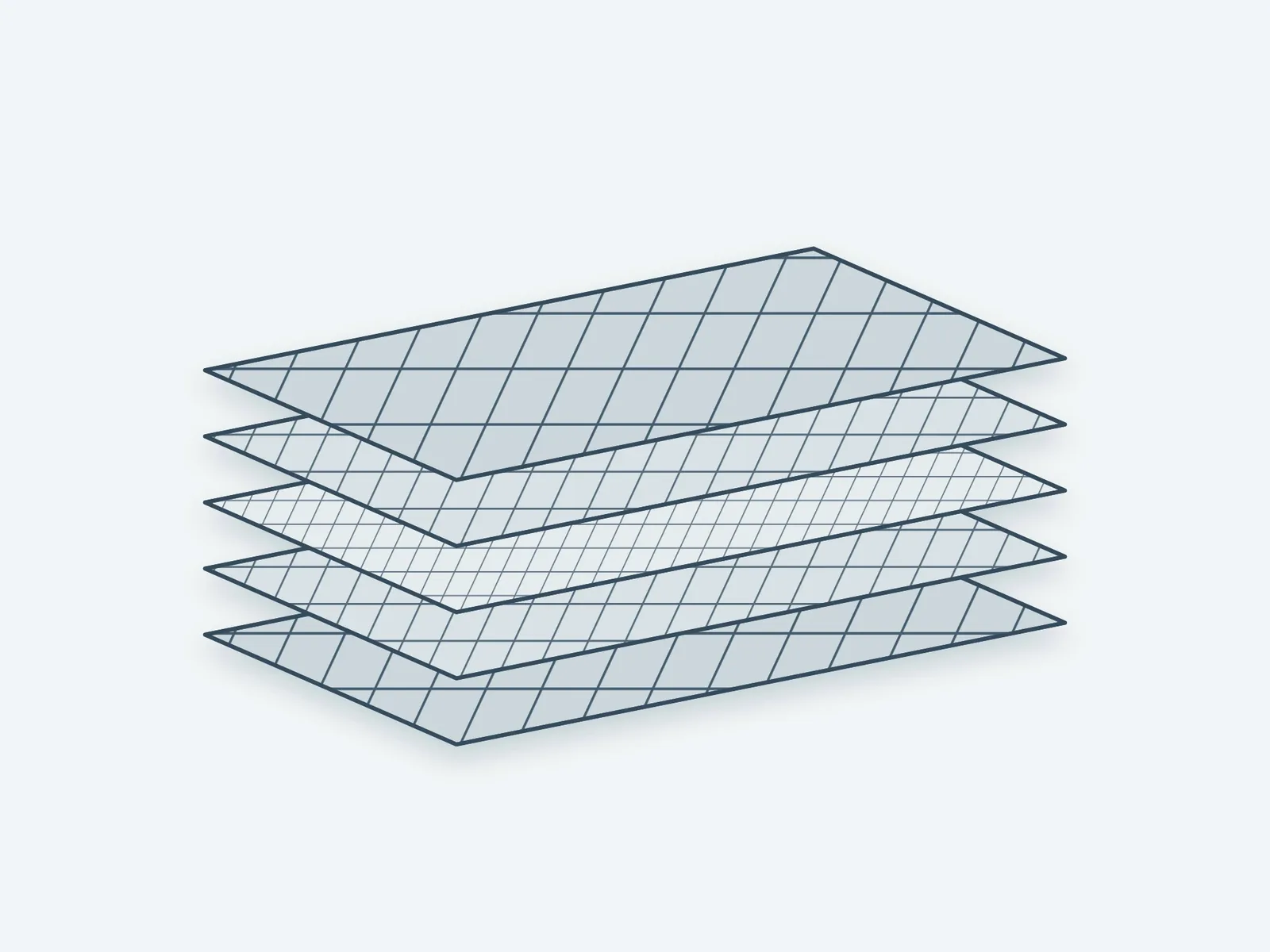
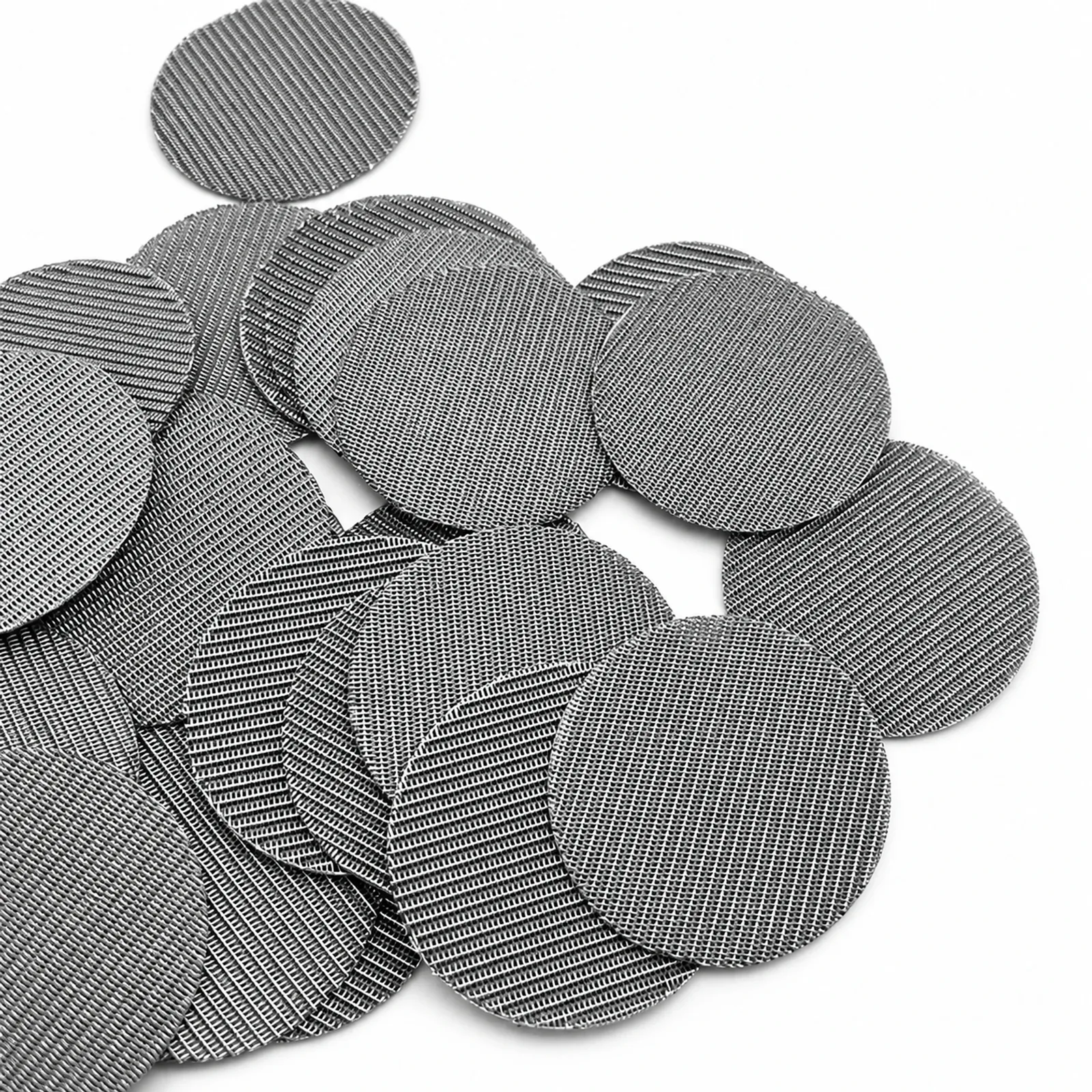
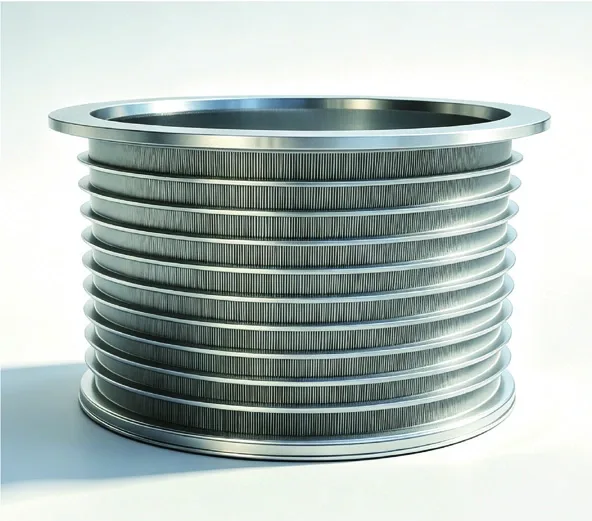
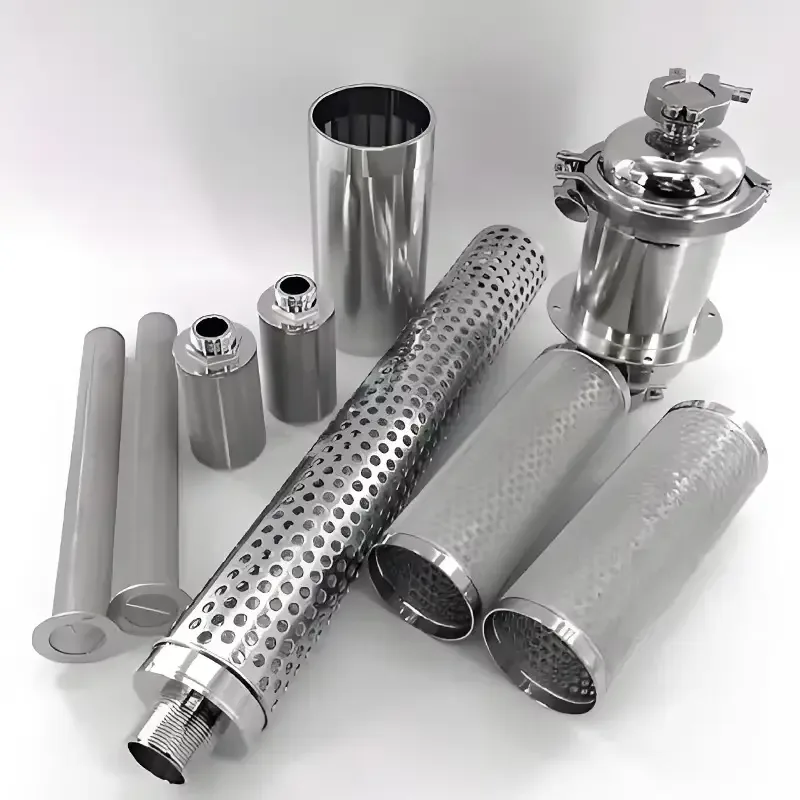
A leaf disc contains internal drainage and a centre collection path; a porous powder tube contains a three-dimensional pore network. A layered mesh cartridge adds support contacts and end joints. Identify the deposit path through the complete element, including the seal face and holder, when defining the cleaning procedure.
Keep the original material and assembly schedule with the cleaning record. After removal of deposits, inspect the filtering face, edges, support and joints, then repeat the specified clean-flow or integrity check under the original conditions. Refit the component in its marked orientation with the sealing faces clean and its flow passages open.