Kaifil
Filter rating, aperture and beta ratio
How to compare woven openings, porous-media claims and test-rated filter elements without treating every micron number as equivalent.
Start with the mechanism
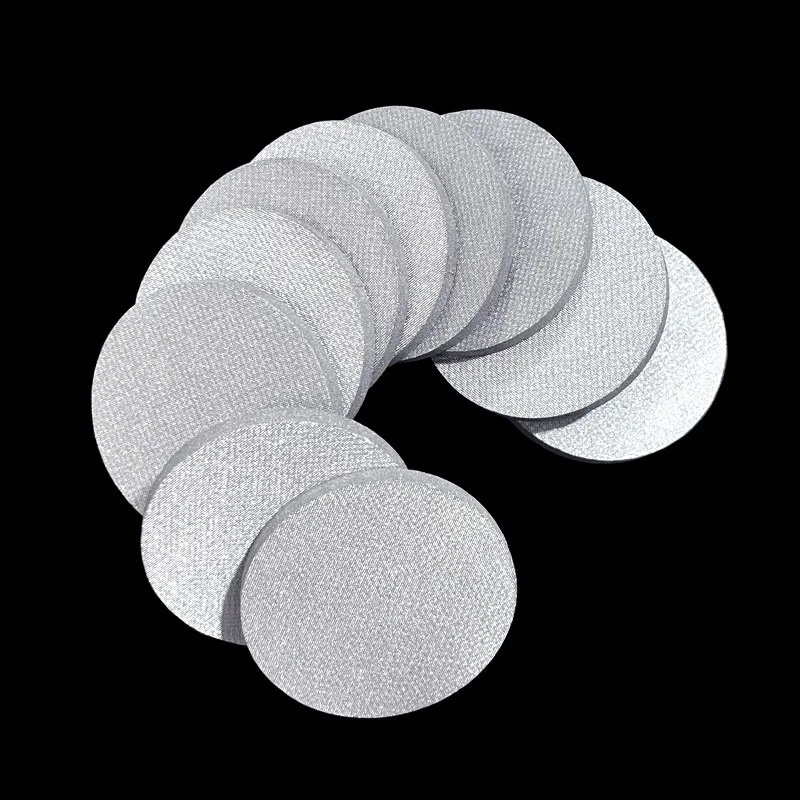
A woven mesh has a geometric aperture set by wire diameter and weave. A sintered felt or powder element has a distributed pore network. A micron claim for one construction does not transfer automatically to another.
Ask whether the rating describes an opening, a nominal retention claim or a tested particle-capture result.
Interpret a beta ratio
In a specified particle-count test, beta at a stated size is the upstream count divided by the downstream count. The associated efficiency is 1 minus the reciprocal of beta. The test fluid, particle distribution and loading conditions remain part of the result.
Put acceptance in the order
Define particle size, target efficiency or aperture, test method, sample quantity and acceptance threshold. For critical separation, request a representative sample and verify it in the actual process.
Specification checklist
| Parameter | Specification / example | Why it matters |
|---|---|---|
| Rating term | Geometric aperture / nominal / beta at size | Prevents a false equivalence |
| Test condition | Fluid, flow, temperature, loading | Makes results comparable |
| Acceptance | Method and pass criterion | Turns a claim into a testable requirement |
Practical questions
What should I send when requesting filter rating, aperture and beta ratio?
Send the drawing or installed-part dimensions, the media or opening requirement, process conditions, quantity and the acceptance test you need.
Can a sample replace a drawing?
A physical sample is useful for fit and construction review. Dimensions, material grade and performance requirements still need written confirmation before production.
Related products and guidance
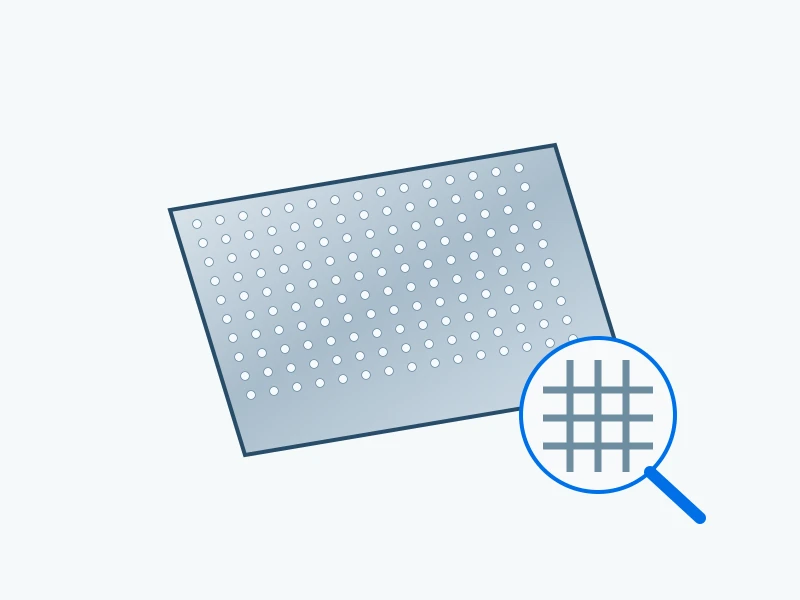
Etched and electroformed screens
View details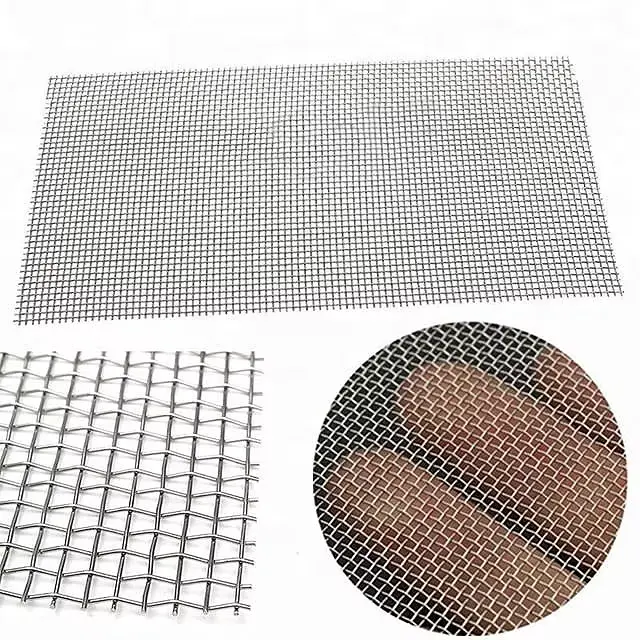
Metal wire mesh
View details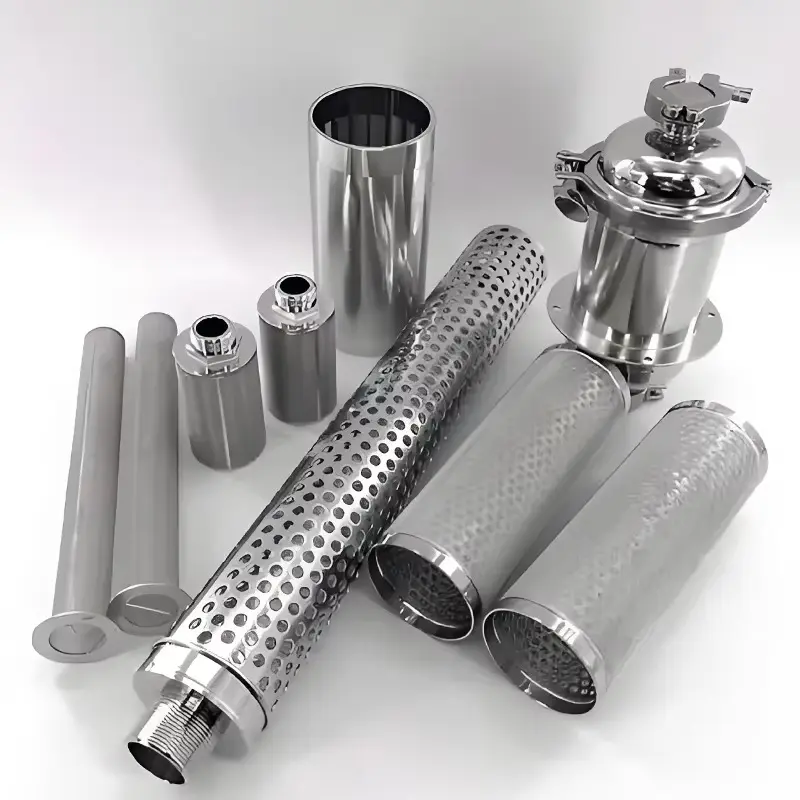
Sintered metal filters and media
View details
Filter media rolls and sheets
View details
Filter cups and domed screens
View details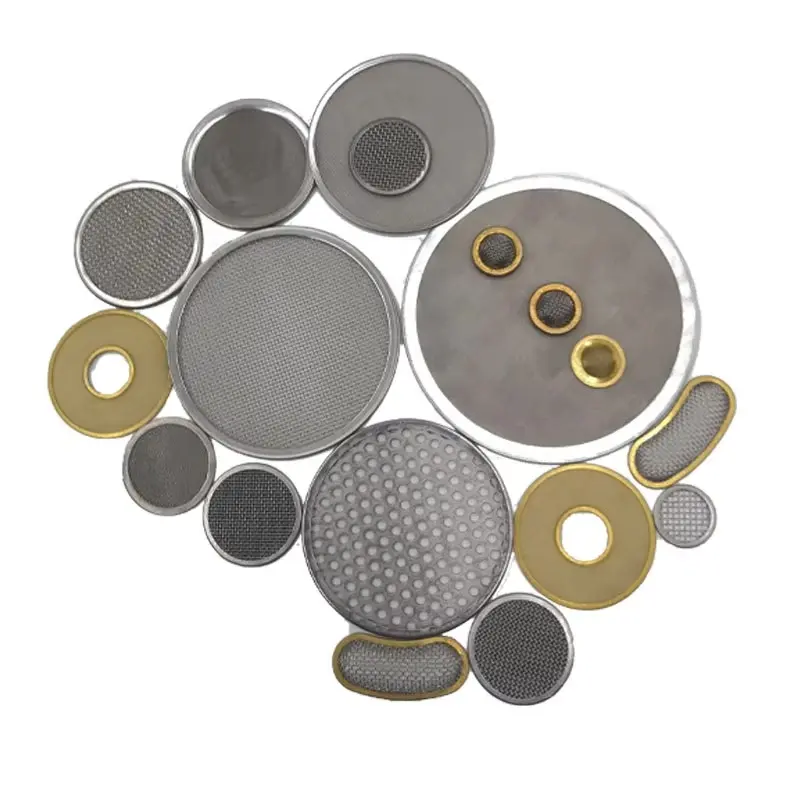
Filter discs and cut screens
View details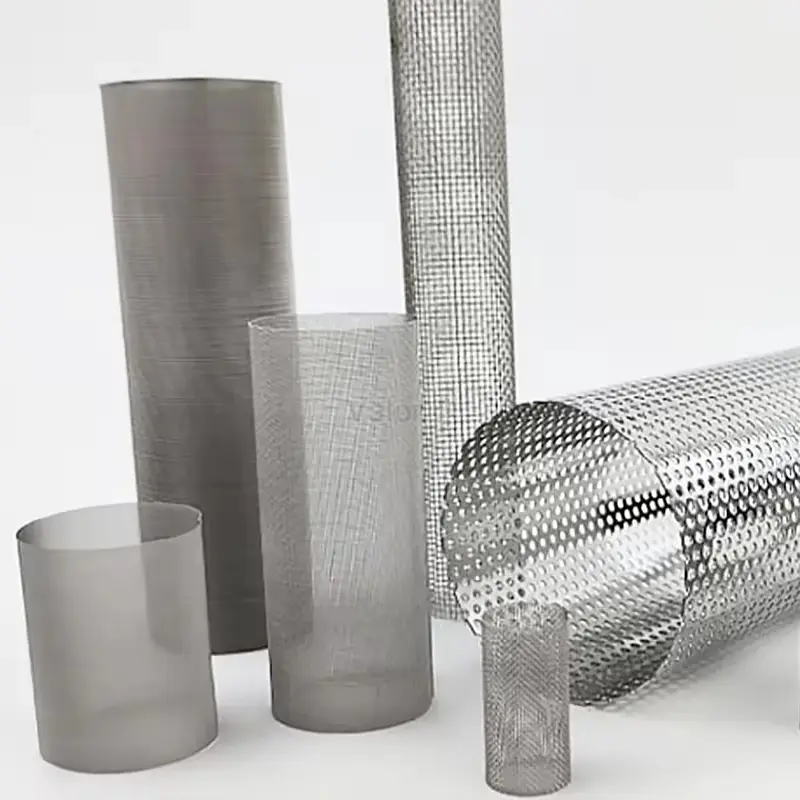
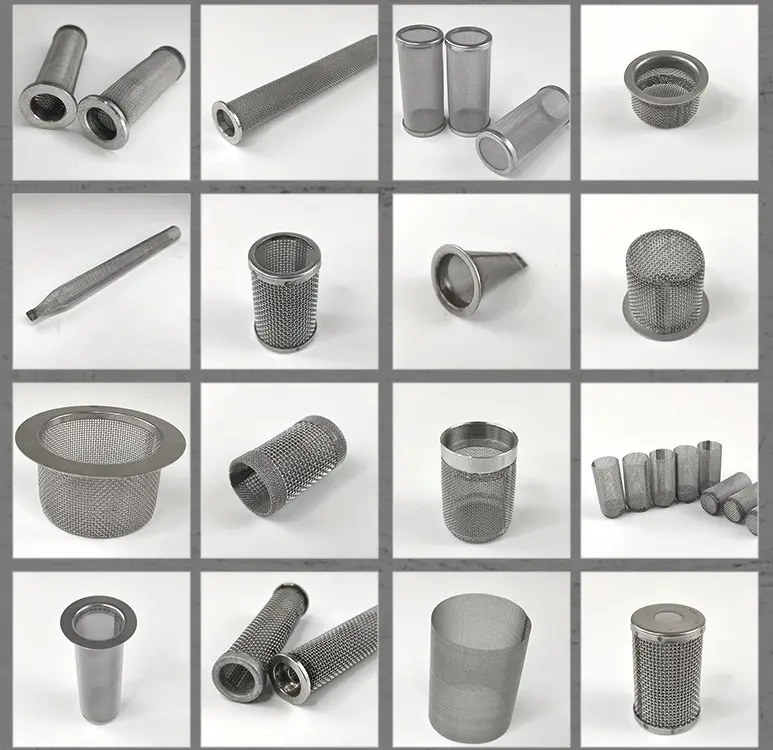
Filter cylinders and tubes
View details