Identify the filtration mechanism
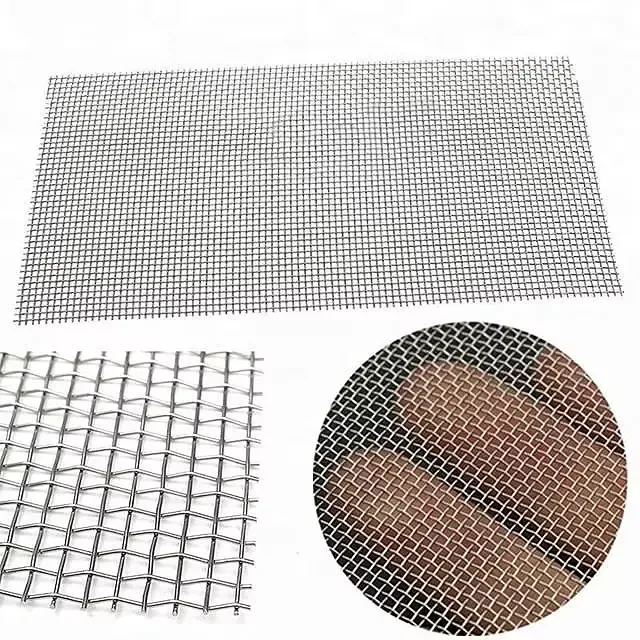
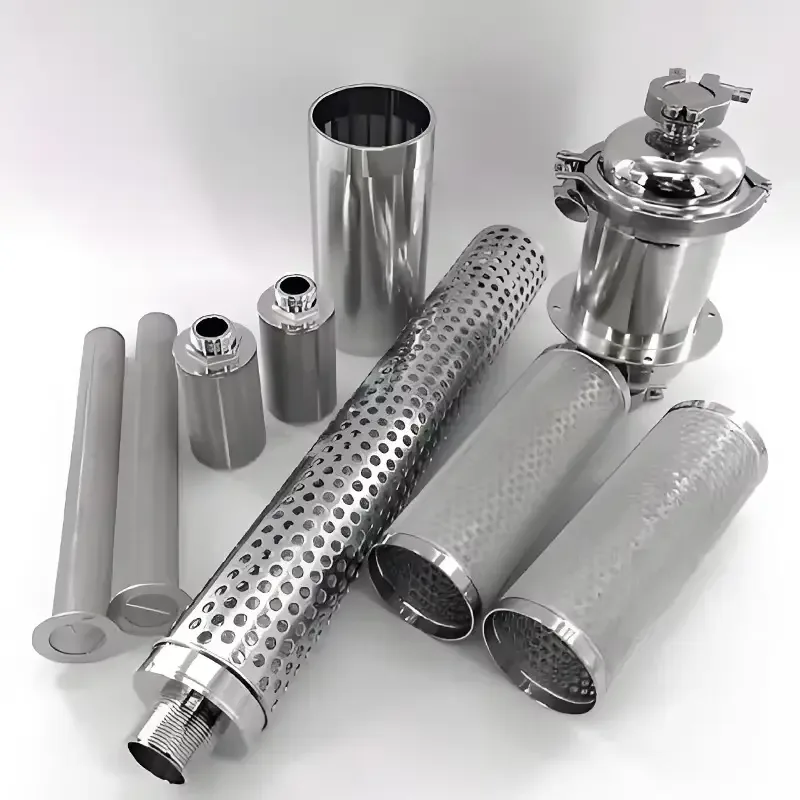
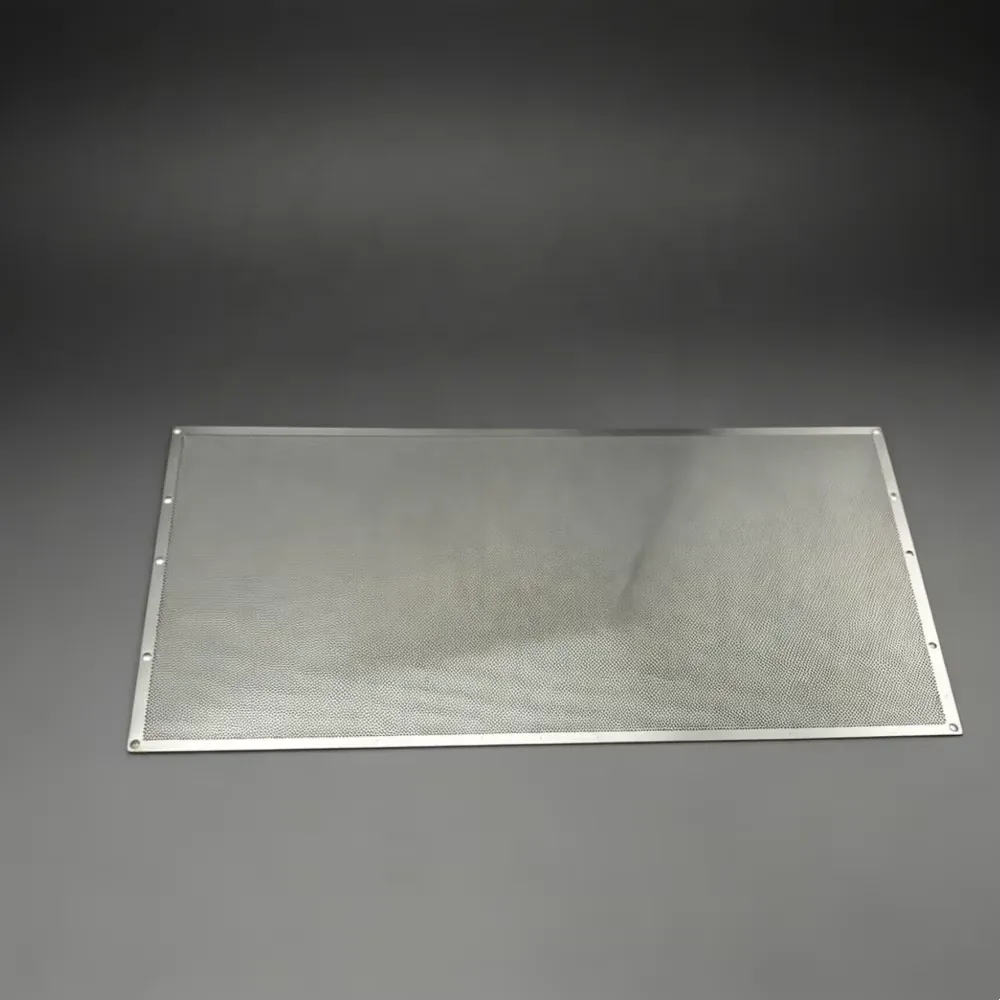
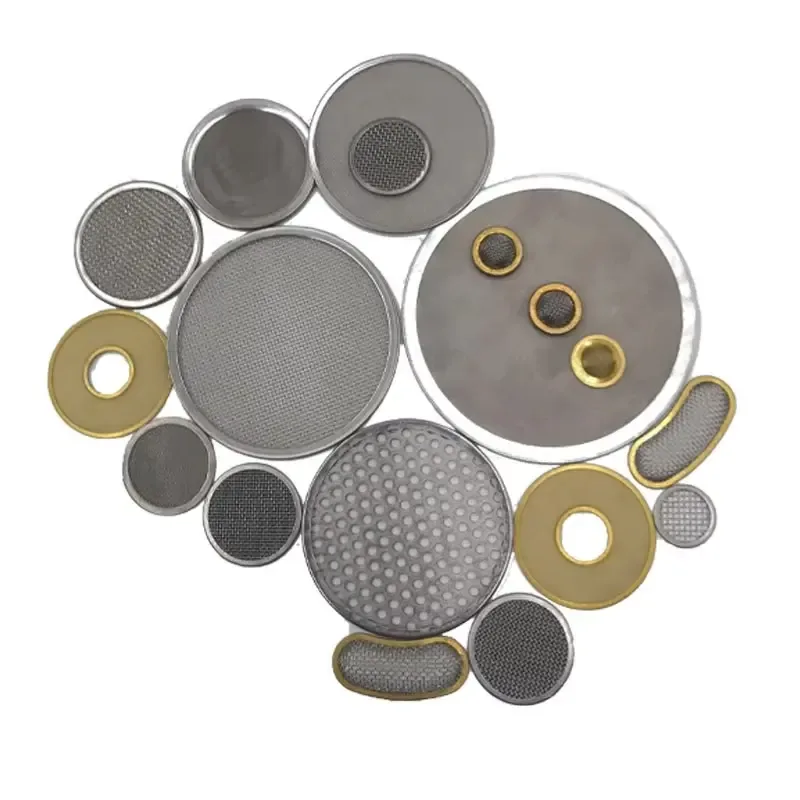
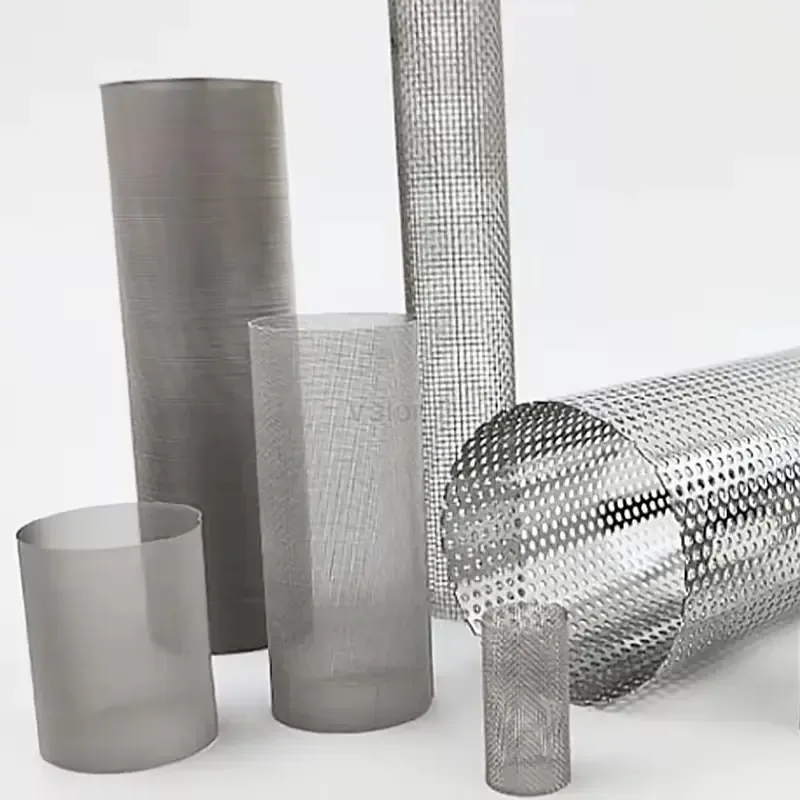
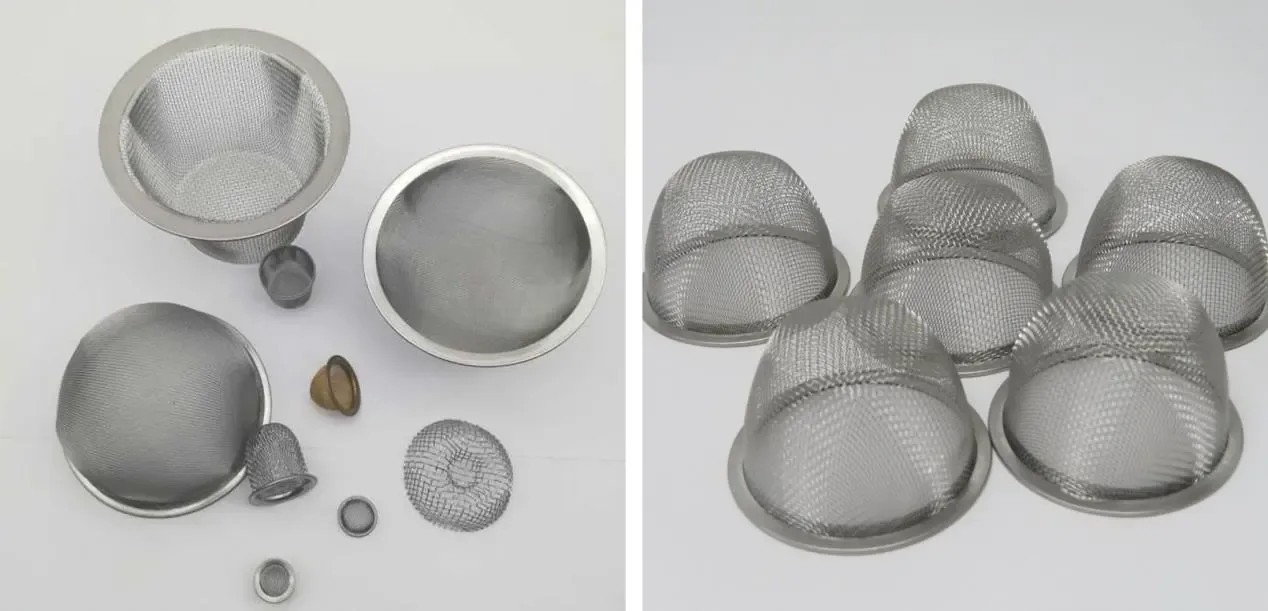
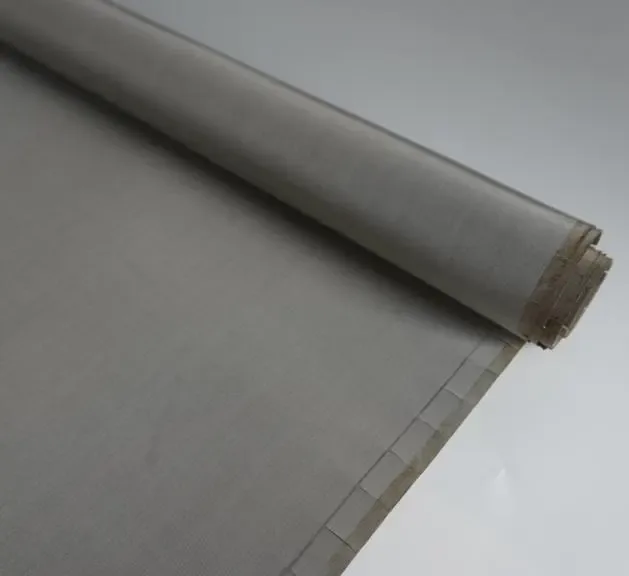
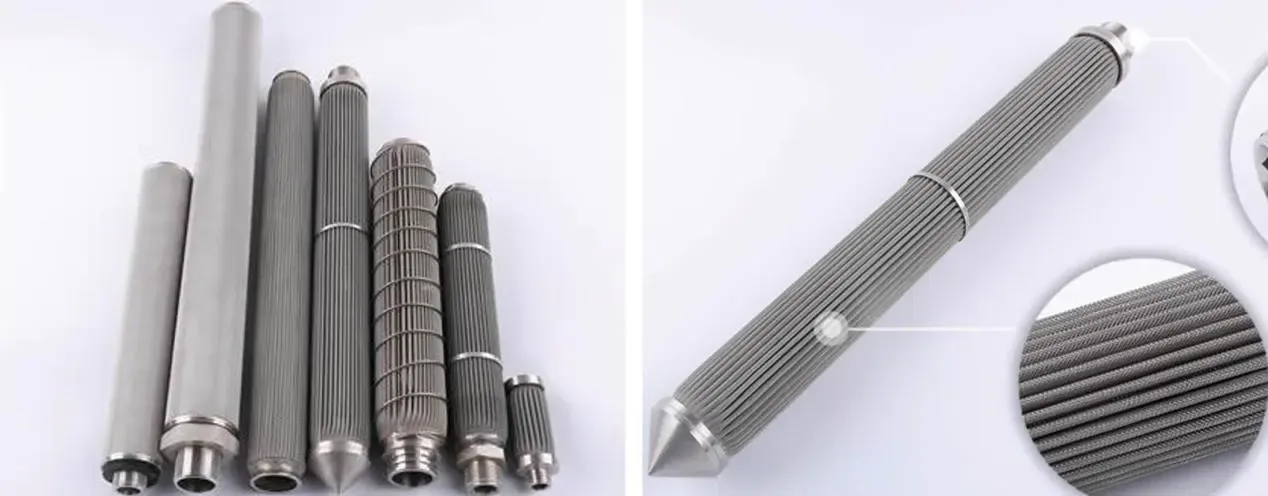
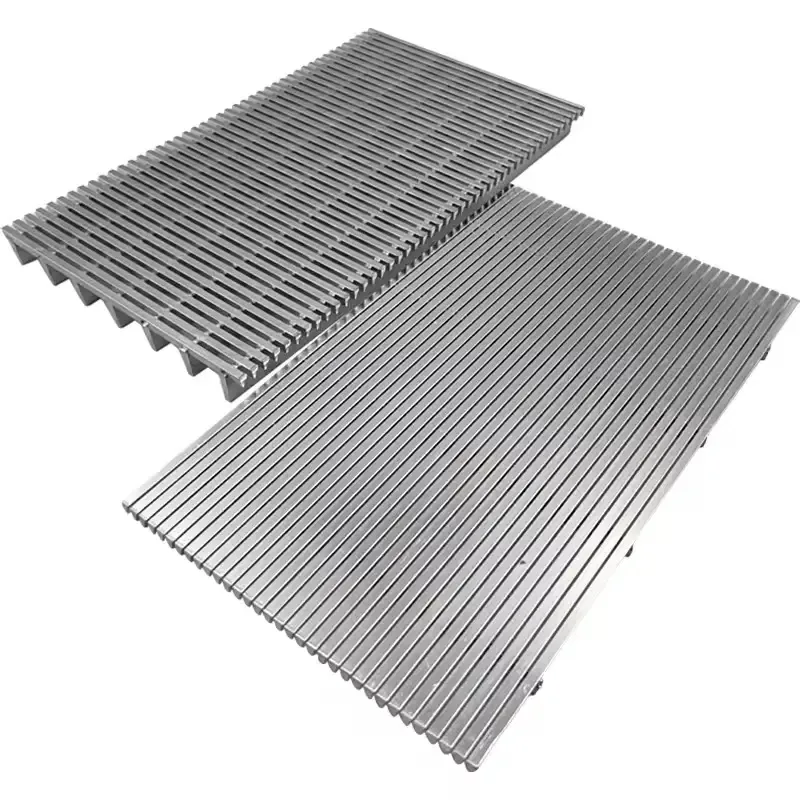
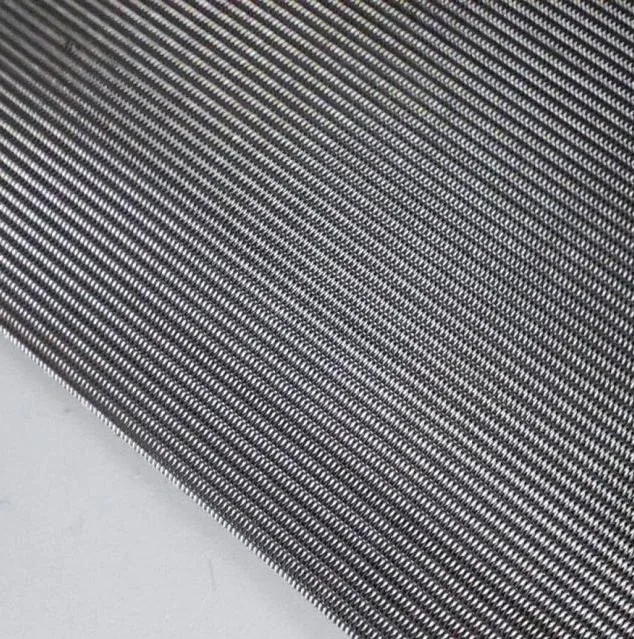
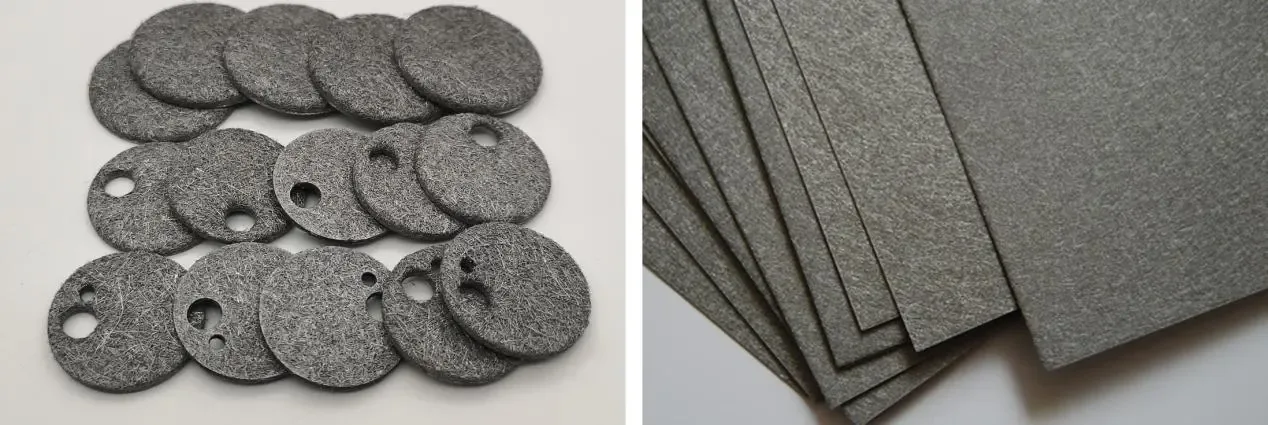
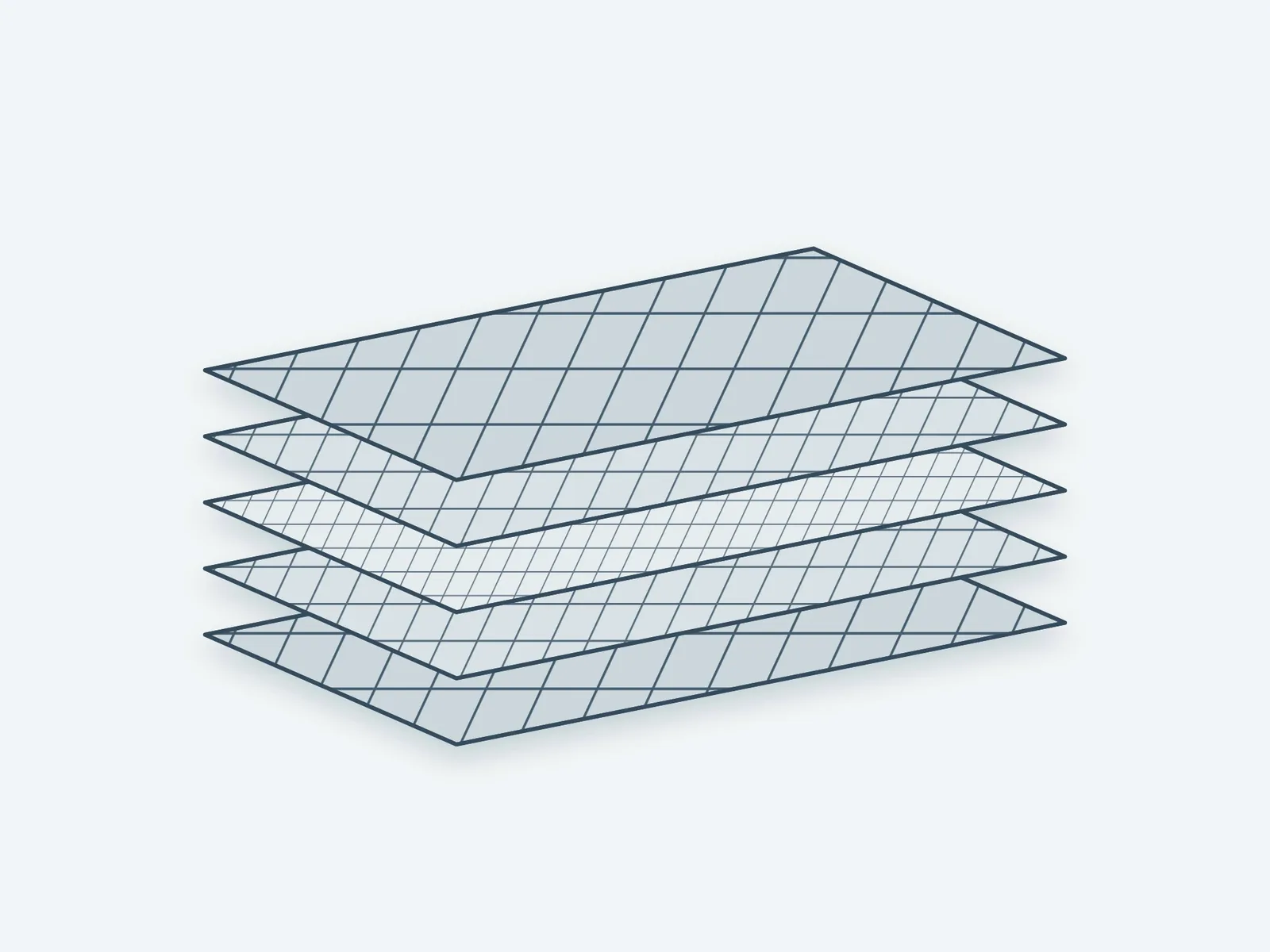
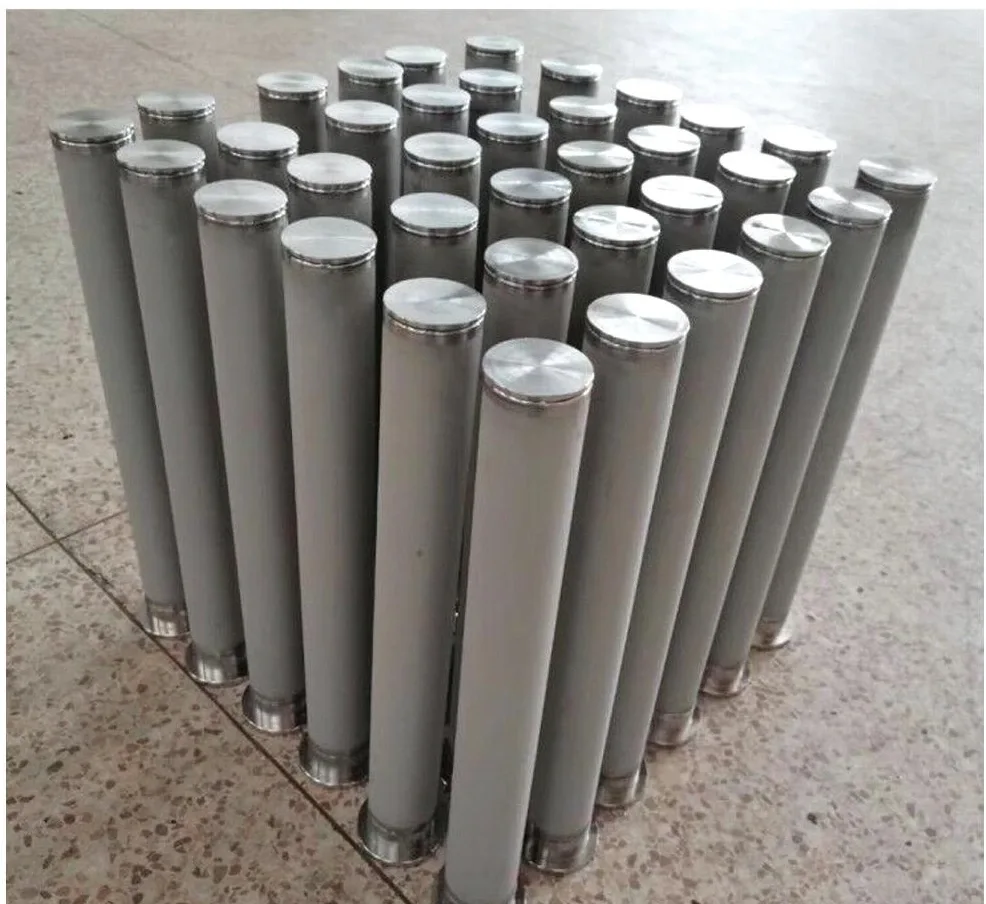
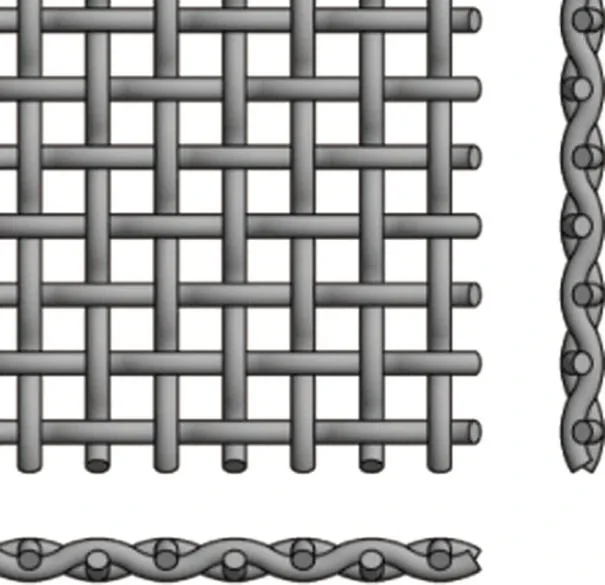
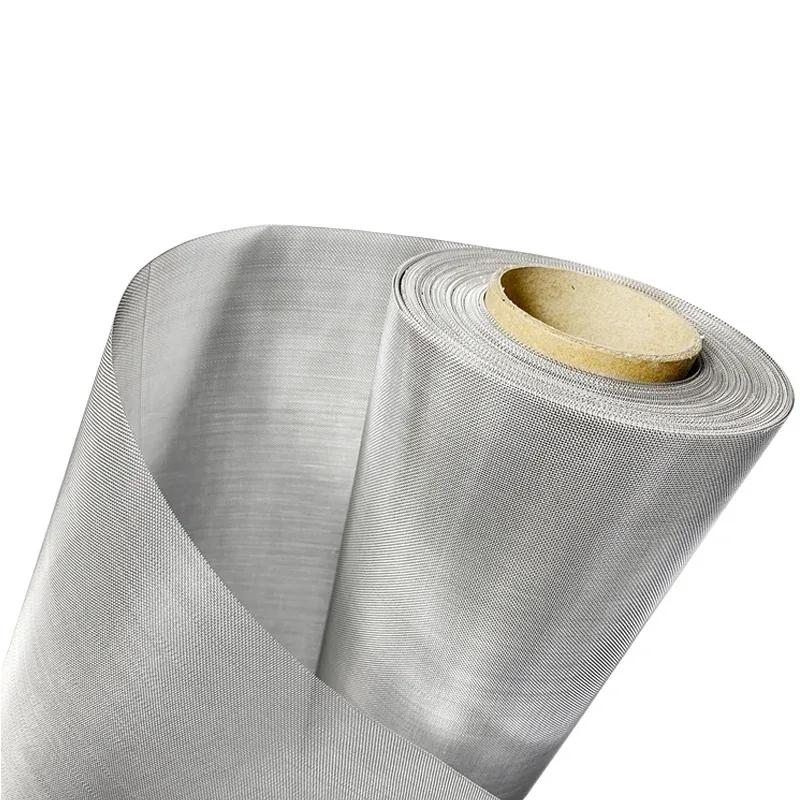
A woven mesh has a geometric aperture set by wire diameter and weave. A sintered felt or powder element has a distributed pore network. A micron claim for one construction does not transfer automatically to another.
Ask whether the rating describes an opening, a nominal retention claim or a tested particle-capture result.
Interpret a beta ratio
In a specified particle-count test, beta at a stated size is the upstream count divided by the downstream count. The associated efficiency is 1 minus the reciprocal of beta. The test fluid, particle distribution and loading conditions remain part of the result.
Specify acceptance criteria in the order
Define particle size, target efficiency or aperture, test method, sample quantity and acceptance threshold. For critical separation, request a representative sample and verify it in the actual process.
Design review
Choose the measurement language before comparing offers. For plain square mesh, request wire diameter and measured clear opening; for porous media, request the supplier's test method and acceptance criterion. If a beta ratio is used, identify the particle size and test conditions. ISO 16889 is a hydraulic-filter multi-pass method, not a blanket rating for every industrial screen.
Inspection and acceptance
A drawing can verify geometry while a performance test verifies capture under stated conditions. Do not rewrite a geometric aperture as nominal or absolute efficiency, and do not treat two identical micron labels as equivalent without the media construction and test basis. State whether acceptance is by opening measurement, integrity test or process trial.
Worked example
Suppose equal-volume samples contain 20 000 upstream particles and 100 downstream particles at or above the same specified size. Beta = 20 000 / 100 = 200; efficiency = (1 − 1 / 200) × 100 = 99.5%. These illustrative counts are not a KAIFIL test result. A comparable report must identify particle size, calibration, fluid, flow and loading conditions. ISO 16889 addresses hydraulic filter-element testing; its scope does not make every mesh opening a beta-rated filter.