
Shijiazhuang, Hebei, Chinasales@kaifil.com
KAIFIL
Filter cylinders and tubes

Black liquor screen drums

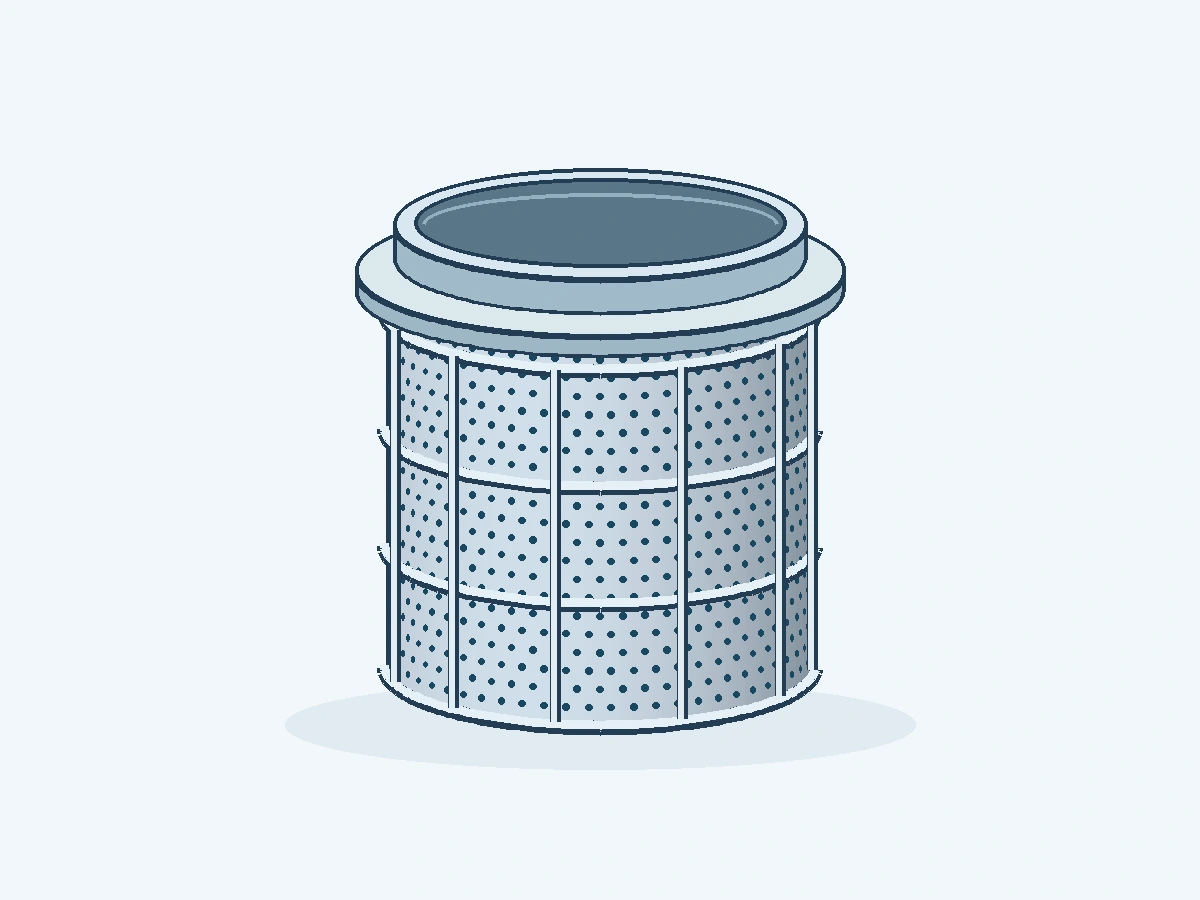
Cylindrical microperforated screen elements for separating fine fibres and solids from black liquor or recovering fibres from paper-machine white water. Request a quote against your machine drawing and process conditions.

Perforated metal screens
Reference hole diameter
0.15 / 0.20 / 0.25 / 0.30 mm
Reference open area
8–12 %
Reference plate thickness
3 mm
Reference plate material
SUS316L

Share a drawing, reference sample or application requirements to discuss the configuration.

Specifications

Black liquor screen drums
ParameterSpecificationNotes
Reference hole diameter0.15 / 0.20 / 0.25 / 0.30 mmRound openings. Define the measuring face and tolerance on the drawing.
Reference open area8–12 %State the basis of calculation for the perforated zone and identify any non-perforated margins.
Reference plate thickness3 mmThickness of the perforated screen plate.
Reference plate materialSUS316LStainless steel grade for the screen plate. Specify mating parts separately.
Mounting dimensionsPer equipment drawingProvide finished diameter, overall height, end seats and retention features.

Materials: Reference screen plate in SUS316L stainless steel. Specify the grade for the plate, rings and supports against the process liquid and cleaning chemistry.

Product details

The working surface of the drum

The perforated cylindrical wall separates the liquid stream from retained fibres and solids. Rings and supports define where the drum seats and how much of its wall remains available for screening. Confirm the direction of flow and the route for retained material on the machine drawing.
From a round opening to a hole profile

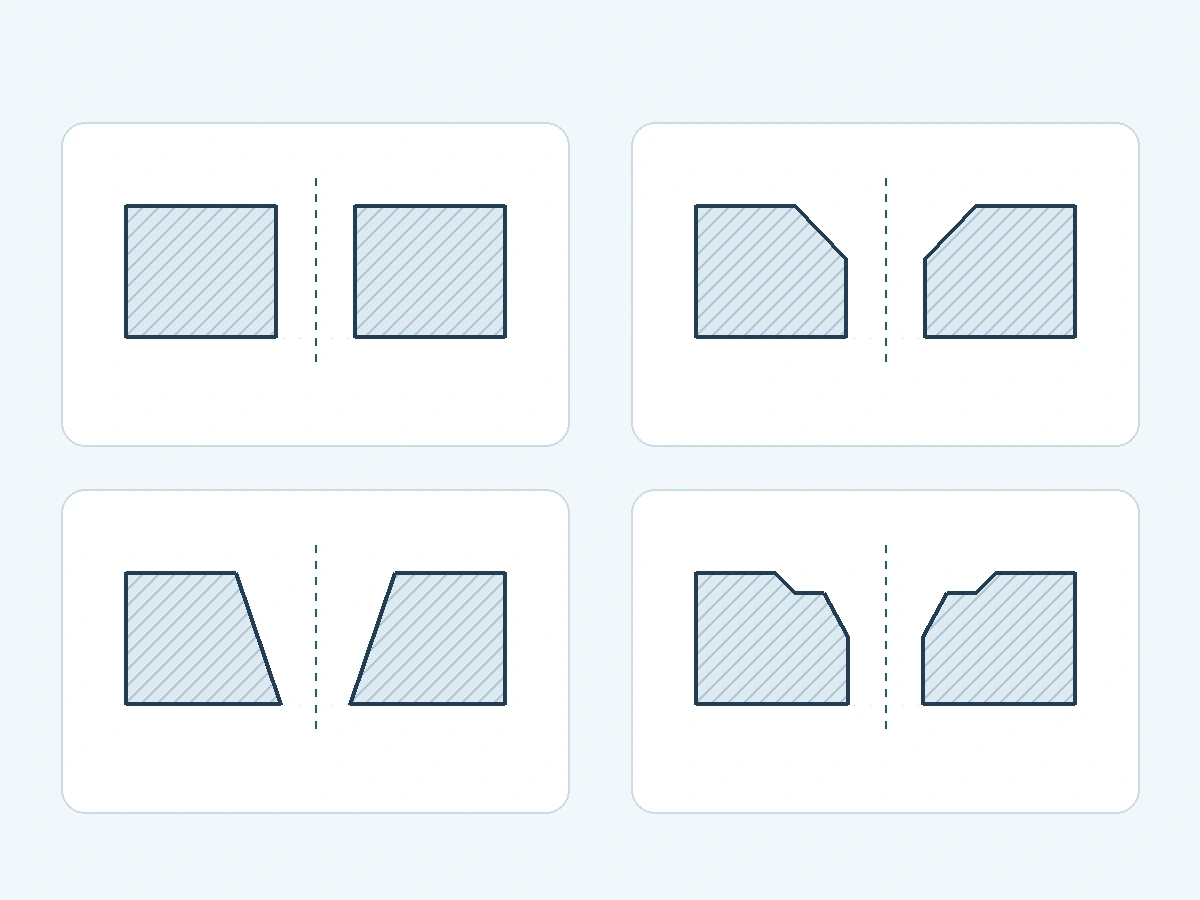
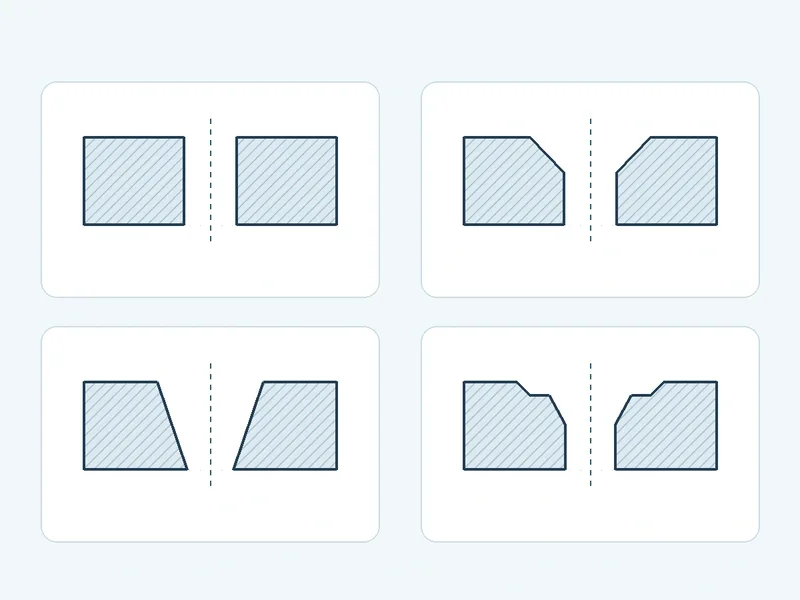
A straight hole has parallel walls. A countersunk hole has a flared mouth, while a tapered hole changes diameter through the plate. A profiled opening needs a dimensioned section. Mark the functional opening, the face where it is measured and the side that faces the feed.

Four plate cross-sections showing straight, countersunk, tapered and profiled screen openings.
Top left to bottom right: straight, countersunk, tapered and a schematic profiled opening. Sections are schematic and do not define the installed flow direction.

Use the geometry as a starting point

The reference figures describe perforated plate geometry. Fibre orientation, solids loading and cleaning affect separation in service. Define the plate and hole pattern together, then reconcile the perforated area with supports and solid margins.

Applications

Black liquor clarification

Separate entrained fine fibres and solid particles from black liquor in the pulping process.

Paper-machine white-water recovery

Screen white water to recover fibre and prepare the screened water for recirculation.

Selection guide

Include these details when discussing your requirements.

Identify the stream
For black liquor, start with chemistry, temperature and the solids to remove. For white water, identify the fibre to recover and the intended reuse of the screened water.
Match the existing assembly
Locate both seating ends, any flange or fasteners, the seal and the clearances to stationary or moving parts in the equipment.

Frequently asked questions

Does the hole diameter define the filtration rating?

It is a geometric dimension. To define separation performance, specify the feed and the acceptance criteria for the screened and retained streams.

What is needed to quote a replacement?

Send a drawing or a dimensioned record of the existing drum. Identify the feed face, seating and retention at both ends, sealing details and the installed clearances.

Technical enquiry

Define the dimensions, media, joints and inspection records before confirming the order.

Technical details (optional)
Selection inputs

WhatsApp

Search