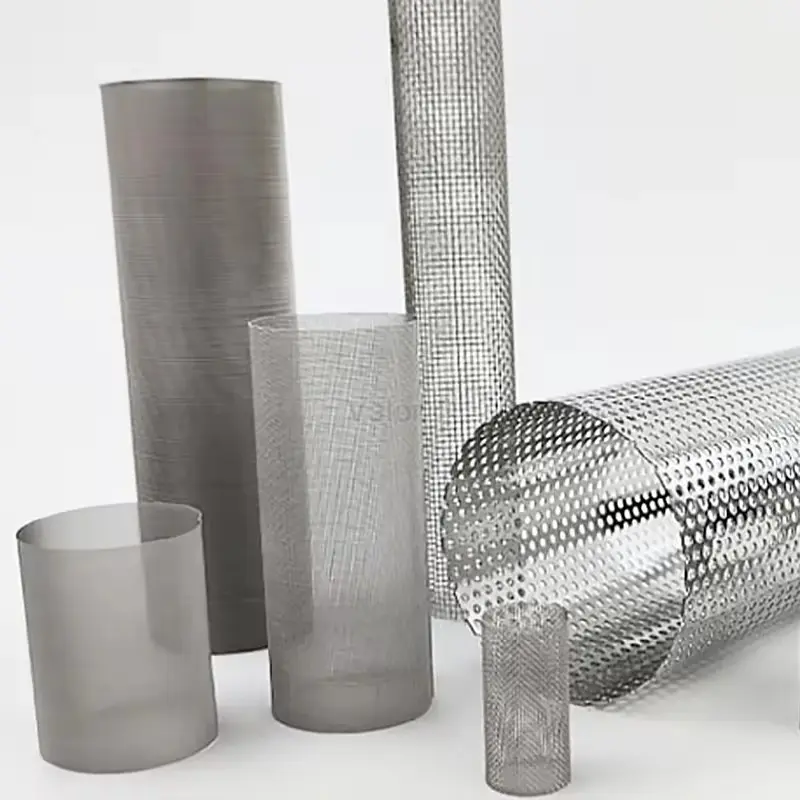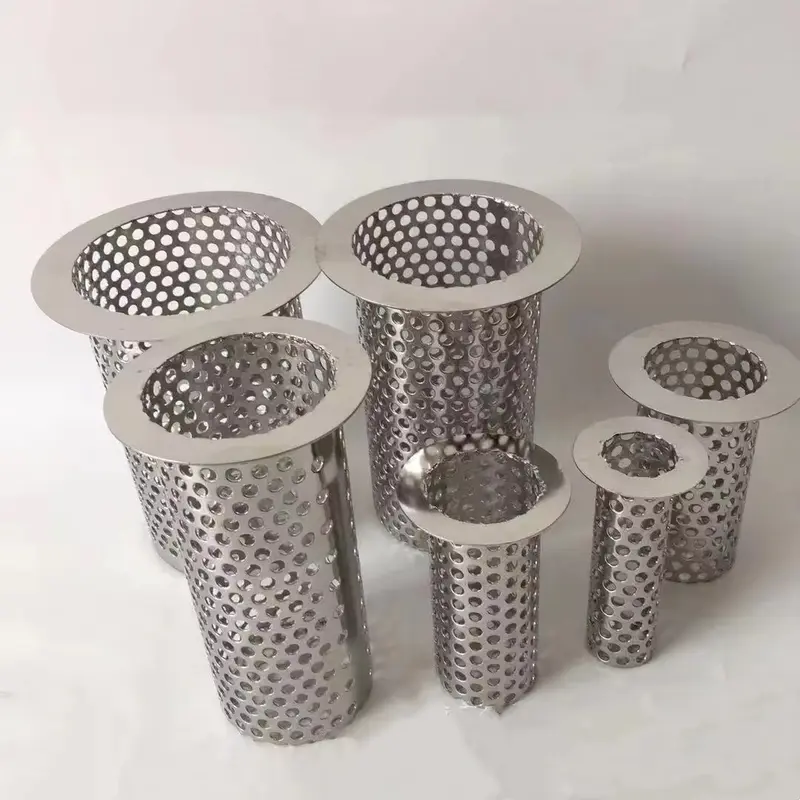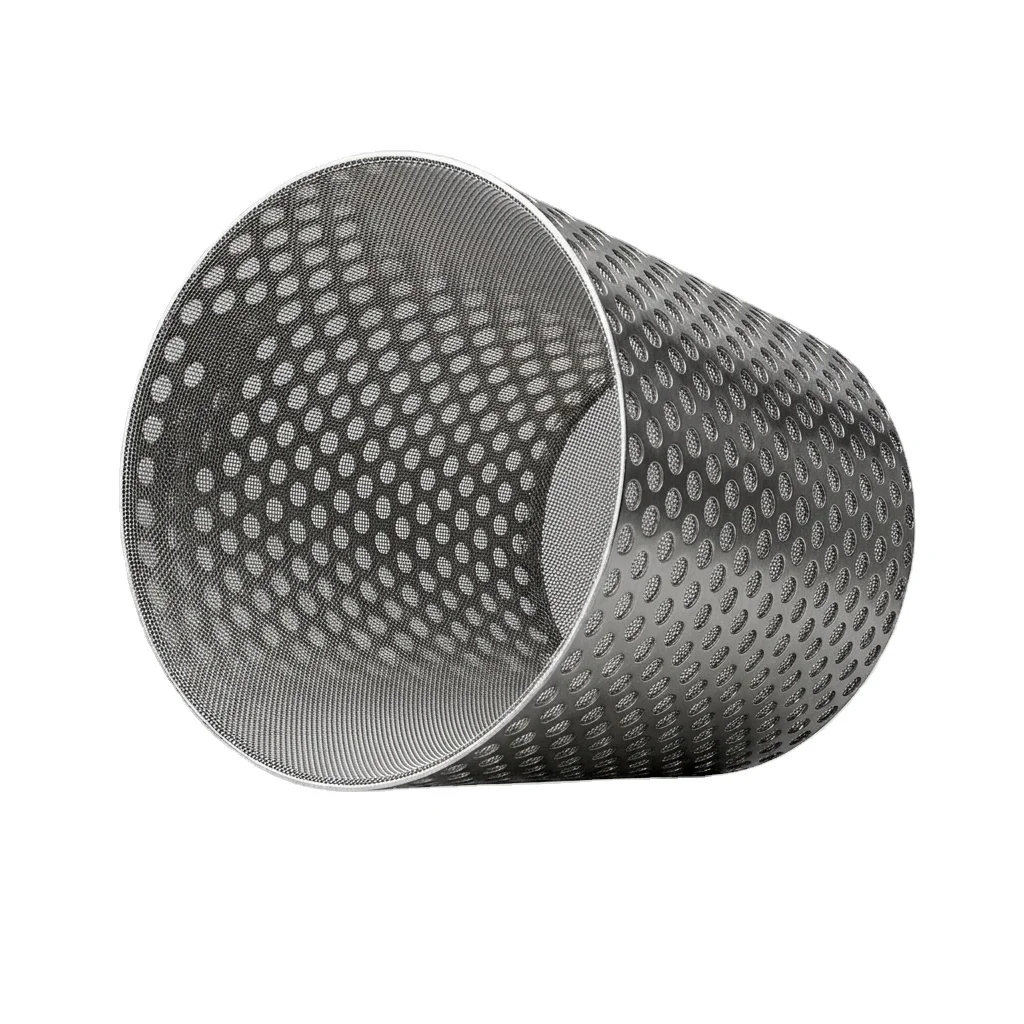
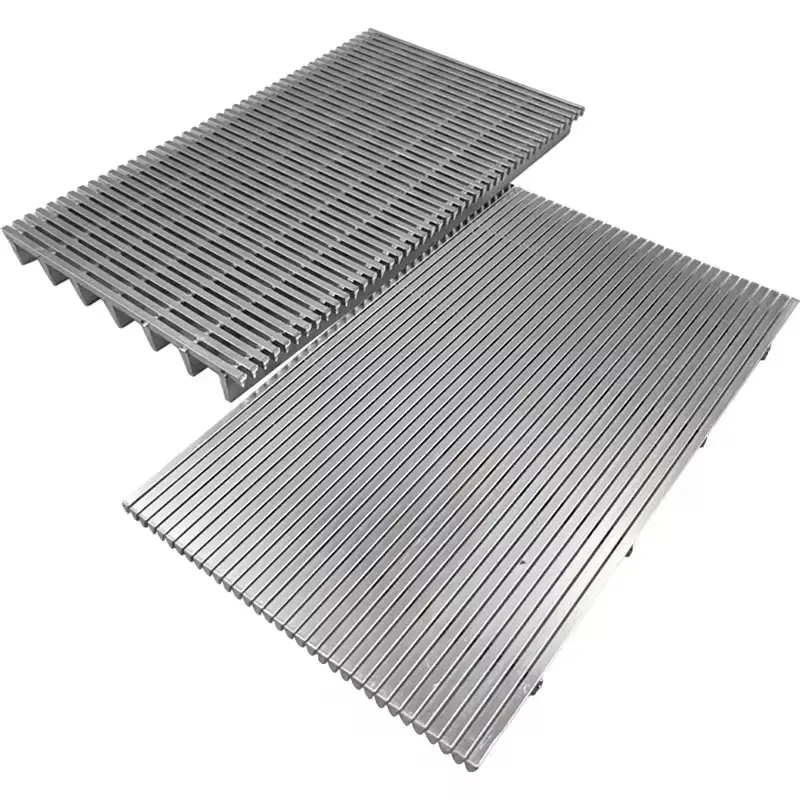
Wedge wire screen panels
Wedge wire screen panels use parallel profile wires joined to support members to create continuous slots across a rigid surface.
Product detailsDrawing-based manufacturing
Continuous-slot panels, cylinders and baskets made from profile wire and supports. Slot width controls the opening; wire face, support spacing and flow direction determine area and structural behavior.
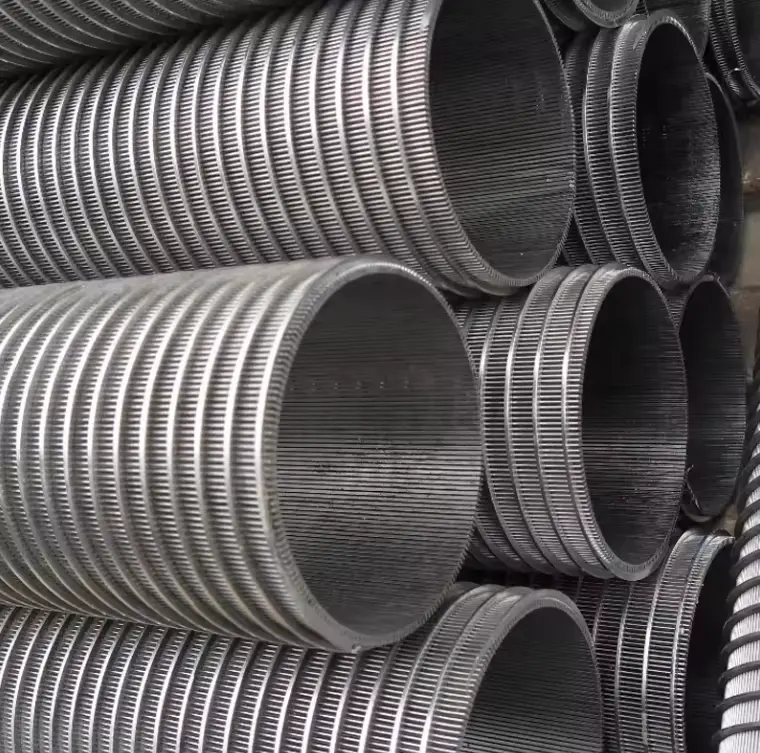
Choose by installed form
Start with the screen form, working face and support span, then define slot, profiles and load direction.
Flat profile-wire screens for media retention, drainage and classification.
View matching products →Rolled continuous-slot cylinders with inward or outward working faces.
View matching products →Open or closed slotted baskets for retention and collection duties.
View matching products →Wedge wire screens
3 products
Wedge wire screen panels use parallel profile wires joined to support members to create continuous slots across a rigid surface.
Product detailsSelf-supporting slotted cylinder for outside-in or inside-out screening.
Product details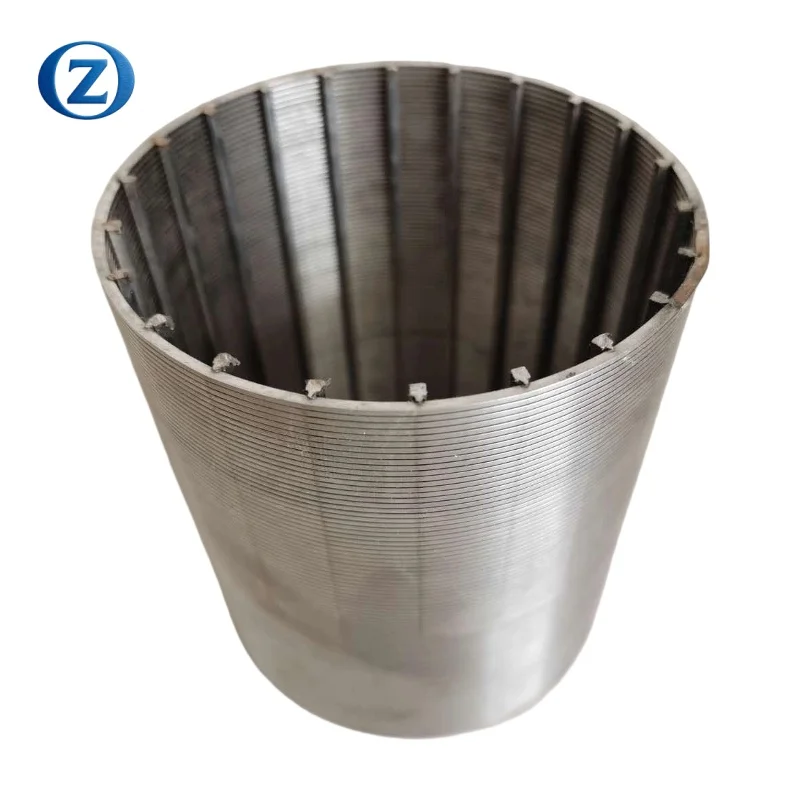
Clear filters
Slot size alone does not define flow capacity.
Defines the separation opening
Defines geometry and strength
Establishes the envelope
Guides orientation and cleaning
Controls deflection and integrity
Controls installation
Construction
Slot size alone does not define flow capacity.
| Construction | Application and fit | Confirm first | Find a product |
|---|---|---|---|
| Flat wedge wire panels | The equipment requires a flat continuous-slot working surface. | Panel size, slot, working face, support spacing and frame. | Filter matching products |
| Wedge wire cylinders | The screen must form a round element with a defined working face. | OD or ID, length, slot, profiles, seam and end treatment. | Filter matching products |
| Wedge wire baskets | The equipment needs a removable wedge wire basket or insert. | Seat, body geometry, slot, working face, bottom and handle. | Filter matching products |
Wedge wire screens
Continuous slots serve retention and dewatering.
Keep resin or other process media inside vessel internals.
Drain liquid from retained solids on panels.
Provide screened area around inlet or distributor assemblies.
Check the useful surface, including edges and joints.
Wedge wire screens
Set slot width, profile and support arrangement for the direction of flow and solids being retained.
Read guide→Calculate theoretical opening area, then check ligaments, support spacing and installed coverage.
Read guide→Wedge wire screens
It is a geometric slot size. Particle shape, orientation and process conditions affect passage; an efficiency claim requires a defined test.
Only when the profile, support structure and cleaning process accommodate the reversal. Reversal changes the loading and may change separation behavior.
A smaller slot may increase retention but reduces available flow area and may foul sooner. Compare solids, flow, cleaning and support requirements rather than choosing slot width alone.
Define the dimensions, media, joints and inspection records before confirming the order.