
Drawing-based manufacturing
Custom metal filtration component manufacturing
Metal filter elements and fabricated parts made from drawings, samples or defined operating requirements. Review media, support, connections and inspection before production.
Three ways to begin a custom project
Send the most complete information available. The initial review identifies what is still needed for a reliable quotation.
- 01
A drawing
Include its revision, units, material specification, critical dimensions, tolerances and assembly view. Mark sealing faces and installation interfaces.
- 02
A sample
Send overall photographs, both end views and a scale reference. Add mating dimensions and known service history because wear can change the original geometry.
- 03
An operating requirement
Describe the process medium, particle or opening target, flow direction, installation envelope, temperature, pressure and cleaning method.
One component, four connected decisions
Media selection and mechanical construction must be reviewed together.
- 01
Filter media
Define the opening, weave, pore structure or slot geometry and how the filtration requirement will be assessed.
- 02
Support structure
Define cores, coarse support mesh or frames, the flow direction and the load the component must withstand.
- 03
Installation interfaces
Show end caps, flanges, collars, threads and sealing surfaces with their mating dimensions.
- 04
Edges and joints
Specify edge treatment, seam construction, surface condition and inspection requirements on the approved drawing.
Component forms, media and fabrication
Choose the form around the installation, then review the compatible media and manufacturing route.
- 01
Component forms
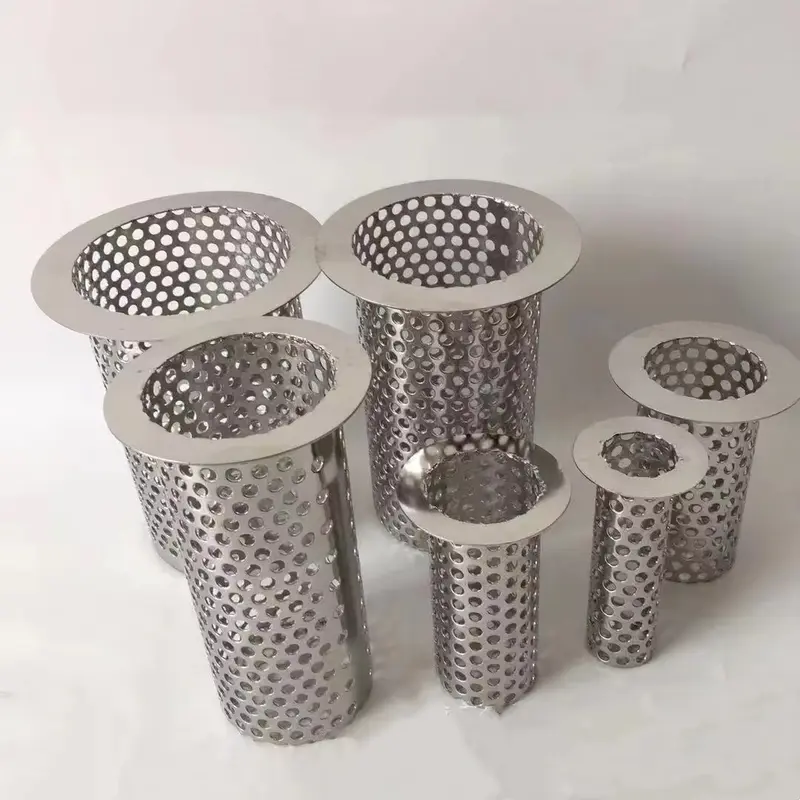
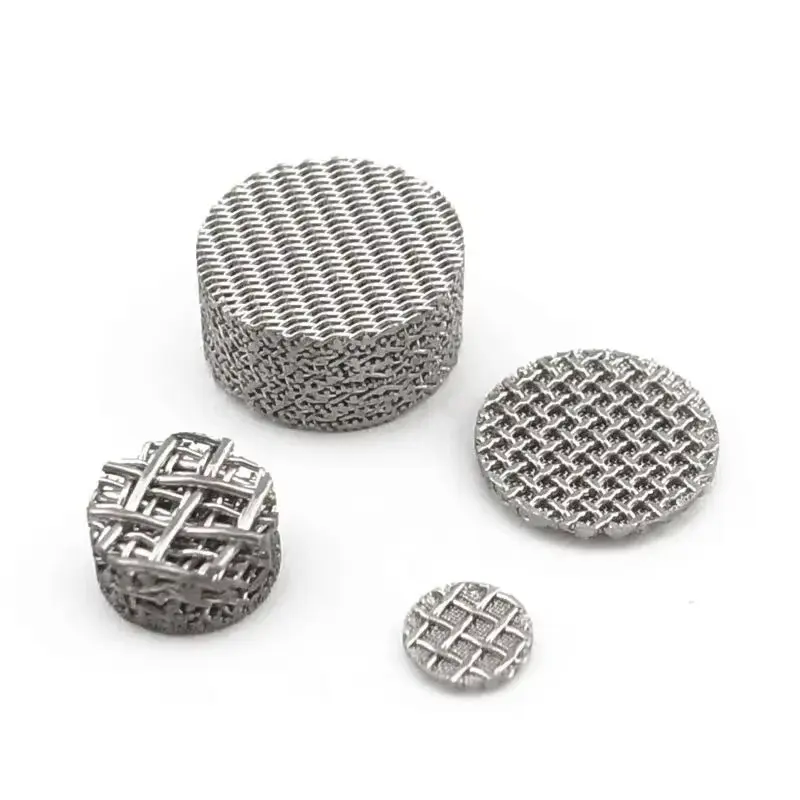
Cartridges, cylinders, sleeves, discs, screen packs, baskets, cones and framed screens for drawing-defined installations.
- 02
Filtration media
Woven wire mesh, perforated metal, wedge wire and sintered media; layer arrangements are agreed for the specific duty.
- 03
Fabrication
Cutting, rolling, forming, edging, welding and assembly are selected according to geometry, material and quantity.
- 04
Connection and support parts
End caps, collars, frames, support tubes and flanges are reviewed together with the filtering surface.
From requirement to finished part
Four stages connect the technical inputs, drawing approval and inspection requirements.
- 01
Send drawing / sample
Share the current drawing or sample photographs, dimensions, quantity and service conditions.
- 02
Engineering review
Review material, media, supports, interfaces, joints, tolerances and required checks.
- 03
Sample or order confirmation
Agree the drawing revision, sample scope, quotation and acceptance requirements.
- 04
Manufacture & inspect
Produce the components and complete the checks and documents specified in the order.
What to include in your enquiry
Provide what is available; the technical review can resolve the remaining inputs.
- 01
Fit and dimensions
Overall dimensions, units, mating interfaces, critical tolerances and flow direction.
- 02
Filtration construction
Material grade, mesh or opening requirement, layer order, support and edge or seam details.
- 03
Operating conditions
Process medium, temperature, pressure or differential pressure, flow and cleaning conditions.
- 04
Order and acceptance
Sample and production quantities, required inspections, documents, packaging and destination.
Inspection defined by the component
Agree measurable acceptance criteria before production. An inspection plan should match the actual drawing and intended duty.
- 01
Dimensions and fit
Identify critical diameters, lengths, concentricity, sealing surfaces and mating details. Agree the method and sampling scope.
- 02
Media and material
Confirm grade, weave or media construction, opening requirements and the traceability documents requested for the order.
- 03
Assembly condition
Review seams, welds, edge retention, cleanliness and visual condition against the agreed criteria.
- 04
Records and release
List the required measurements, photographs and reports. Special tests and third-party inspection require prior agreement.
Custom metal filtration component manufacturing
Can a replacement part be made from an obsolete sample?
A sample can establish the envelope and joining method. Material, filtration requirement, tolerance and any changed operating conditions still need written confirmation.
What drawings are most useful for a welded filter assembly?
Send overall and interface dimensions, media designation, weld locations, flow direction and critical inspection points. A CAD model helps where formed parts or tight clearances are involved.
Can a prototype be revised before repeat production?
Yes. Mark the drawing revision and record the changes found during sample review. The approved revision then becomes the basis for repeat orders.
Can accessories be supplied with the component?
End caps, support cores, frames and retaining parts can be included when specified on the assembly drawing. State which items are supplied separately and which are joined to the element.
Related products and guidance
How to specify a custom metal filter
View details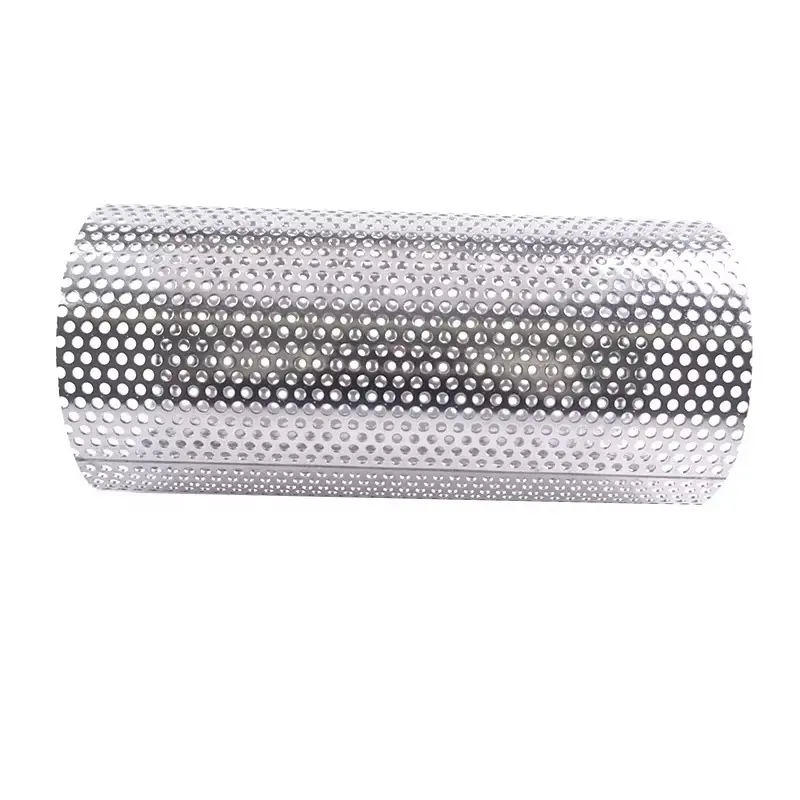
Perforated filter support cores
View detailsFlanged filter inserts
View details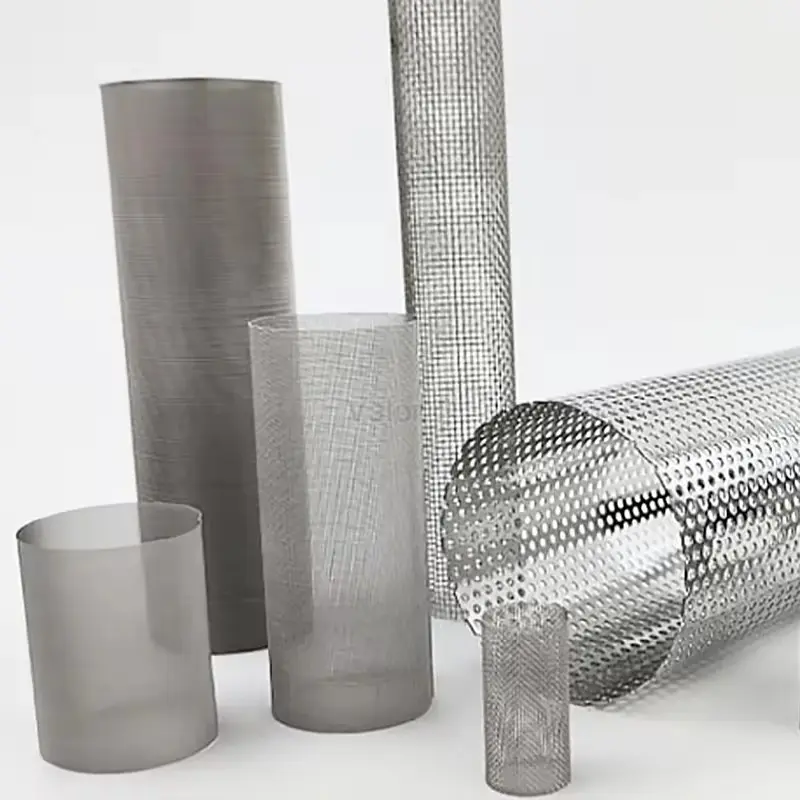
Materials and alloys for filtration components
View details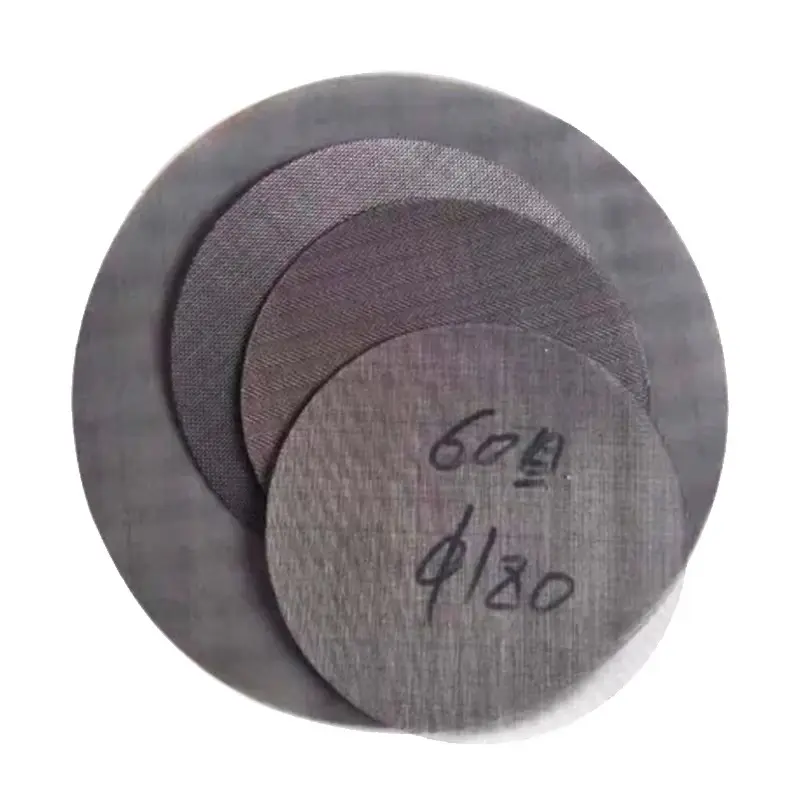
Screen packs for polymer melt filtration
View detailsFilter parts and accessories
View details
Filter element and component manufacturing
View detailsTechnical enquiry
Define the dimensions, media, joints and inspection records before confirming the order.