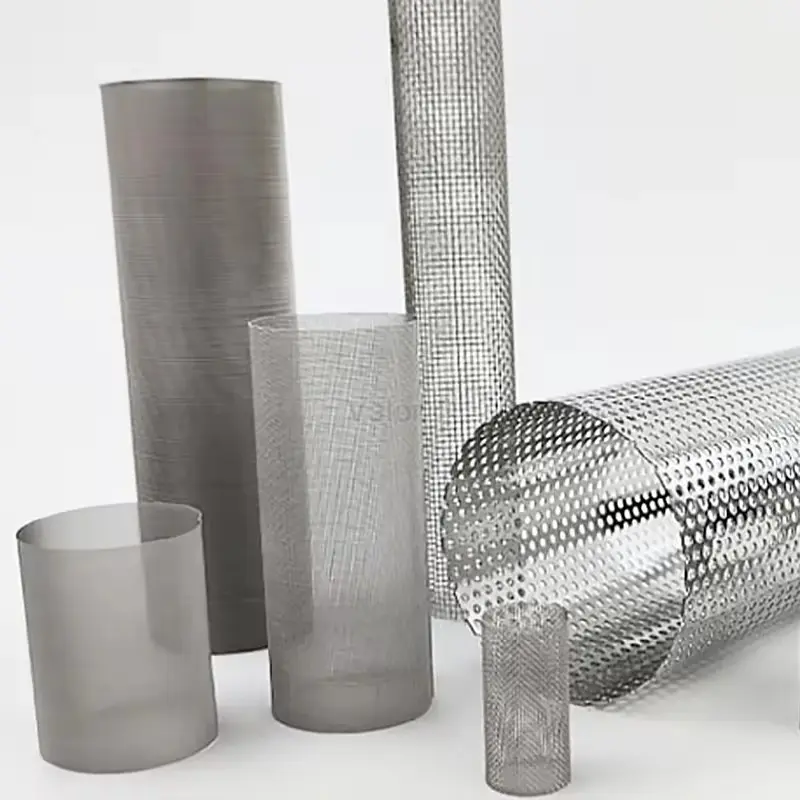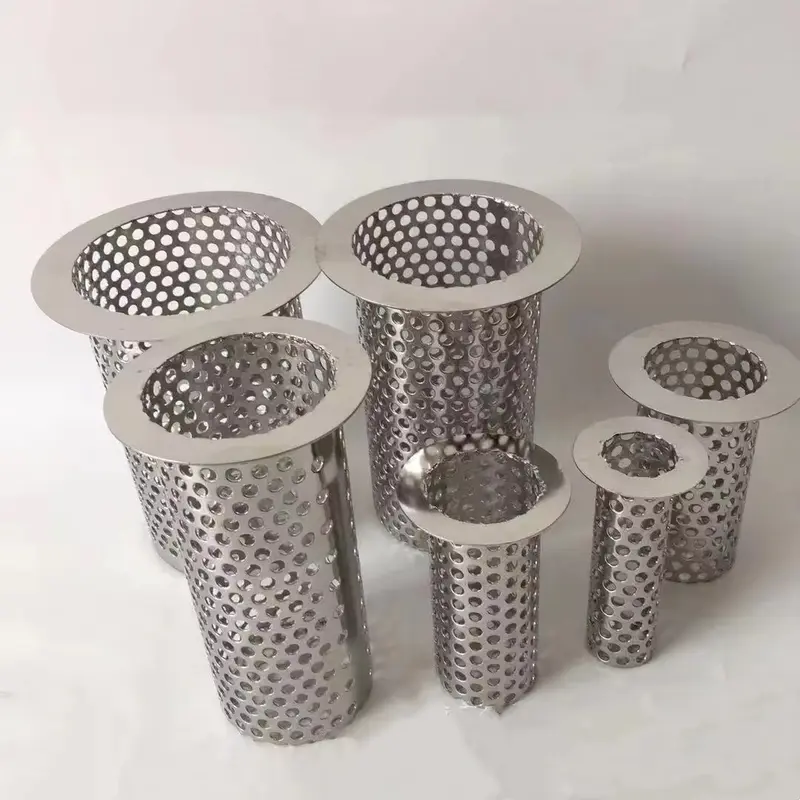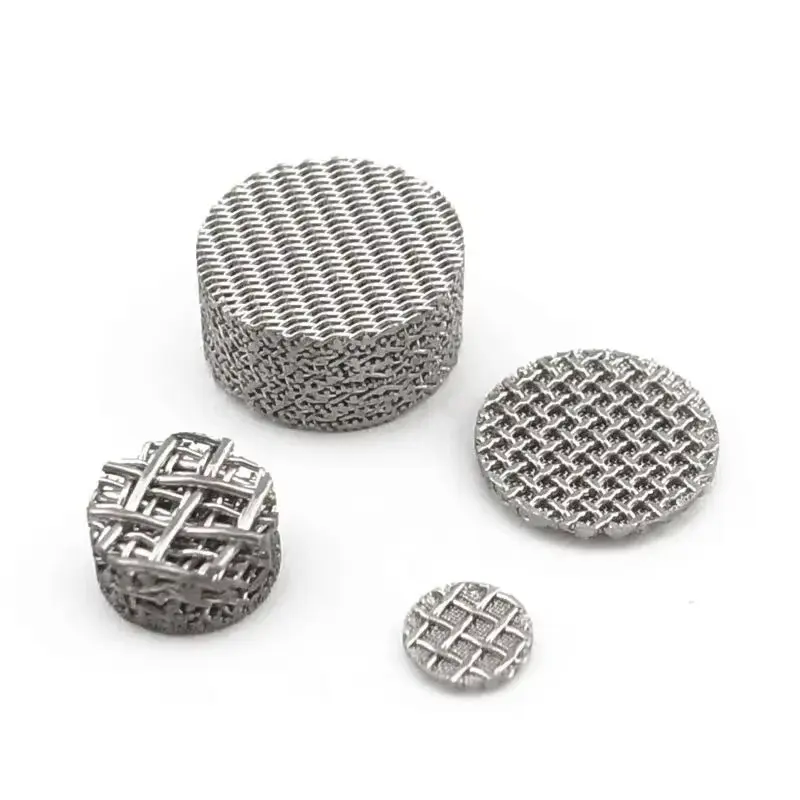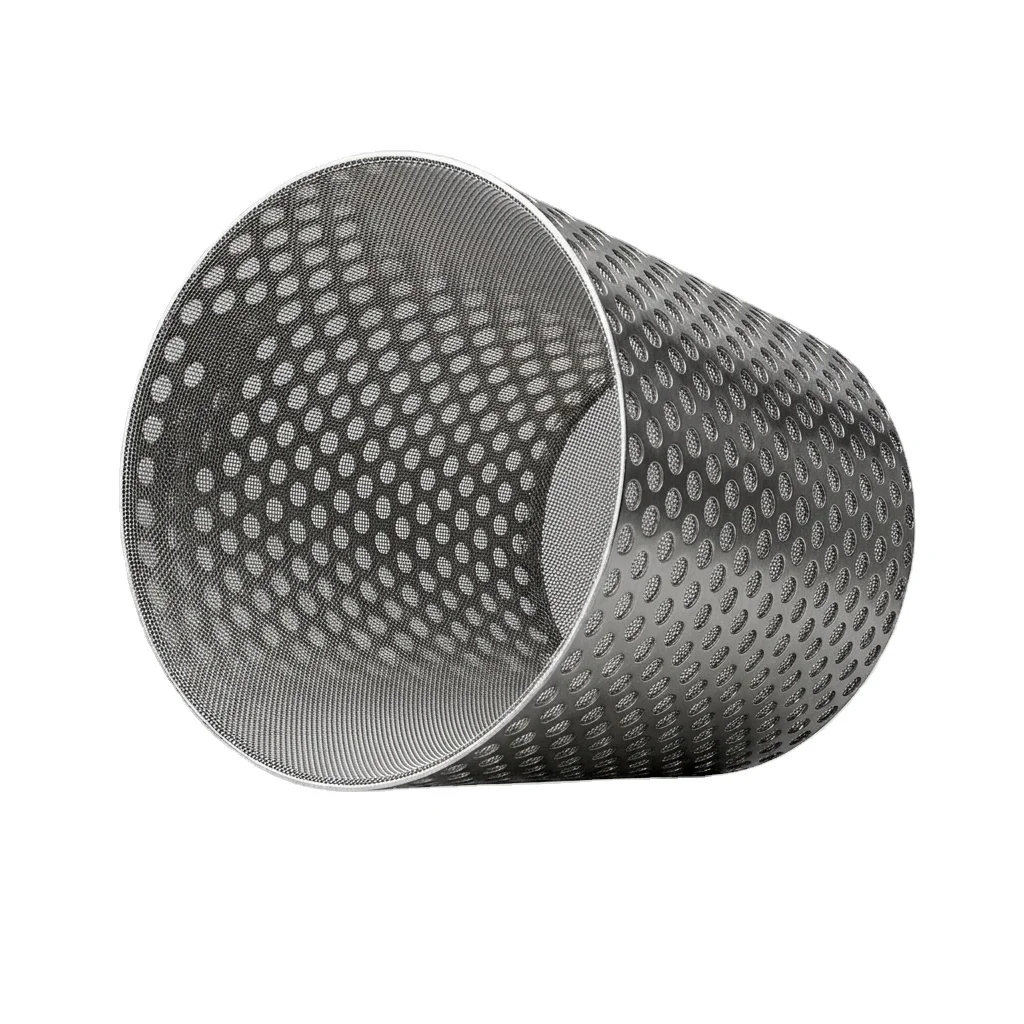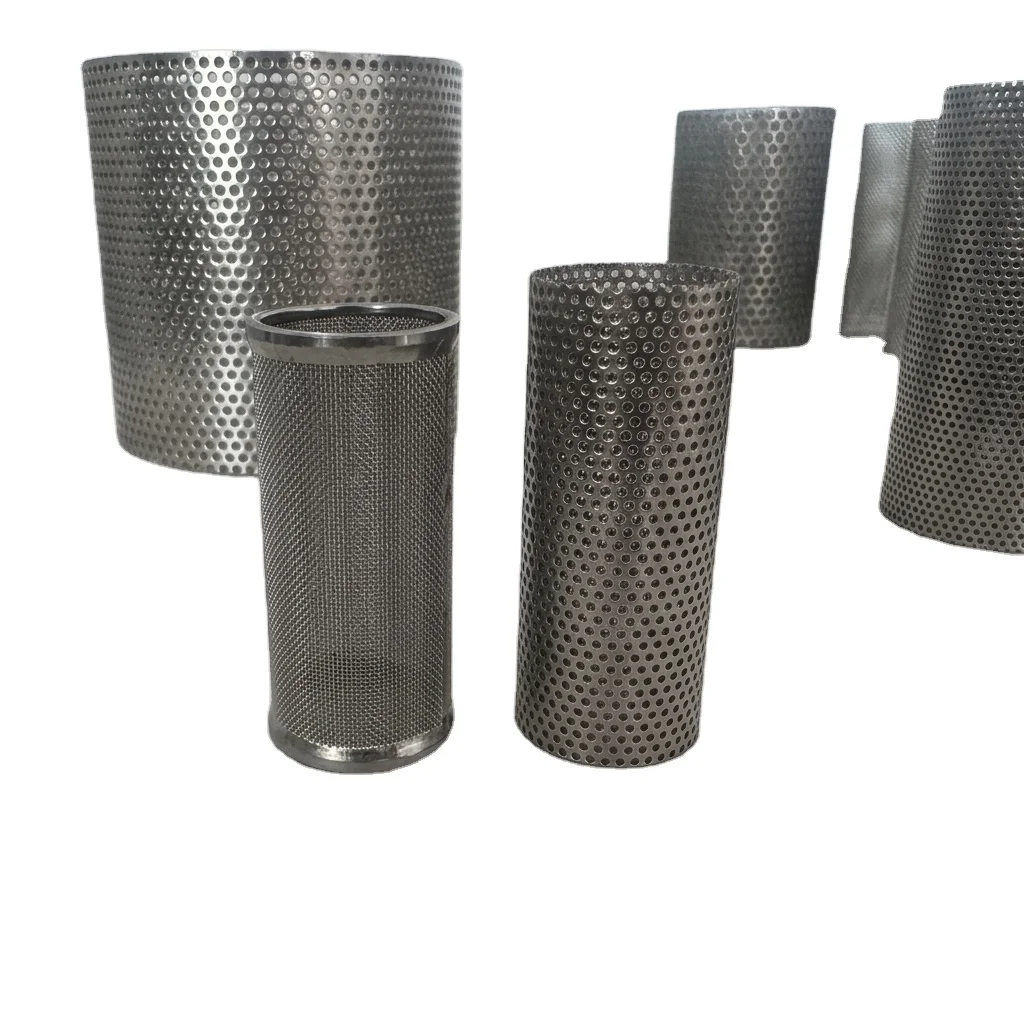
Temporary cone strainers
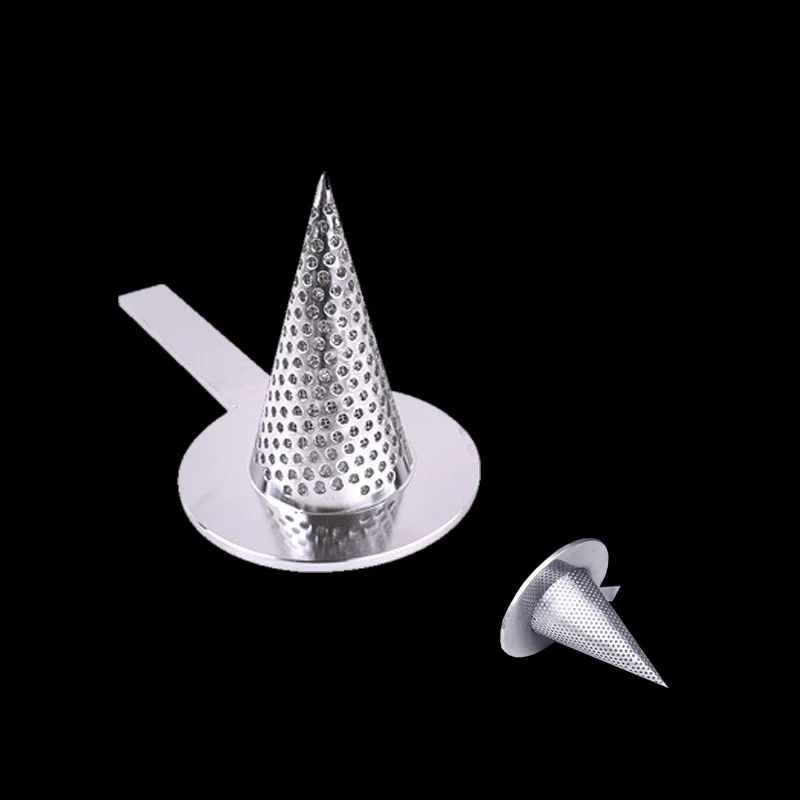
Conical commissioning strainer installed between pipe flanges.
Product detailsDrawing-based manufacturing
Temporary conical and flat startup screens installed in pipelines to intercept construction debris before commissioning. Flange fit, installation length and differential-pressure monitoring are central to selection.
Choose by flow geometry
Start with the line size, flange interface and available installation length, then define flow direction and screen support.
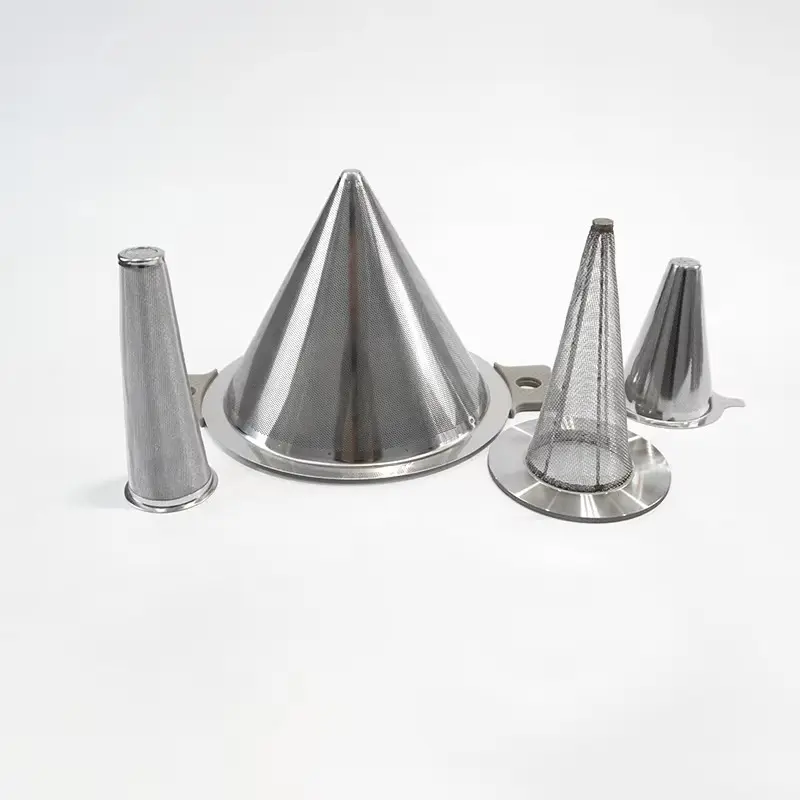
Pointed temporary strainers installed between flanges for equipment protection.
View matching products →Flat-ended conical screens where a full point is unnecessary or restricted.
View matching products →Open-ended conical baskets designed around a removable pipeline insert.
View matching products →Cone strainers
3 products
Conical commissioning strainer installed between pipe flanges.
Product details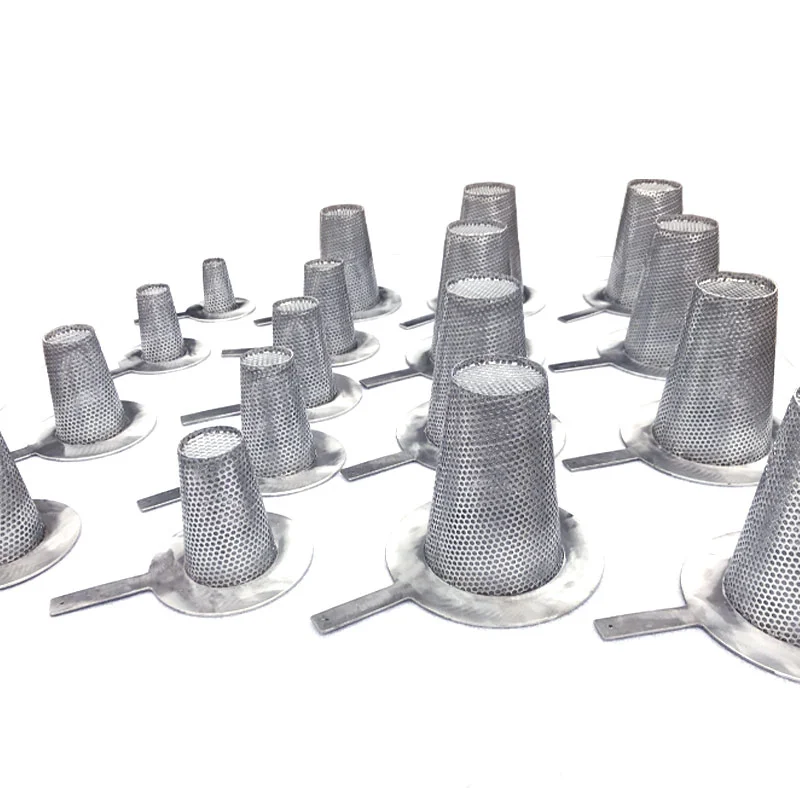

Flat perforated plate or mesh-lined screen fitted at a flange joint.
Product detailsClear filters
Pipeline class does not establish the allowable pressure drop across a screen.
Defines the mounting ring and fit
Controls available area and structural behavior
Defines the debris retained
Guides support construction
Separates temporary from permanent duty
Construction
Pipeline class does not establish the allowable pressure drop across a screen.
| Construction | Application and fit | Confirm first | Find a product |
|---|---|---|---|
| Witch-hat strainers | A temporary screen must project upstream or downstream between flanges. | Line size, cone length, flange OD, flow direction and support. | Filter matching products |
| Truncated cone strainers | Available length or handling favors a flat-ended cone. | Large and small diameters, length, flange and closed-end detail. | Filter matching products |
| Basket cone strainers | The pipeline arrangement uses a removable basket-like temporary insert. | Mouth, body length, closed end, removal feature and flow direction. | Filter matching products |
Cone strainers
For commissioning and intrusive pipework.
Intercept weld debris, scale and foreign material during flushing.
Protect specified equipment circuits during initial circulation.
Control debris following pipe modifications.
The retaining edge transfers load into the pipeline joint.
Cone strainers
Specify a basket or cone strainer from debris duty, available area and planned cleaning access.
Read guide→Calculate theoretical opening area, then check ligaments, support spacing and installed coverage.
Read guide→Cone strainers
Only when the design provides sufficient area, pressure monitoring, cleaning access and structural assessment. Startup screens usually serve a defined commissioning period.
No. Flange pressure-temperature ratings apply to the piping joint. The thin screen and support require their own differential-pressure limit.
Orientation depends on the piping specification, flow direction and debris collection plan. Mark the flow arrow on the drawing and check removal clearance and allowable pressure drop.
Define the dimensions, media, joints and inspection records before confirming the order.