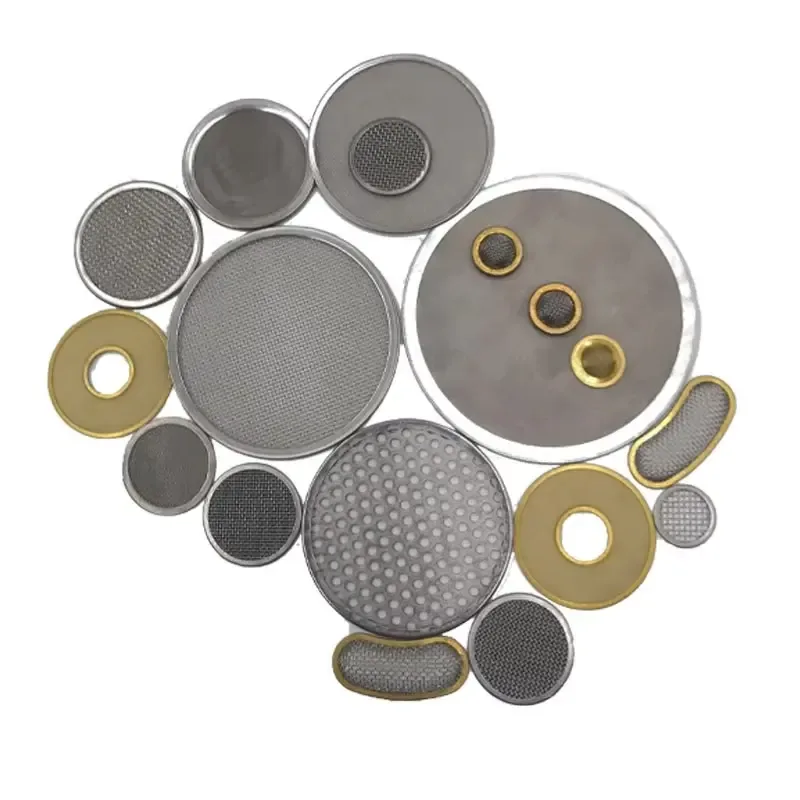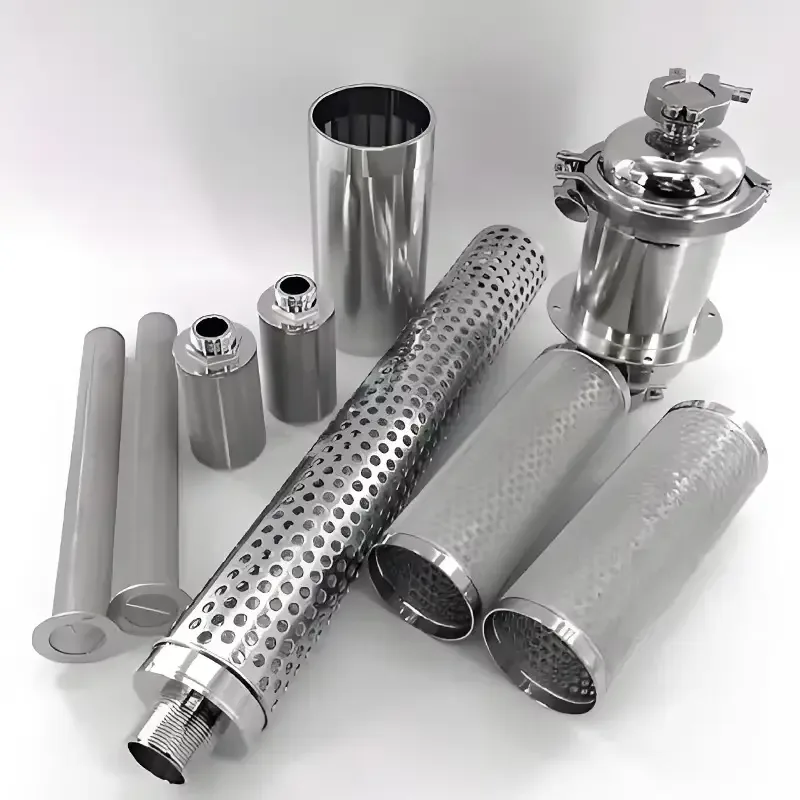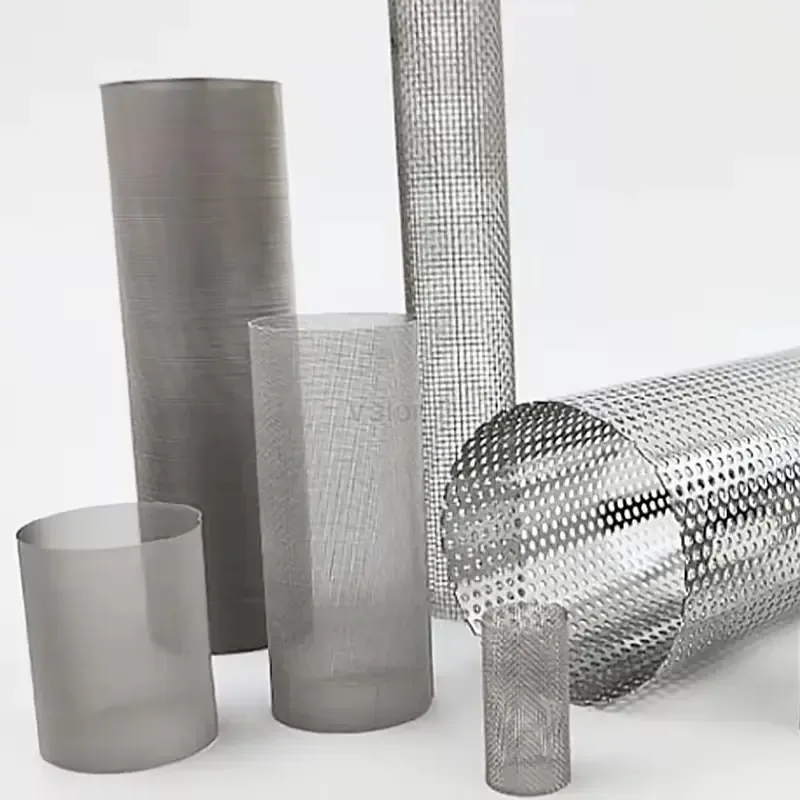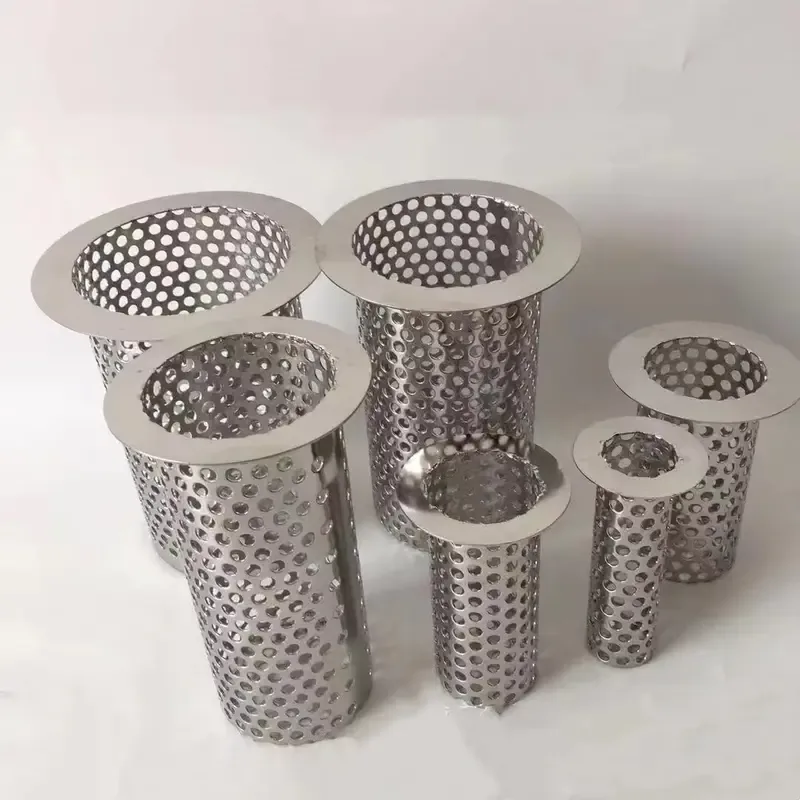
Choose the component by its process position
Pulp preparation, stock screening, white-water recovery and coating circulation use different screening components. Start with the material stream and its next destination: accepted stock, reject solids, recovered fiber or clarified liquid. A process map identifies the screening surface and machine interface before any aperture or material is selected.
Pressure-screen baskets for pulp preparation
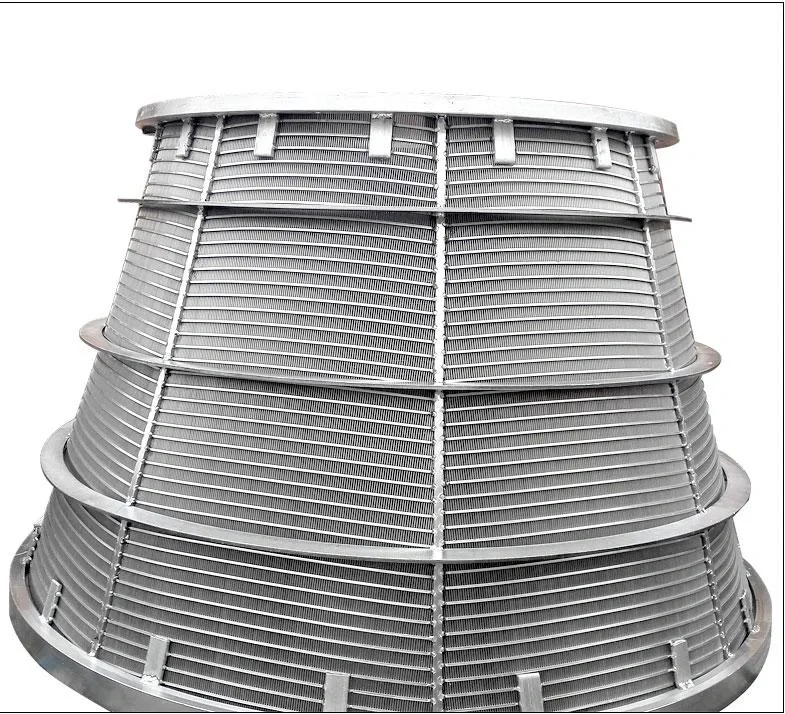
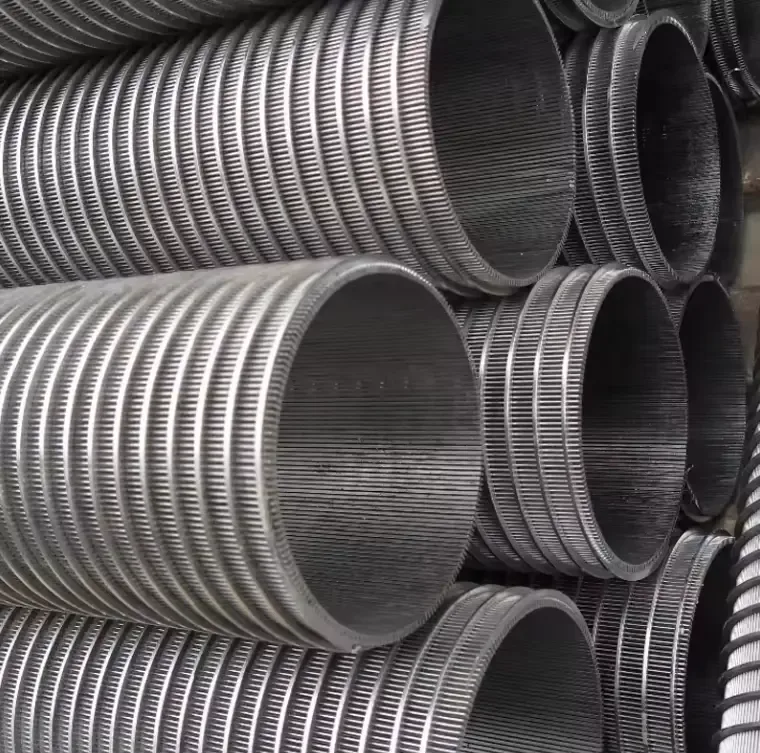
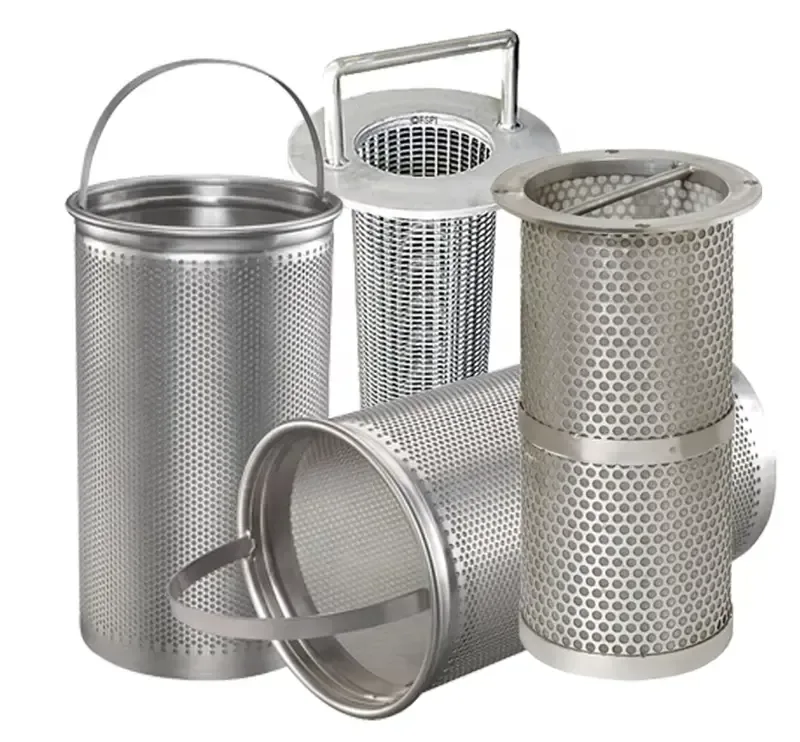
A pressure-screen basket works with the machine rotor and its pressure pulses. The specified screen surface separates the accept path from the reject path. Inflow and outflow constructions require different working-face orientation and rotor relationships. Match basket diameter, height, slot orientation, flange and rotor clearance to the receiving equipment drawing.
Black-liquor and white-water screening
Black-liquor duty combines liquid chemistry, temperature and entrained fiber or solids. White-water duty focuses on fiber recovery and water recirculation. A perforated drum series uses round holes of 0.15, 0.20, 0.25 or 0.30 mm. Identify the selected hole geometry, support and operating stream together; the two process liquids receive separate material and cleaning schedules.
Coating screens in the paper process
A paper-coating screen basket is installed in the coating circulation route. Roundness, working-face finish and scraper relationship determine its fit and cleaning motion. Specify coating composition, solids, viscosity basis and process temperature with the screen geometry. This is the paper-coating component; general paint and ink production has its own process-screening guide.
Sieve bends and centrifugal dewatering
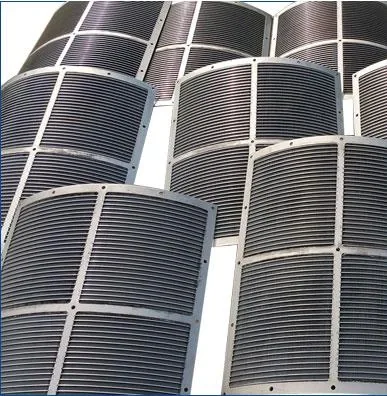
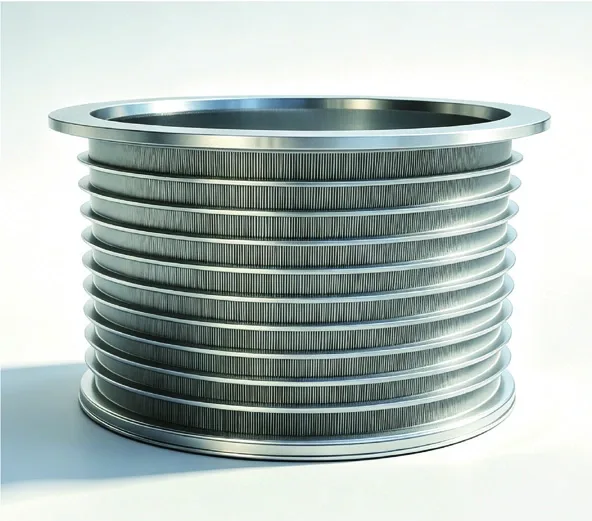
A sieve bend presents a curved stationary screening surface to a directed feed. Radius, arc length, wire orientation and support define the installation. A centrifuge basket rotates as part of a dewatering machine and requires its own attachment, running geometry and inspection scope. Both separate solids and liquid, but their mounting and loading arrangements remain distinct.
Pulper plates and fiber separation
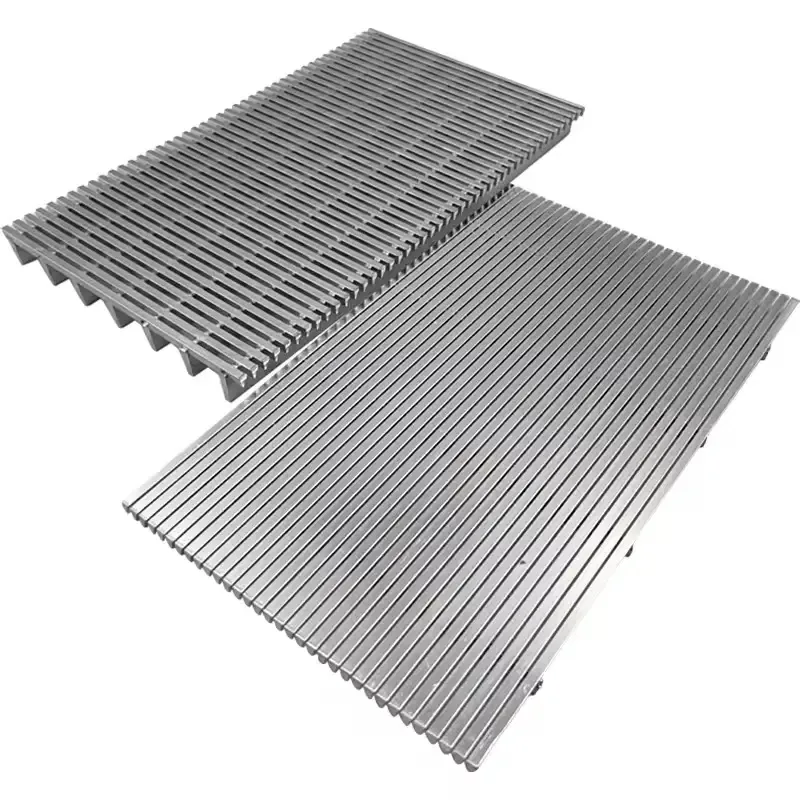
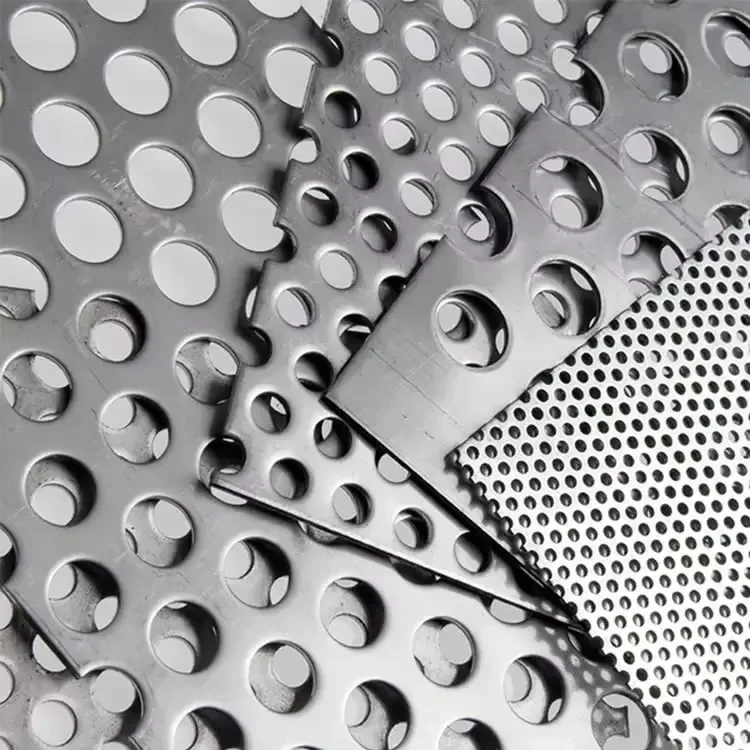
A pulper plate admits acceptable material through the screen while coarse contaminants and incompletely dispersed pieces remain in the working zone. The perforated series includes 2.0–8.0 mm holes and 6–25 mm plate thickness. The rotor, bottom knives, bolt pattern, recesses and working face are specified as a complete mating interface.
Inspect the geometry that governs the machine
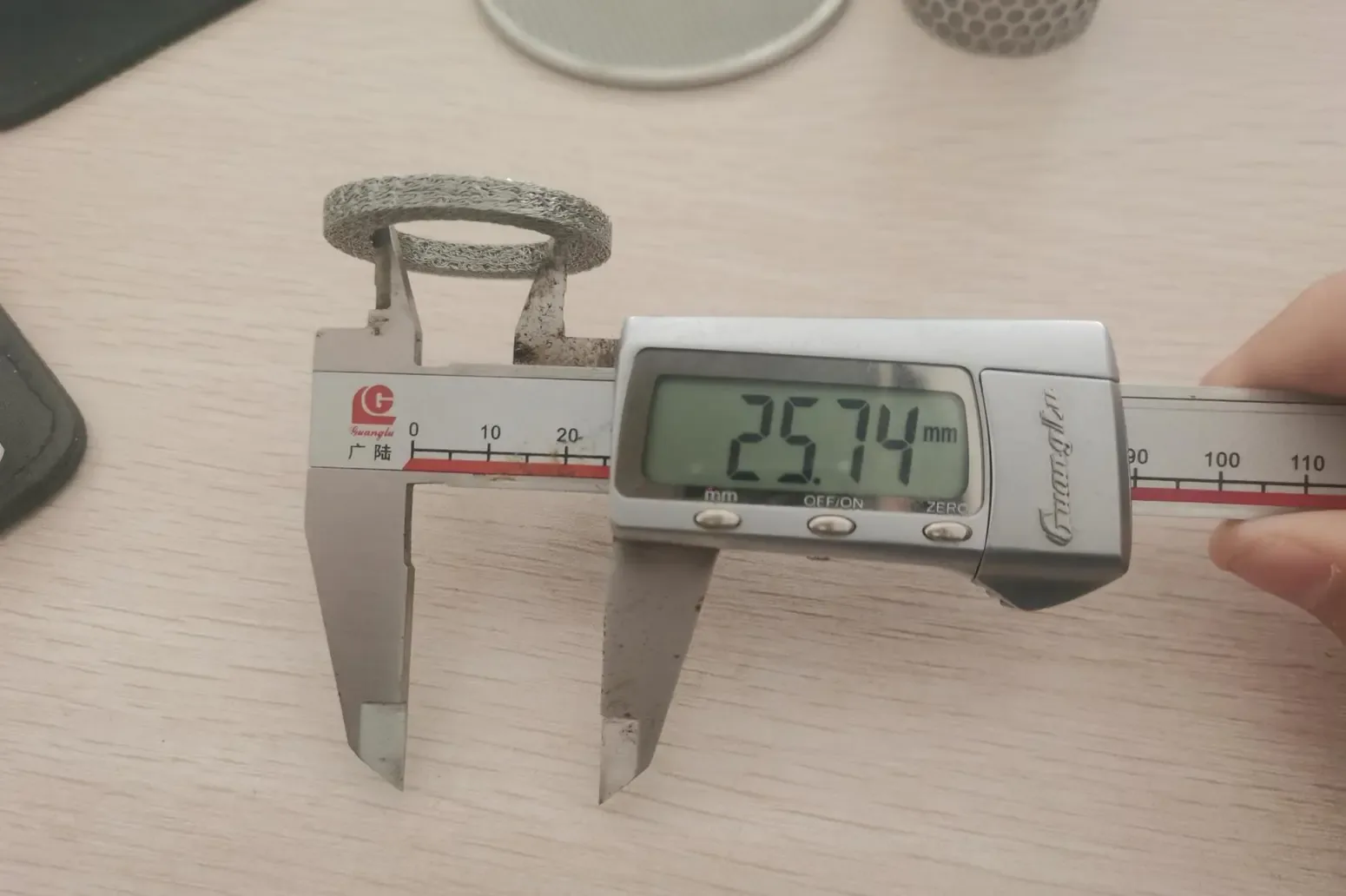
For cylindrical parts, measure the mounting datum, roundness, axial alignment and screen-to-rotor clearance. For plates, check hole or slot geometry, flatness, mounting holes and the working-face position. Record opening measurements at the filtering face. A slot measurement, round-hole diameter and complete-assembly clearance are separate inspection results.
Connect material, cleaning and replacement records
Choose the alloy for the actual liquor, stock or coating and the cleaning chemistry. Keep each part drawing with its screen geometry, orientation, connections and inspection record. The replacement schedule identifies wear, deformation, blocked passages and sealing surfaces. Dedicated product pages then carry the detailed dimensions for pressure baskets, sieve bends and centrifuge baskets.