
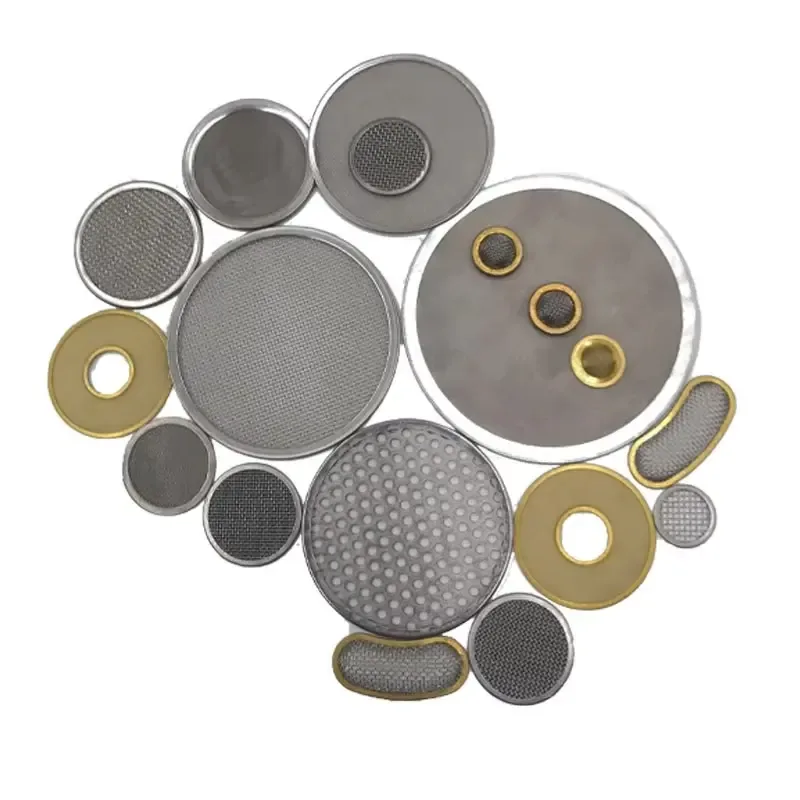
Wire mesh filter discs
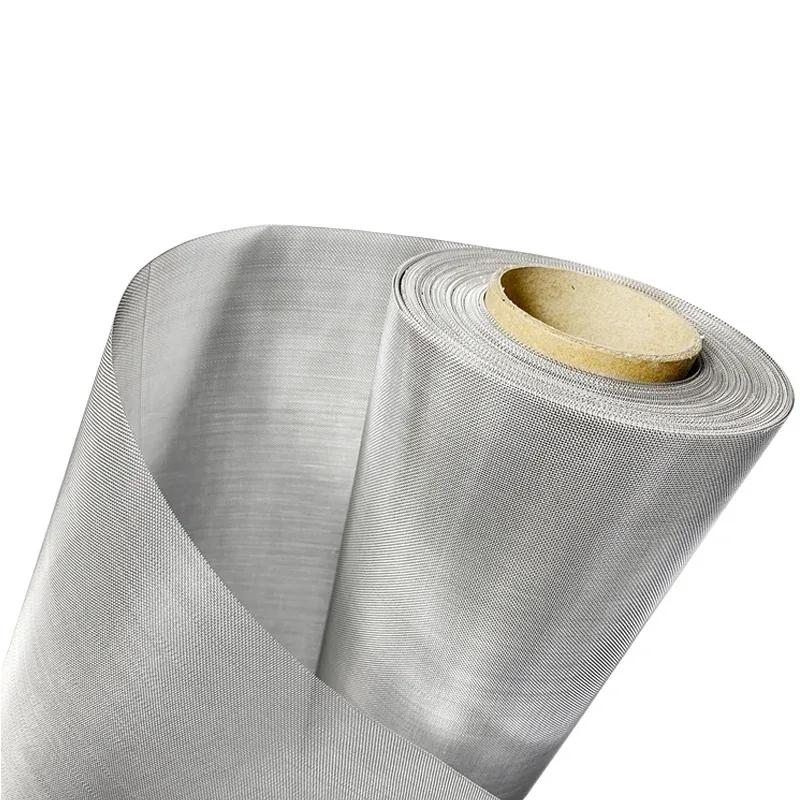
Kaifil cuts woven wire cloth into round, annular and drawing-defined filter inserts.
Product detailsDrawing-based manufacturing
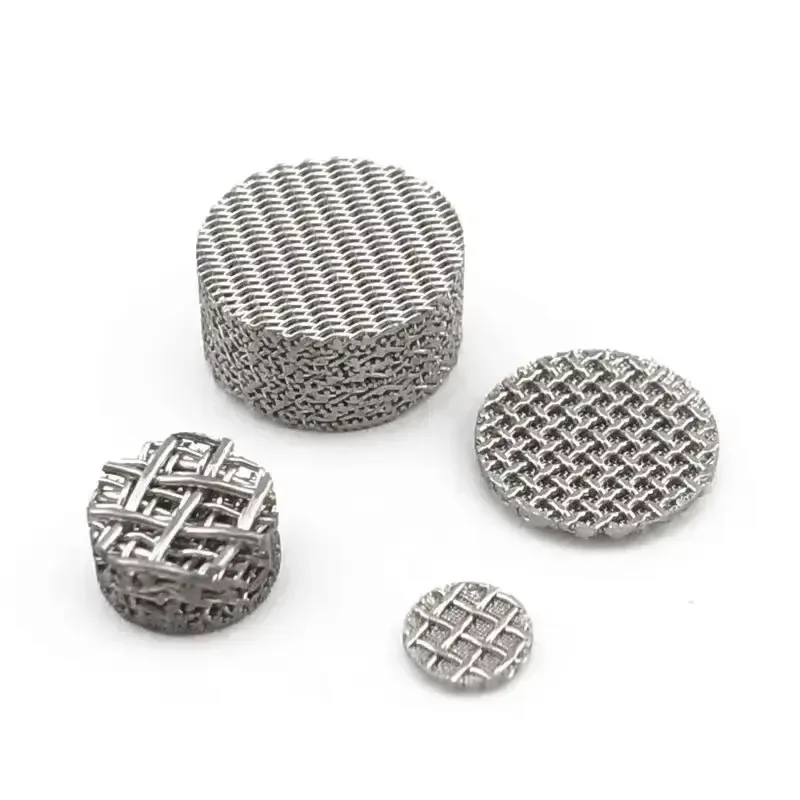
Filter discs and cut screens in woven wire mesh, sintered mesh, perforated sheet and precision foil, with round, annular and drawing-defined outlines. Multilayer mesh-disc configurations cover 10–580 mm diameter, 3–200 µm media grades and 3–5 layers. The filtering medium, support, edge finish and mounting land form one specified assembly.
Choose by construction
Begin with the installed shape and perimeter condition. Media and layer construction can then be reviewed against the process requirement.
Flat circular screens for housings, ports and compact filtration assemblies.
View matching products →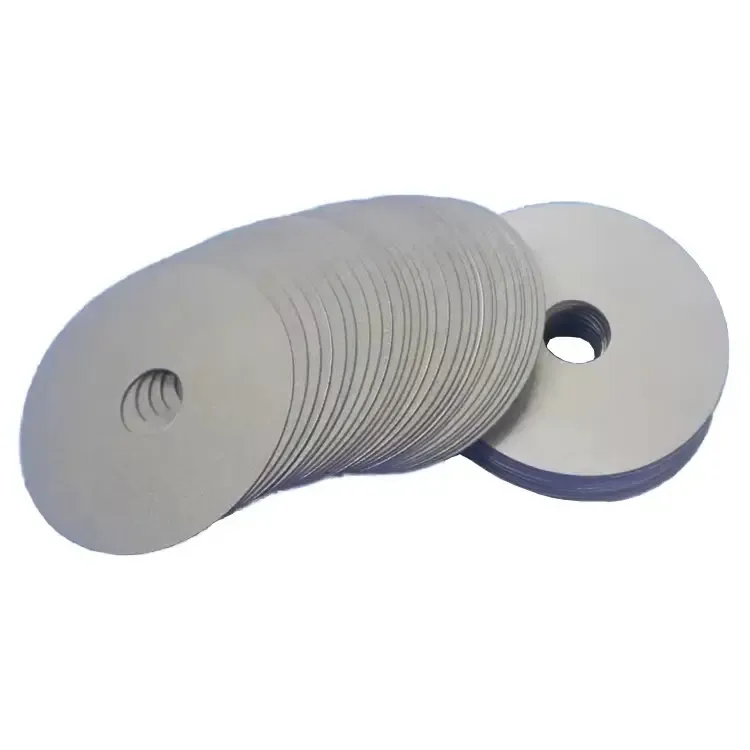
Ring-shaped screens defined by outside diameter, inside diameter and sealing width.
View matching products →Perimeter-finished screens for handling, layer retention and controlled seating.
View matching products →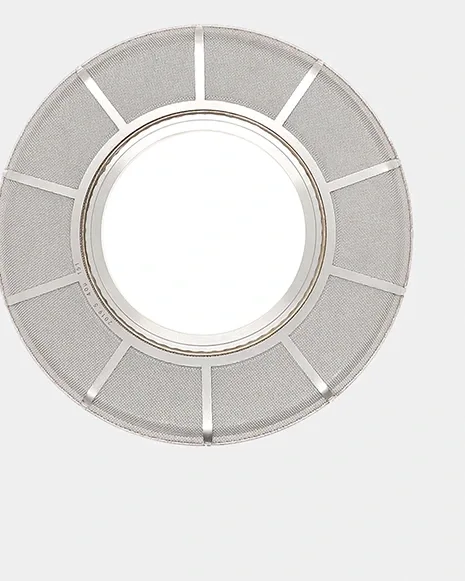
Metal leaf discs combine two filtering faces, an internal drainage support and a central collection hub. Annular sintered-mesh elements stack around a central outlet for polymer melt filtration.
View matching products →Filter discs and cut screens
9 products
Kaifil cuts woven wire cloth into round, annular and drawing-defined filter inserts.
Product details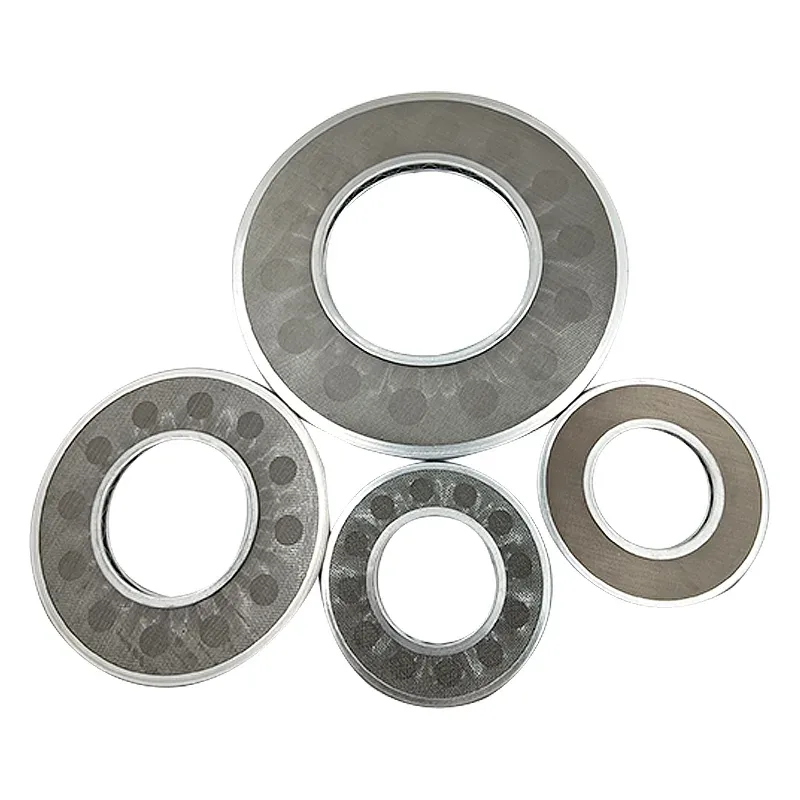
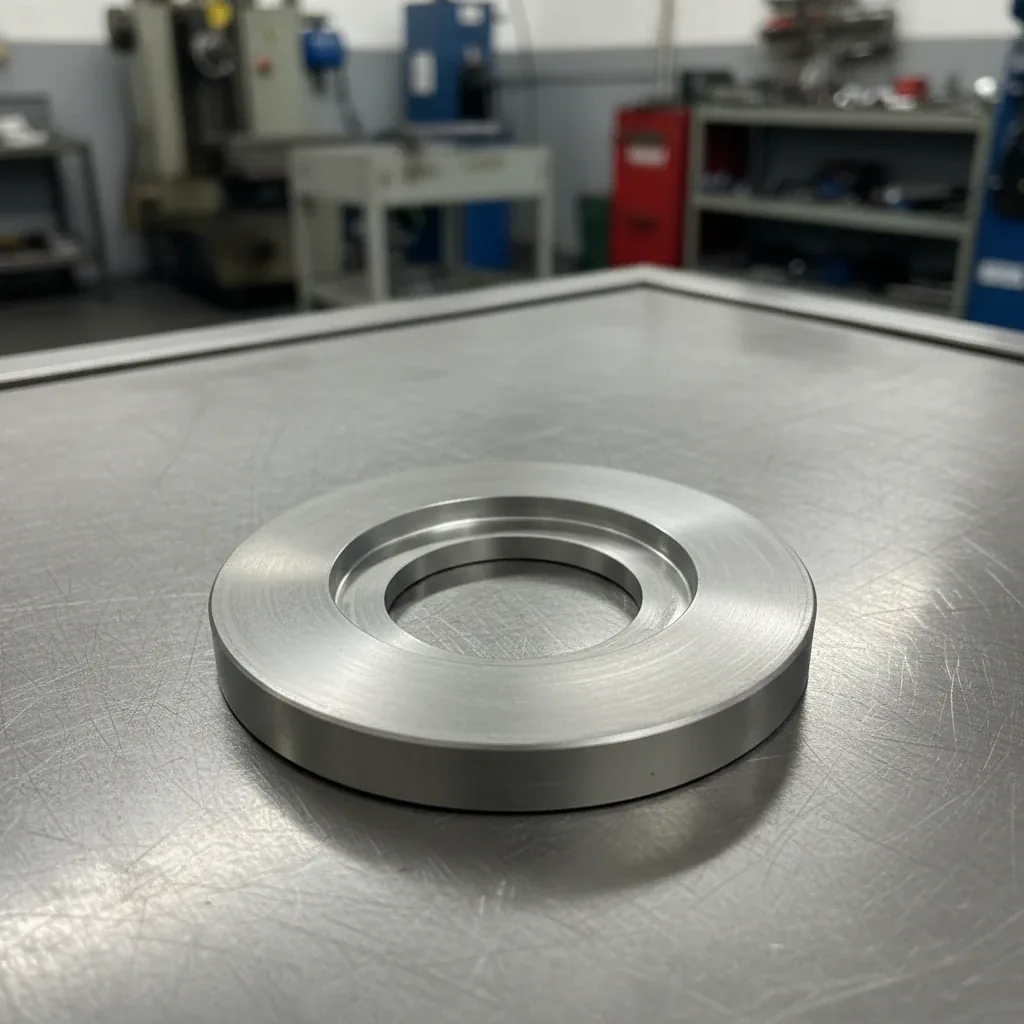
An annular disc surrounds a shaft, port or central fastener with a woven filtering ring.
Product details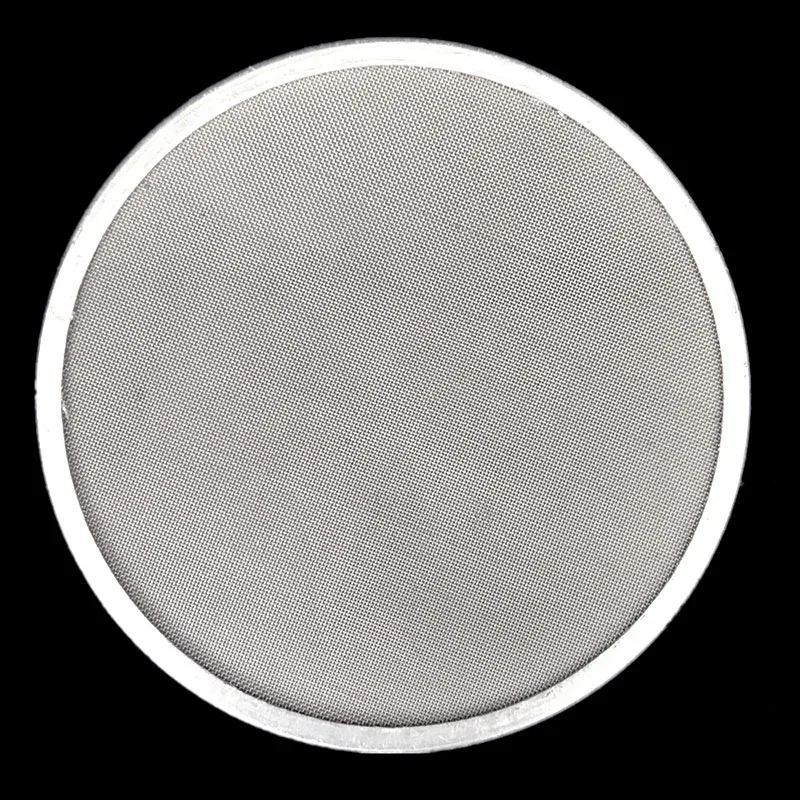
The rim captures cut wire ends and holds single or multilayer cloth in position.
Product details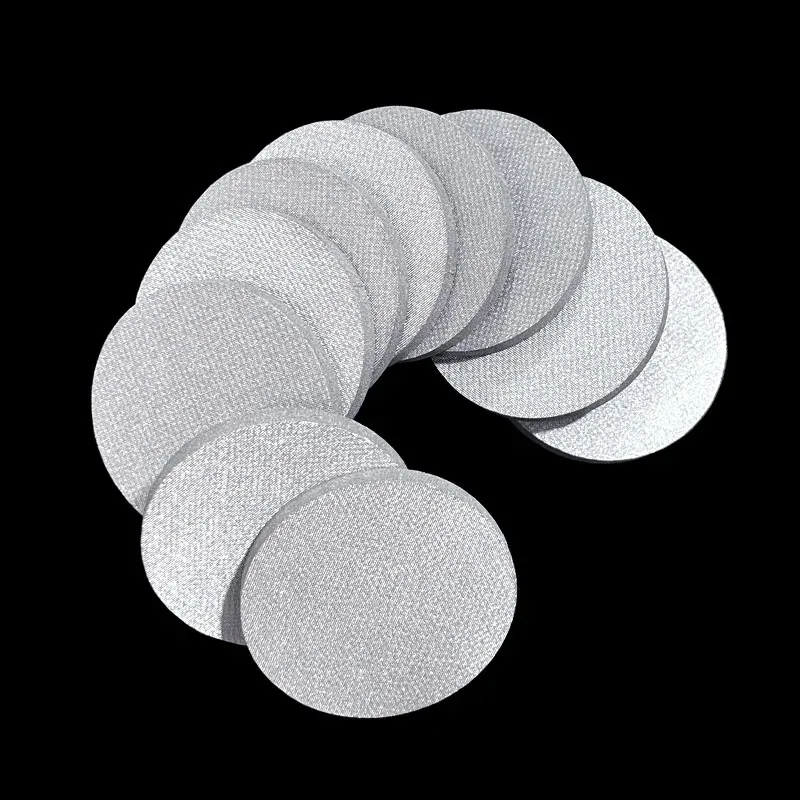
Sintered-mesh filter discs are rigid bonded laminates for defined openings and repeated handling.
Product details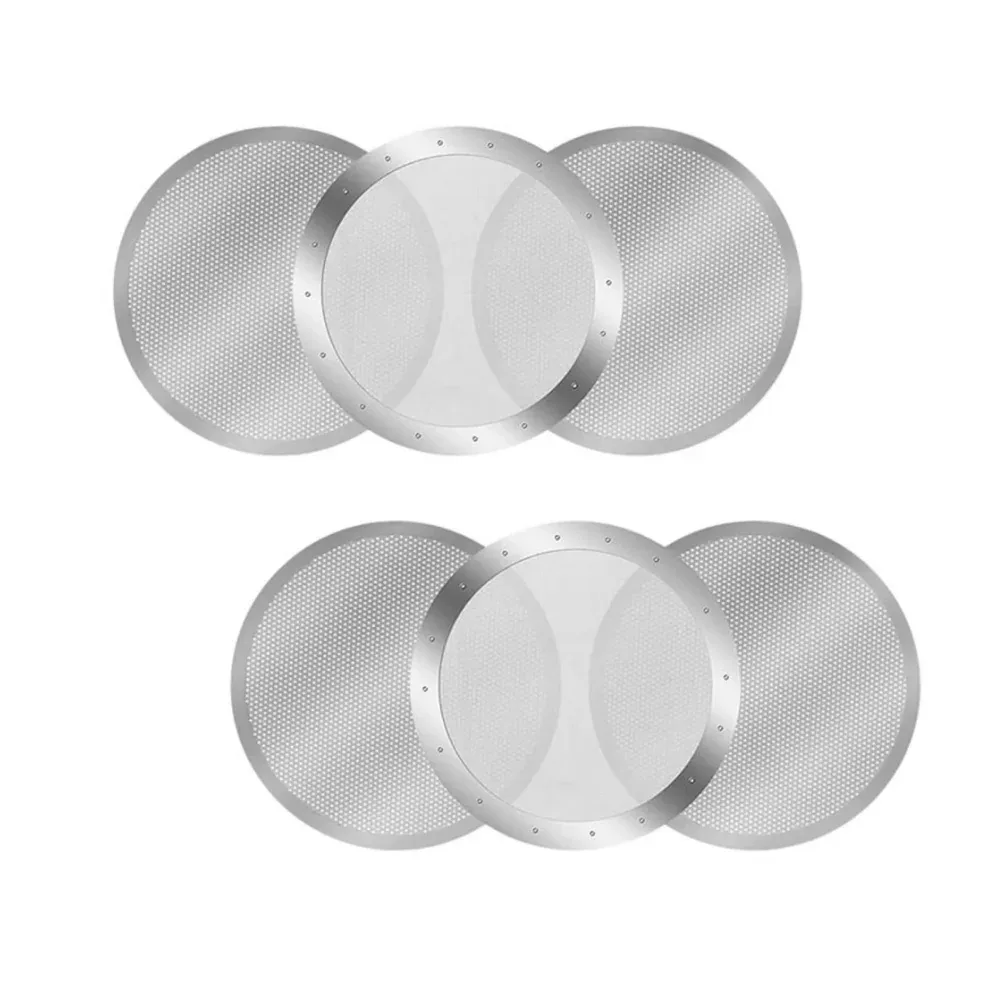
Locate the aperture field concentrically within the outside diameter.
Product details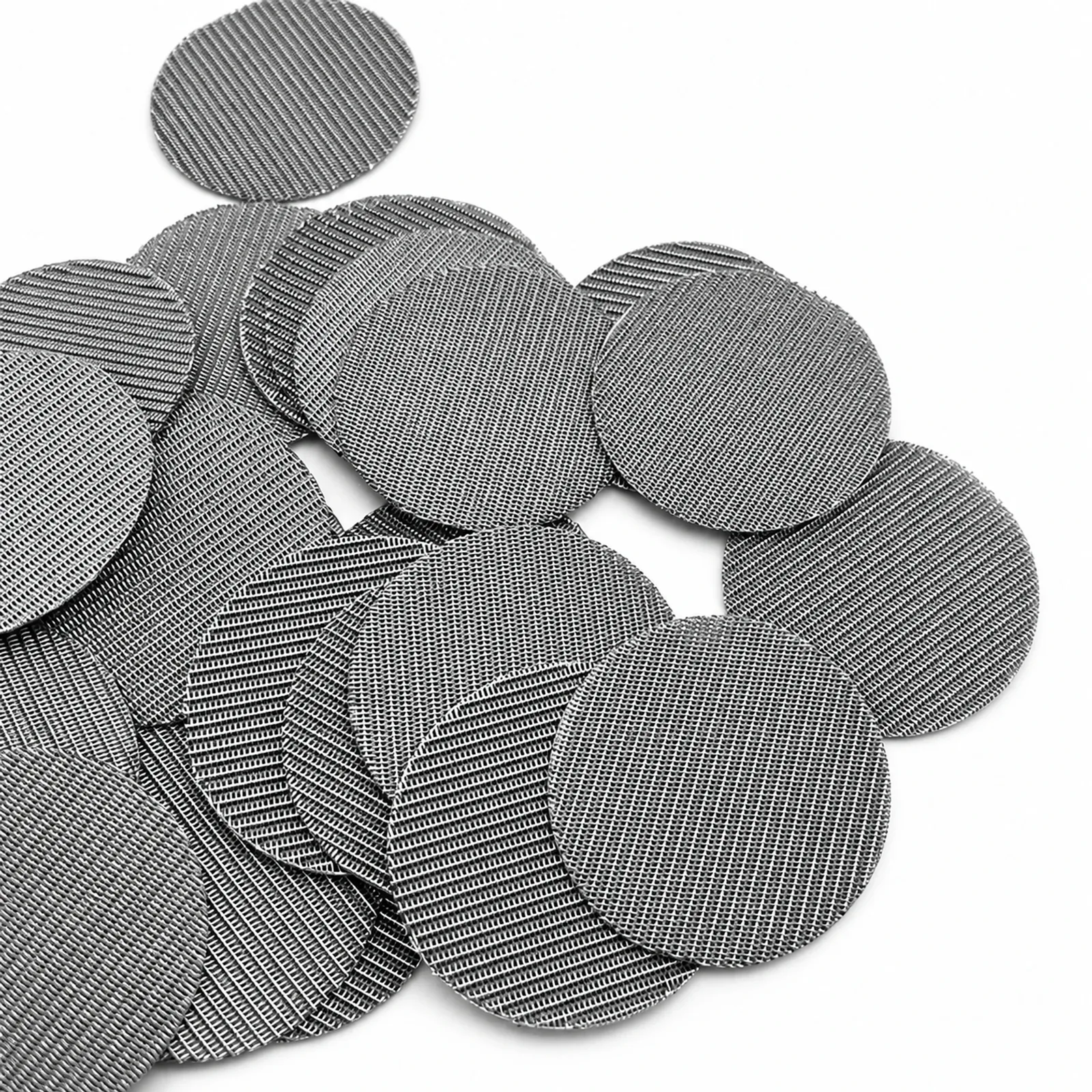
Five-layer sintered coffee discs in 51, 53.5 and 58.5 mm diameters, 50/100/150 µm grades, with seating, face orientation and cleaning details.
Product details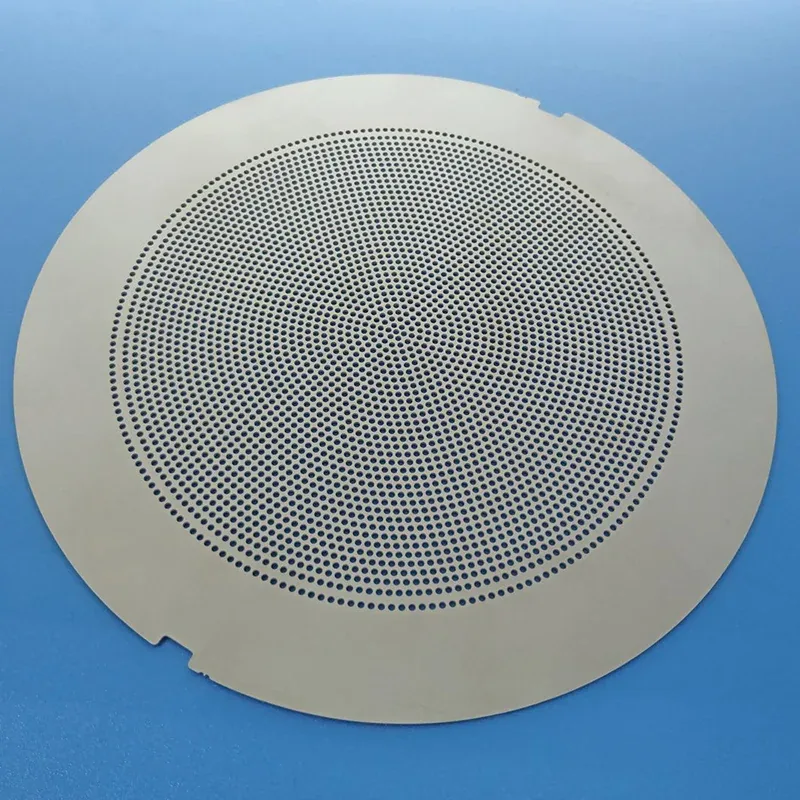
The stainless laser-drilled screen series pairs 120–800 µm holes with 1.5–2.0 mm plate for polymer-melt screening.
Product details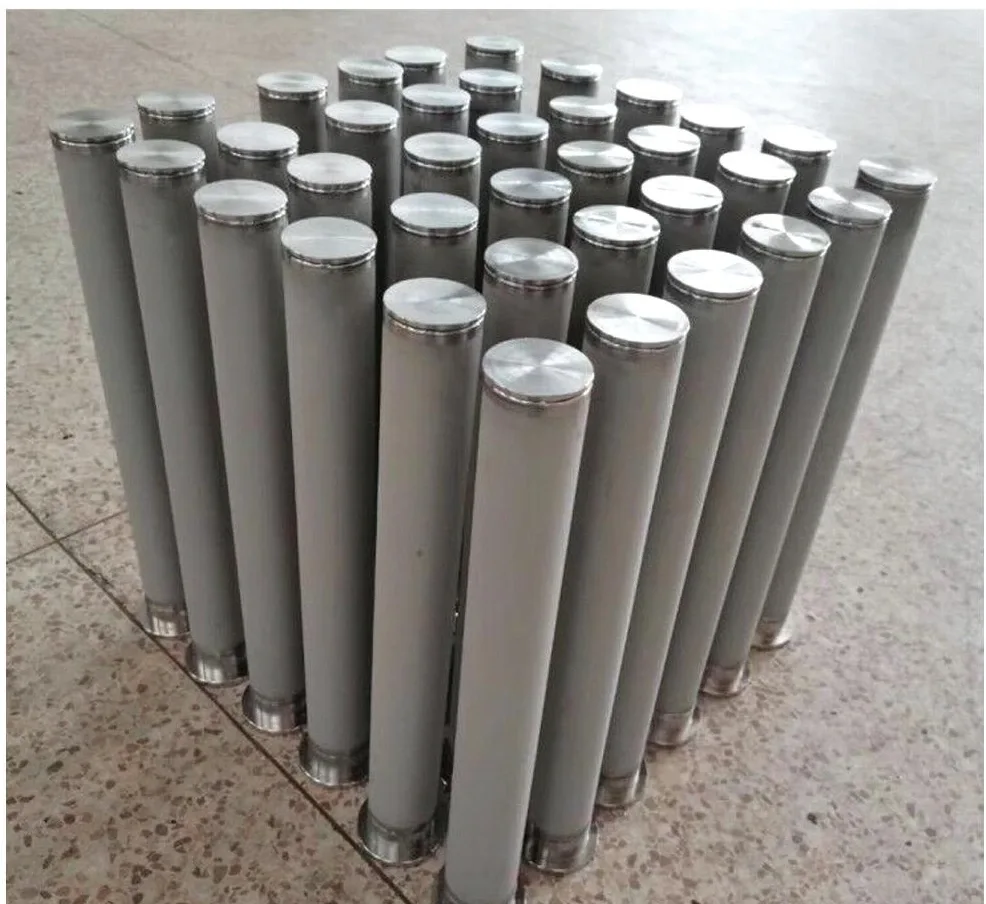
Rigid porous metal tubes, cups and discs made by compacting and sintering metal powder.
Product detailsMetal leaf discs combine two filtering faces, an internal drainage support and a central collection hub.
Product detailsClear filters
Flat wire-mesh discs, annular screens, edged inserts and cut profiles for compact seats, ports and screen holders. Select the opening and edge finish without sacrificing the usable area inside the seal.
| Construction | Application and fit | Confirm first | Find a product |
|---|---|---|---|
| Round filter discs | The housing retains one flat circular screen around its perimeter. | OD, media, layer build, edge condition and quantity. | Filter matching products |
| Annular screens | The installation requires a central opening and controlled sealing width. | OD, ID, concentricity, media and available sealing width. | Filter matching products |
| Edged and framed discs | The perimeter must retain layers or create a repeatable interface. | Finished dimensions, edge section, joining method and mating seat. | Filter matching products |
| Leaf-disc assemblies | Metal leaf discs combine two filtering faces, an internal drainage support and a central collection hub. Annular sintered-mesh elements stack around a central outlet for polymer melt filtration. | Match central bore, hub geometry, outer clearance and the axial clamping arrangement to the existing filter assembly. Separate overall diameter from usable annular area, edge closure and support footprints. | Filter matching products |
Define the disc geometry, filtering medium, layer arrangement, edge treatment, support and inspection requirements together.
For annular discs, specify OD, ID and concentricity. Include all locating holes and tabs.
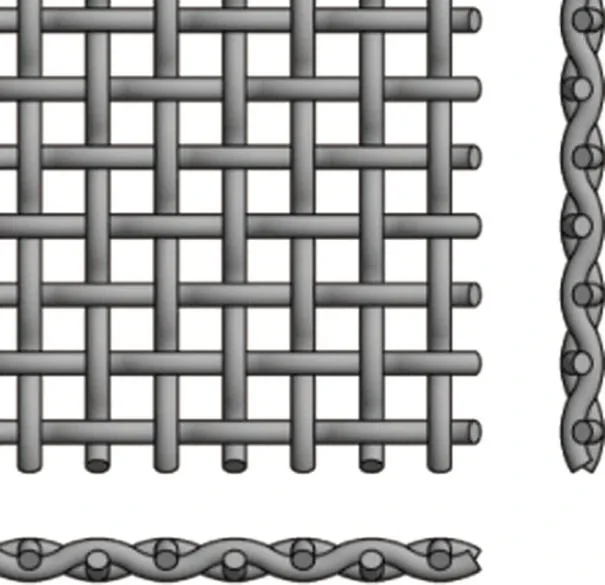
For square weave, aperture a = 25.4 / N - d, with a and d in mm and N in openings per inch.
Choose plain-cut edges for captured seats or a rim where handling and wire retention require it.
State the complete thickness of mesh layers and any rim, not just the nominal wire diameter.
Geometric aperture · nominal rating · absolute rating · named test method
Medium, viscosity, temperature, differential pressure, cleaning method
Use the holder drawing to connect a dimensional check with the part of the filtration boundary it controls.
| Interface | Specify on the drawing | Effect in the assembly | Finished-part check |
|---|---|---|---|
| Outside outline | Diameter or controlled profile; locating datum | Positions the disc inside the pocket | Profile, burr condition and fit |
| Inner opening | Diameter, concentricity and inner seating width | Aligns the passage and closes the inner boundary | Cutout position and retained inner edge |
| Peripheral joining | Rim width, weld positions and total edge thickness | Retains layers within the clamping land | Layer capture and edge thickness |
| Backing and active field | Exposed opening, backing contact and flow direction | Supports the medium across the working span | Face orientation, flatness and clear opening |
Construction
The outside profile locates a disc in its holder; the exposed filtering field controls where the fluid crosses the medium. Draw both boundaries. A clamping land, folded rim or frame occupies part of the overall diameter, and the holder opening sets the usable flow window. On an annular disc, the centre opening introduces a second perimeter: define its diameter, concentricity to the outside profile and contact with the inner seat. This keeps the filtering field aligned with the equipment passage.
Specify the backing on the side that receives the pressure load. A coarse screen or perforated holder supports the fine layer across the open span, while the contact pattern determines where that layer remains exposed. Include the direction of normal flow and any reverse cleaning flow on the section drawing. For a rigid sintered disc, the face orientation, thickness and seating flatness join the same assembly definition; the nominal micron grade describes the chosen medium.
Outline and medium are separate choices. A circular, annular or shaped part can use a single woven layer, a retained multilayer stack or a bonded sintered structure. List each layer and its position before defining the outer edge. Spot welds hold the specified layers together during handling; a rolled rim encloses the perimeter and provides a repeatable gripping or seating surface. Place joining features and their thickness within the mounting land shown on the drawing.
For repeat orders, control the finished outline, inner cutouts, overall thickness and condition of both cut edges. Check that the medium reaches the entire active opening, that the retained layers remain registered and that the edge fits its holder without lifting the working face. Pack thin screens flat with their grade and layer sequence identified. Extruder screen packs use a separate inlet-to-outlet layer schedule matched to the breaker plate; that assembly information accompanies the disc outline.
Filter discs and cut screens
Cut screens serve wherever a flat element has to drop into a housing, stack in a changer or seal between faces.
Removable mesh inserts for liquid passages and inspection ports.
Screens intercept debris before narrow flow restrictions.
Single discs serve as defined layers in larger screen packs.
Check the finished outline, edge retention and sealing contact to direct flow through the specified medium.
Measure OD, ID, holes and profile against the seating geometry.
Check loose wires, burrs, rim closure and layer alignment.
Check the weave, wire diameter and opening in both cloth directions.
Inspect the exposed medium together with the inner and outer edge retention. The finished screen covers the holder opening with the specified support and layer arrangement.
Filter discs and cut screens
Select wire diameter and clear opening together; mesh count alone does not define either aperture or flow area.
Read guide→Distinguish geometric aperture from a particle-retention rating when specifying a disc.
Filter rating, aperture and beta ratio→Choose weave, wire diameter and support arrangement before fixing the cut-disc construction.
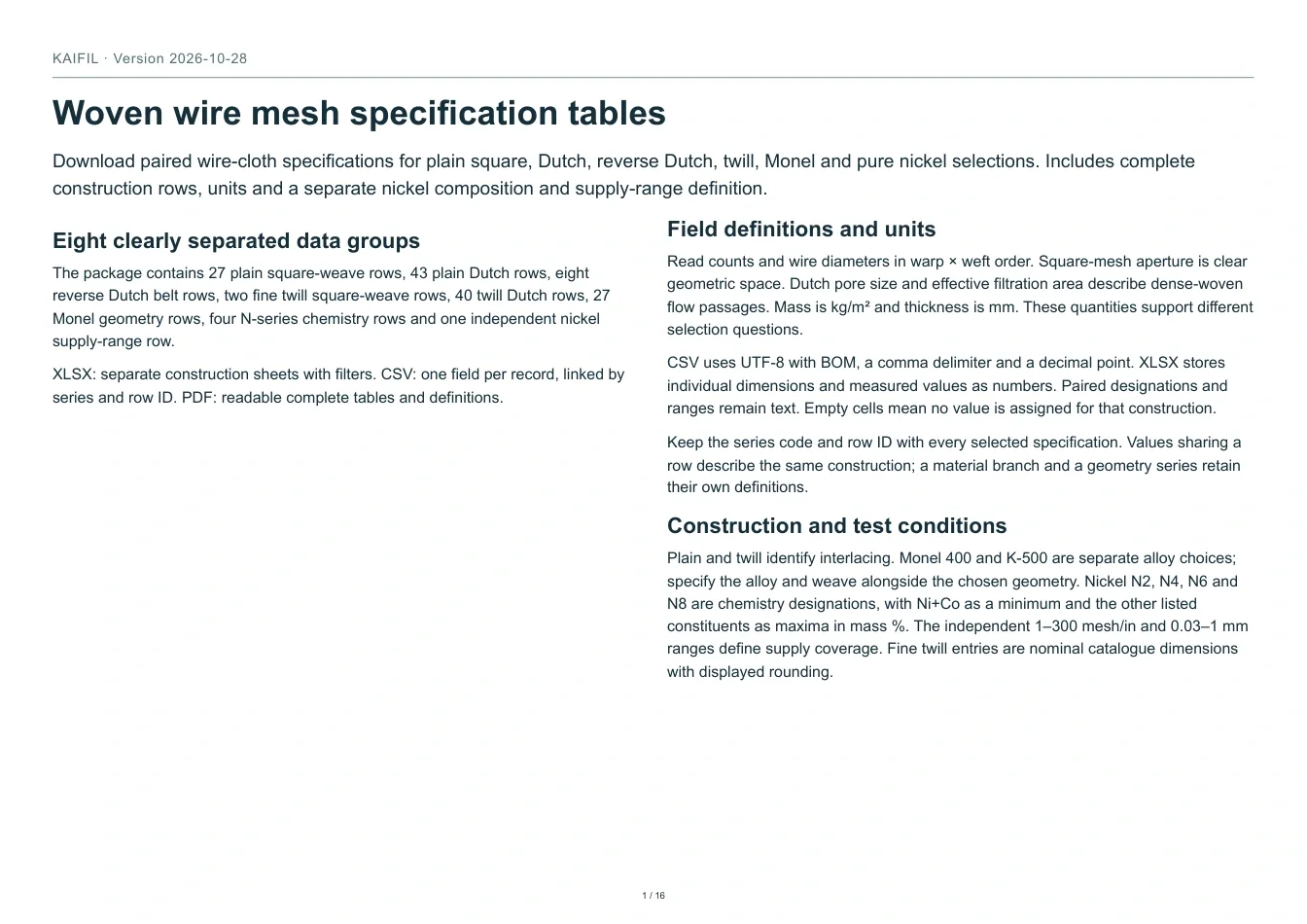
Plain, Twill, Dutch and Reverse Dutch Mesh Structures Compared→Use mesh-count, wire-diameter and aperture tables to write an unambiguous material specification.
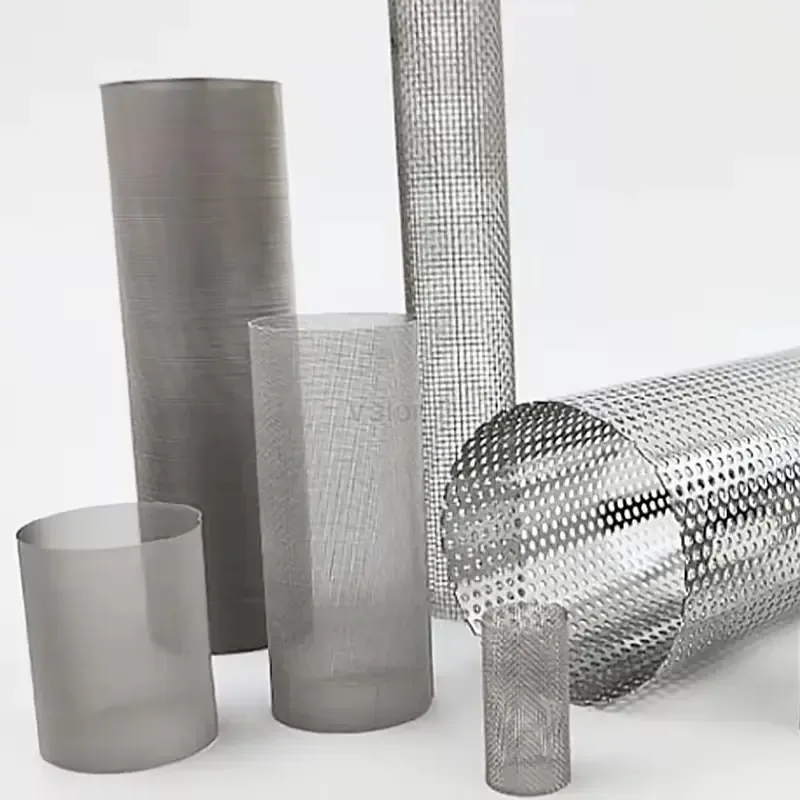
Woven wire mesh specification tables→Choose cut edges, spot-joined layers, retaining rims and cylinder seams by their assembly task. Define the active opening, clamping land, layer retention and bypass boundary on one finished-part drawing.
Wire Mesh Edges, Retaining Rims and Seams→Filter discs and cut screens
No. With 0.10 mm wire, 100 openings per inch gives a nominal square aperture of 0.154 mm, or 154 µm. A different wire diameter produces a different aperture.
Use a rim when screens are repeatedly handled, several layers must remain registered, or cut wires need containment. A rim must still fit the holder thickness and sealing land.
The perimeter must match its seat and keep the filtering layer captured. Specify OD, flatness, gasket or rim geometry and the clamping load or housing detail.
Specify outside and inside diameters, their concentricity, thickness, the inner and outer seating widths, and the direction of flow. The section drawing shows which surfaces clamp, support and seal the medium.
List the medium, wire and aperture for each layer in flow order, then define the joining method and finished stack thickness. A rim or spot weld retains that declared construction; the filtering grade belongs to its control layer.
Define the dimensions, media, joints and inspection records before confirming the order.