
Kaifil
Technical Articles
Read practical guidance on mesh aperture, metal filter construction, materials and inspection before preparing a specification.
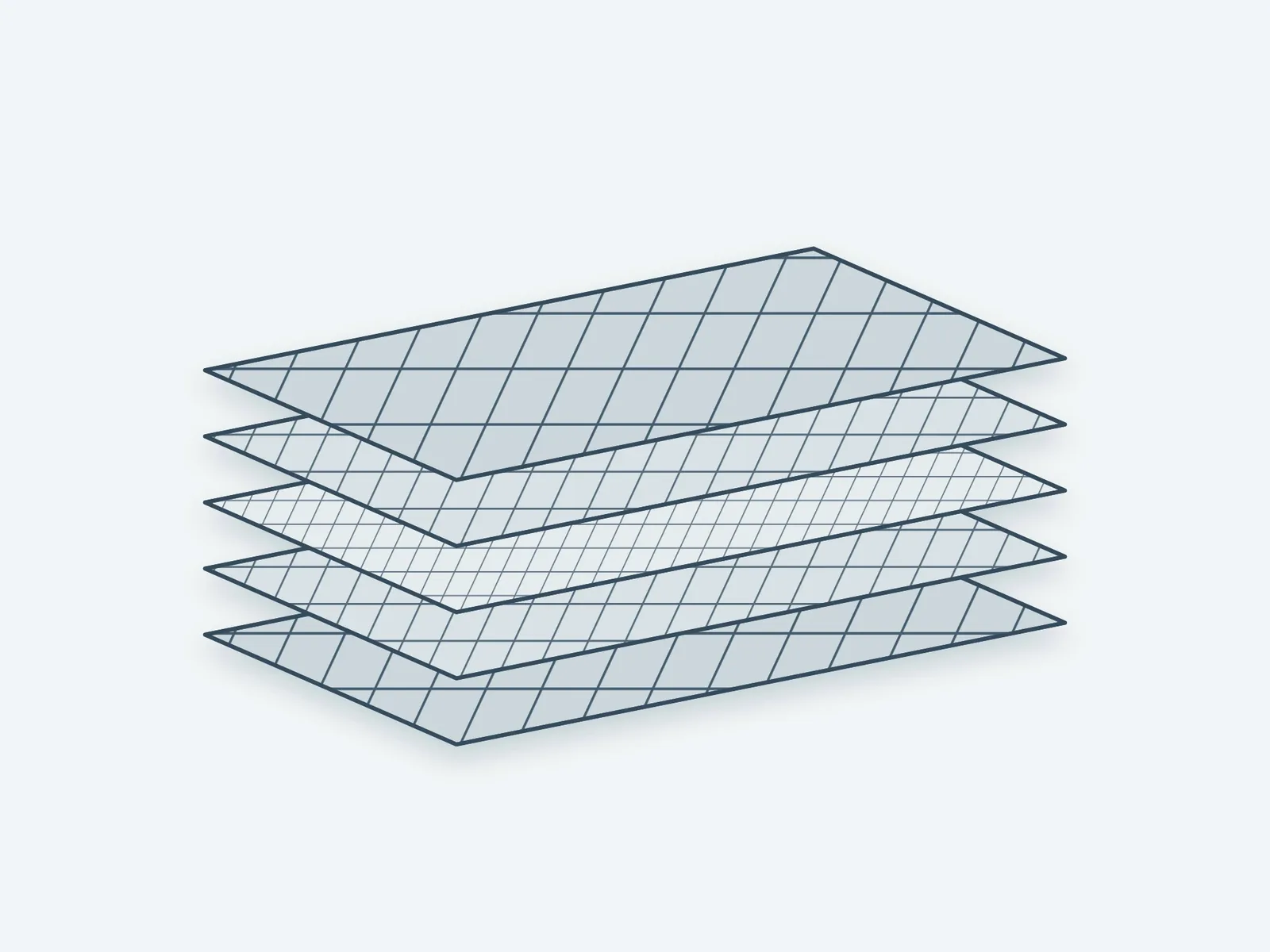
Start with these guides
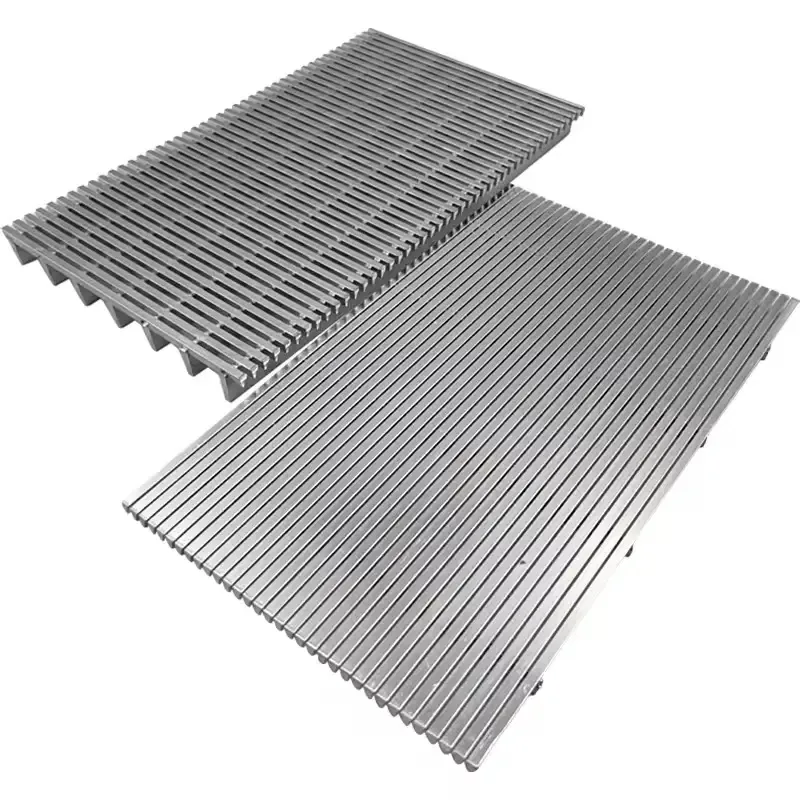
Wedge wire slot selection
Set slot width, profile and support arrangement for the direction of flow and solids being retained.
View details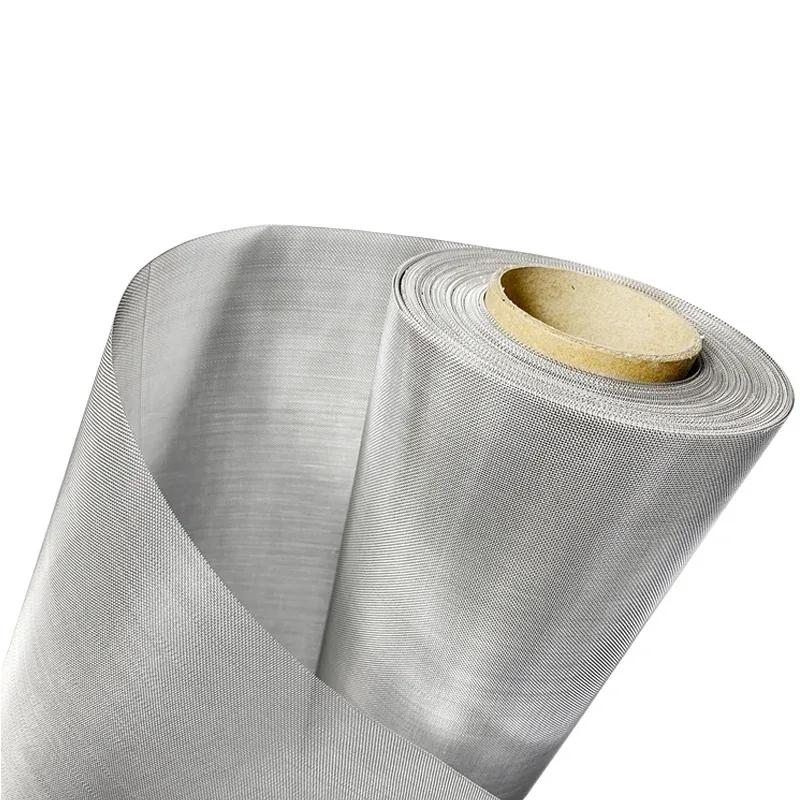
Filter rating, aperture and beta ratio
How to compare woven openings, porous-media claims and test-rated filter elements without treating every micron number as equivalent.
View details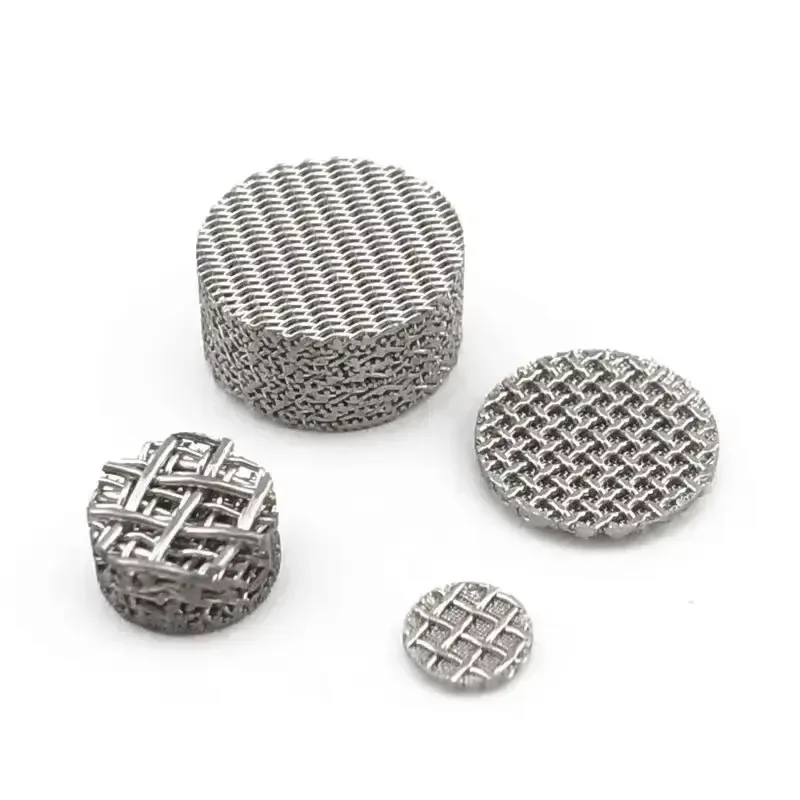
How to specify a custom metal filter
A useful metal-filter specification answers five questions: what the filter must separate, how it fits the equipment, what loads and chemicals it will see, how it will be cleaned, and how the finished part will be accepted.
View detailsHow to specify a custom metal filter
A useful metal-filter specification answers five questions: what the filter must separate, how it fits the equipment, what loads and chemicals it will see, how it will be cleaned, and how the finished part will be accepted.
View detailsFilter rating, aperture and beta ratio
How to compare woven openings, porous-media claims and test-rated filter elements without treating every micron number as equivalent.
View details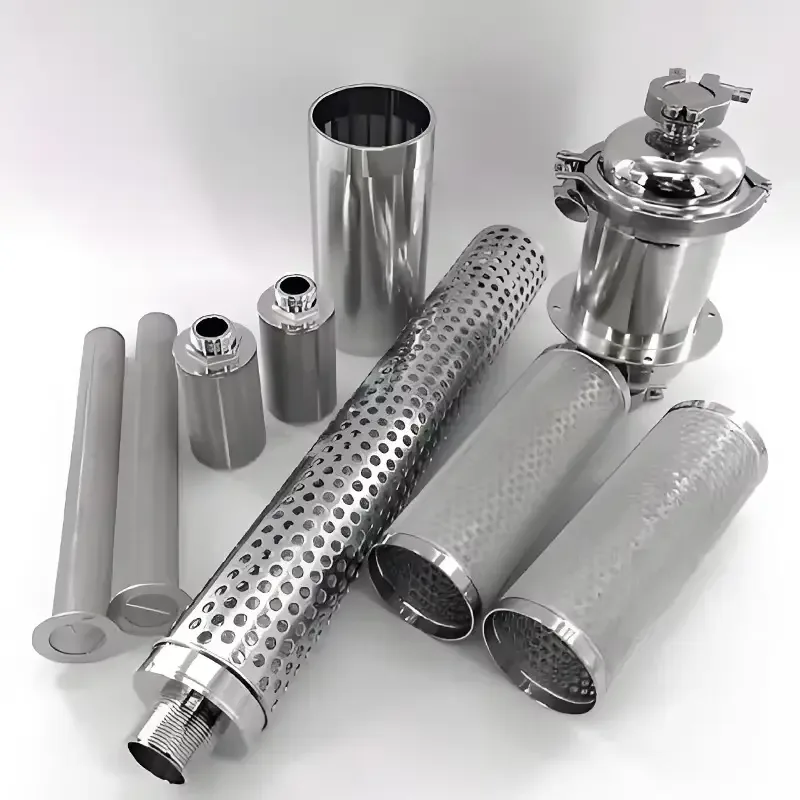
Cleaning reusable metal filter elements
Plan a cleaning trial around contaminant, media construction and joint integrity before declaring a metal element reusable.
View details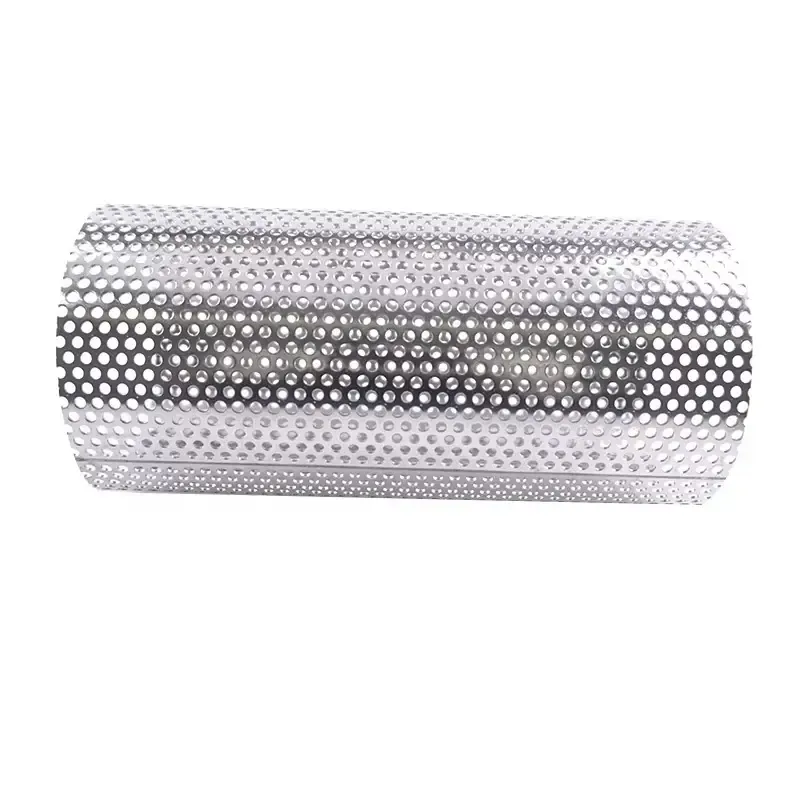
Perforated open area and structural support
Calculate theoretical opening area, then check ligaments, support spacing and installed coverage.
View detailsWoven mesh aperture and open area
Select wire diameter and clear opening together; mesh count alone does not define either aperture or flow area.
View details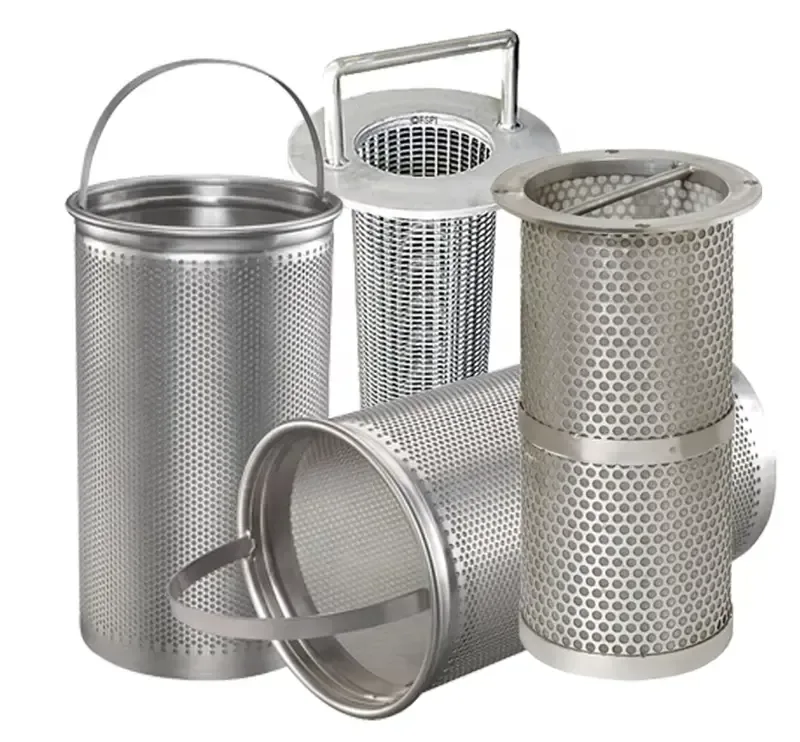
Strainer area, pressure drop and maintenance
Specify a basket or cone strainer from debris duty, available area and planned cleaning access.
View detailsWedge wire slot selection
Set slot width, profile and support arrangement for the direction of flow and solids being retained.
View details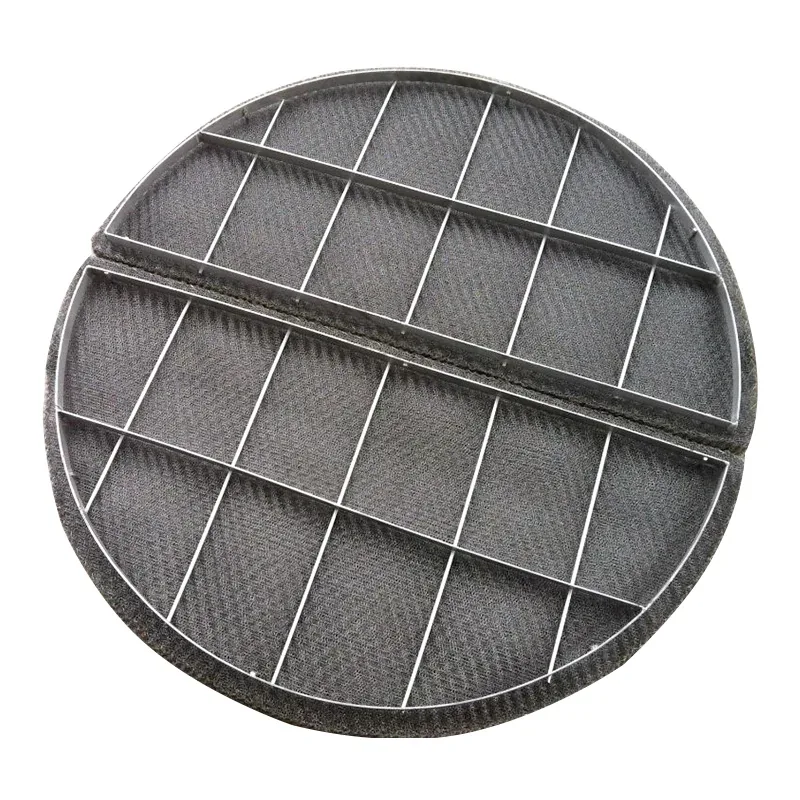
Demister pad sizing inputs
Record the process conditions needed to specify knitted-mesh mist eliminator pads and their support grids.
View details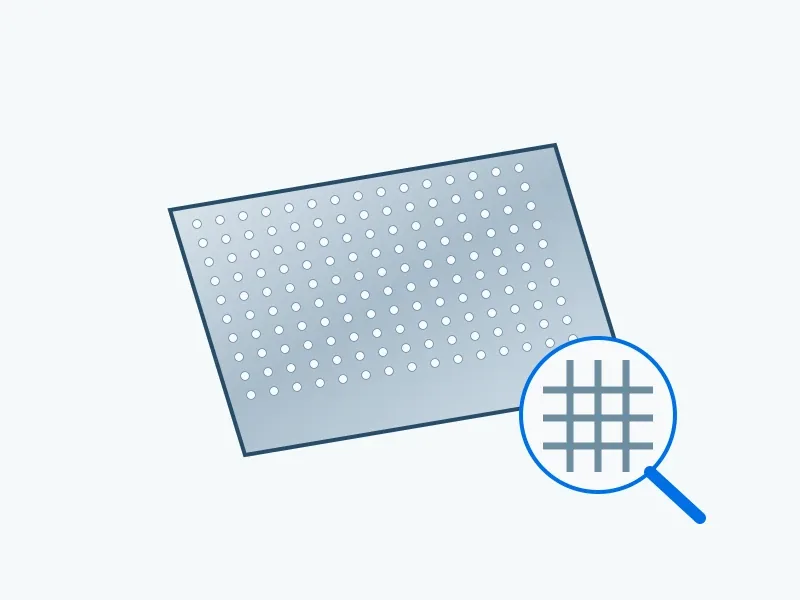
Etched, laser-cut or electroformed screens
Choose a precision-screen process by feature geometry, sheet thickness, alloy and handling needs.
View details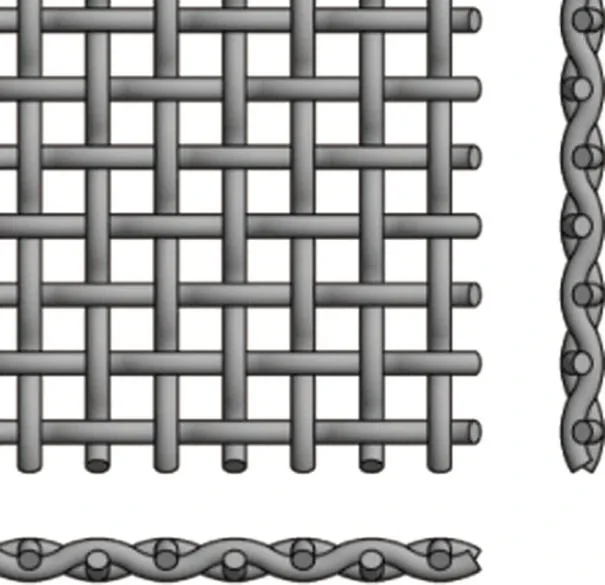
Plain, Twill, Dutch and Reverse Dutch Mesh Structures Compared
Compare five woven metal mesh structures by wire path, pore geometry, support and fabrication.
View details
Sintered Mesh, Fiber Felt and Metal Powder: Structure and Selection
Choose a sintered metal medium by its pore network, support, forming route and cleaning cycle.
View details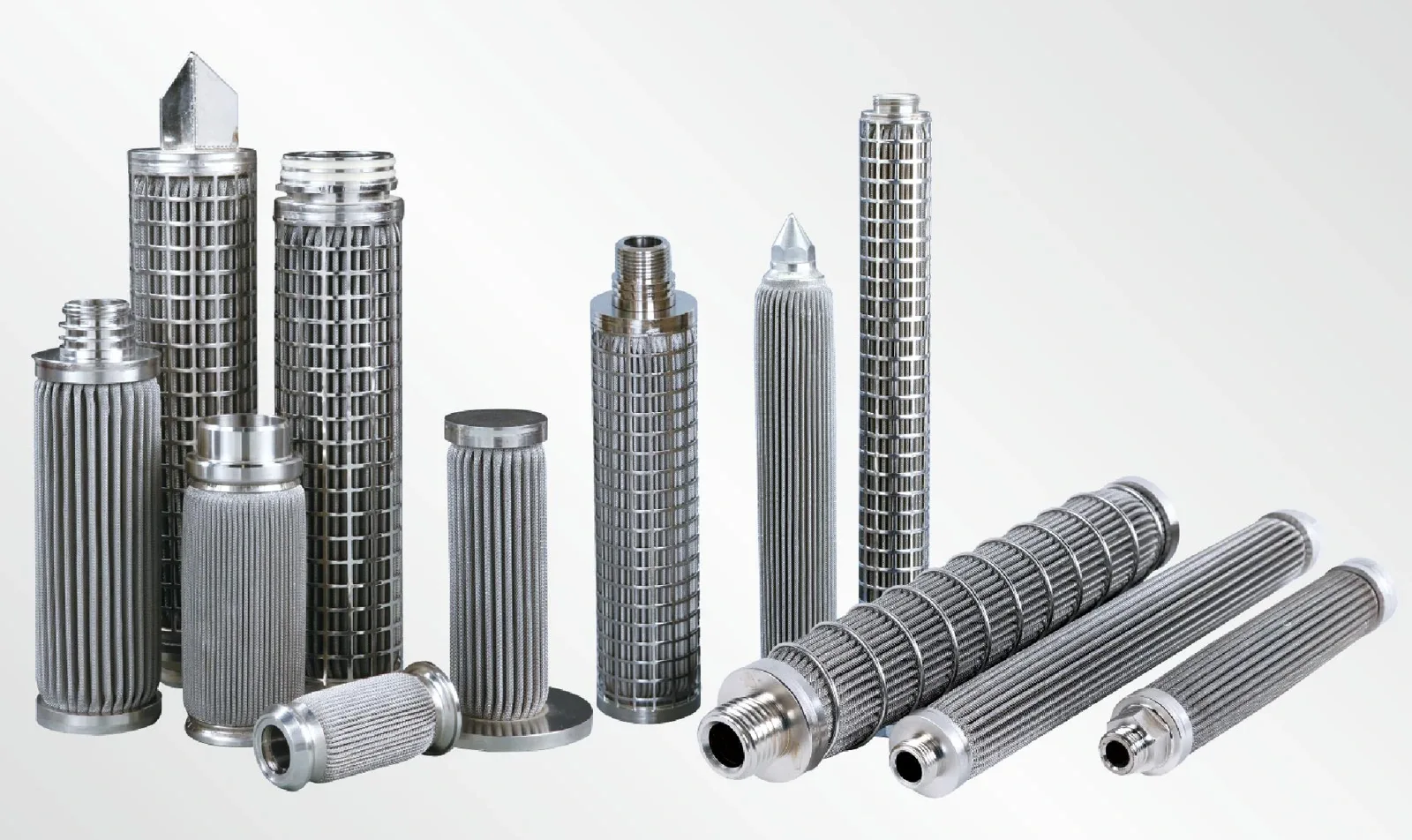
Metal Filter End Connections: DOE, SOE, 222, 226, Threads and Flanges
Define the filter-to-housing joint by its sealing surface, locating feature and load path.
View details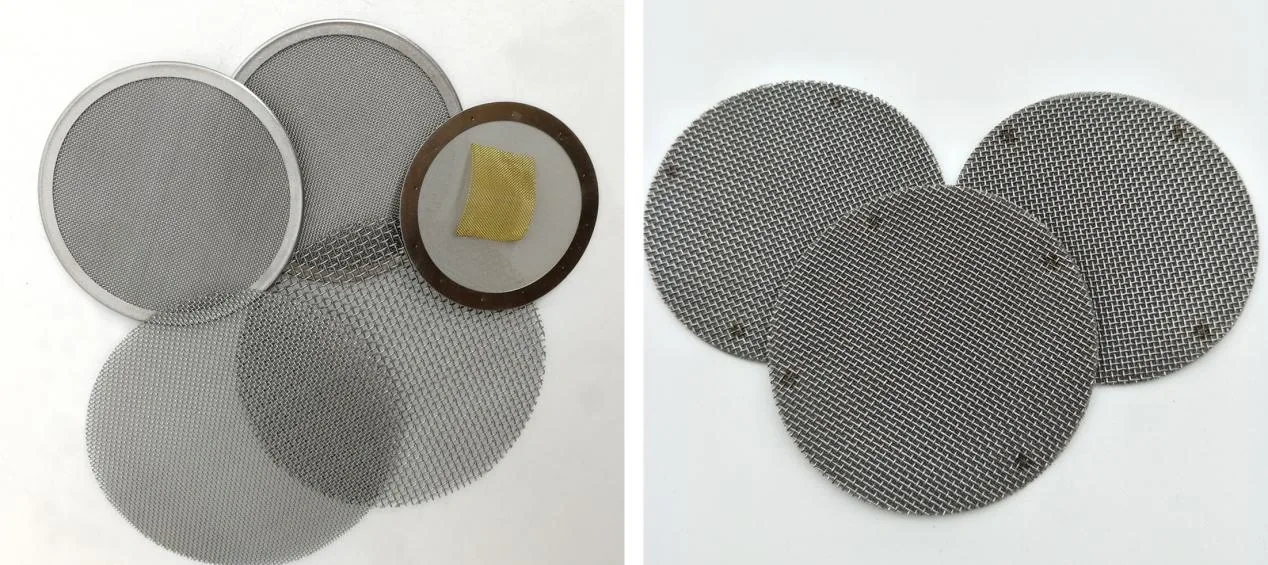
Wire Mesh Edges, Retaining Rims and Seams
Choose cut edges, spot-joined layers, retaining rims and cylinder seams by their assembly task.
View details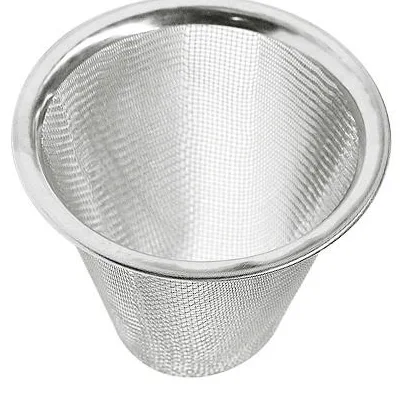
Formed Mesh Filter Cups: Shape, Rim and Installation
Compare deep-drawn cups, domed screens and flanged mesh cups by their mounting geometry.
View detailsNo matching resources.