
Drawing-based manufacturing
Parts are manufactured against approved drawings and agreed specifications.
Kaifil
Manufacturer of custom stainless steel filter cartridges, cylinders, discs, screen packs, and strainer baskets built precisely to your drawings. Special metal alloys are available.
By product form
Start with the installed shape and equipment interface.
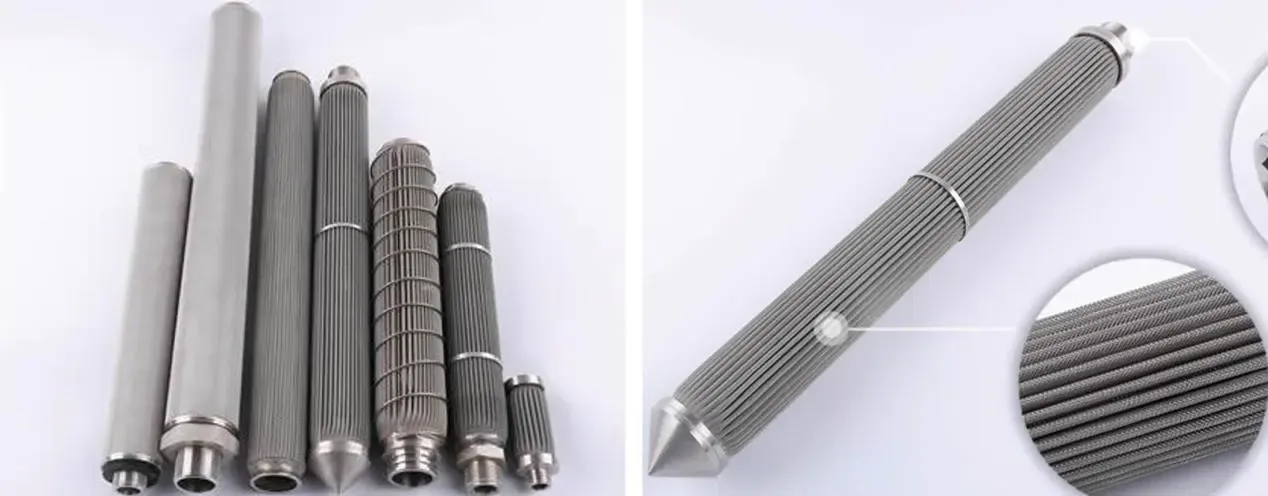
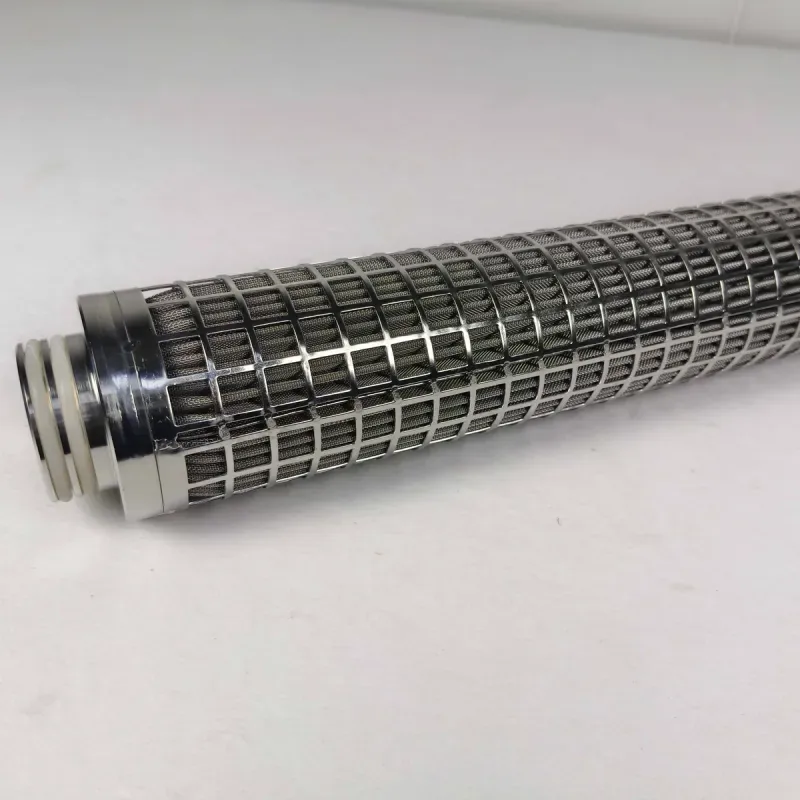
All-metal filter cartridges in pleated woven mesh, bonded sintered mesh and sintered metal fiber felt. Stainless-mesh configurations cover 2–840 µm and nominal lengths of 4⅞–40 in, with DOE, 222, 226 or threaded ends. Media construction, support and end sealing are specified together for the housing and cleaning cycle.
View details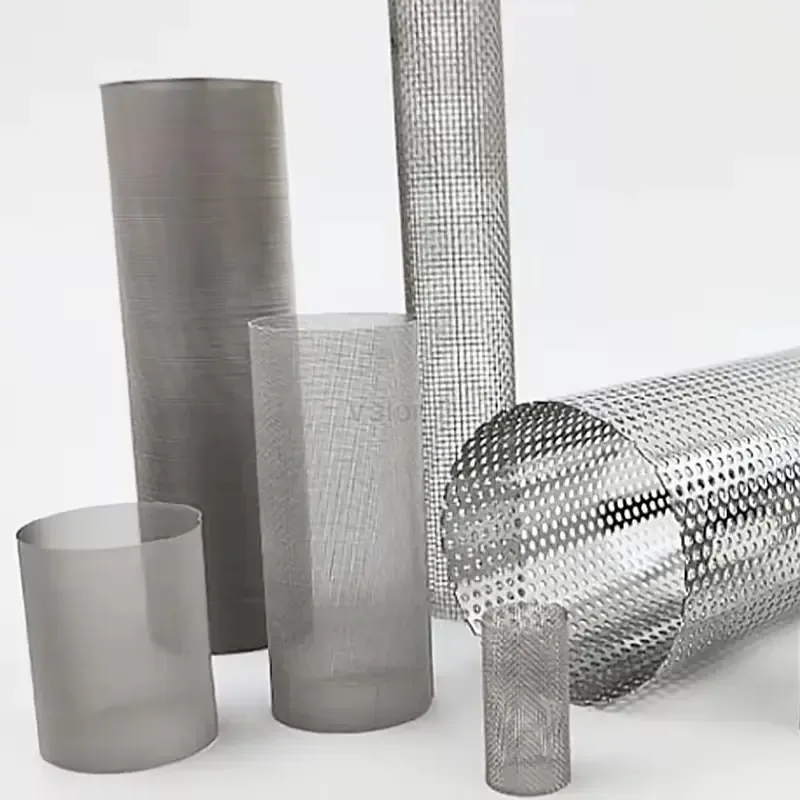
Custom woven-mesh cylinders, perforated support tubes and wedge-wire screen cylinders for equipment inserts and replacement assemblies. Define the filtering wall, support, longitudinal seam, end condition and flow direction as one finished tube assembly.
View details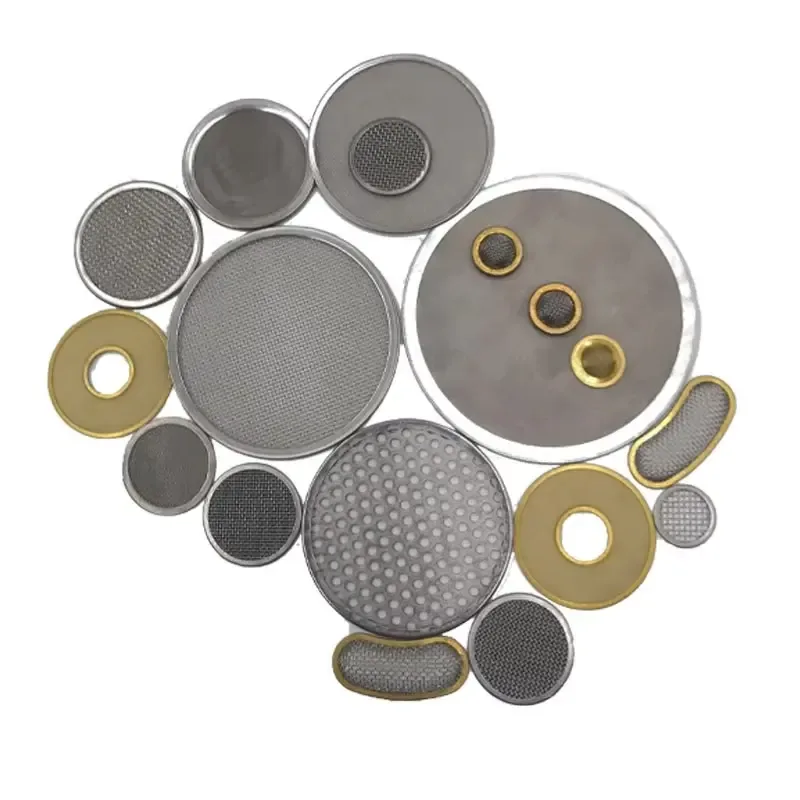
Filter discs and cut screens in woven wire mesh, sintered mesh, perforated sheet and precision foil, with round, annular and drawing-defined outlines. Multilayer mesh-disc configurations cover 10–580 mm diameter, 3–200 µm media grades and 3–5 layers. The filtering medium, support, edge finish and mounting land form one specified assembly.
View details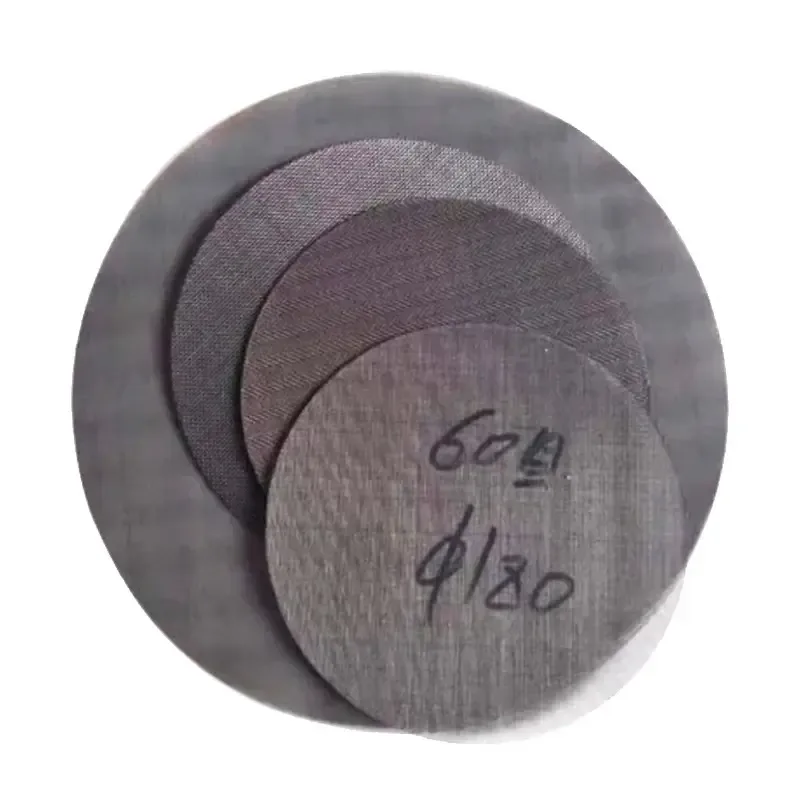
Replaceable screen packs for polymer-melt filtration, from loose and spot-welded stacks to rimmed and diffusion-bonded assemblies. Layer sequences include 20/40/20 and 40/80/200/80/40 mesh. Each pack is defined by the inlet-to-outlet layer schedule, wire and aperture, support, finished thickness and screen-changer interface.
View details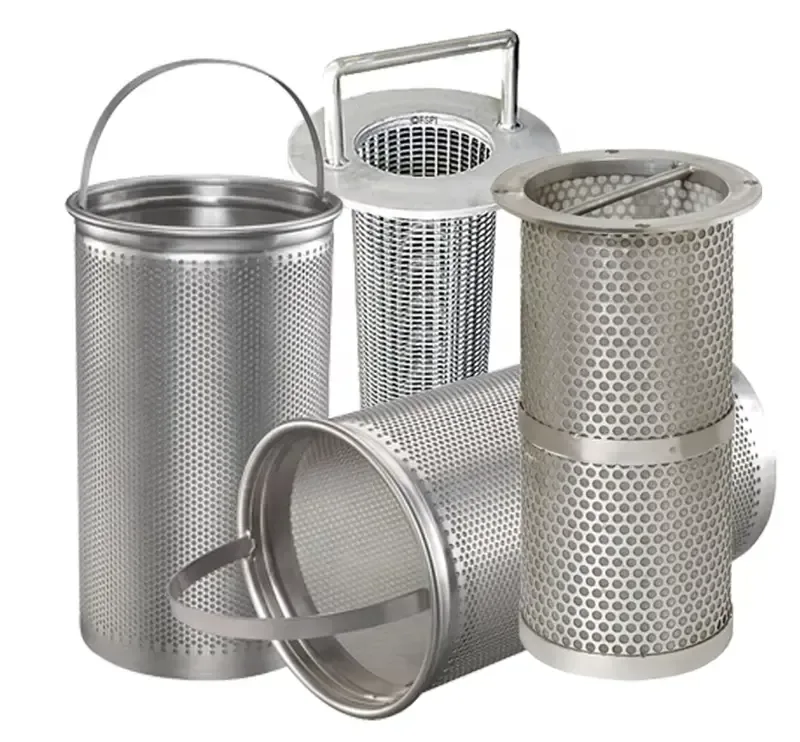
Custom strainer baskets with perforated, woven-mesh-lined or wedge-wire walls. Match the seating rim, basket body, closed bottom and removal handle to the housing; select the filtering surface and support for the process fluid and flow direction.
View details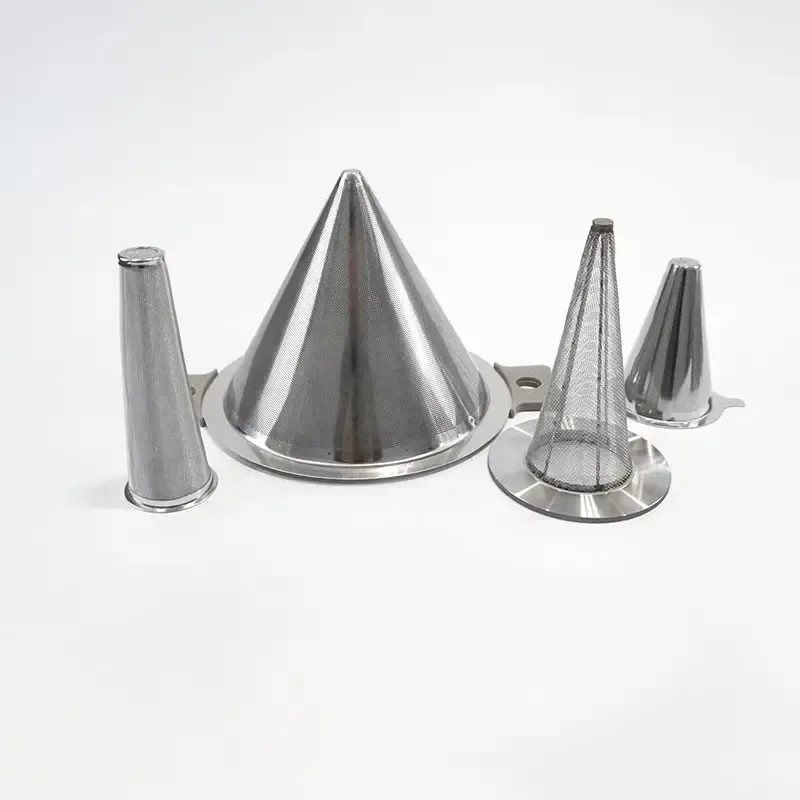
Pointed cone, truncated cone and flat start-up strainers capture construction debris during pipe flushing and commissioning. We manufacture the perforated support, optional fine-mesh lining and retaining ring as one installation-specific assembly, with the flow direction and removal clearance defined on the drawing.
View details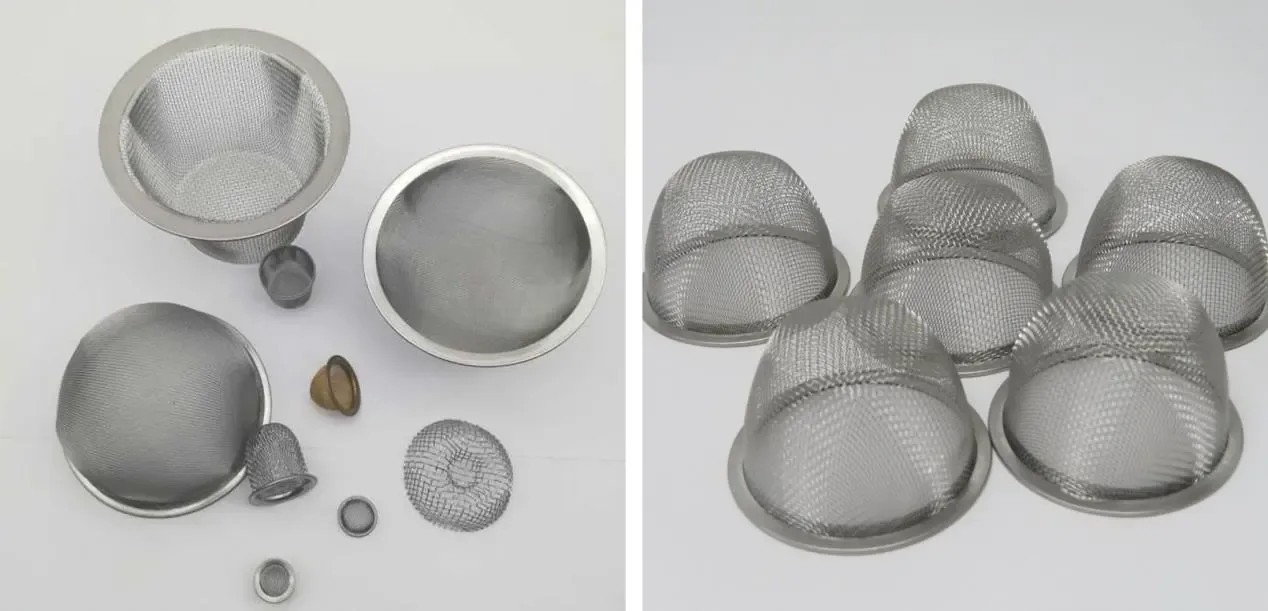
Formed metal mesh cups, flanged inserts and domed screens protect compact fluid passages. We match the finished mouth, seating rim and filtration surface to the port geometry, combining the selected mesh with a support layer where the assembly carries a directional flow load.
View details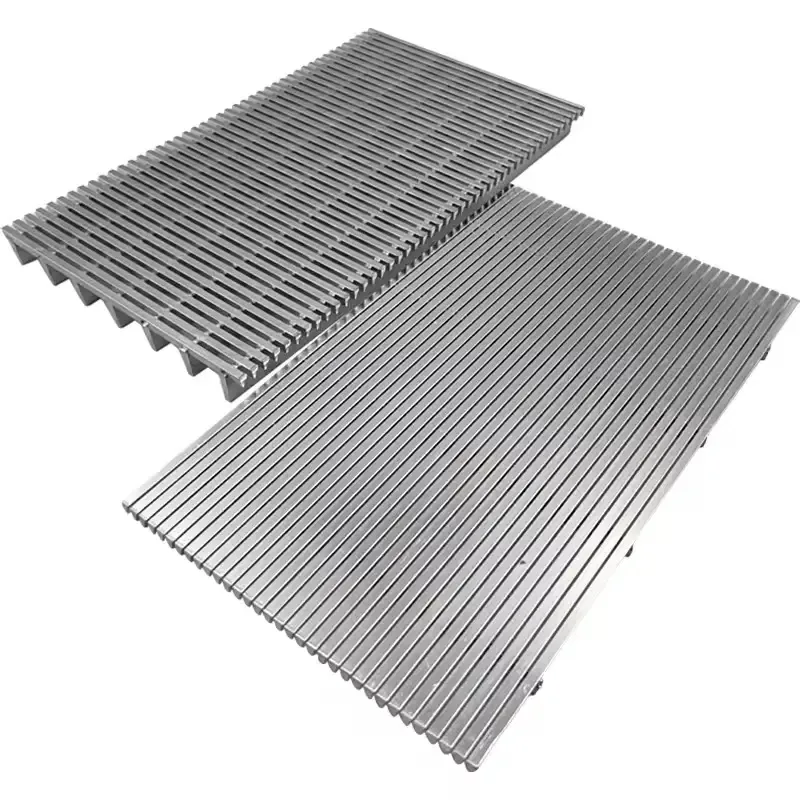
Flat and curved metal screen panels combine a defined screening surface with its frame, edge restraint and rear supports. Woven mesh, perforated plate, wedge wire and laser-slotted panels are made to the machine opening, working face and replacement method.
View details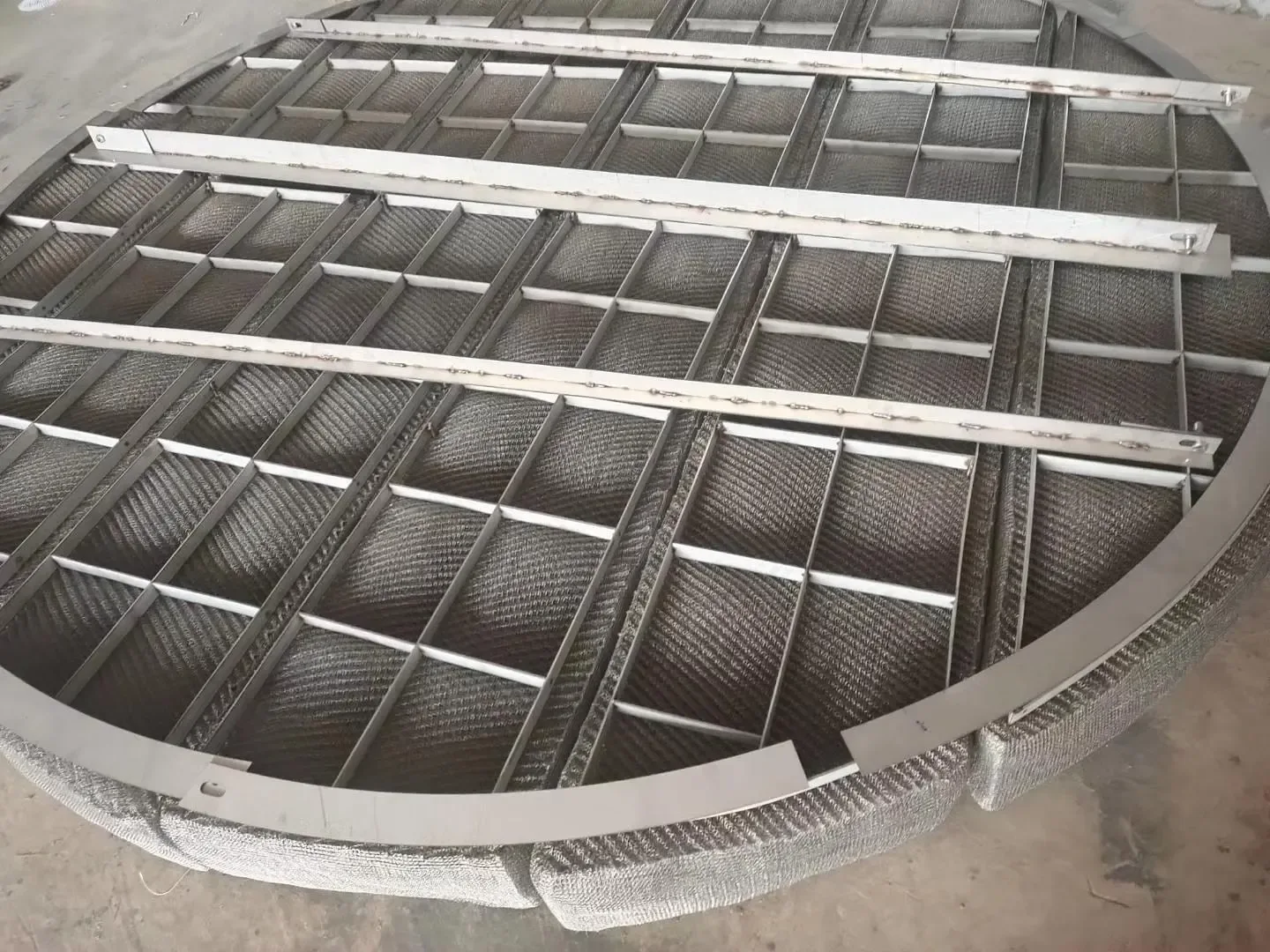
Knitted wire-mesh demister pads collect entrained liquid droplets from gas and provide a drainage path for the coalesced liquid. Complete pads, manway-sized segments and compressed knitted-mesh blocks each have a defined geometry, support and operating function.
View detailsA closer look at Kaifil metal filtration components and manufacturing.
A closer look at Kaifil metal filtration components and manufacturing.
Why Kaifil
The filtering surface, support and installation interfaces share one approved manufacturing basis.
Parts are manufactured against approved drawings and agreed specifications.
Wire mesh, perforated metal, sintered media, wedge wire and fabricated assemblies.
Sample, first-article and repeat-order arrangements are reviewed for the individual part.
Dimensions, media, assembly and documentation follow the confirmed order scope.
By media and technology
Compare the filtering surface, support and manufacturing route.
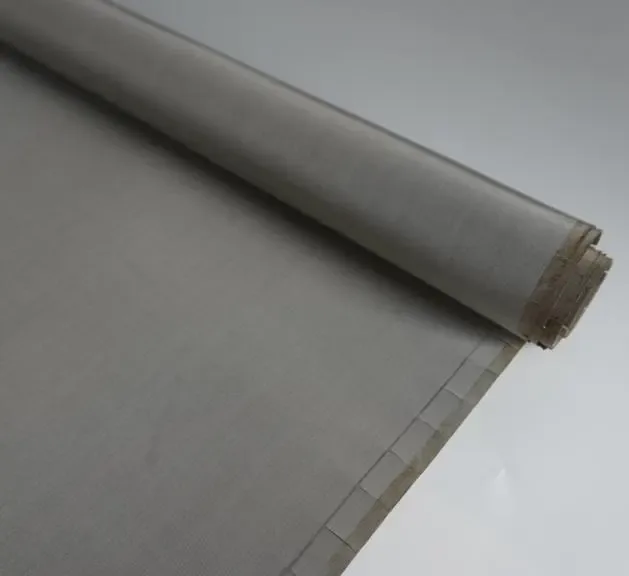
Metal filtration media in full-width rolls, slit strips, sheets and cut blanks for filter manufacture. Define woven cloth by its complete wire and weave specification, sintered mesh by bonded layer construction, and metal-fibre felt by grade, thickness and test basis; match the delivery format to the next fabrication operation.
View details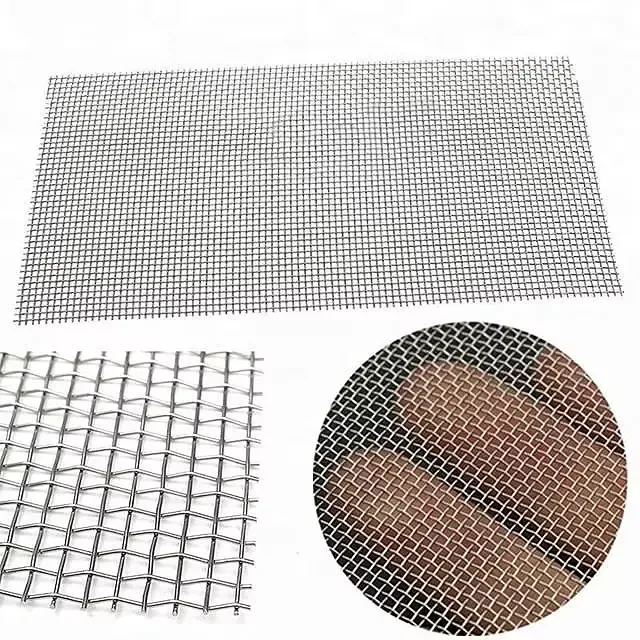
Industrial woven wire mesh in plain and twill square weaves, plain and twill Dutch weaves, and reverse Dutch filter belts. Select the weave and paired wire geometry, then the alloy, supply format and fabrication route.
View details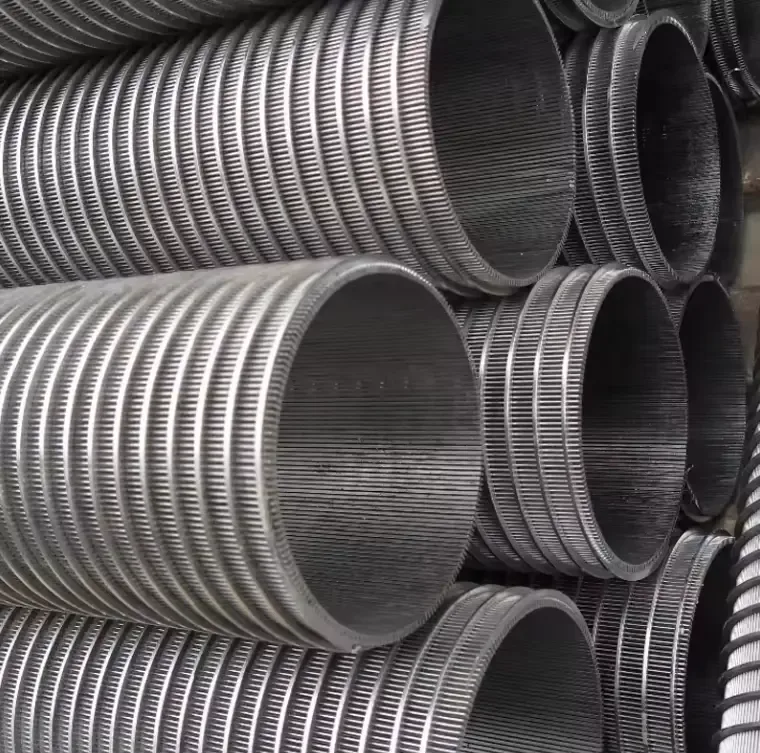
Wedge wire screen panels, cylinders and baskets combine a defined slot with a welded profile-wire support structure. Match the working face, slot direction, exposed area and support span to separation, drainage or equipment protection.
View details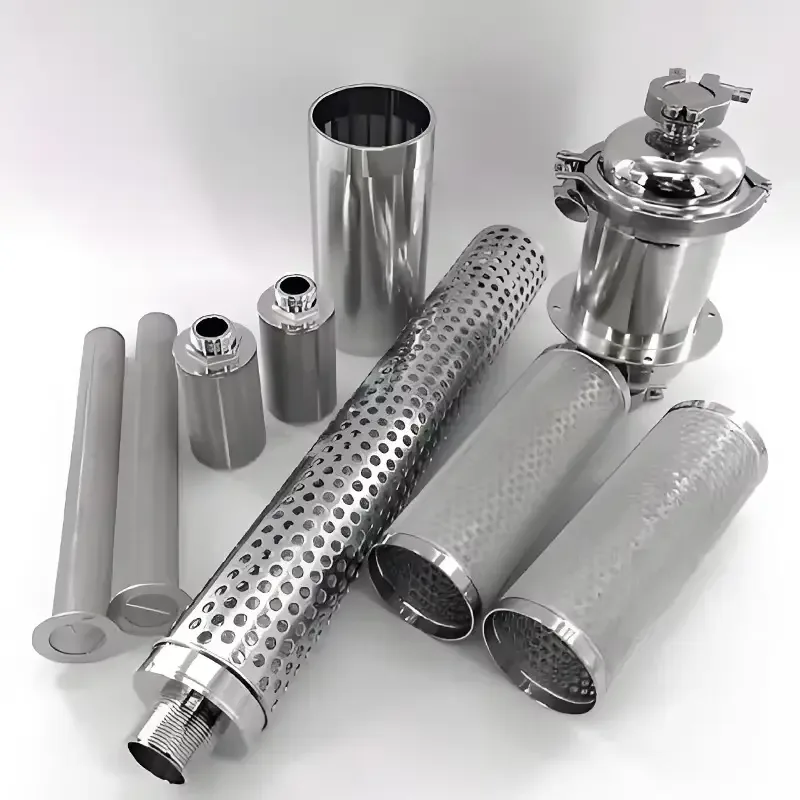
Sintered wire mesh, metal fiber felt and sintered-powder media are supplied as sheets, discs and cartridges. Specify pore structure, filtration grade, thickness, support and end connections with the test conditions and cleaning acceptance.
View details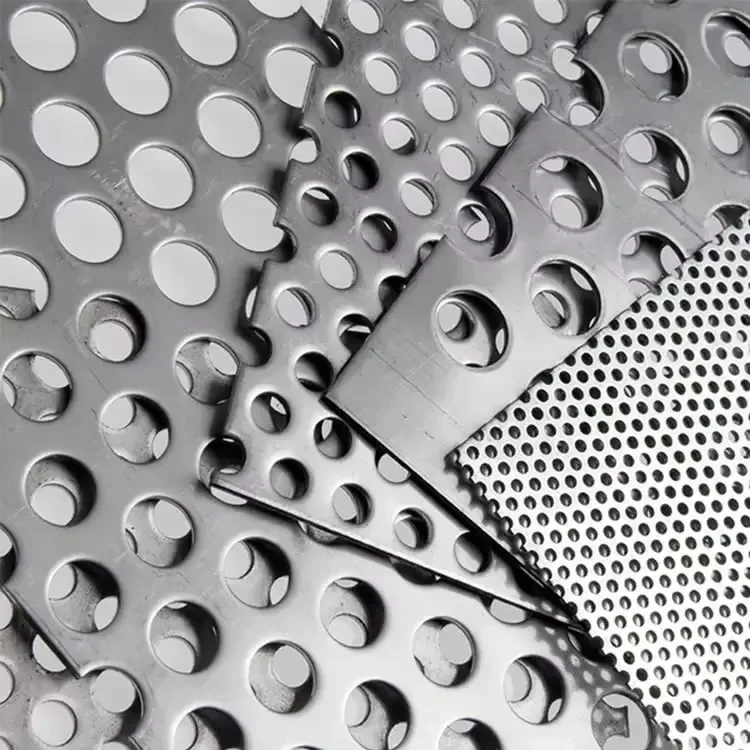
Perforated panels, support cores and removable baskets use a controlled hole pattern in formed metal sheet. Specify the hole field, solid margins, support span and finished shape for screening, media support and strainer service.
View details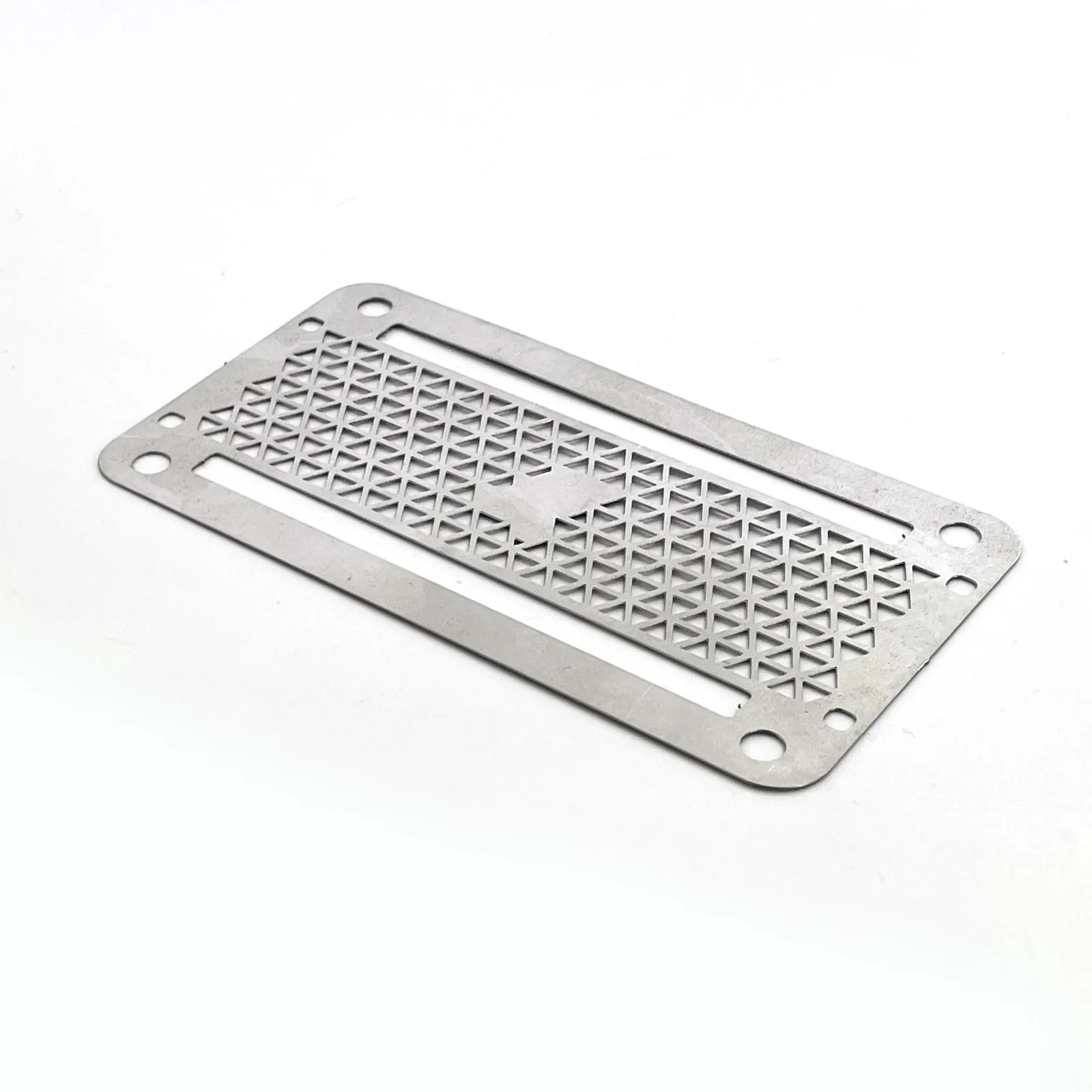
Kaifil manufactures laser-perforated and slotted metal screens as discs, flat panels, framed screens and tubes. Programmed aperture patterns combine filtration, flow distribution and mounting features in one component.
View details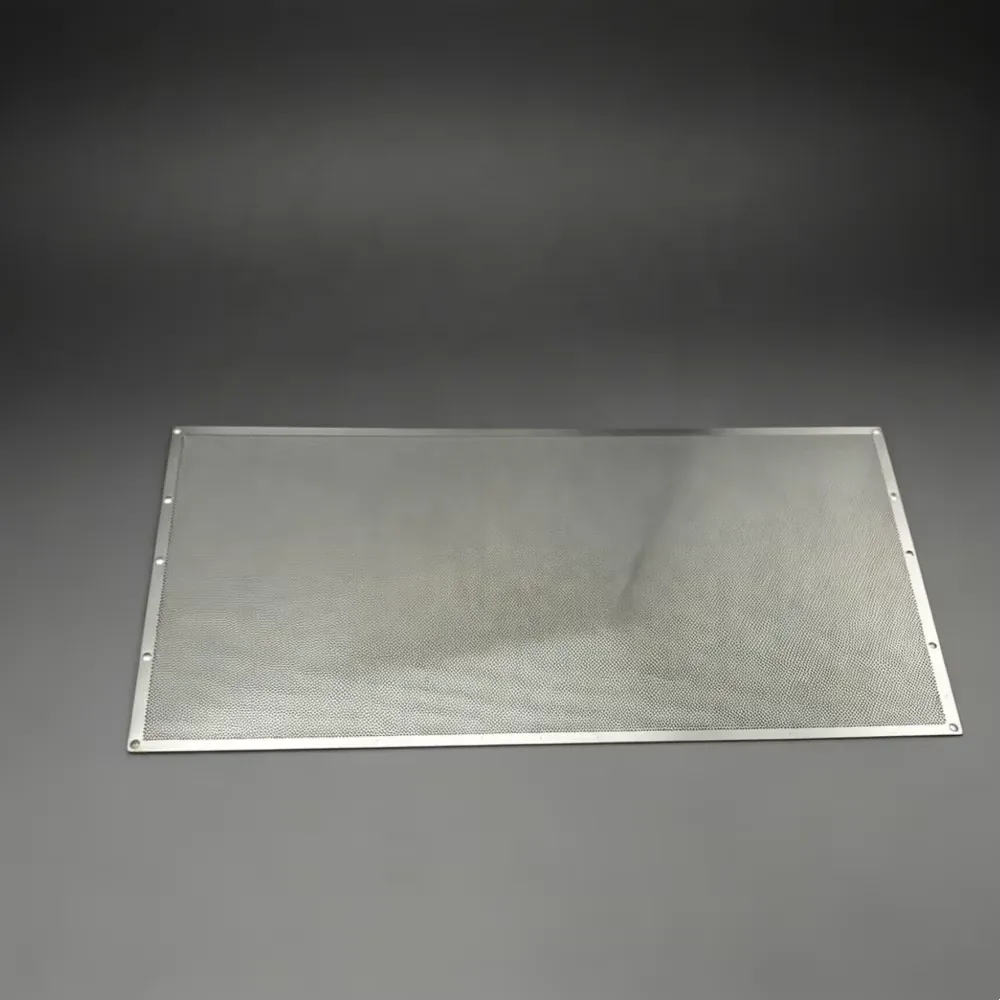
Kaifil manufactures photo-etched stainless steel screens and electroformed nickel screens as flat foils, discs and patterned OEM components. Custom aperture fields, solid borders and mounting features are integrated into the finished outline.
View detailsSelect stainless steel, duplex stainless steel, nickel alloys or pure nickel for woven mesh, sintered media and fabricated filter components. Compare grades, chemistry and service conditions, then connect the material to the filter construction.
View detailsExamples of filter elements and custom filtration components manufactured by Kaifil.
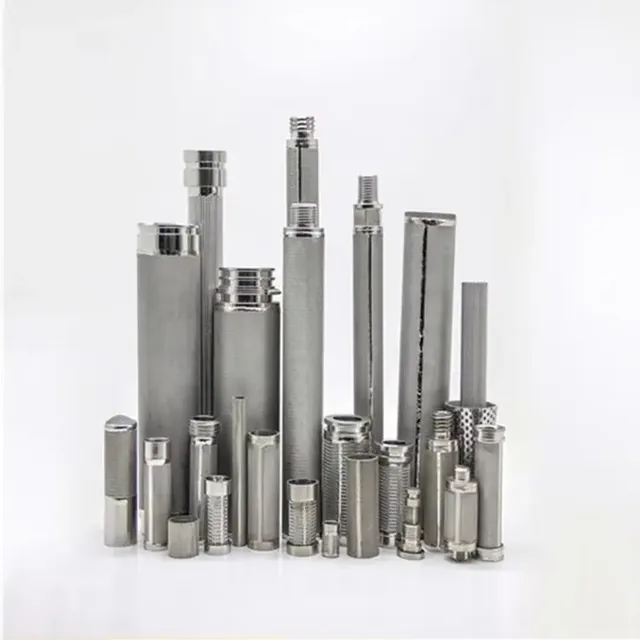
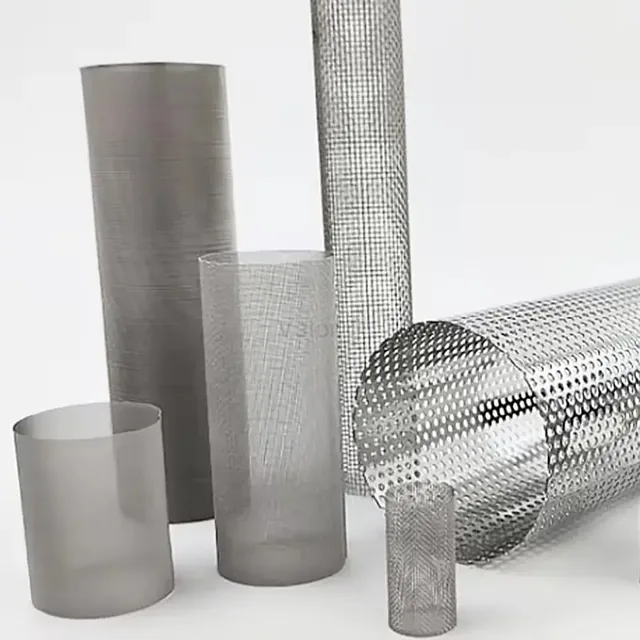
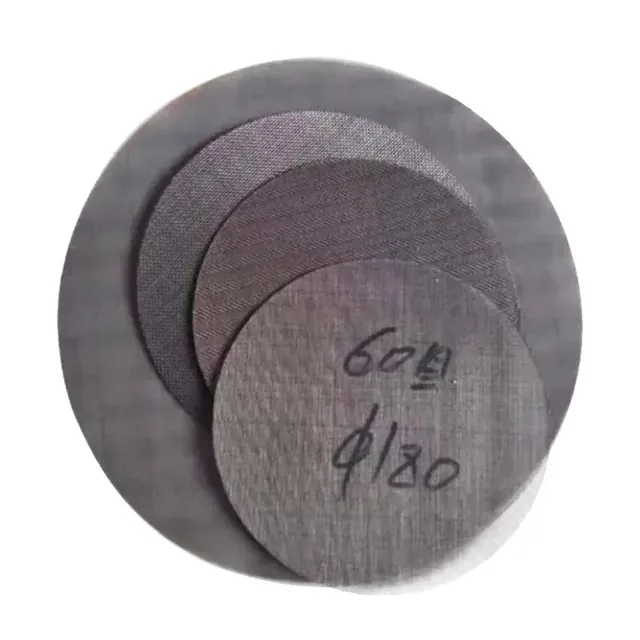
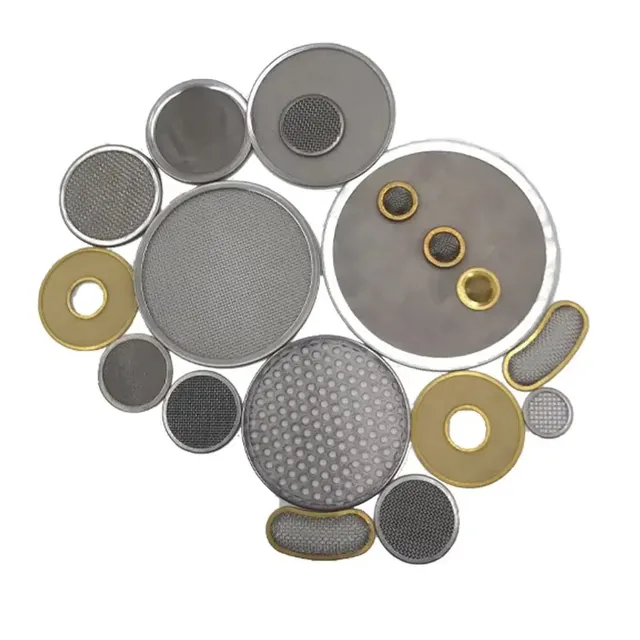
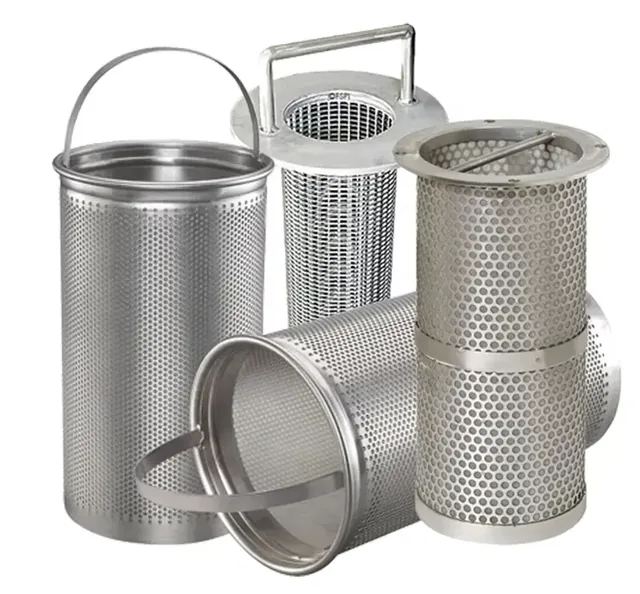
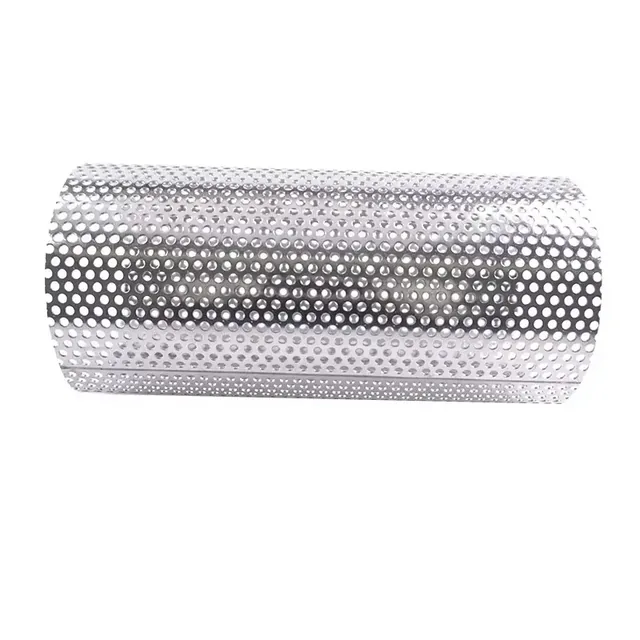
We review the filtering surface, support structure, end connections, welds, edges, seals and installation interfaces as one manufactured component.
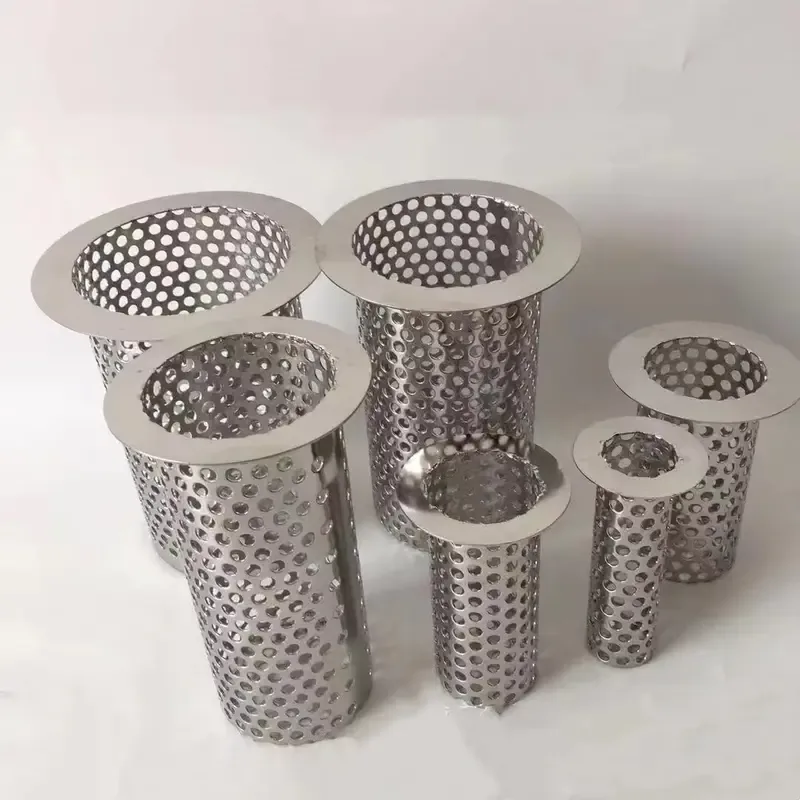
Four stages connect the technical inputs, drawing approval and inspection requirements.
Share the current drawing or sample photographs, dimensions, quantity and service conditions.
Review material, media, supports, interfaces, joints, tolerances and required checks.
Agree the drawing revision, sample scope, quotation and acceptance requirements.
Produce the components and complete the checks and documents specified in the order.
Prepare a clearer drawing, compare media constructions and define the information needed for a useful quotation.
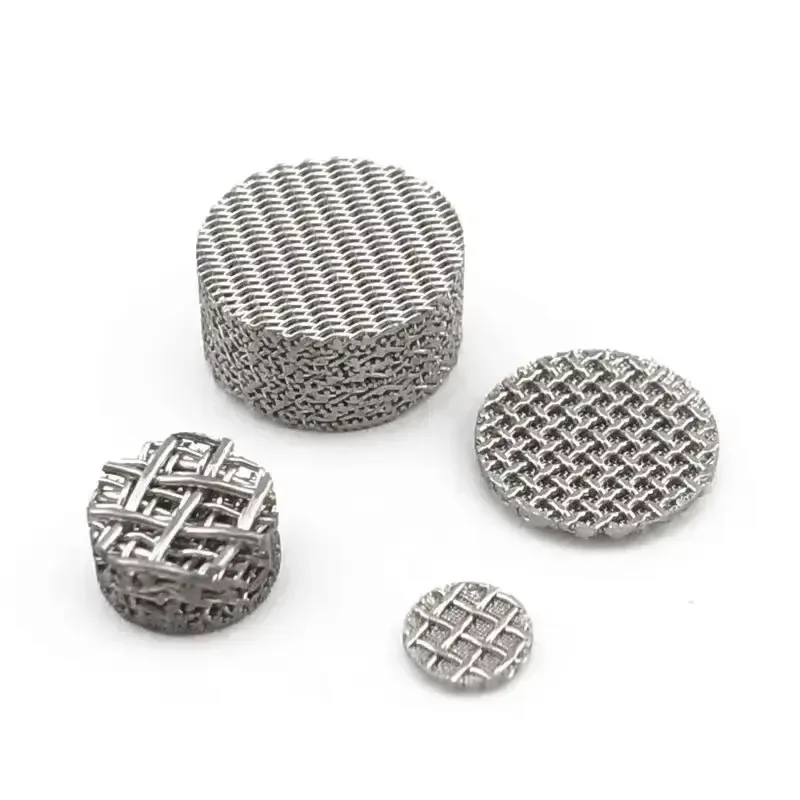
A useful metal-filter specification answers five questions: what the filter must separate, how it fits the equipment, what loads and chemicals it will see, how it will be cleaned, and how the finished part will be accepted.
View detailsA polymer melt screen pack removes unwanted solids or gels from the melt and supports stable operation through the breaker plate or screen changer.
View detailsPractical answers before you send a drawing or request a quotation.
Yes. Send the current drawing when available. For an existing component, include photographs, dimensions and details of its installation interfaces. Missing inputs are clarified before quotation.
Include the component form, material, dimensions, opening or filtration requirement, quantity and operating conditions. Drawings and sample photographs help establish the support, joining and fit requirements.
Stainless steels and other specified alloys are reviewed against the selected mesh, perforated, wedge-wire or sintered construction. Availability and suitability are confirmed for the actual component and service conditions.
Samples or first articles can be included in the quotation. State the quantity, critical checks and approval documents so the sample scope and production basis can be agreed.
Material documents, dimensional records and inspection photographs can be arranged within the confirmed order scope. Specify the required records and any test method in the enquiry.
Material availability, construction complexity, tooling, inspection and quantity affect the minimum order and schedule. Both are confirmed after the project requirements are reviewed.
Technical enquiry
Have a drawing, sample or replacement requirement?