
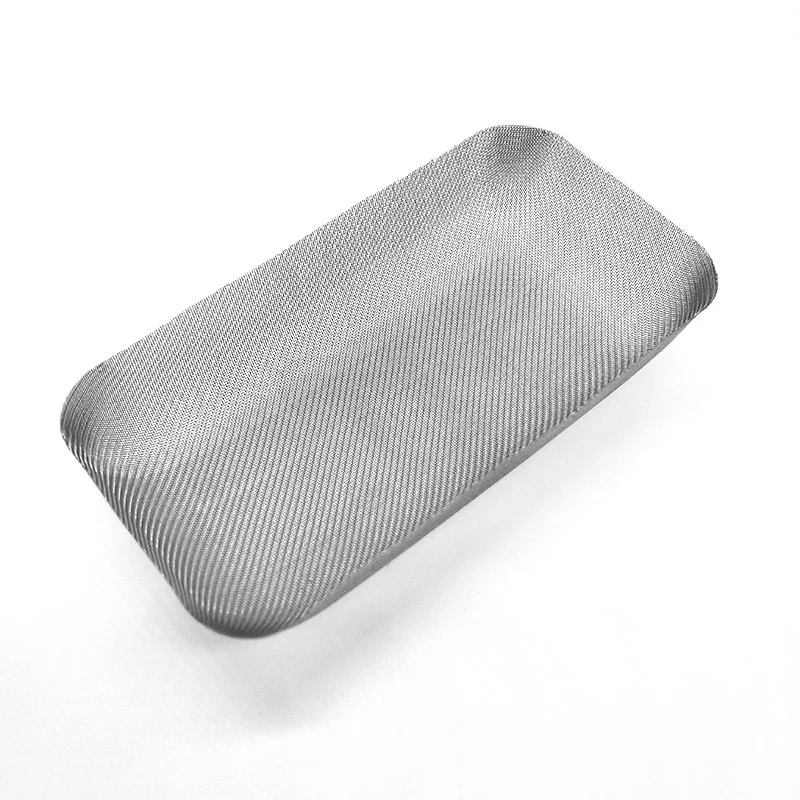
Drawing-based manufacturing
Filter cups and domed screens
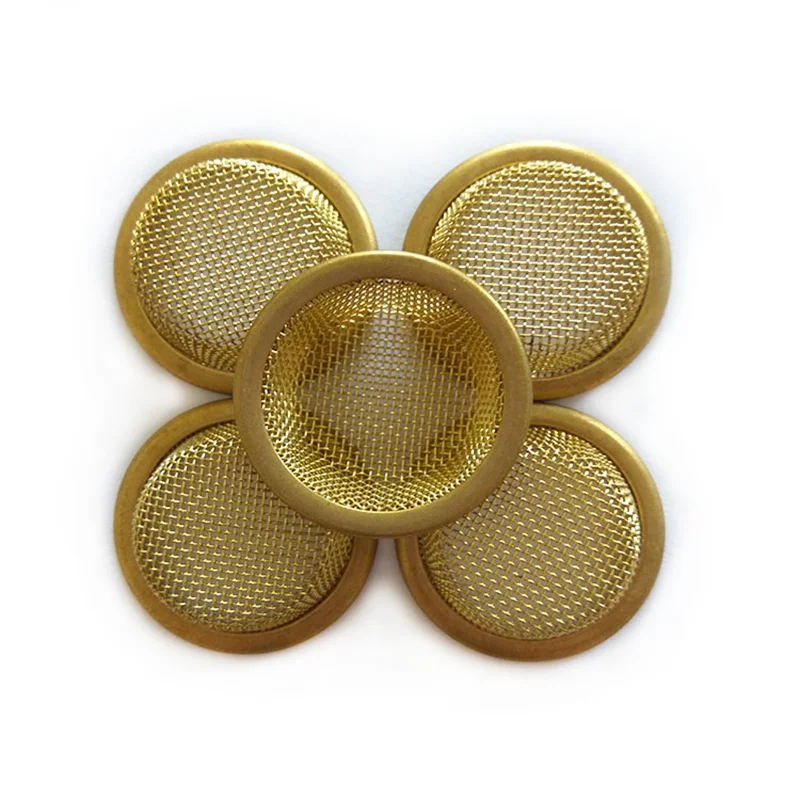
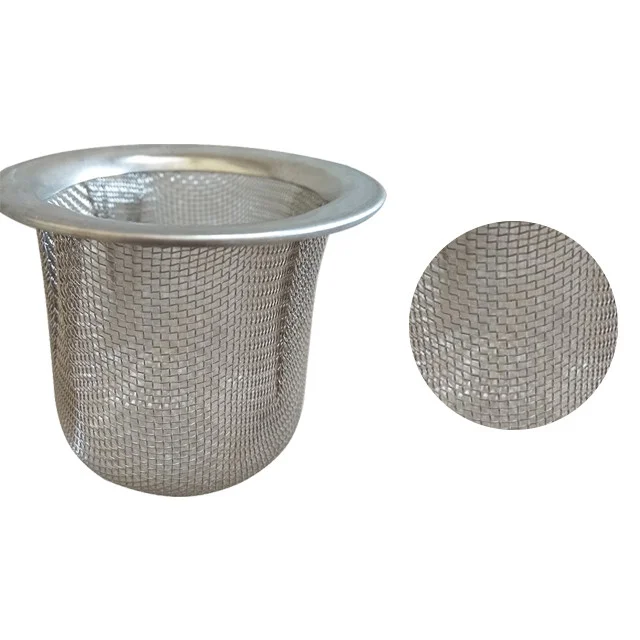
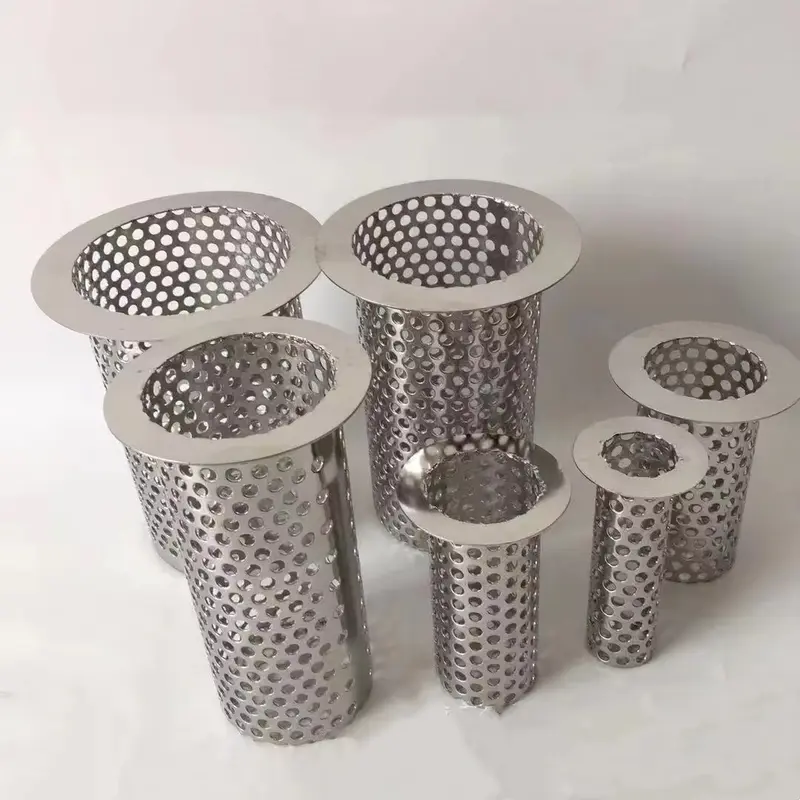
Formed mesh cups, domed screens and flanged inserts for compact inlet and nozzle protection. Depth adds surface area, while forming strain and the seating rim determine the usable shape.
- Shapes
- Shallow cup · deep cup · dome
- Critical fit
- Rim diameter and installed depth
- Forming check
- Aperture at wall and crown
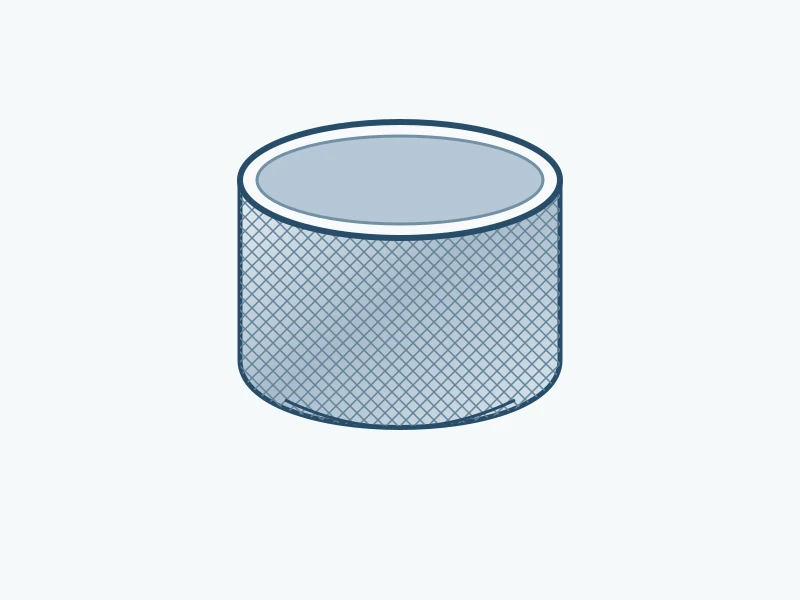
Metal filtration componentsFilter cup and domed screen configurations
Choose by formed depth
Filter cup and domed screen configurations
Define the seat, formed depth and working surface before selecting media, support and edge treatment.
01
Shallow filter cups
Low-depth formed screens for compact seats and ports.
View matching products →02
Deep-drawn filter cups
Deeper formed bodies for increased area or collecting volume.
View matching products →03
Domed screens
Convex screens that resist contact or distribute load across a curved surface.
View matching products →Filter cups and domed screens
Find a product
3 products
No results found. Try another term.
Clear filters
Formed profile and finished aperture
Flat blank dimensions cannot control the installed shape alone.
Diameter, depth and radii
Defines forming severity
Mesh, wire diameter and material
Affects formability and final opening
Rim and joining details
Controls fit and bypass
Flow and support direction
Guides layer arrangement
Finished-part acceptance
Defines inspection after forming
Construction
Formed profile and finished aperture
- Cup depthDepth increases exposed surface but also forming strain. A deep cup may require a different blank or joining route from a shallow insert.
- Dome clearanceA curved surface provides clearance and can resist local contact better than flat cloth, but it is not a pressure-rated shell.
- Rim conditionA flat rim locates the part and contains cut wire ends. Distortion can create bypass even when the dome is intact.
01Cup depth
02Dome clearance
03Rim condition
Compare filter cups and domed screens
Flat blank dimensions cannot control the installed shape alone.
| Construction | Application and fit | Confirm first | Find a product |
|---|---|---|---|
| Shallow filter cups | The installation needs a formed screen with limited projection. | Rim OD, cup diameter, depth, radius, media and edge. | Filter matching products |
| Deep-drawn filter cups | The available envelope supports a deeper formed screen. | Depth, wall angle, bottom radius, rim, orientation and tolerance. | Filter matching products |
| Domed screens | The component needs a convex screen rather than a cylindrical cup. | Base diameter, dome height, radius, working face and edge. | Filter matching products |
Filter cups and domed screens
Applications
Compact screens protect local flow restrictions.
Nozzle inlets
Domes keep the screen surface clear of the inlet opening.
Valve ports
Flanged cups locate in small removable seats.
Instruments
Formed inserts capture debris upstream of narrow passages.
Inspect after forming
Check the finished shape and opening together.
01ProfileMeasure depth, crown radius and rim diameter.
02Mesh distortionInspect stretched openings, broken wires and folds.
03SeatingCheck rim flatness, loose wire ends and insertion fit.
Filter cups and domed screens
Technical resources
Technical guide
Woven mesh aperture and open area
Select wire diameter and clear opening together; mesh count alone does not define either aperture or flow area.
Read guide→Technical guide
Filter rating, aperture and beta ratio
How to compare woven openings, porous-media claims and test-rated filter elements without treating every micron number as equivalent.
Read guide→Filter cups and domed screens
Questions before ordering
Does forming change the aperture?
It can. Wires move as cloth is drawn over a tool. Inspect the finished wall and crown rather than assuming the starting aperture is unchanged.
When is a dome preferable to a flat disc?
Where additional clearance or exposed area is needed in a shallow seat. Check contact with the mating part and allowable deformation.
Does pressing change the mesh opening?
Forming can distort openings around corners and sidewalls. If aperture is critical, inspect or test the finished formed part rather than only the flat starting mesh.
Related products and guidance
Technical enquiry
Define the dimensions, media, joints and inspection records before confirming the order.