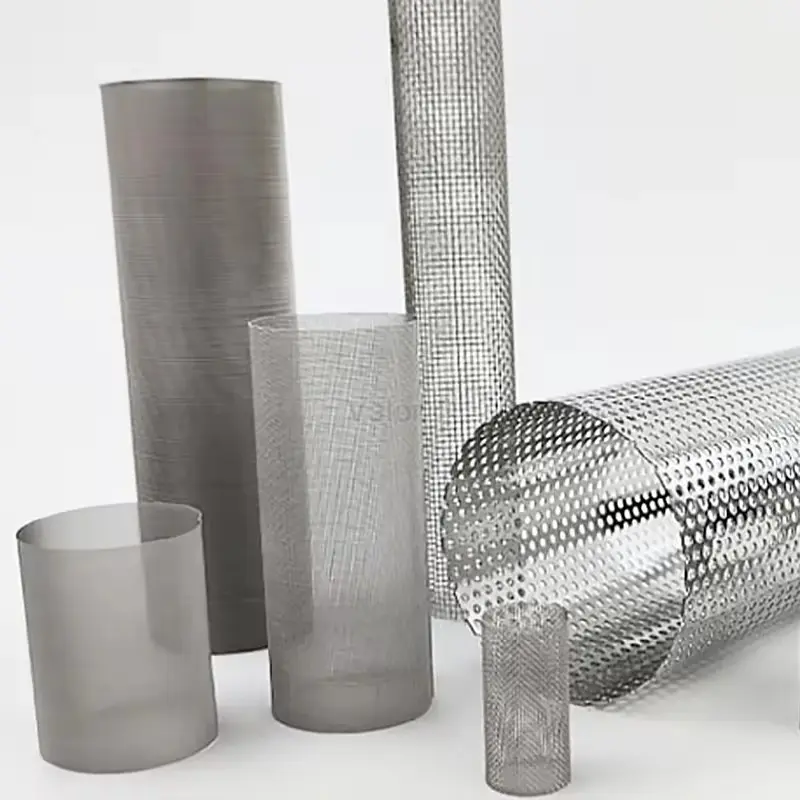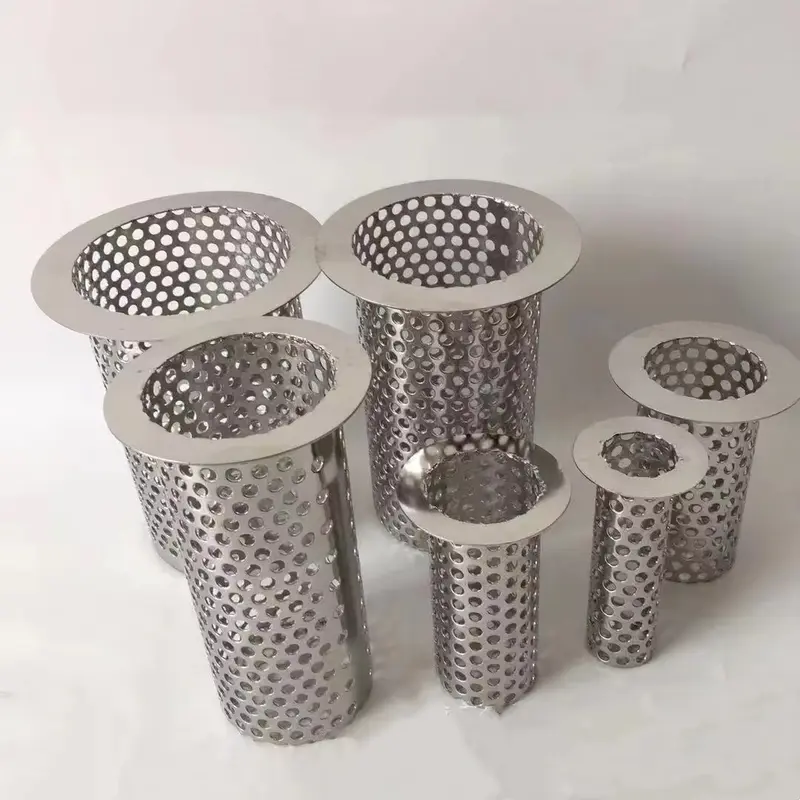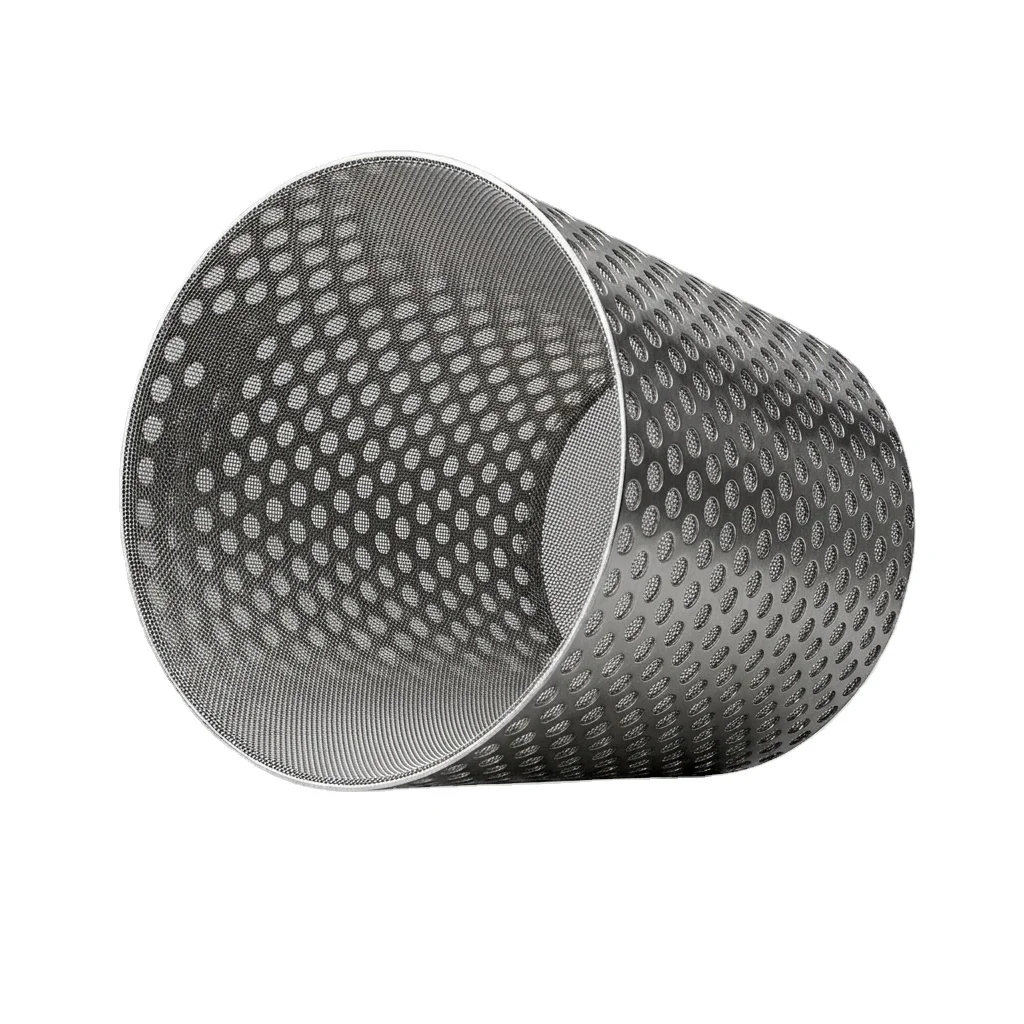
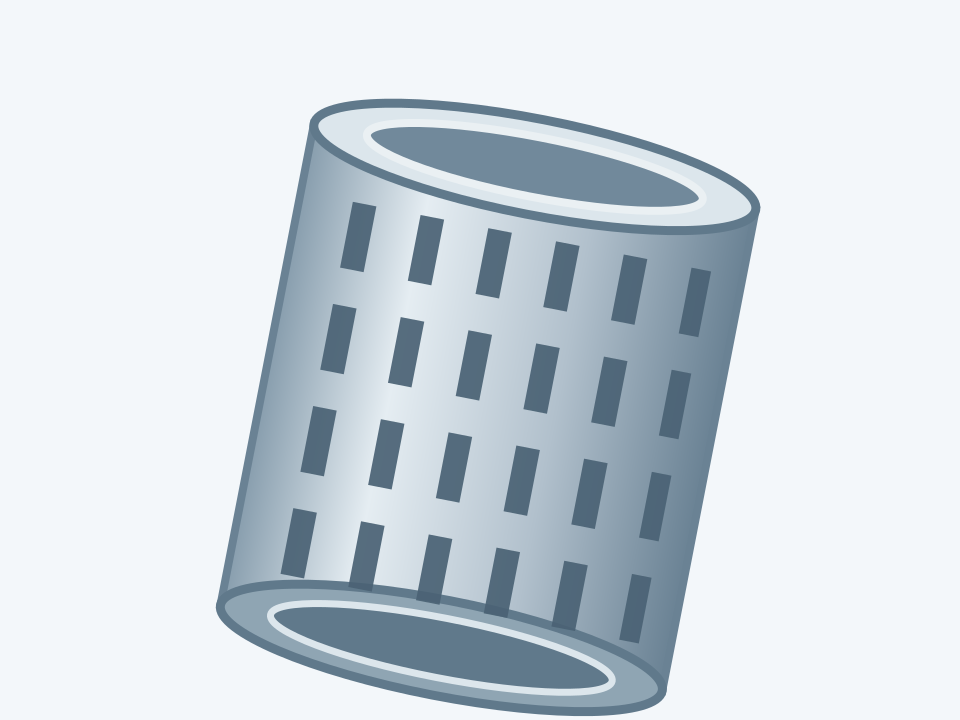
Laser-slotted filter tubes
Metal tube with longitudinal or circumferential laser-defined slots.
Product detailsDrawing-based manufacturing
Drawing-defined slotted sheets, cylinders and discs where hole placement or profile makes a standard punched pattern unsuitable. Aperture, thickness and edge quality must be assessed together for the selected cutting route.
Choose by finished geometry
Start with the finished component and controlled CAD pattern, then review material thickness, ligament, distortion and finishing.
Flat sheet screens with a drawing-defined pattern and outside profile.
View matching products →Patterned sheet rolled and joined into a cylindrical screen.
View matching products →Laser-patterned screens integrated with a frame or mounting plate.
View matching products →Laser-perforated and slotted screens
3 products
Metal tube with longitudinal or circumferential laser-defined slots.
Product details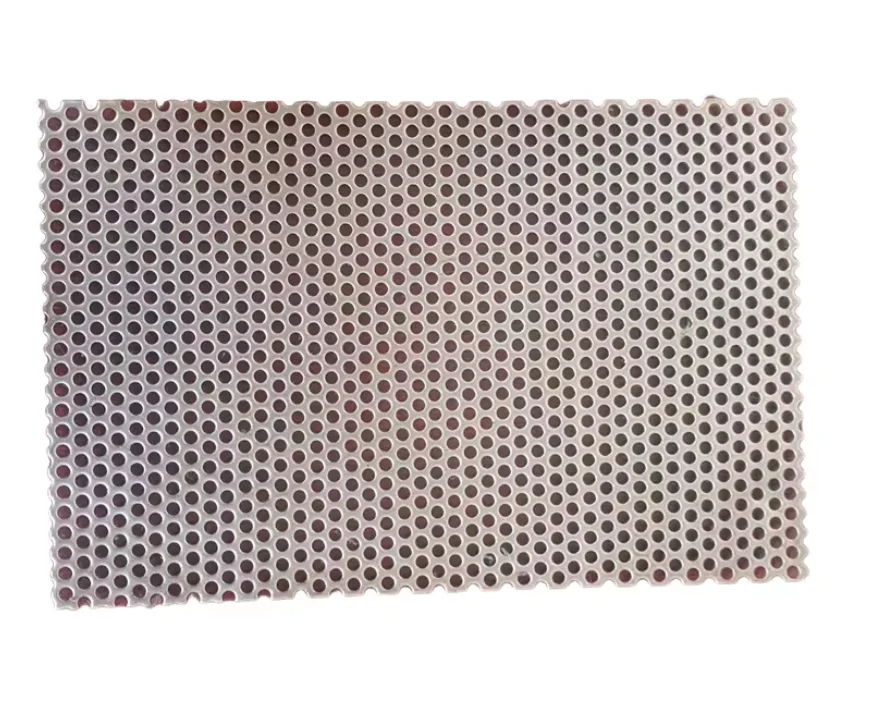
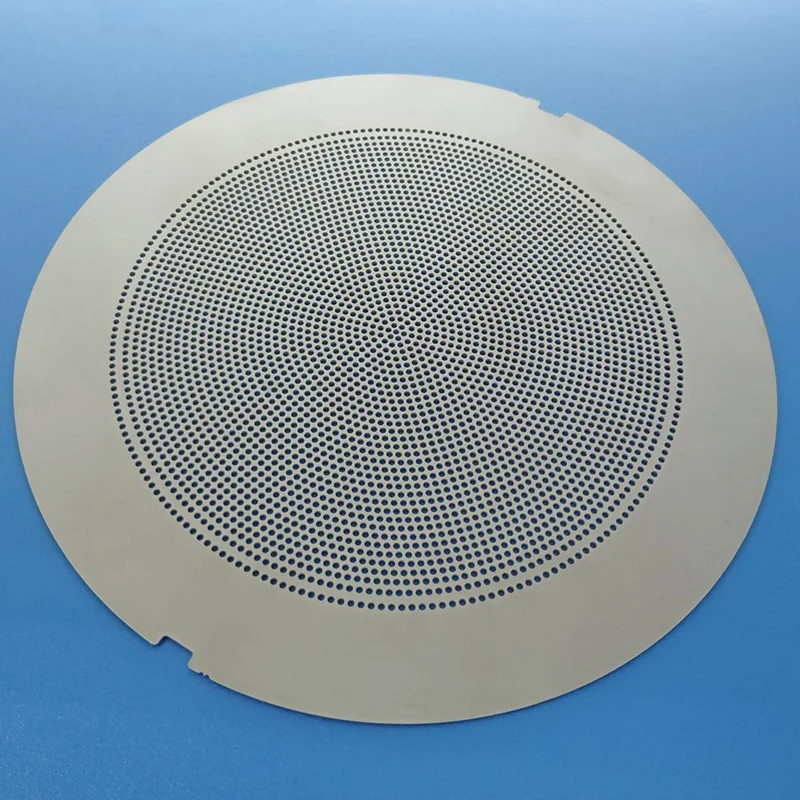
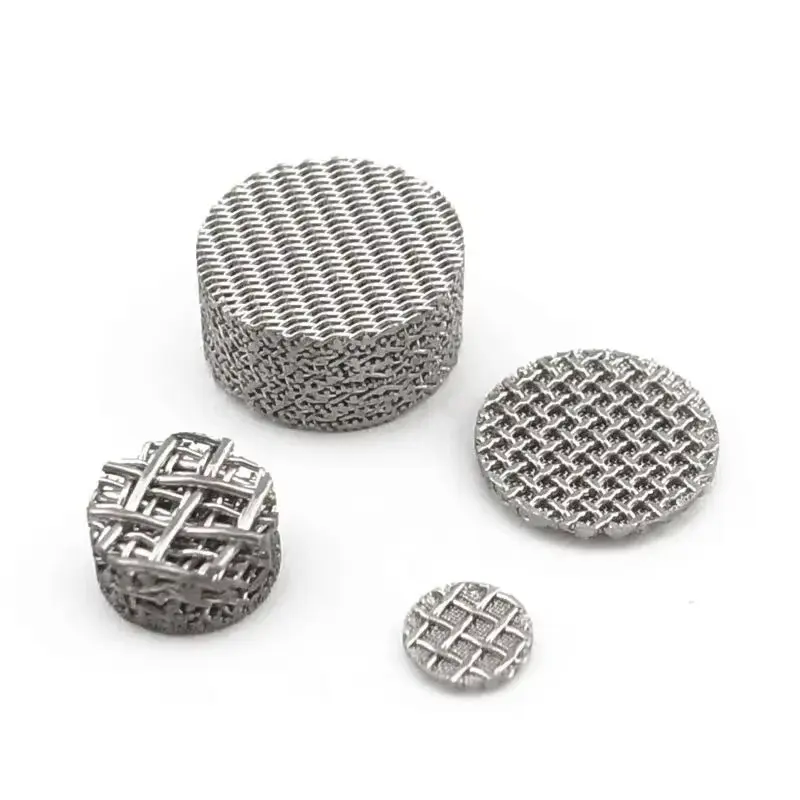
Disc cut with hole or slot patterns independent of woven mesh.
Product detailsClear filters
Laser cutting is a process choice, not a universal microfiltration rating.
Defines the full pattern and outline
Sets the cutting basis
Defines separation and open area
Establishes acceptance
Guides finishing
Reveals downstream distortion risk
Construction
Laser cutting is a process choice, not a universal microfiltration rating.
| Construction | Application and fit | Confirm first | Find a product |
|---|---|---|---|
| Flat laser-cut screens | The finished screen remains flat and pattern location is critical. | CAD revision, material, thickness, pattern, outline and flatness. | Filter matching products |
| Laser-slotted cylinders | The patterned screen must become a cylindrical component. | Developed blank, diameter, seam, slot orientation and end condition. | Filter matching products |
| Framed laser-cut panels | The thin patterned screen needs a rigid installation interface. | Frame, clear opening, pattern datum, joint, fixing and flatness. | Filter matching products |
Laser-perforated and slotted screens
Laser patterns address geometry-specific component requirements.
Slotted surfaces with end bands and controlled seams.
Apertures arranged around stiffeners and fixings.
Discs and profiles unsuited to standard punch patterns.
Measure on the face defined by the drawing.
Laser-perforated and slotted screens
Choose a precision-screen process by feature geometry, sheet thickness, alloy and handling needs.
Read guide→Calculate theoretical opening area, then check ligaments, support spacing and installed coverage.
Read guide→Laser-perforated and slotted screens
Not automatically. Sheet thickness, aperture taper and support geometry differ from profile wire. Compare cleaning, clogging and pressure loss as well as slot width.
No universal ratio applies. Alloy, thickness, process, pattern density and acceptable taper must be considered together.
A DXF or other agreed CAD file should be accompanied by material, thickness, critical dimensions, tolerance, edge finish and a marked flow or installation direction.
Define the dimensions, media, joints and inspection records before confirming the order.