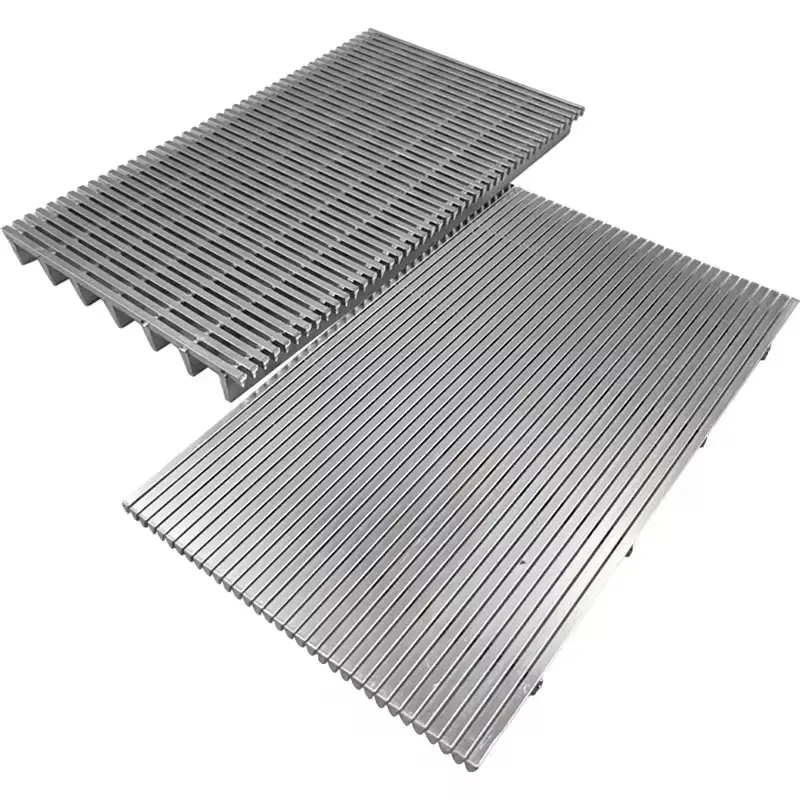
Wedge wire screen panels
Wedge wire screen panels use parallel profile wires joined to support members to create continuous slots across a rigid surface.
Product detailsDrawing-based manufacturing
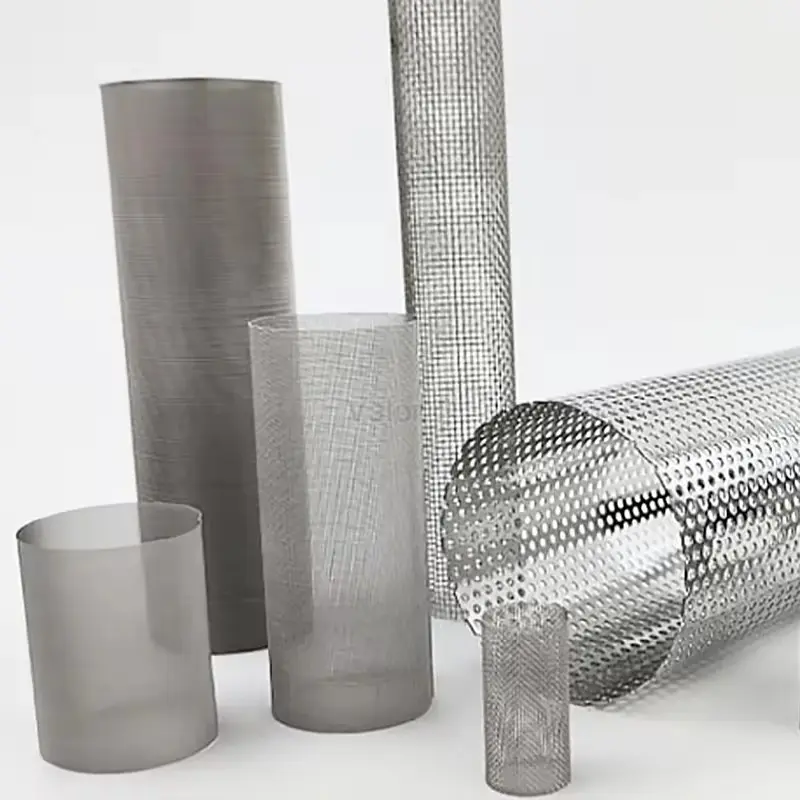
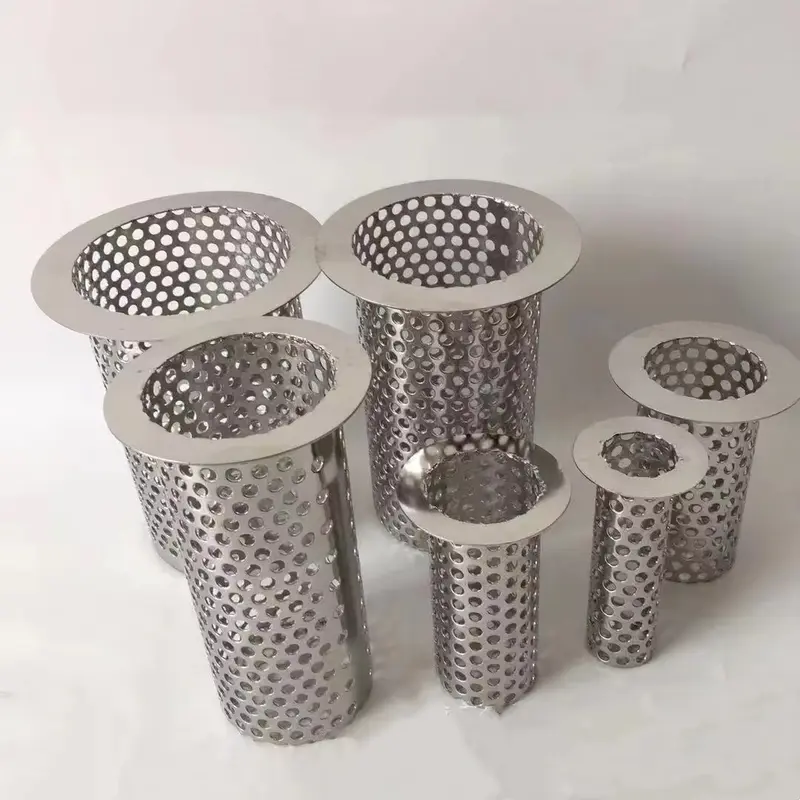
Flat or curved mesh panels, perforated screens and framed inserts for installed screening surfaces. Span, frame stiffness, perimeter sealing and replacement access matter as much as aperture.
Choose by installation span
Start with the clear opening, support points and installation method, then define the working surface and allowable deflection.
Filter panels and framed screens
4 products
Wedge wire screen panels use parallel profile wires joined to support members to create continuous slots across a rigid surface.
Product details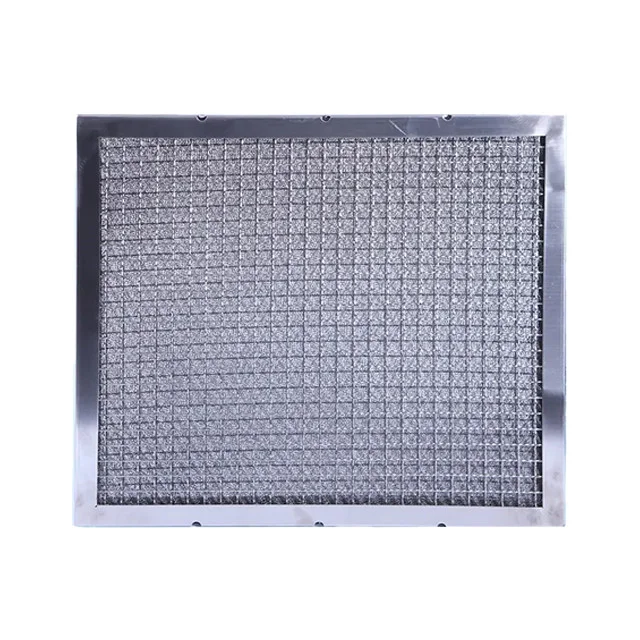
Clear filters
Identical mesh can behave differently in two different frames.
Defines frame and active area
Defines separation geometry
Controls fit and edge seal
Limits deflection
Guides structural layout
Defines inspection and handling
Construction
Identical mesh can behave differently in two different frames.
| Construction | Application and fit | Confirm first | Find a product |
|---|---|---|---|
| Flat filter panels | The installation needs one flat screen across a clear opening. | Panel size, clear opening, working face, edge and support spacing. | Filter matching products |
| Framed screens | The screen requires a rigid removable frame or sealing edge. | Frame section, outside size, fixing points, media and seal. | Filter matching products |
Filter panels and framed screens
Panels provide installed, replaceable screening surfaces.
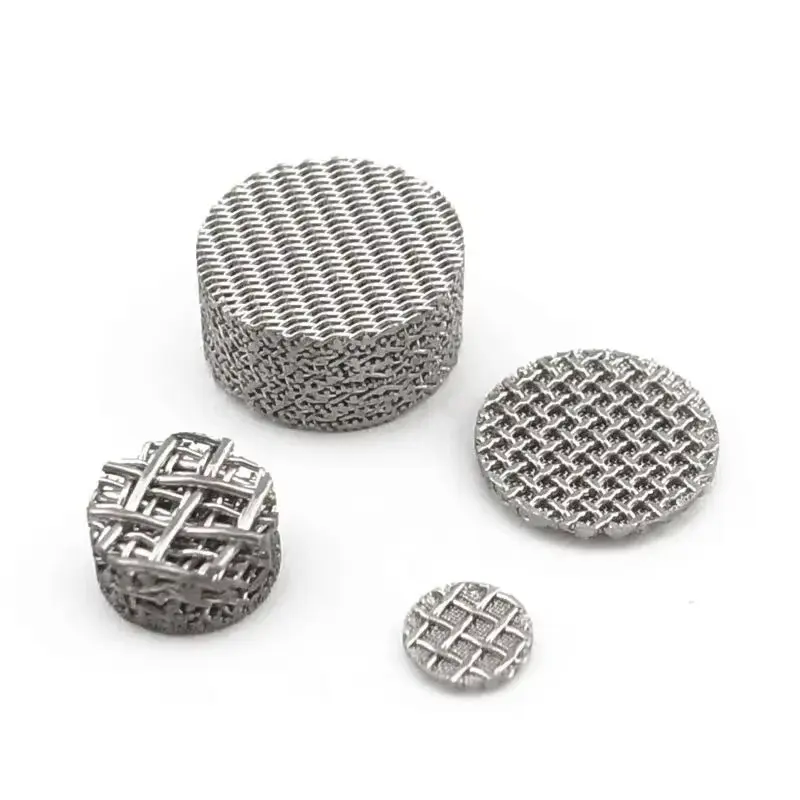
Framed mesh and wedge-wire modules separate process solids.
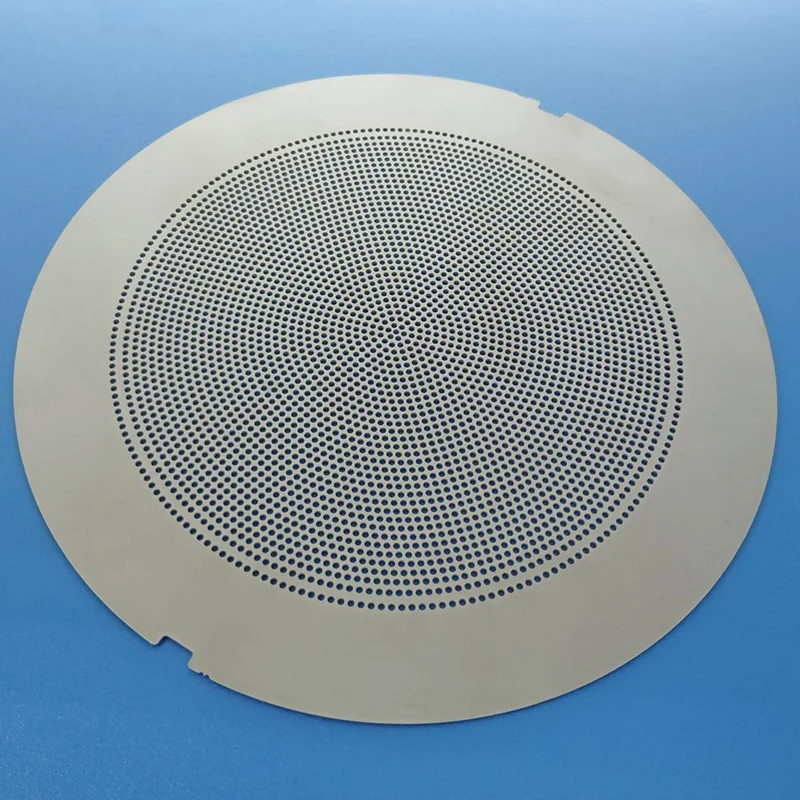
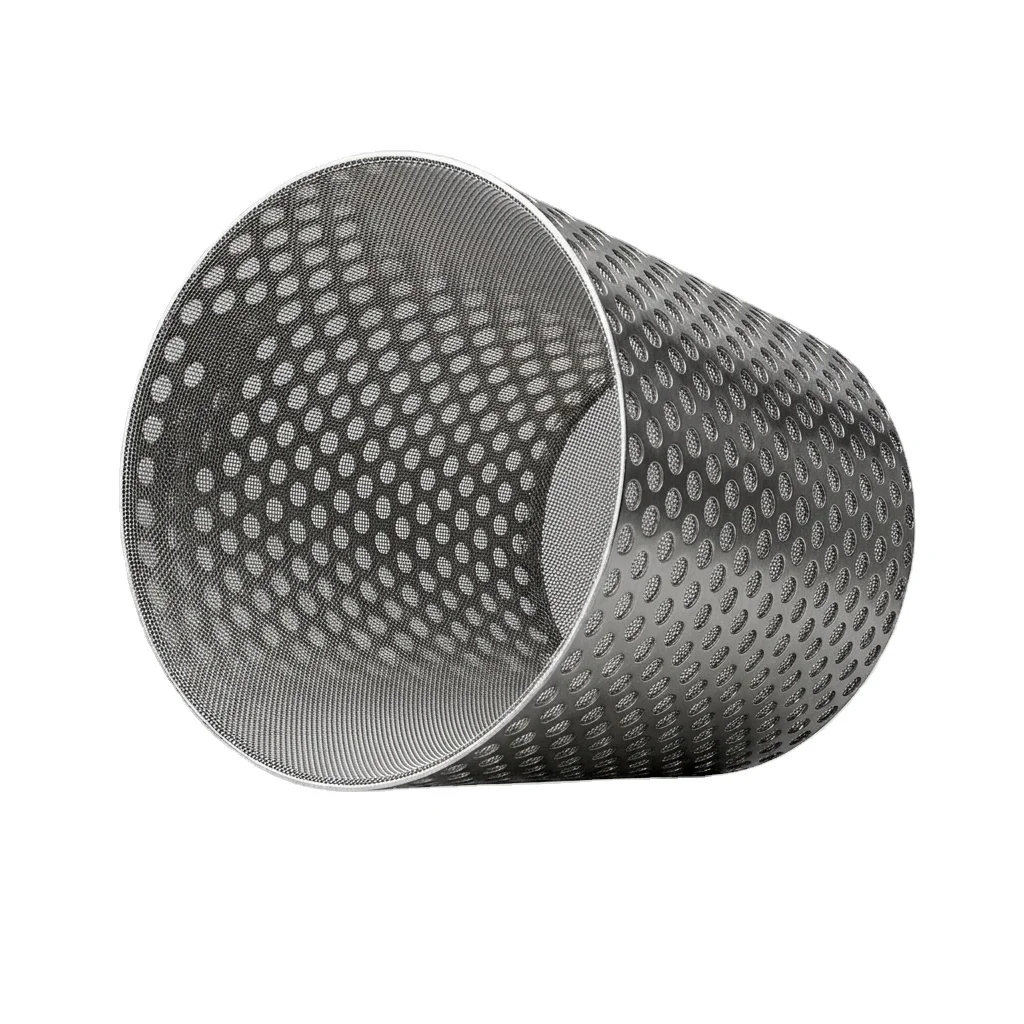
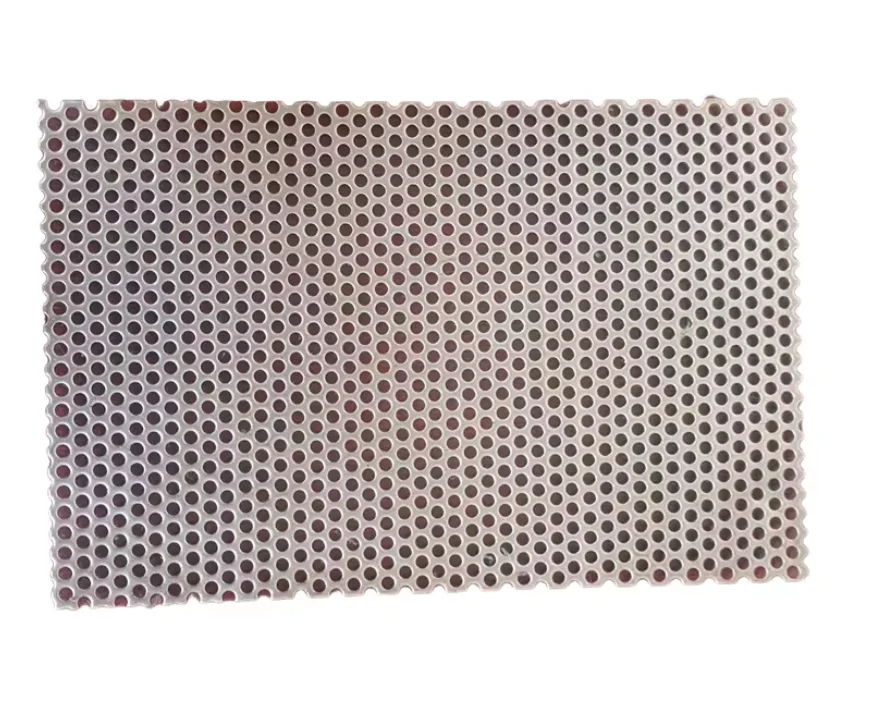
Perforated panels protect finer media downstream.
Modular surfaces reduce the size of each maintenance part.
Squareness and flatness affect both fit and sealing.
Filter panels and framed screens
Calculate theoretical opening area, then check ligaments, support spacing and installed coverage.
Read guide→Choose a precision-screen process by feature geometry, sheet thickness, alloy and handling needs.
Read guide→Filter panels and framed screens
Not automatically. More unsupported span increases deformation and joint load. Support spacing and frame stiffness may need to change.
Use the clear screened surface, then allow for media open area and obstruction from bars, frames and overlaps. Outside dimensions overstate the working area.
Span, media stiffness and differential pressure determine the need for supports. Provide the mounting grid and an allowable deflection or approved reference panel.
Define the dimensions, media, joints and inspection records before confirming the order.