
Drawing-based manufacturing
Filter media rolls and sheets
Metal filtration media in full-width rolls, slit strips, sheets and cut blanks for filter manufacture. Define woven cloth by its complete wire and weave specification, sintered mesh by bonded layer construction, and metal-fibre felt by grade, thickness and test basis; match the delivery format to the next fabrication operation.
- Media
- Woven · sintered · fibre felt
- Format
- Roll · sheet · slit strip
- Grade
- Full weave or tested medium code
Metal filtration componentsFilter media roll and sheet formats
Choose by supply format
Filter media roll and sheet formats
Select the media family and delivery format together so downstream cutting, forming and identification requirements are protected.
01
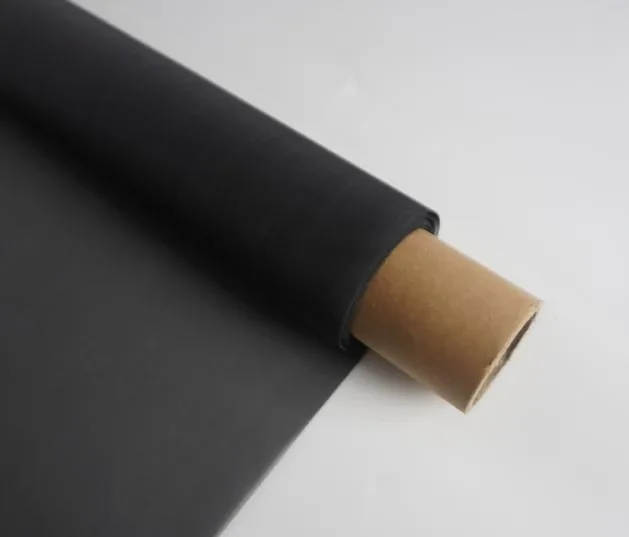
Full-width rolls
Continuous media supplied to a defined width, length and core arrangement.
View matching products →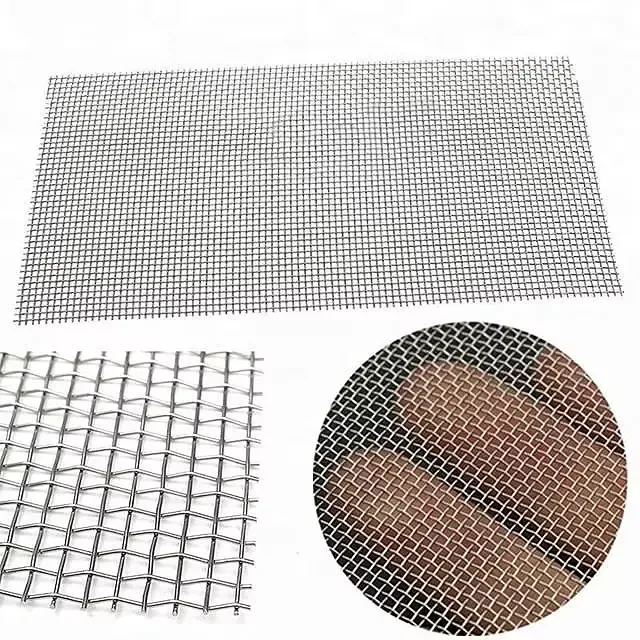
02
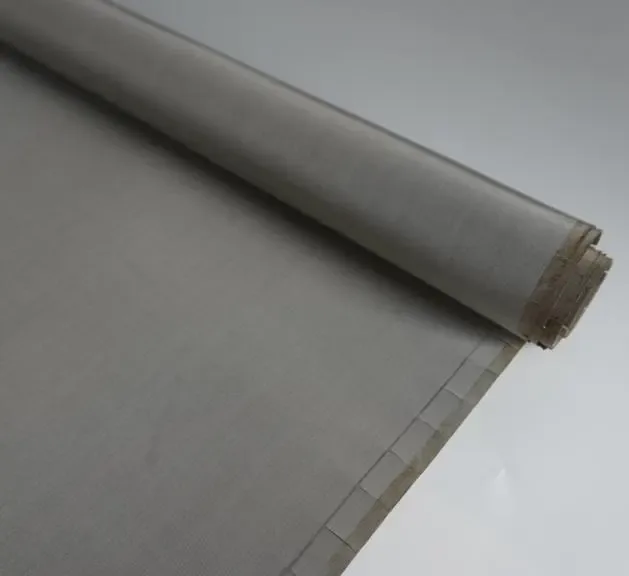
Flat sheets
Flat media sheets supplied to controlled dimensions and handling requirements.
View matching products →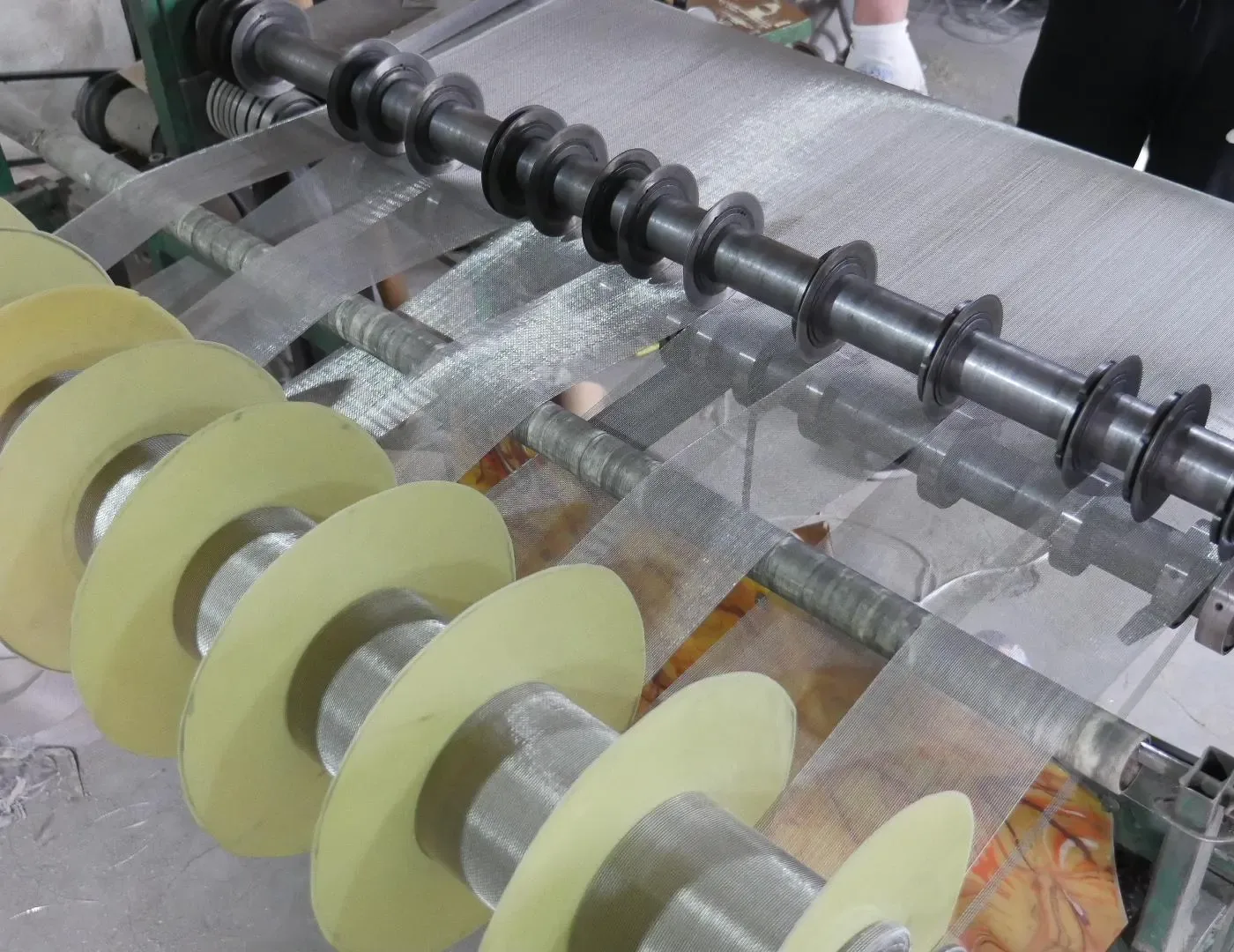
03
Slit strips
Narrow continuous strips slit to width for winding, forming or assembly.
View matching products →Filter media rolls and sheets
Find a product
15 products
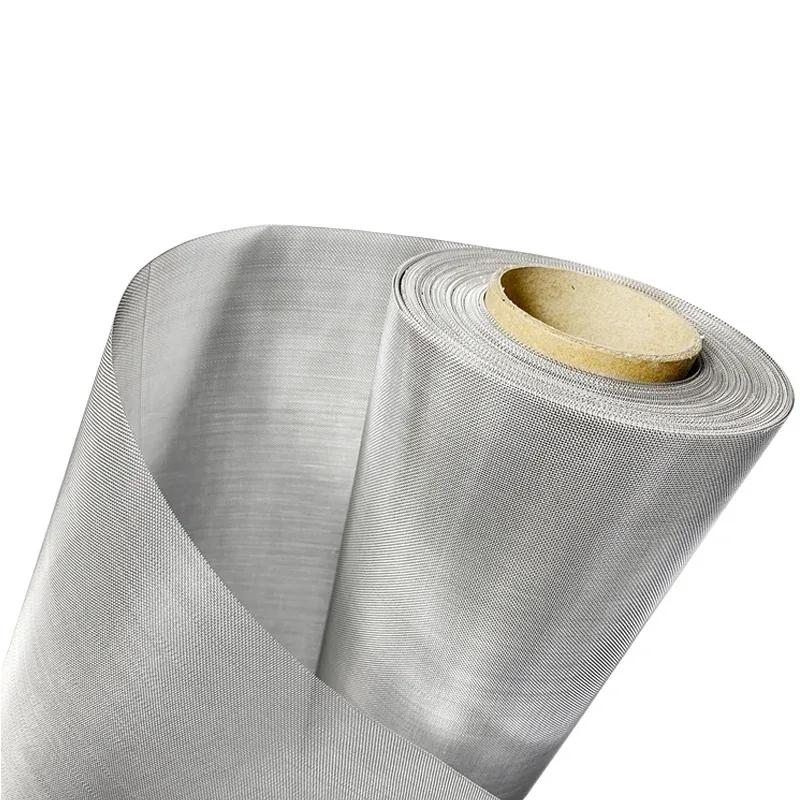
Plain weave wire mesh
Square-aperture wire cloth in rolls, sheets and slit strips for particle screening, liquid filtration and fabricated filter parts.
Product details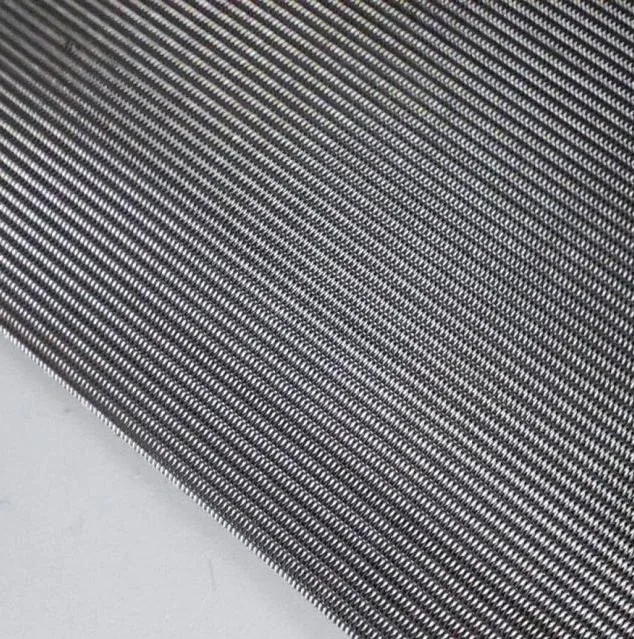
Plain Dutch weave filter mesh
Kaifil supplies plain Dutch weave stainless steel mesh in rolls, sheets and cut blanks.
Product details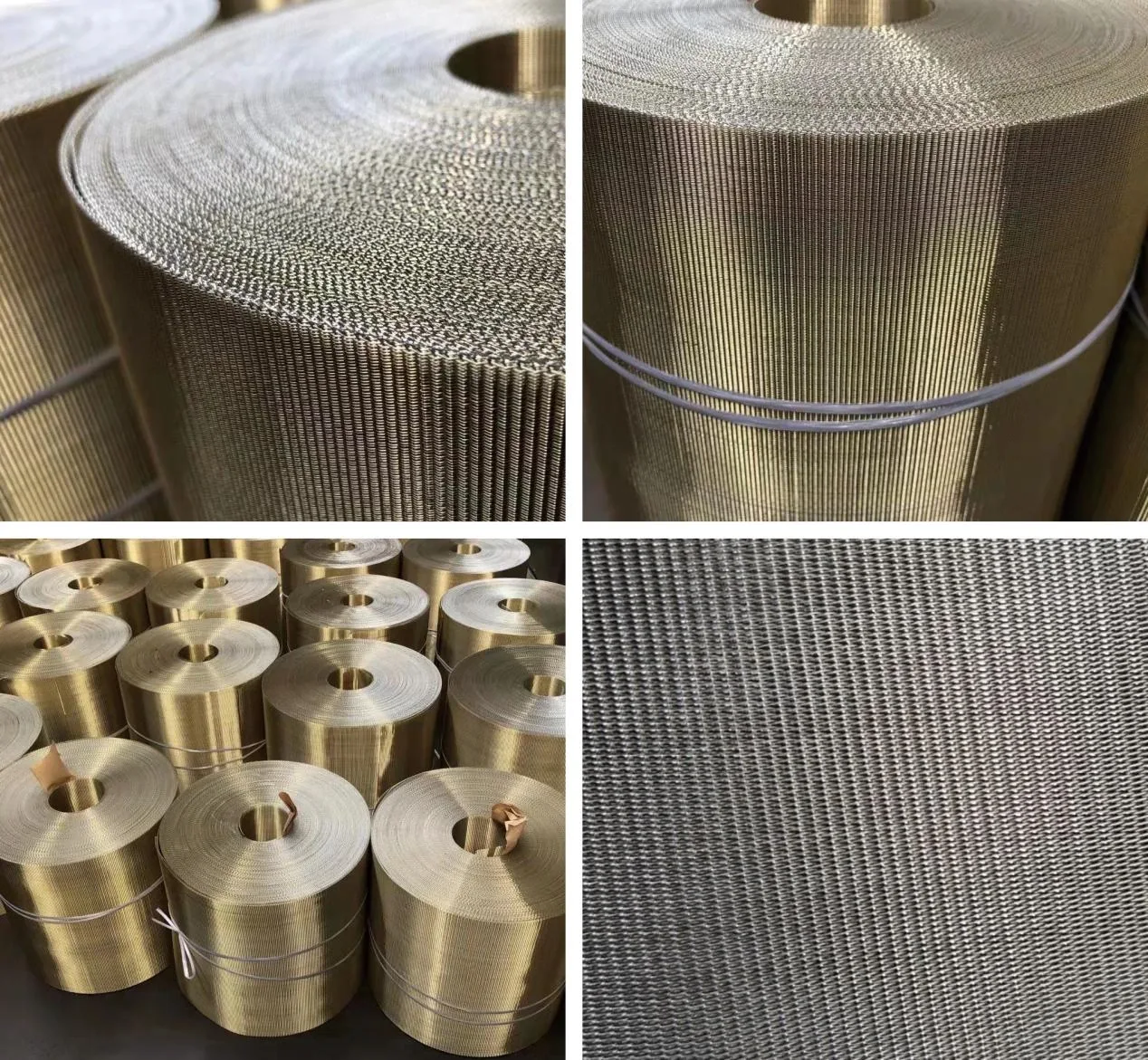
Reverse Dutch weave filter belts
Kaifil supplies stainless steel reverse Dutch weave belts for continuous polymer filtration.
Product details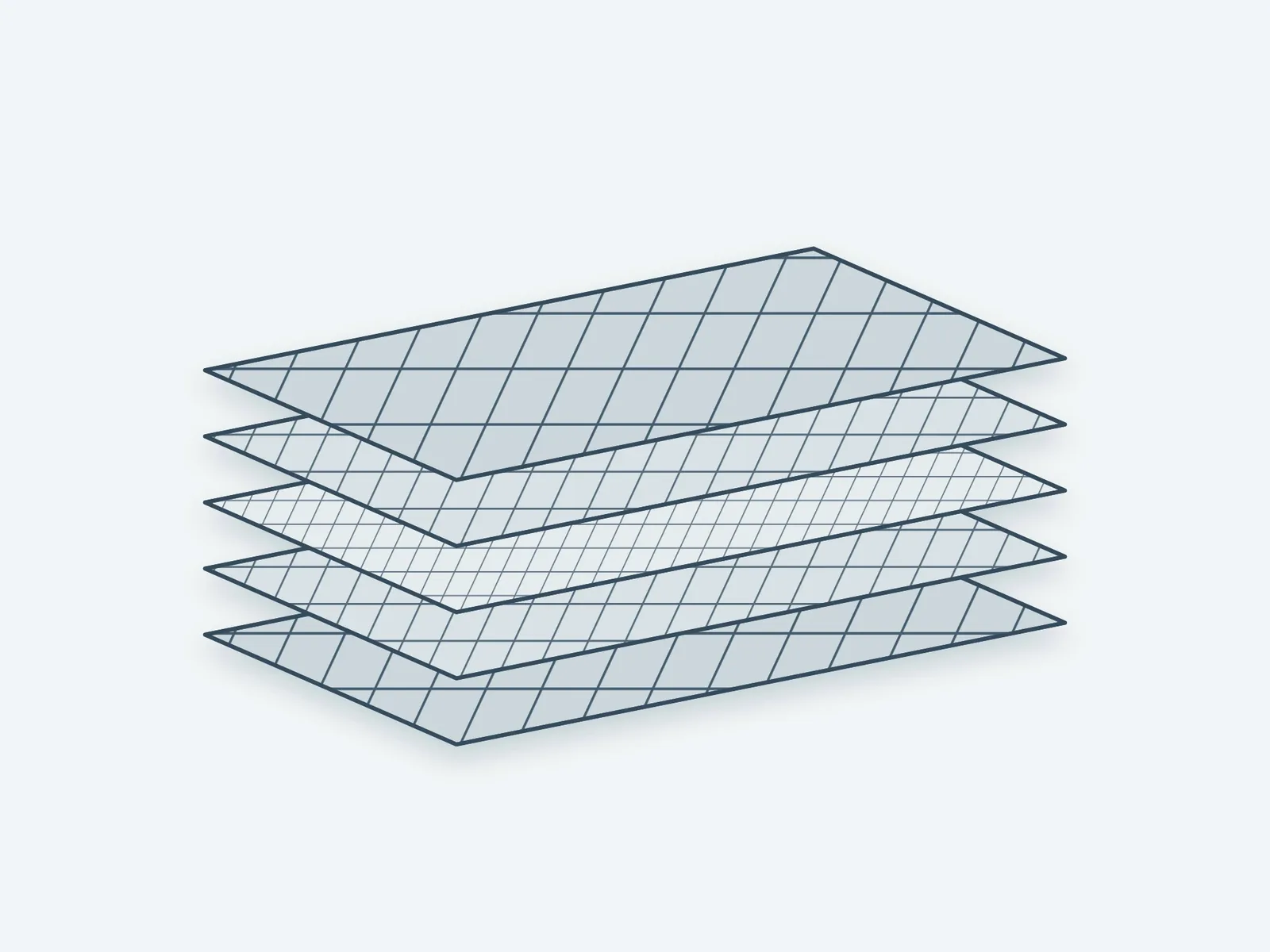
Five-layer sintered wire mesh sheets
Kaifil supplies 304 and 316L five-layer sintered wire mesh for filter discs, panels and cartridges.
Product details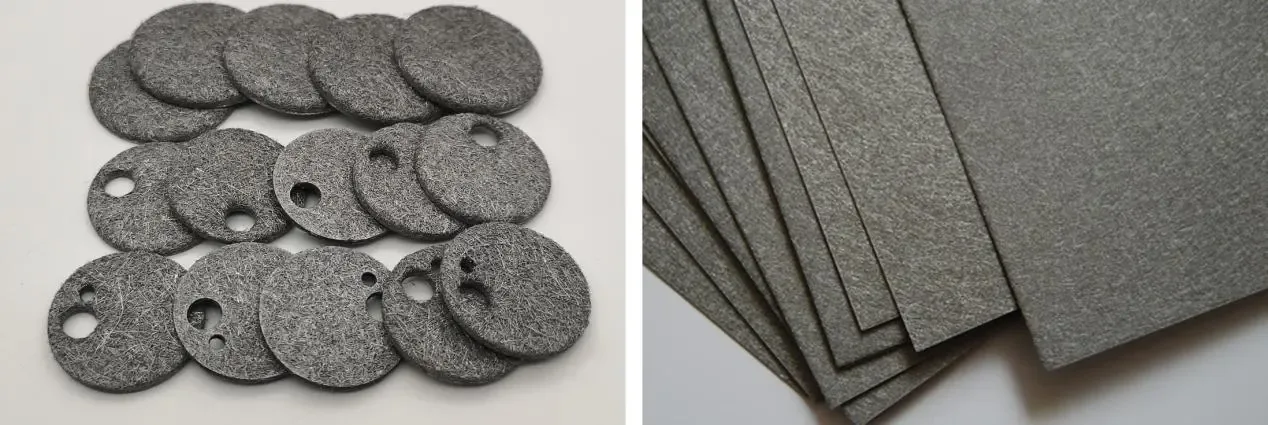
Sintered metal fiber felt sheets
Kaifil supplies stainless steel sintered fiber felt for pleated cartridges and porous filter components.
Product details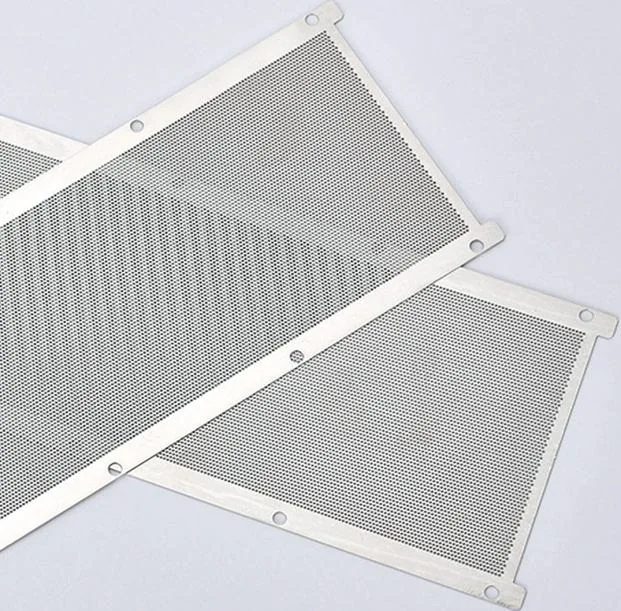
Photo-etched foil screens
Divide the sheet into an active aperture field, a solid perimeter and locating features.
Product details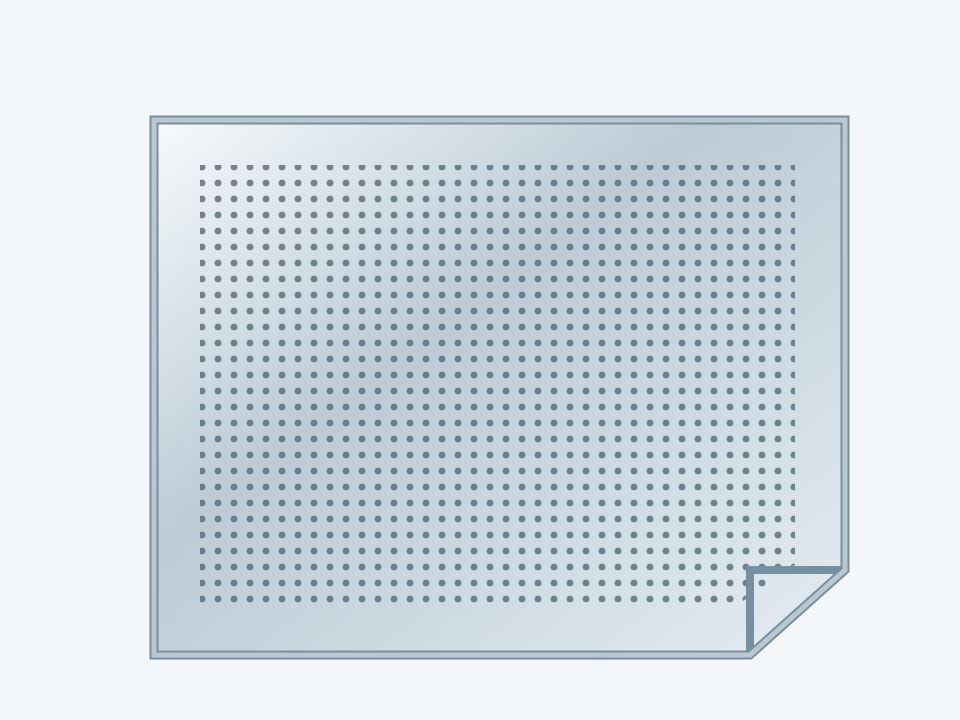
Electroformed nickel screens
Electroformed nickel screens are deposited around a patterned tool to create thin, repeatable aperture fields.
Product details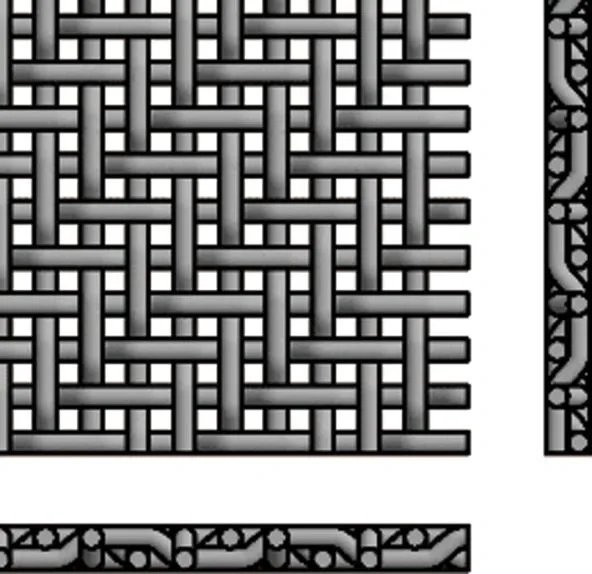
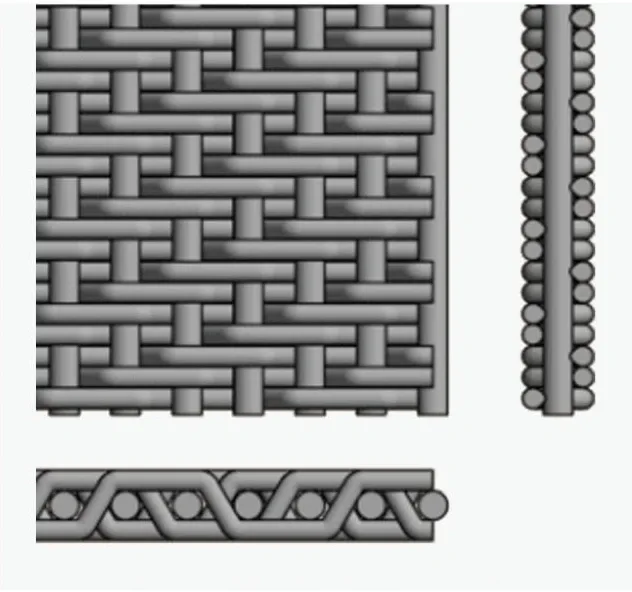
Twill Dutch Weave Mesh
Closely woven stainless steel filter cloth with unequal warp and weft wires and a twill path.
Product details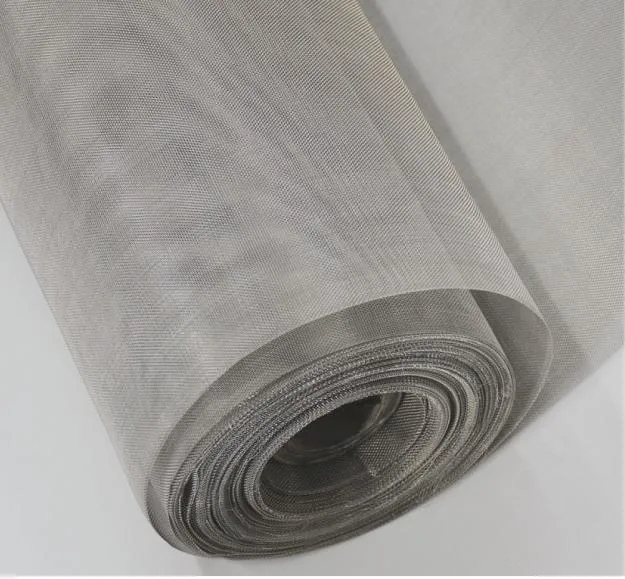
Monel Wire Mesh
Nickel–copper alloy woven cloth in Monel 400 and K-500 material branches.
Product details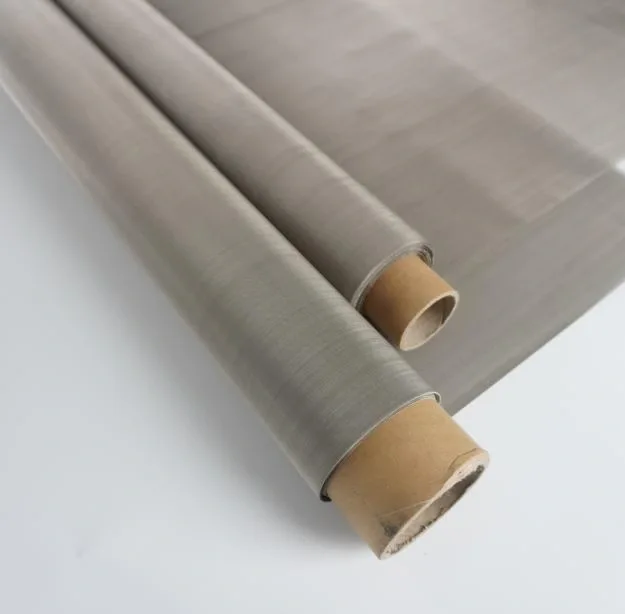
Pure Nickel Wire Mesh
Woven nickel cloth in N2, N4, N6 and N8 material branches, with plain, twill or Dutch structures.
Product details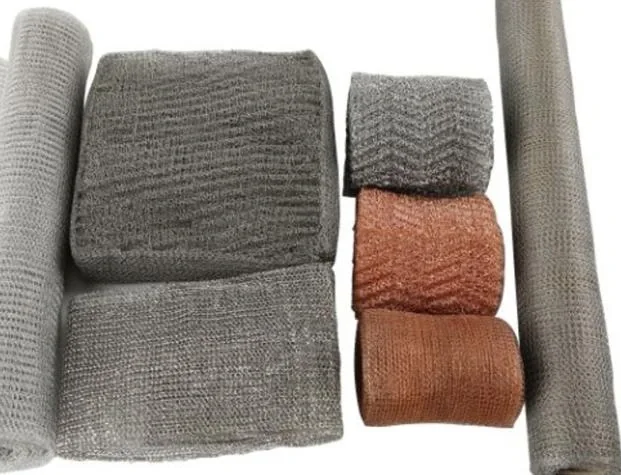
Knitted Wire Mesh Rolls
Interlocking metal-wire loops supplied as flat or crimped knitted mesh rolls for demister manufacture, coalescing inserts and compressed mesh components.
Product details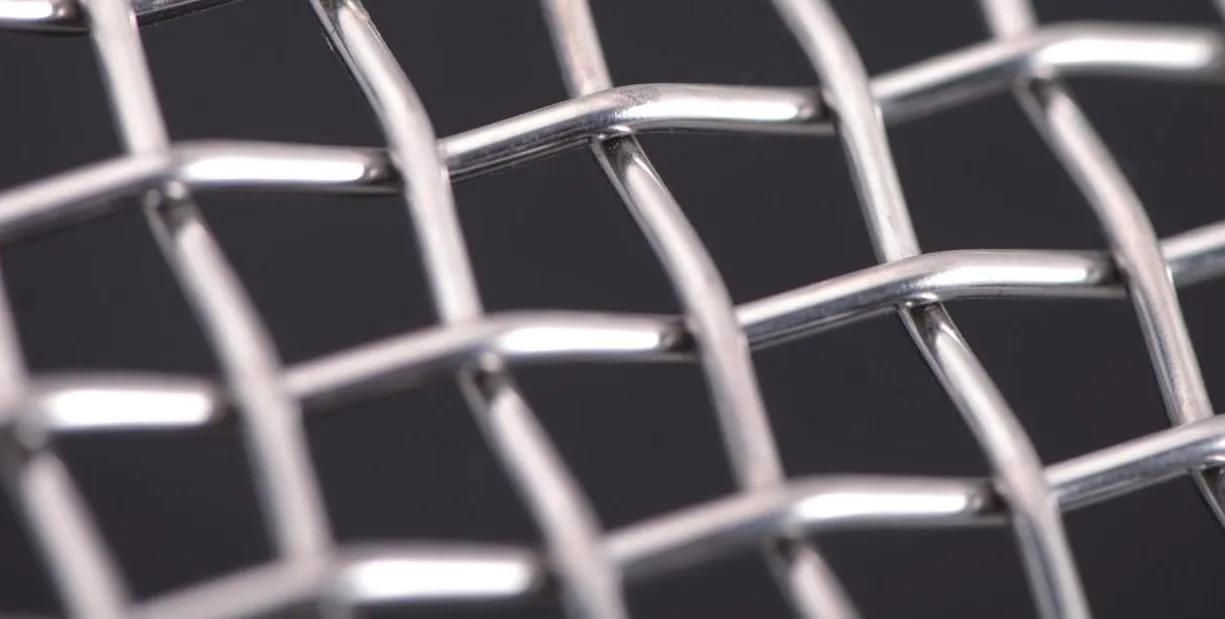
Crimped Wire Mesh
Pre-crimped stainless steel wire mesh for screening, removable panels and filter supports.
Product details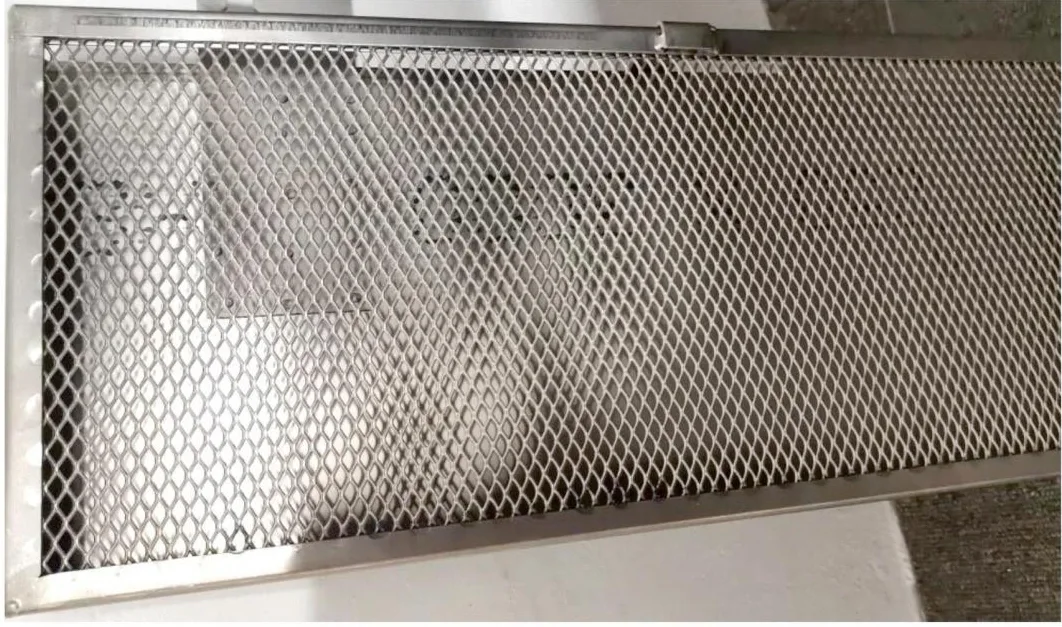
Expanded Metal Screens and Filter Supports
Slit-and-stretched metal sheets with integral diamond openings for filter backing, drainage and formed support parts.
Product detailsNo results found. Try another term.
Clear filters
Compare filter media rolls and sheets
Width alone does not define a filtration material.
| Construction | Application and fit | Confirm first | Find a product |
|---|---|---|---|
| Full-width rolls | The customer converts continuous material from a roll. | Width, length, core, winding, edge zone and packing. | Filter matching products |
| Flat sheets | The downstream process begins from flat rectangular stock. | Sheet size, orientation, flatness, edge and interleaving. | Filter matching products |
| Slit strips | The media must be supplied as a controlled narrow width. | Strip width, length, edge condition, winding and splice policy. | Filter matching products |
Woven rolls, bonded mesh sheets and metal-fibre felt
What we need to supply roll stock
Specify retention and its test basis or woven geometry first, followed by delivery format, alloy and the planned conversion route.
Media type and full designation
Avoids substitution by a partial name. Identify the full media family and construction before selecting the delivery form.
Alloy and applicable standard
Establishes material basis. Use the exact alloy designation for each item; woven pure nickel and electroformed nickel are different constructions.
Width, length and sheet size
Defines supply format. State nominal dimensions and the usable cutting width after edge allowances.
Edge, flatness and orientation
Supports downstream conversion. Mark warp and weft, filter face, rolling direction and any solid joining margin.
Quantity and packing method
Protects the material in transit. Specify quantity by roll, strip or sheet and protect individual surfaces and edges during packing.
Rating basis
Square weave: clear aperture and wire diameter. Dutch filter cloth: weave designation and pore-size or retention acceptance criteria, with ASTM E2814 specified for industrial woven filter cloth. Sintered mesh and fiber felt: media grade, thickness, permeability and the selected retention or integrity test, including test fluid and conditions. Keep values from one specification row together and preserve the test fluid, method and conditions for rated porous media.
Conversion operations and the stock details they require
| Next operation | Define before cutting | Edge or direction | Check after conversion |
|---|---|---|---|
| Disc blanking | Outline, size and media identity | Cut edge and layer retention | Profile and wire ends |
| Cylinder rolling | Developed blank and seam zone | Warp/weft and rolling direction | Diameter, seam and support |
| Pleating | Filter layer, support and fold layout | Working face and fold direction | Fold geometry and layer continuity |
| Frame assembly | Clear window and attachment margin | Retained edge and support side | Exposed area and continuous fixing |
Construction
How the media is made
- Woven rollsNarrow slit strips need controlled edges and support during handling. Preserve warp and weft direction where the part depends on orientation.
- Sintered sheetsBonded laminates need a defined layer construction and thickness. Rolling requires a suitable radius and seam route.
- Metal fiber feltA porous nonwoven medium must retain its grade, thickness and material identification after cutting; it is not described by woven mesh count.
- WeavingPlain weave interlaces at every intersection; Dutch weaves pack wires closely to form tortuous filtration paths rather than visible square openings. Wire arrangements differ between conventional and reverse Dutch weaves.
- Usable edges and blank layoutNominal width includes the delivered edges. The cutting plan identifies usable width, trim zones and the orientation of each blank. Keep the source designation with slit strips and offcuts so that later conversion retains the same material identity.
01Woven rolls
02Sintered sheets
03Metal fiber felt
04Weaving
05Usable edges and blank layout
Choose stock from the next manufacturing operation
Disc cutting begins with a defined outline and controlled edge. Cylinder rolling adds warp or weft orientation, bend direction and a longitudinal joining zone. Pleating combines the selected filter layer with its support, while a framed or welded panel includes a retained edge or solid attachment margin.
Flexible woven cloth, bonded sintered mesh and nonwoven metal-fibre felt follow different conversion routes. The chosen structure determines handling, layer identification and forming details. The finished filter drawing carries those details into its support, seam and mounting interface.
Read specification rows as complete combinations
For square-weave cloth, mesh count, wire diameter and clear aperture belong to the same row; open area follows that combination. Plain and twill weaves describe interlacing, while Dutch and reverse Dutch cloth use distinct warp and weft arrangements. The comparison guide and woven specification tables preserve these identities.
For sintered media, retain layer structure, thickness, grade and the associated test conditions. A micron designation stays with its defined method. Store flat sheets with surface separation and protected corners, and keep roll labels visible so that manufacturing begins with the specified stock.
Filter media rolls and sheets
Applications
Roll and sheet media supply disc, cylinder, pleated and framed-filter manufacture, and support identified replacement programs for in-house conversion.
OEM conversion
Rolls and strips for screen cutting or element fabrication.
Filter manufacture
Sheets for discs, cylinders and panels.
Maintenance
Identified replacement media prevents visual-only substitution.
Polymer melt filtration
Reverse Dutch belts serve continuous screen changers; Dutch filter cloth serves melt-filtration screens. Match feed and changeover to the changer design and differential-pressure control.
Keep identity with cut pieces
Retain the source material designation through fabrication.
Dimensions
Check usable width, thickness and blank size.
Surface
Inspect creases, broken wires, delamination and contamination.
Traceability
Link each batch of strips or blanks to its specified media.
Conversion and packing identity
Mark the source batch, media specification and orientation on each group of blanks or strips. Interleaving protects sheet surfaces; supported rolls and edge protection preserve the intended geometry until cutting or forming.
Filter media rolls and sheets
Technical resources
Technical guide
Woven mesh aperture and open area
Select wire diameter and clear opening together; mesh count alone does not define either aperture or flow area.
Read guide→Technical guide
Filter rating, aperture and beta ratio
How to compare woven openings, porous-media claims and test-rated filter elements without treating every micron number as equivalent.
Read guide→Woven wire mesh specification tables
Use complete paired rows for plain, twill, Dutch and reverse Dutch cloth.
Woven wire mesh specification tables→Sintered media performance datasheets
Keep sintered-media construction, grade and test conditions together.
Sintered media performance datasheets→Plain, Twill, Dutch and Reverse Dutch Mesh Structures Compared
Compare warp and weft arrangements before choosing a fabric for conversion.
Plain, Twill, Dutch and Reverse Dutch Mesh Structures Compared→Wire mesh export packing and dispatch
Plan interleaving, edge protection and batch labels for rolls, strips and flat sheets.
Wire mesh export packing and dispatch→Wire Mesh Edges, Retaining Rims and Seams
Choose cut edges, spot-joined layers, retaining rims and cylinder seams by their assembly task. Define the active opening, clamping land, layer retention and bypass boundary on one finished-part drawing.
Wire Mesh Edges, Retaining Rims and Seams→Filter media rolls and sheets
Questions before ordering
Can media with the same micron label be substituted?
Each media family has its own pore geometry, thickness, cleaning behaviour and rating method. Match the construction and test basis when selecting a replacement for a stated micron grade.
What information accompanies a roll sample?
Alloy, width, length, weave, wire sizes, orientation, opening or grade, edge condition and planned conversion method.
What is the difference between a media roll and a finished filter element?
A roll or sheet is material for further converting. Edge preparation, forming, joining, support and installation interfaces are specified separately for the finished element.
How do nominal width and usable width differ?
Nominal width describes the delivered stock. Usable width is the part allocated to accepted blanks after specified edge and trimming allowances. A cutting layout uses usable width and the required orientation to position discs, strips or formed-part blanks.
How are offcuts identified for later use?
Retain the source batch, alloy, weave or grade, thickness and direction marks with the offcut. Separate different media constructions during storage. A new blank carries the same identification as its source material through forming and assembly.
Related products and guidance
Materials and alloys
View details
Filter parts and accessories
View details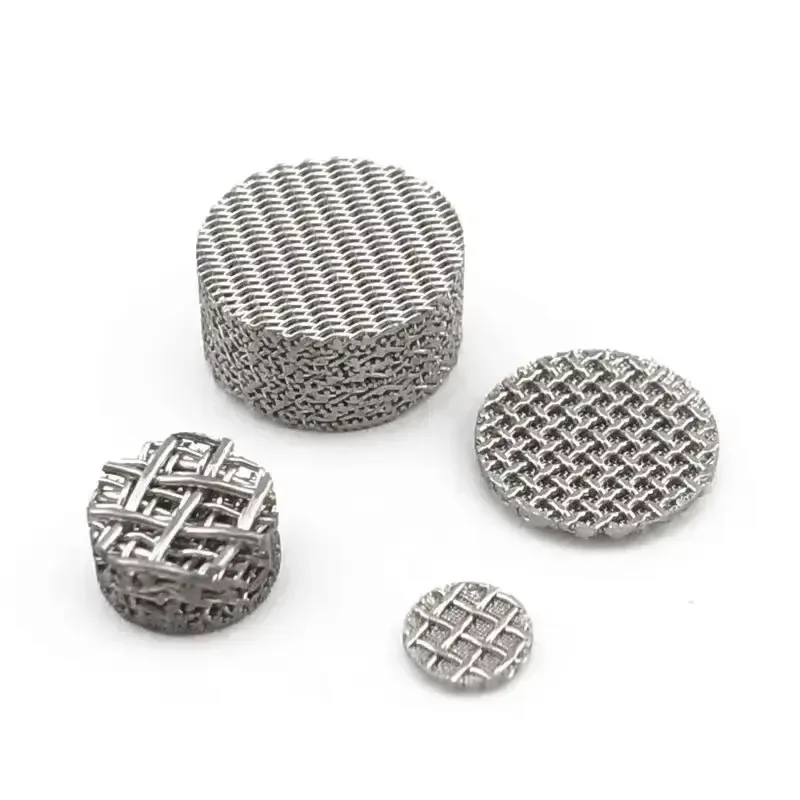
How to specify a custom metal filter
View detailsWoven mesh aperture and open area
View detailsFilter rating, aperture and beta ratio
View details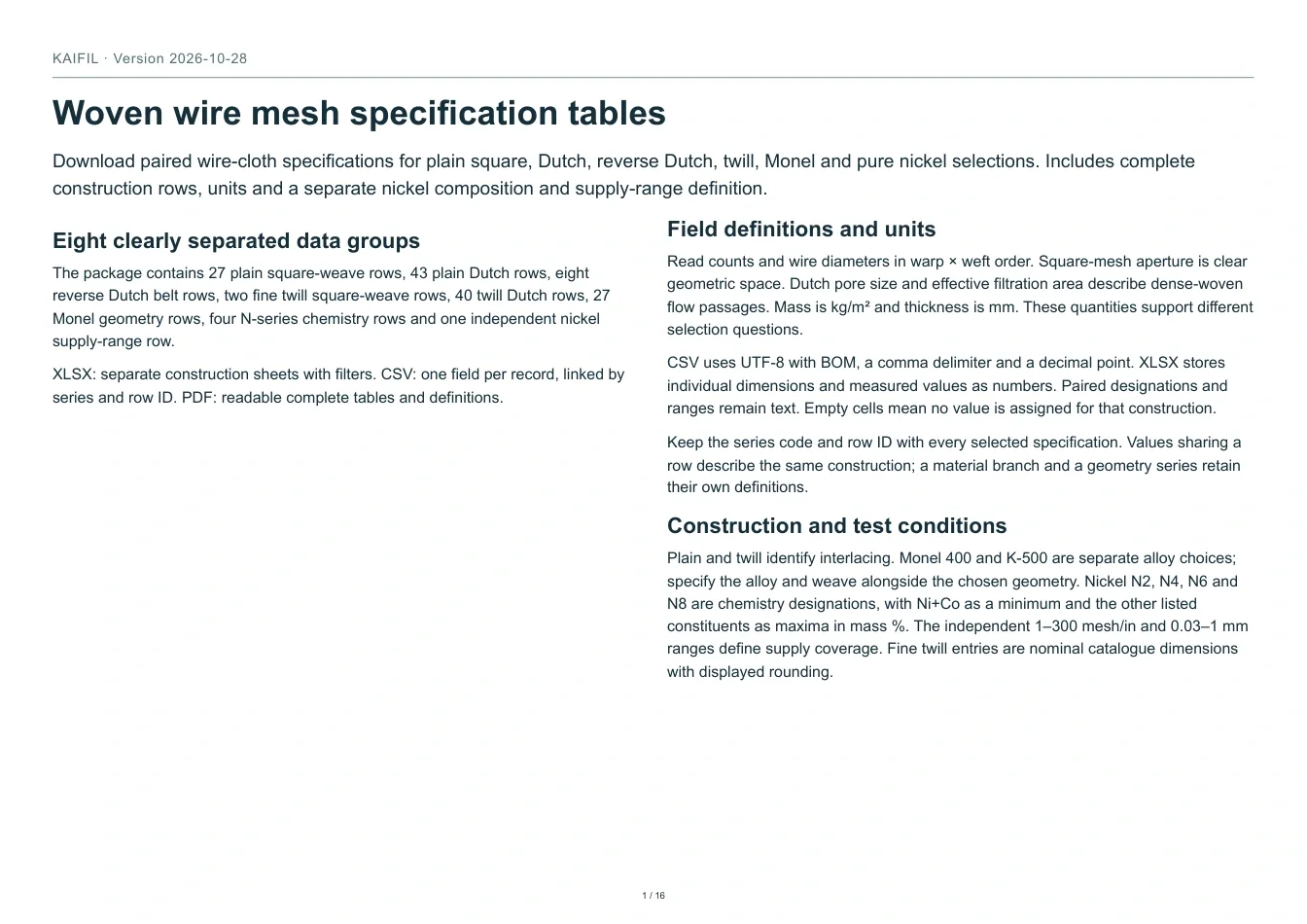
Woven wire mesh specification tables
View details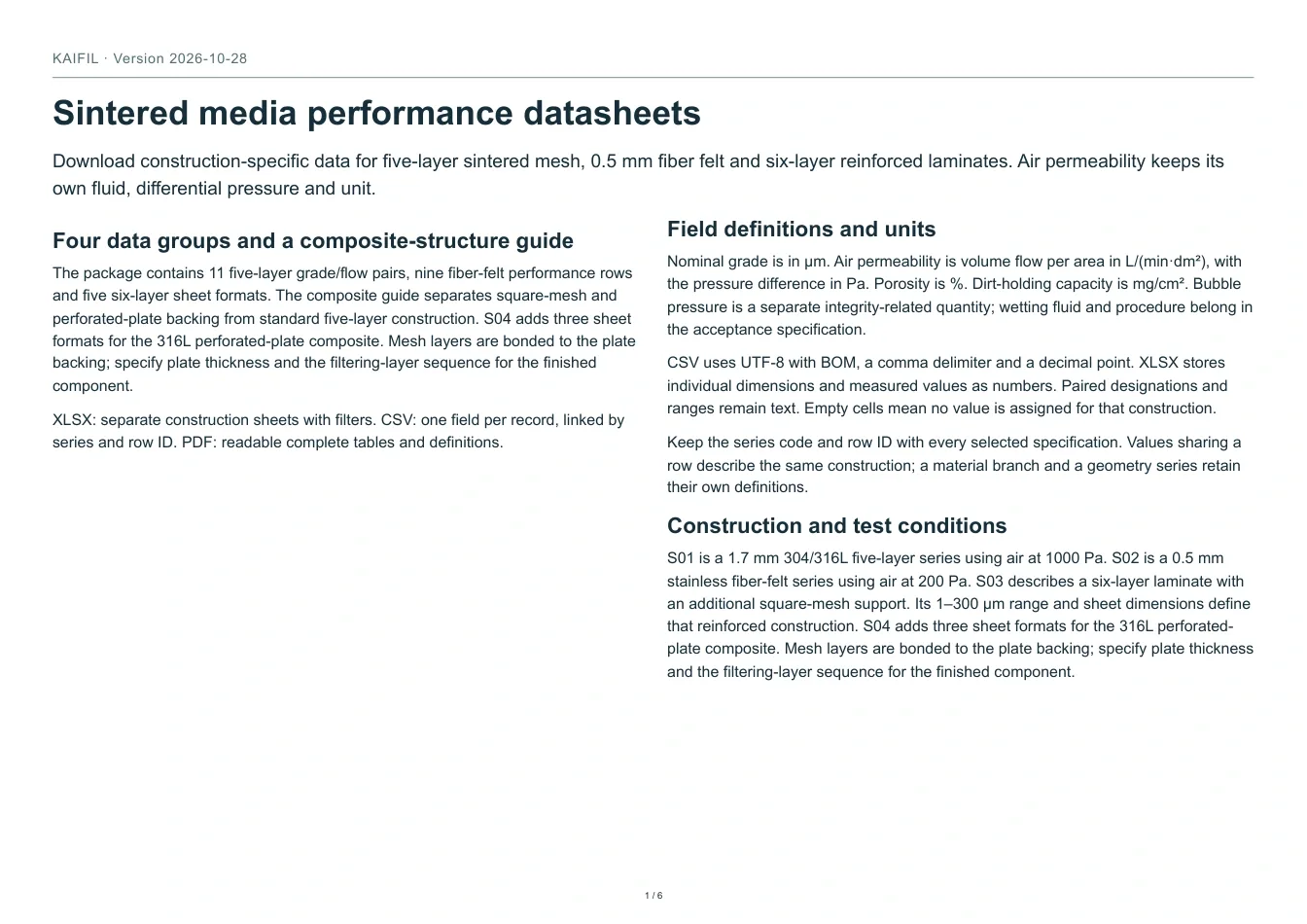
Sintered media performance datasheets
View details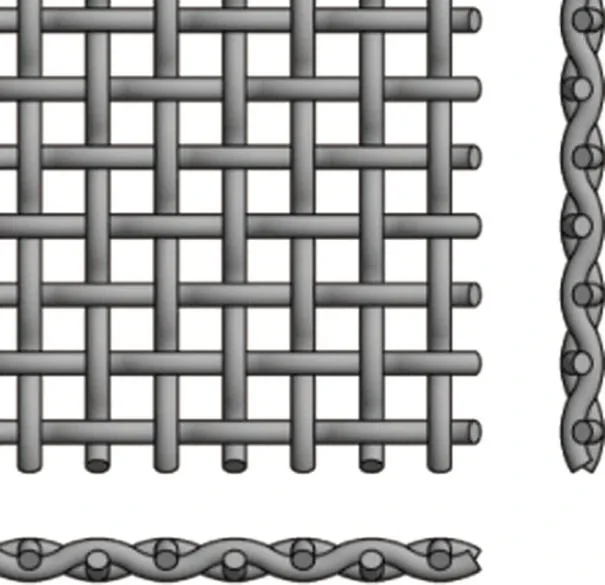
Plain, Twill, Dutch and Reverse Dutch Mesh Structures Compared
View details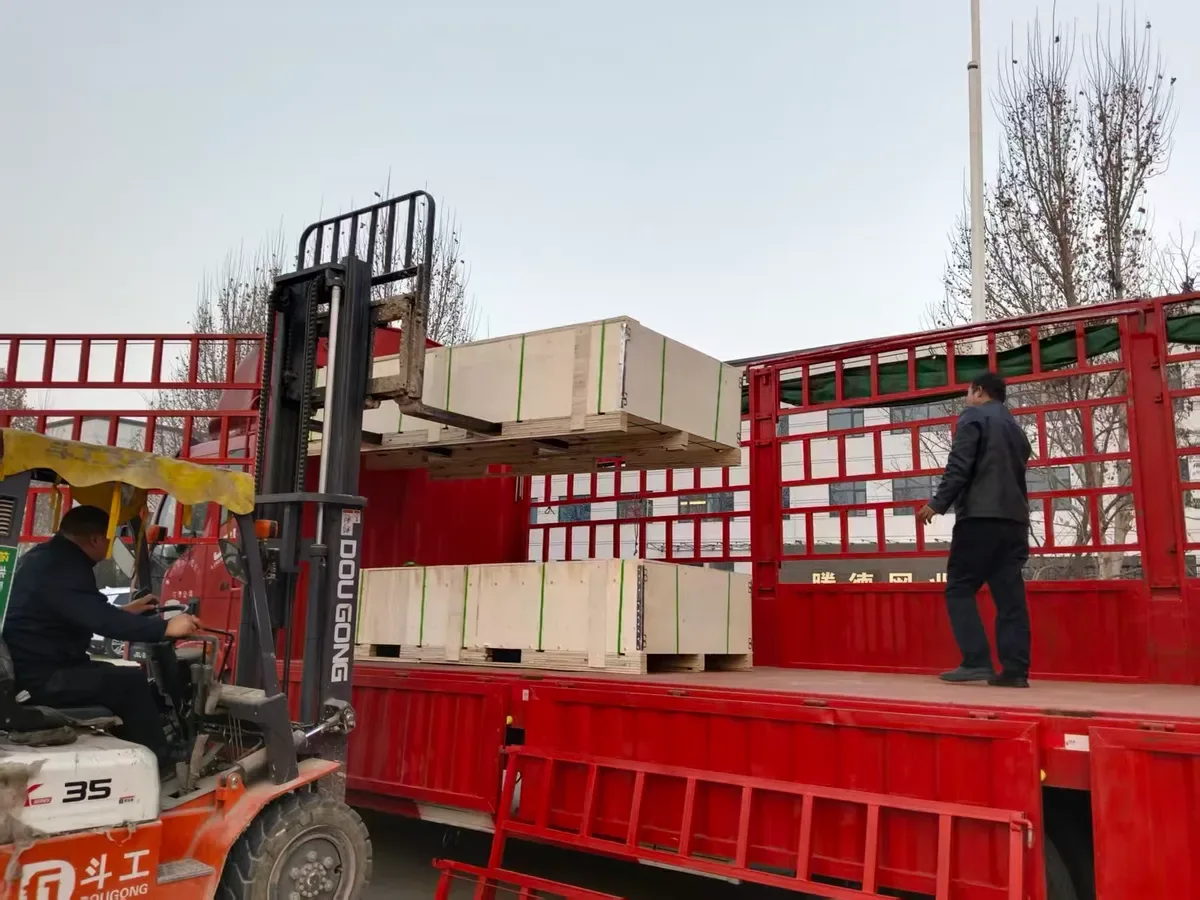
Wire mesh export packing and dispatch
View detailsTechnical enquiry
Define the dimensions, media, joints and inspection records before confirming the order.