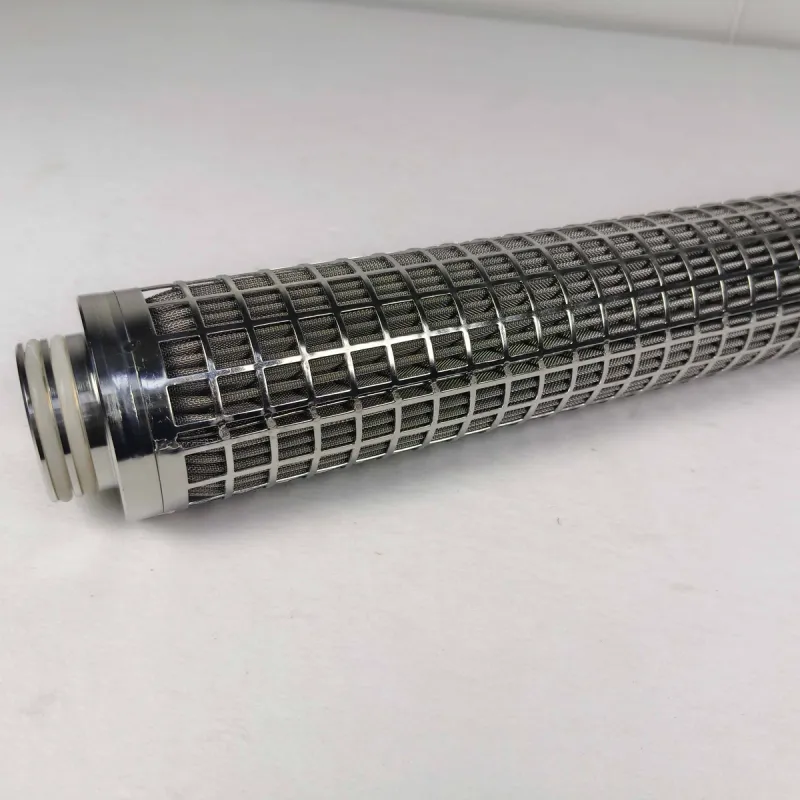
Pleated wire mesh filter cartridges
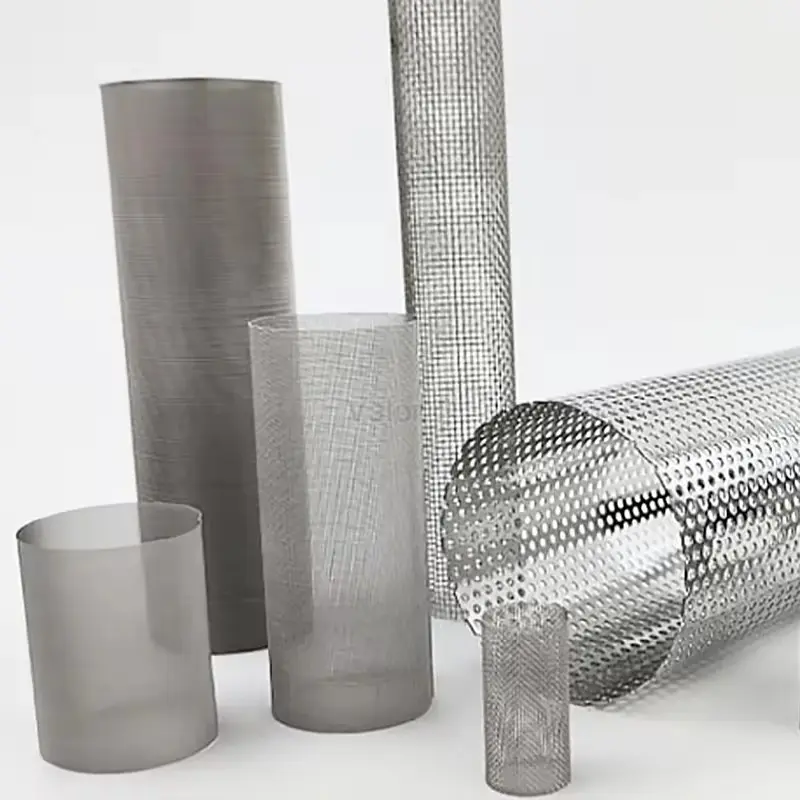
Pleated wire mesh increases the available filtering surface inside a cylindrical cartridge envelope.
Product detailsDrawing-based manufacturing
Plain, twill, Dutch and reverse-Dutch wire cloth for screening and filter fabrication. Square aperture depends on mesh count and wire diameter; dense Dutch weaves require their own retention and permeability data.
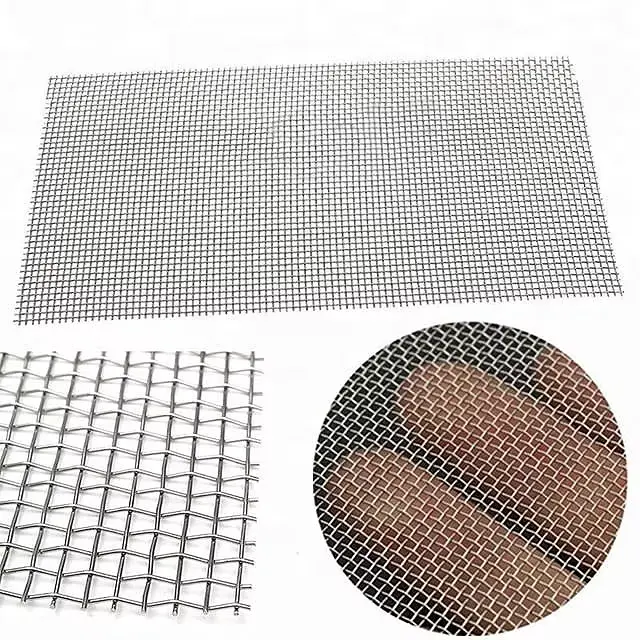
Choose by supply and fabrication
Define the weave and wire specification together with the delivery form and any downstream fabrication.
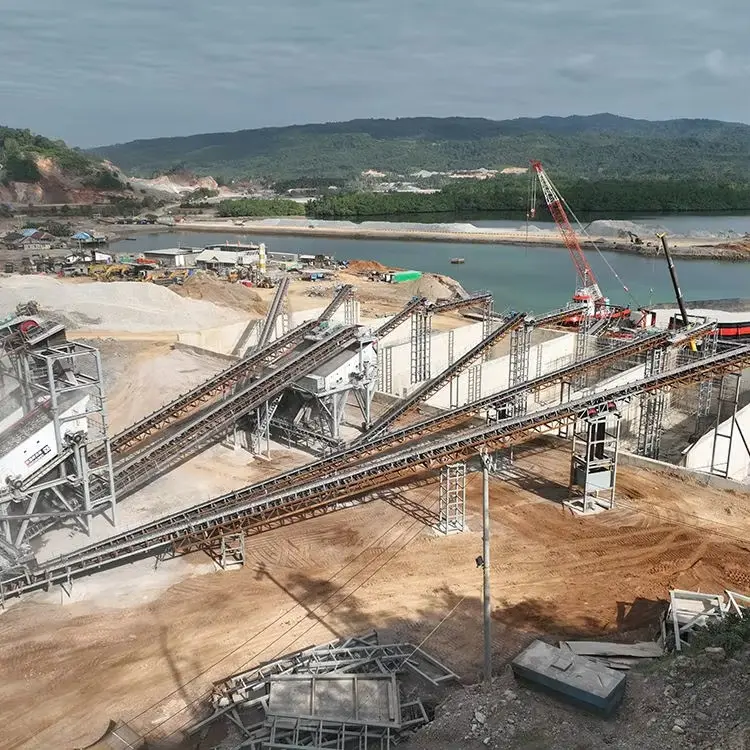
Continuous woven cloth supplied to defined width, length and winding requirements.
View matching products →Flat rectangular sheets for fabrication, screening or support.
View matching products →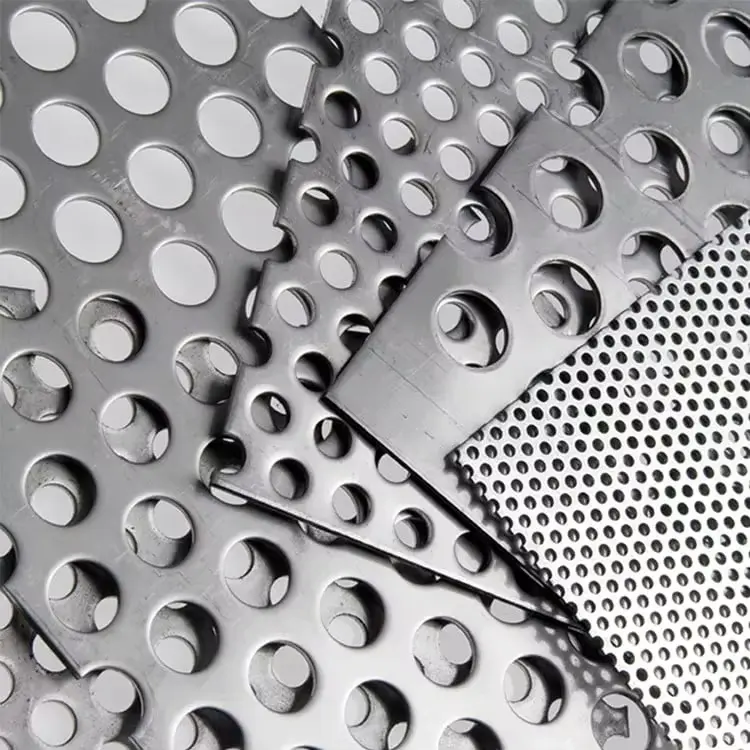
Narrow slit widths for winding, pleating, edge wrapping or assembly.
View matching products →Metal wire mesh
18 products
Pleated wire mesh increases the available filtering surface inside a cylindrical cartridge envelope.
Product details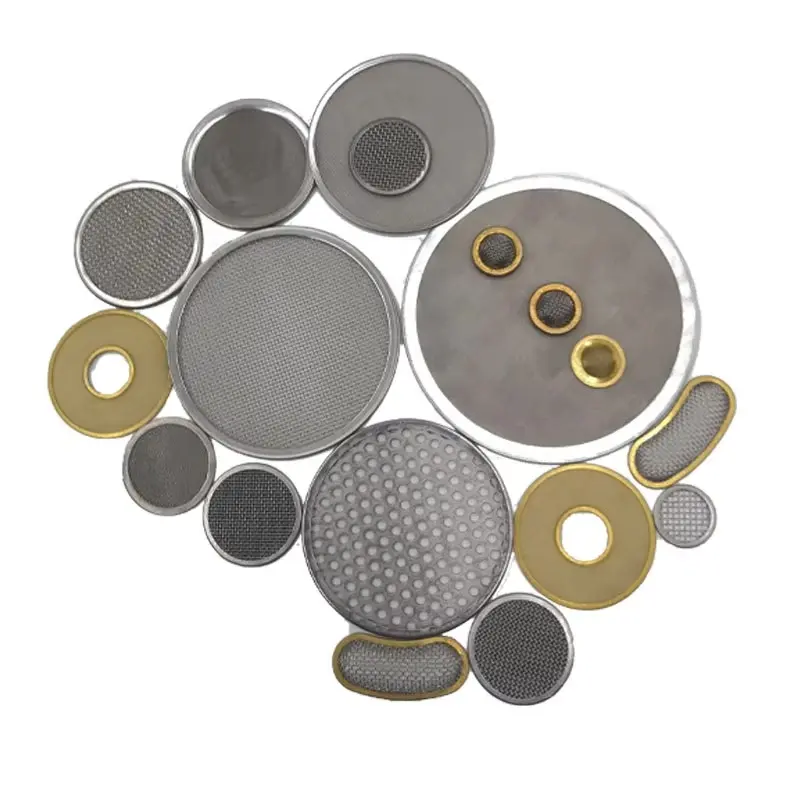
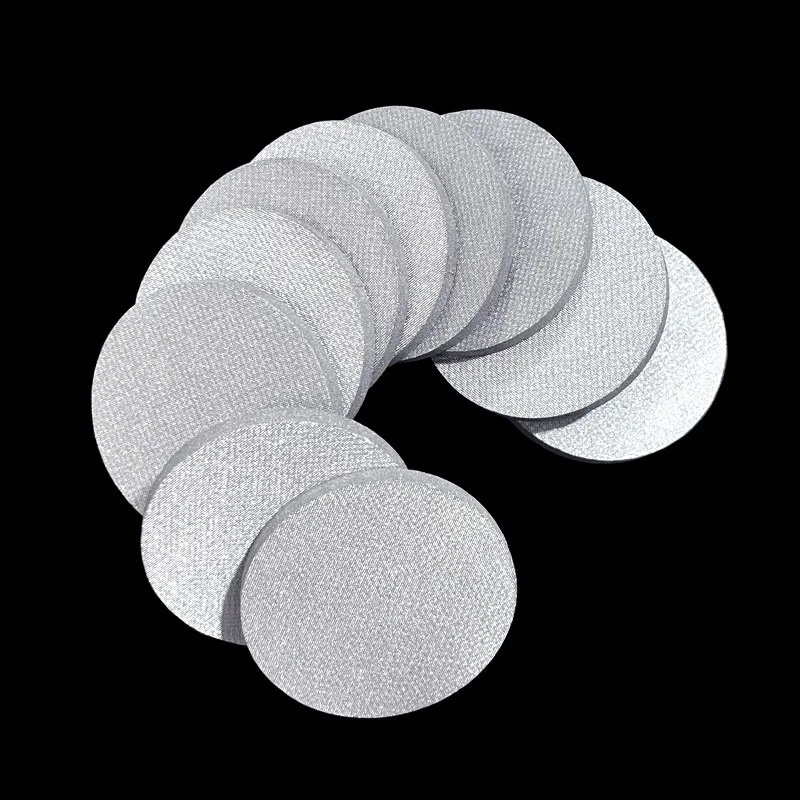
Custom wire mesh filter discs in round, annular and drawing-defined shapes.
Product details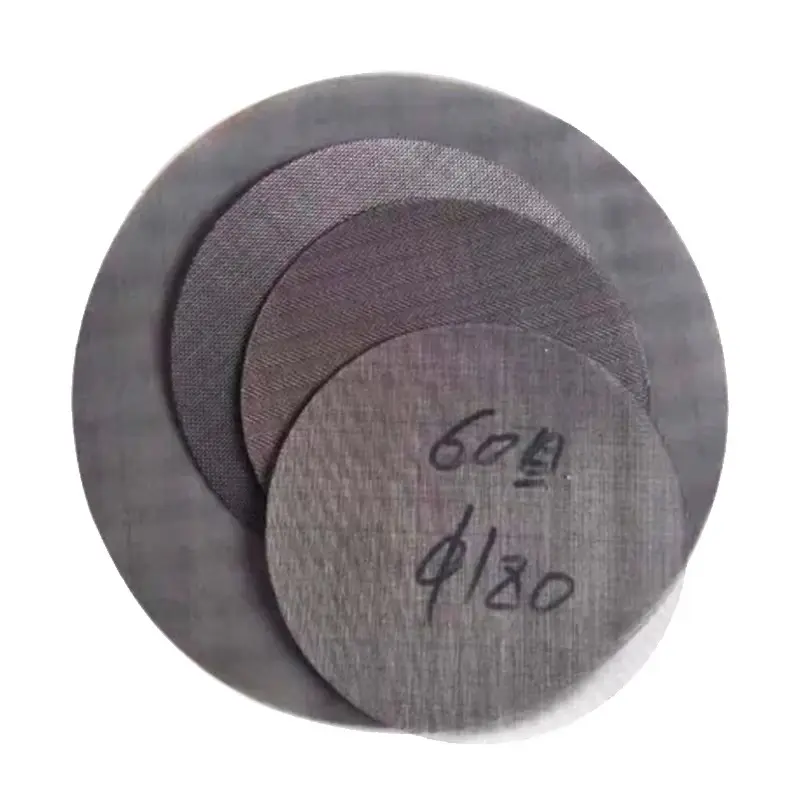
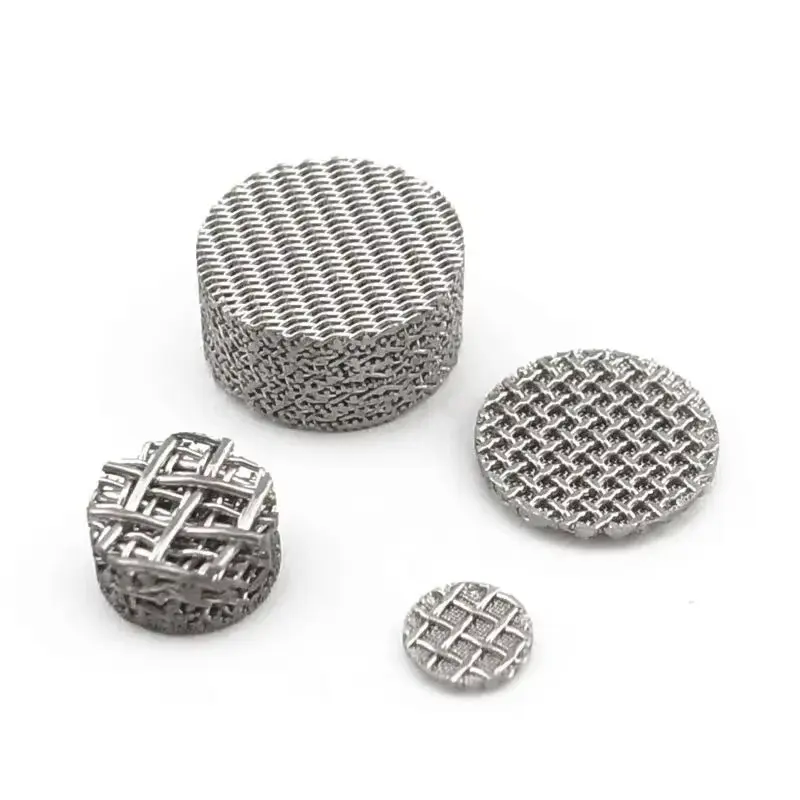
Multilayer screen packs combine a filtering mesh with selected support and drainage layers in one installable assembly.
Product details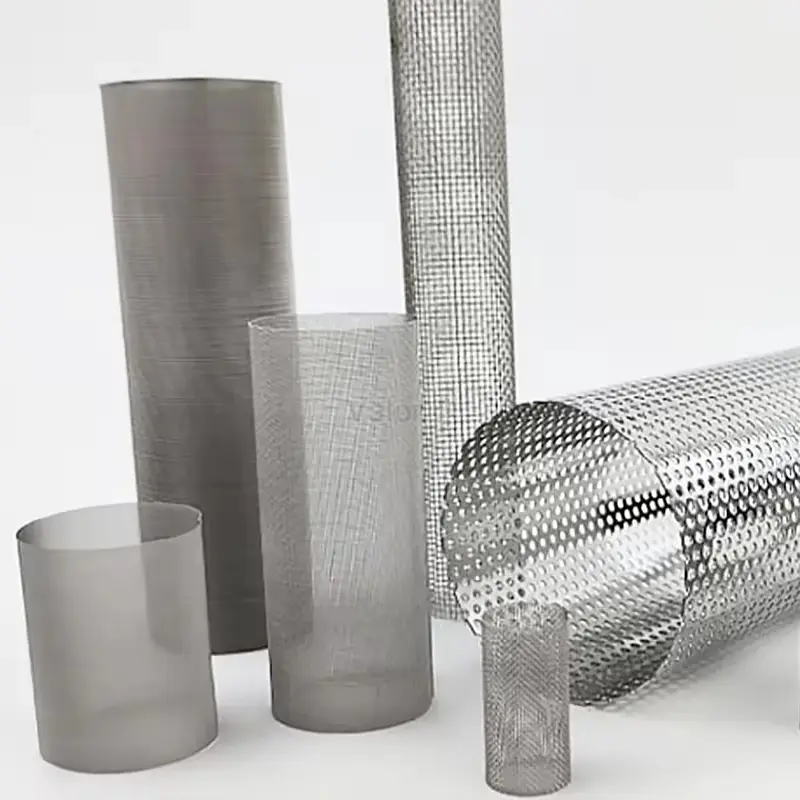
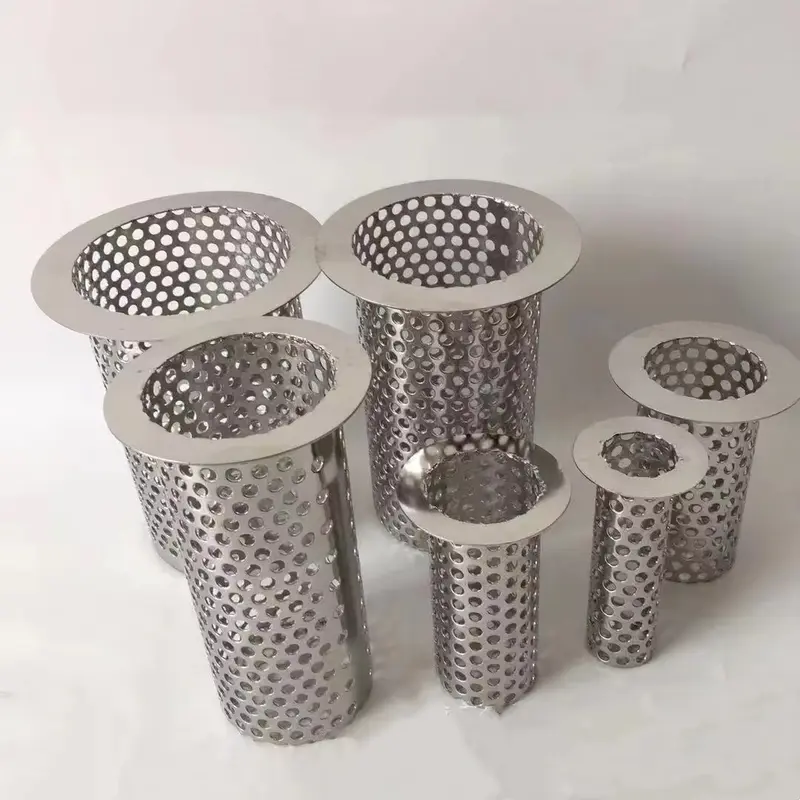
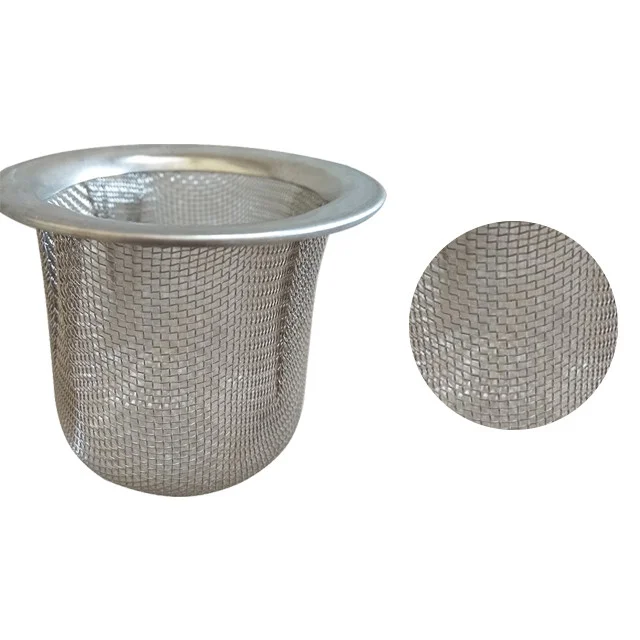
Open-ended welded mesh cylinder for removable screens and pump protection.
Product details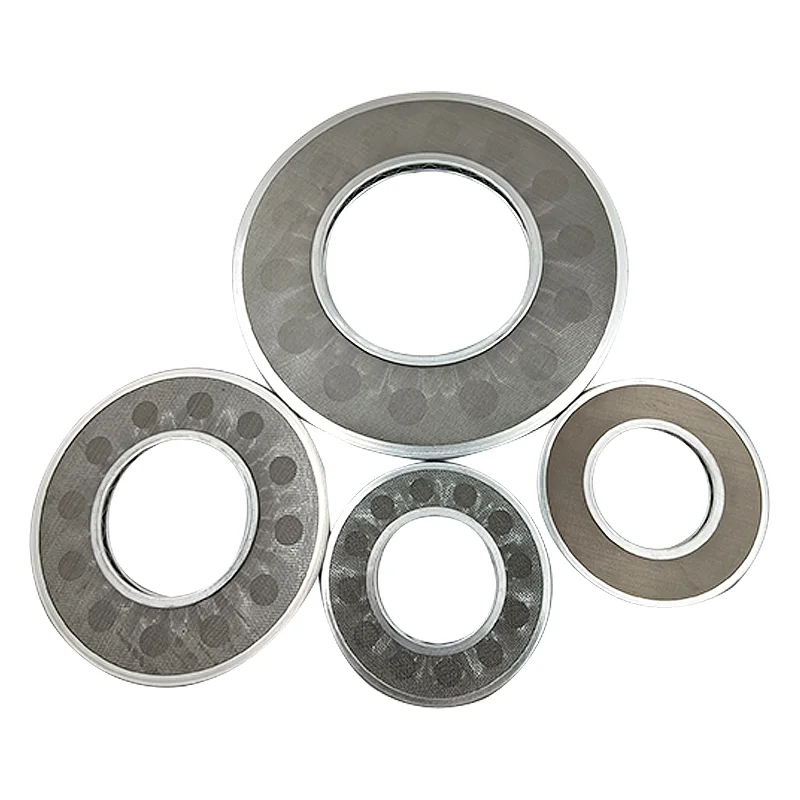
Ring-shaped mesh disc for an annular seat or central feed passage.
Product details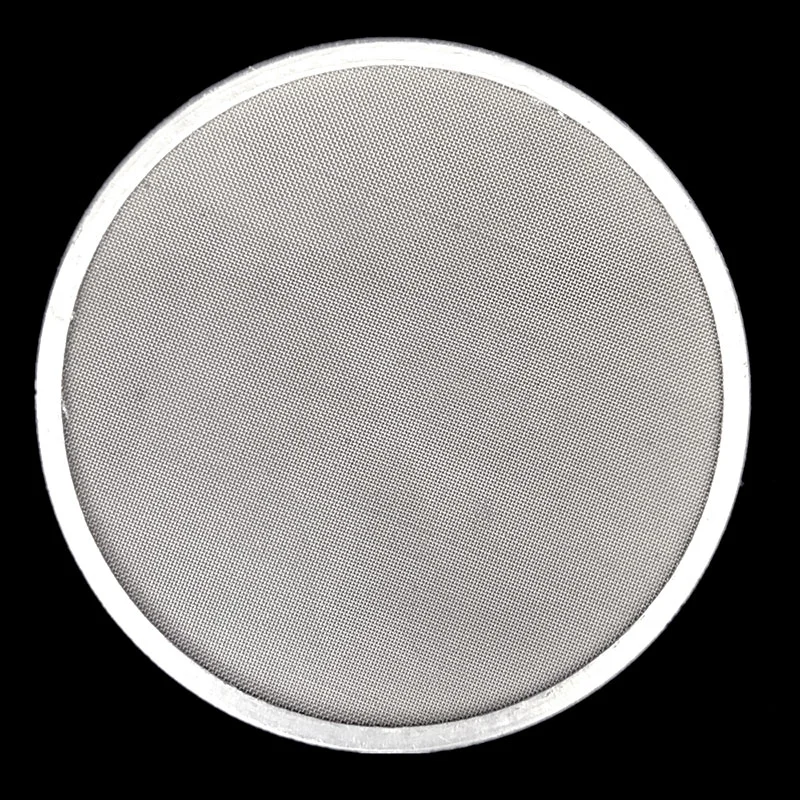
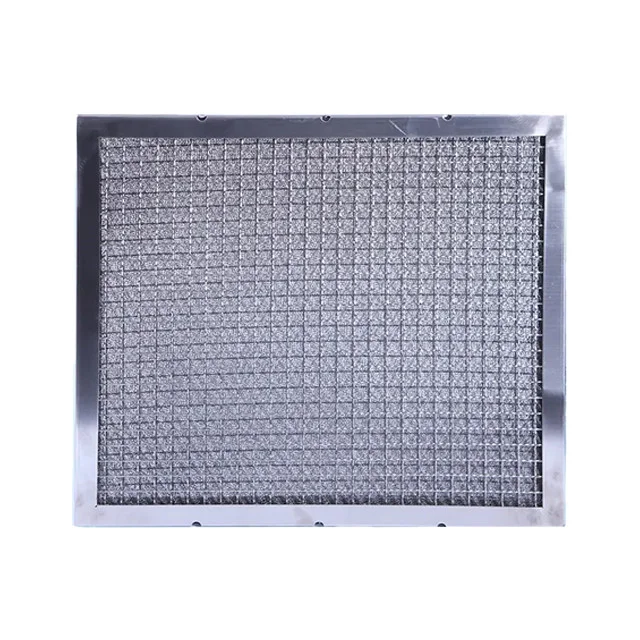
Mesh disc with retained metal perimeter for repeated handling.
Product details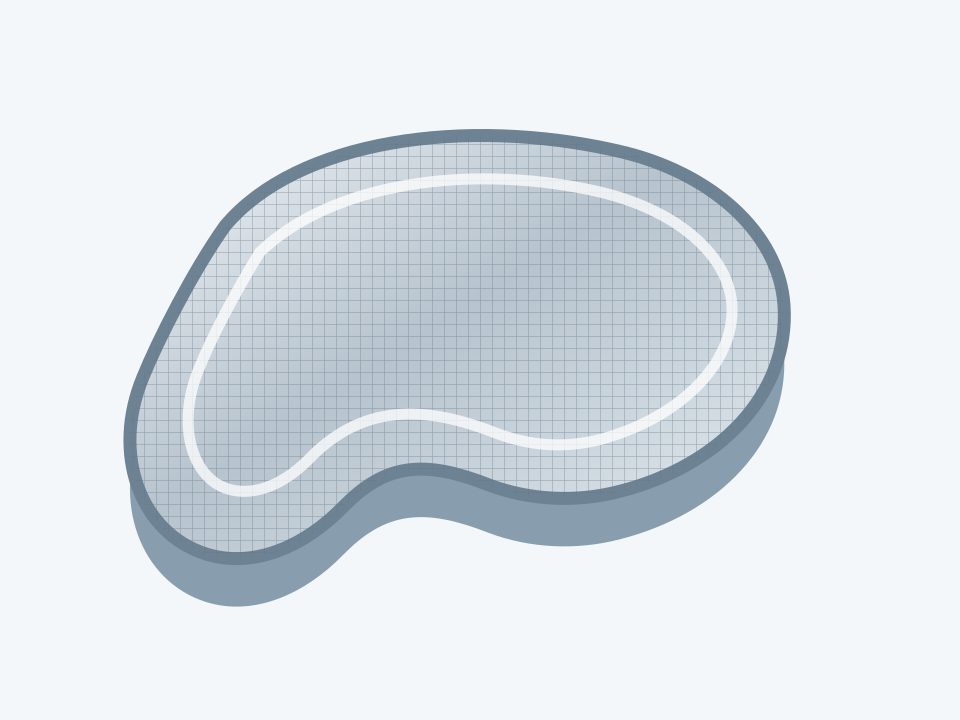
Non-circular multi-layer pack for kidney-shaped breaker-plate seats.
Product details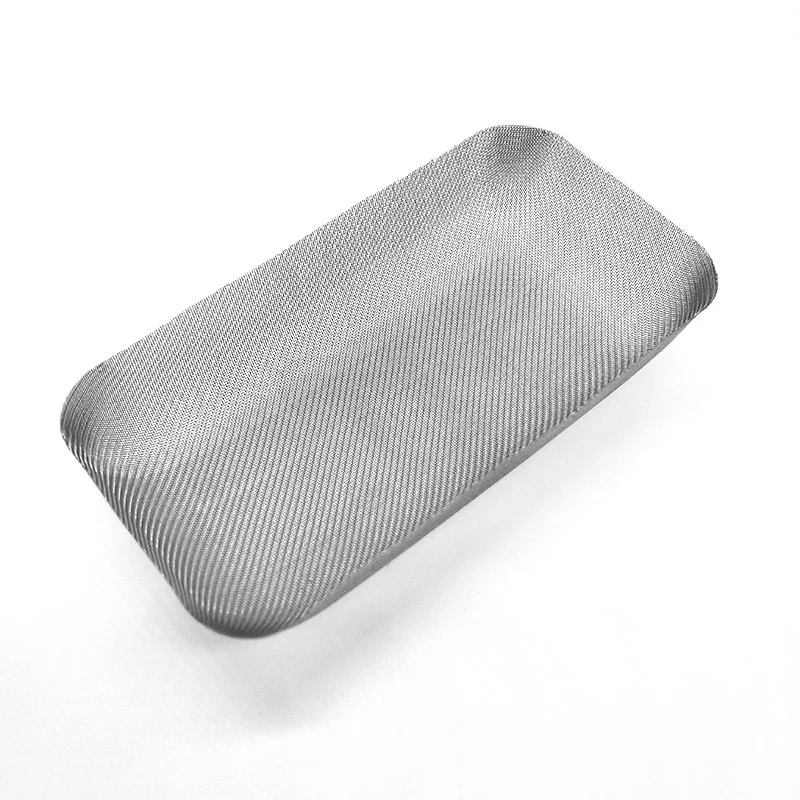
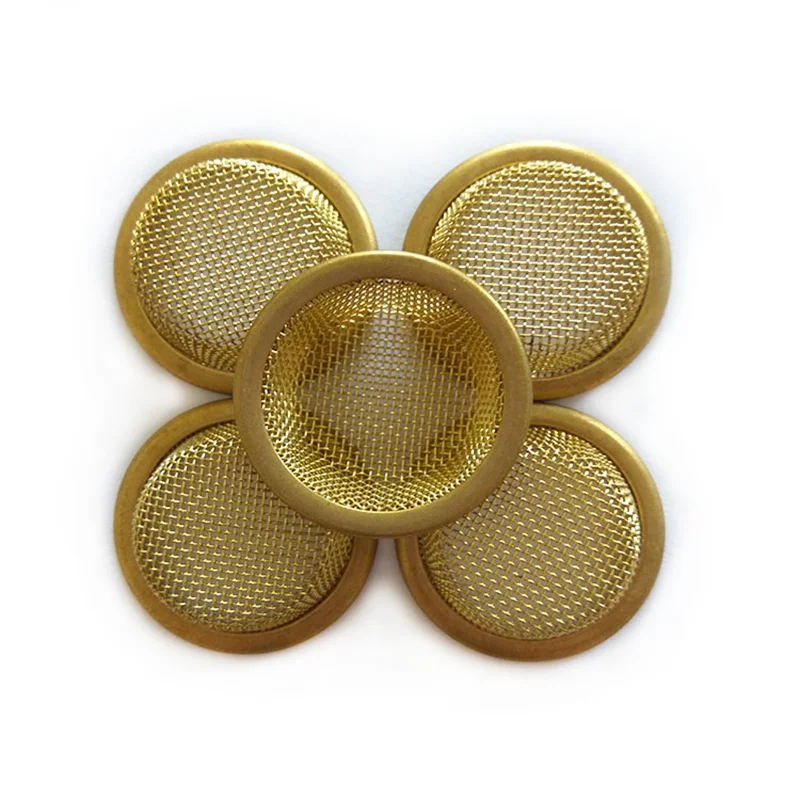
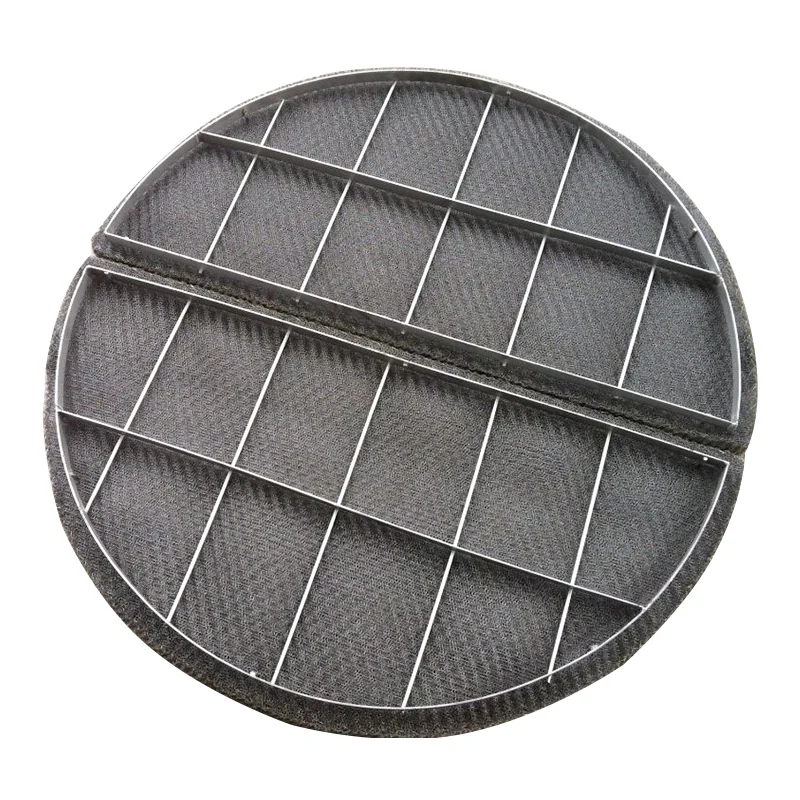
Circular or rectangular knitted mesh pad for entrained droplet removal.
Product details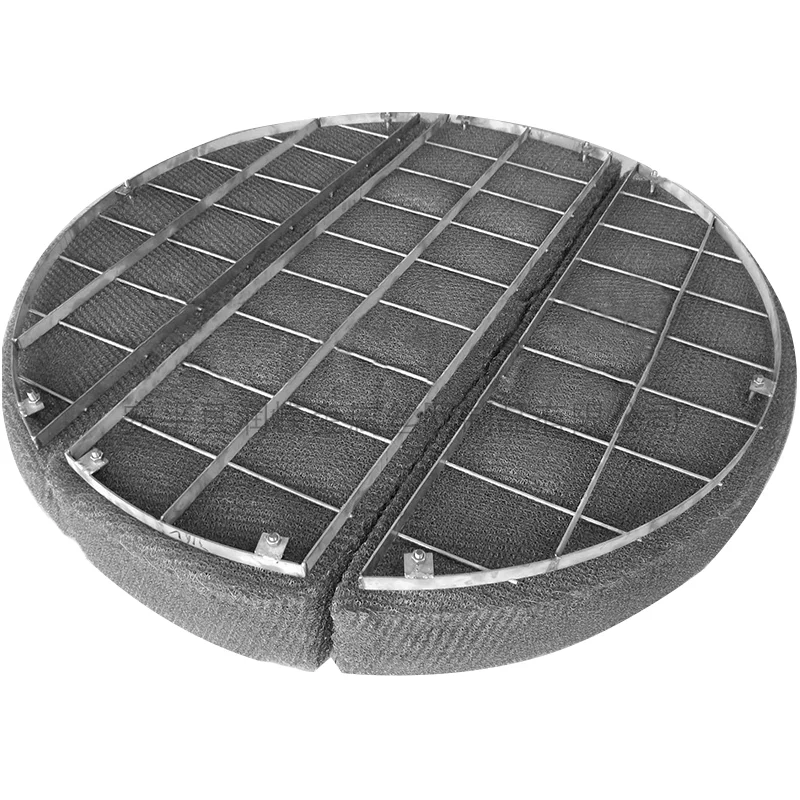
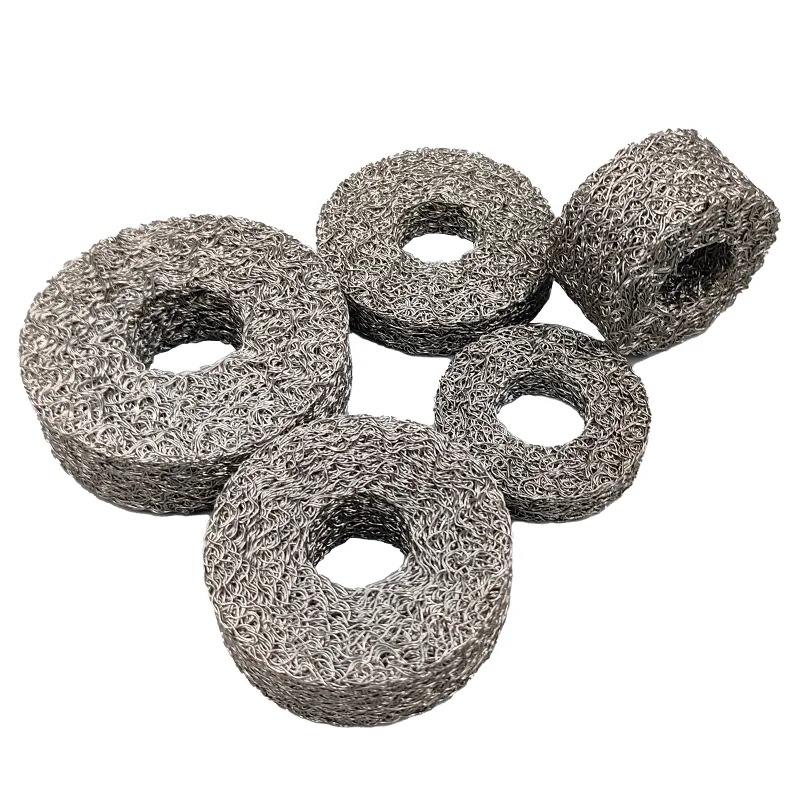
Dense formed knitted-mesh block for packing or gas-liquid service.
Product details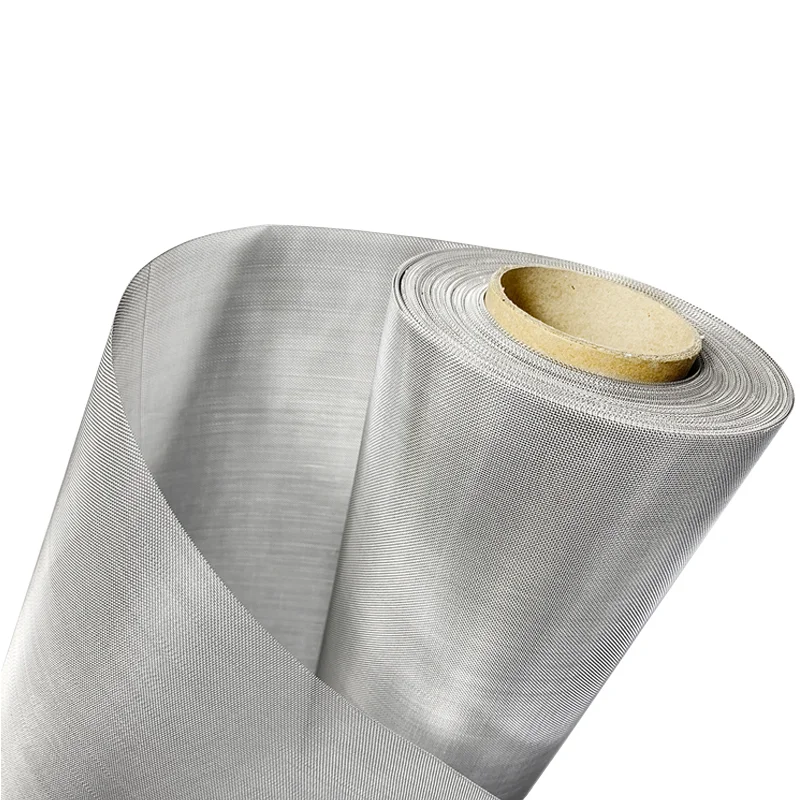
Longitudinally stable reverse Dutch weave strip for moving filters.
Product detailsClear filters
Mesh count alone cannot reproduce a filter cloth.
Defines the structure
Affects open area, strength and handling
Addresses environment and fabrication
Supports conversion
Establishes acceptance
Reveals forming, welding and support needs
Construction
Mesh count alone cannot reproduce a filter cloth.
| Construction | Application and fit | Confirm first | Find a product |
|---|---|---|---|
| Wire mesh rolls | The customer processes woven cloth from a continuous roll. | Width, length, core, weave orientation, edge and packing. | Filter matching products |
| Wire mesh sheets | The process begins with individual flat woven sheets. | Sheet size, orientation, flatness, edge and identification. | Filter matching products |
| Slit mesh strips | The manufacturing process needs a repeatable narrow mesh width. | Strip width, length, edge stability, orientation and spool. | Filter matching products |
Metal wire mesh
Choose a weave for the actual separation and fabrication route.
Discs, baskets and panels with defined geometric openings.
Dutch weaves for supported discs and cylinders.
Reverse-Dutch media where tension and tracking accompany filtration.
Alloy and mesh count are only part of the identification.
Metal wire mesh
Select wire diameter and clear opening together; mesh count alone does not define either aperture or flow area.
Read guide→How to compare woven openings, porous-media claims and test-rated filter elements without treating every micron number as equivalent.
Read guide→Metal wire mesh
No. Its scope concerns industrial woven wire cloth with square apertures. It is not a blanket performance certification for Dutch weave or complete filter elements.
No. With 0.10 mm wire, 100 openings per inch gives a calculated aperture of 154 µm. A different wire diameter changes the aperture.
Yes. Wire diameter changes the clear aperture at a given count. Quote mesh count together with wire diameter or specify the clear opening directly.
Define the dimensions, media, joints and inspection records before confirming the order.