
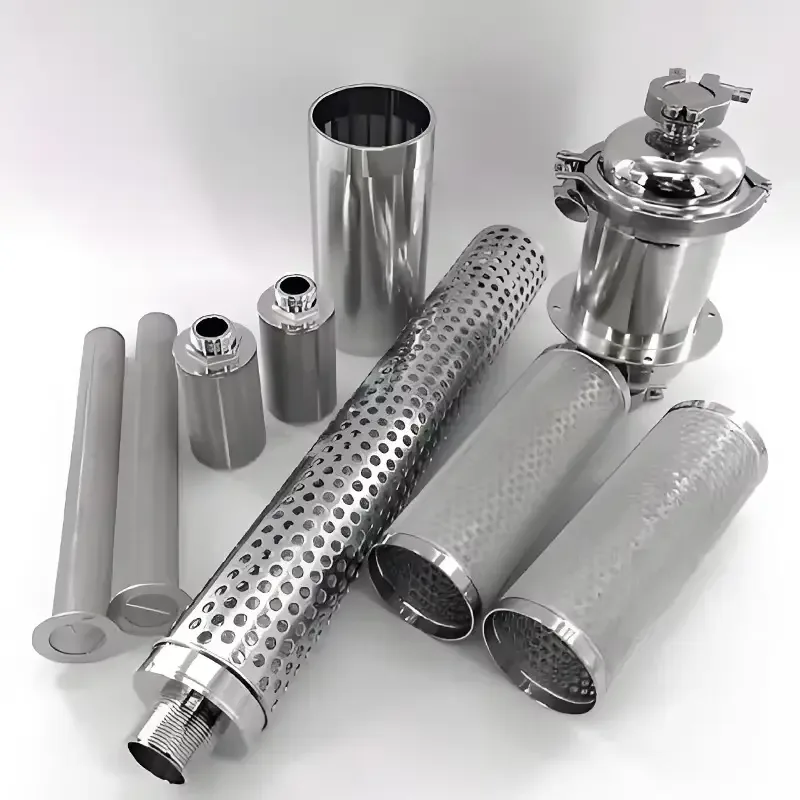
Sintered mesh filter cartridges
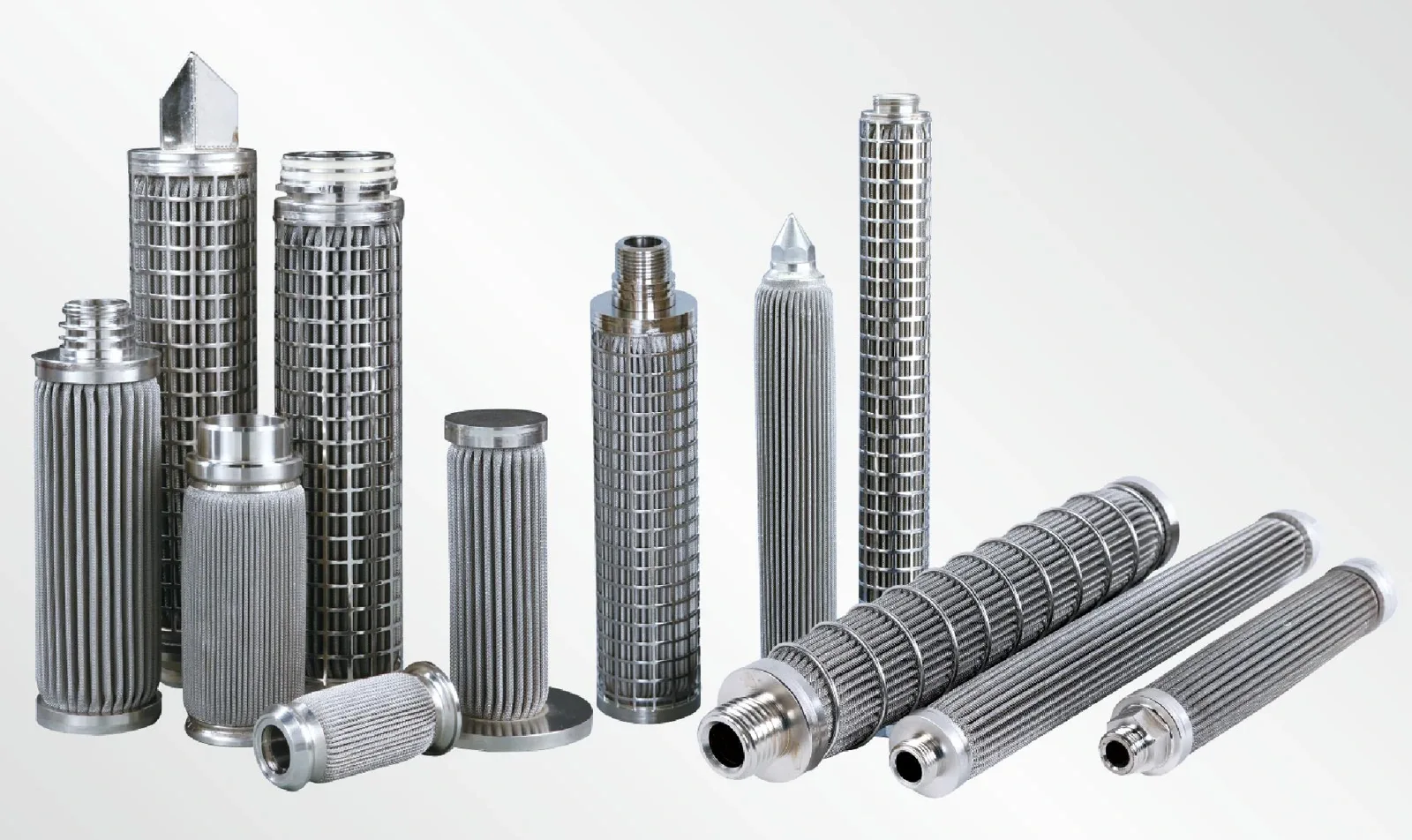
Kaifil manufactures reusable stainless steel sintered mesh cartridges with rigid bonded media, welded seams and threaded, plain-end or O-ring connections.
Product detailsDrawing-based manufacturing
Sintered wire mesh, metal fiber felt and sintered-powder media are supplied as sheets, discs and cartridges. Specify pore structure, filtration grade, thickness, support and end connections with the test conditions and cleaning acceptance.
Construction
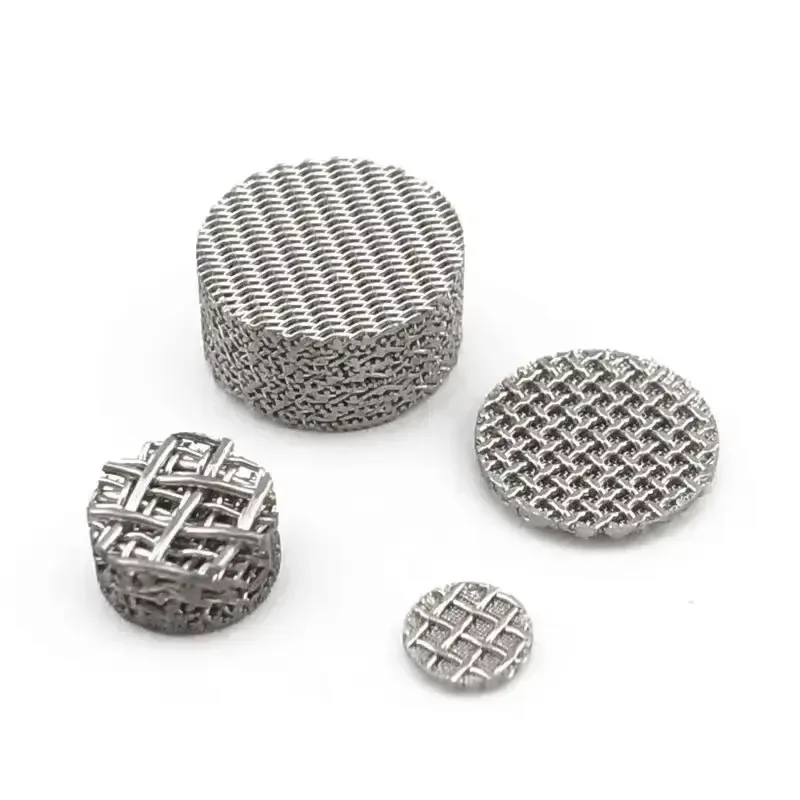
Sintered mesh bonds woven layers into a stable laminate; fiber felt uses a network of fine metal fibers; sintered-powder media forms interconnected pores between bonded particles. These structures have different pore paths and support needs even when their grade labels use the same unit.
Choose the sheet or felt product for further fabrication and the disc or cartridge product for an installed component. The structure comparison guide explains the three media families, while the performance downloads retain each series with its own thickness and test conditions.
Disc clamping lands, cartridge weld bands and end connections are designed around the filtering layer. Keep active area separate from joined or covered surfaces. The support carries the normal differential-pressure load and the load during reverse cleaning.
Record the assembled flow path, joining method and seal location with the media grade. After cleaning, inspect the filtering surface, supports and joints against the original acceptance criteria. This connects media selection to the actual reusable component.
Equal nominal ratings do not make different porous structures interchangeable.
| Construction | Application and fit | Confirm first | Find a product |
|---|---|---|---|
| Sintered filter discs | The installation uses a flat sintered element. | Outline, thickness, media grade, edge and sealing width. | Filter matching products |
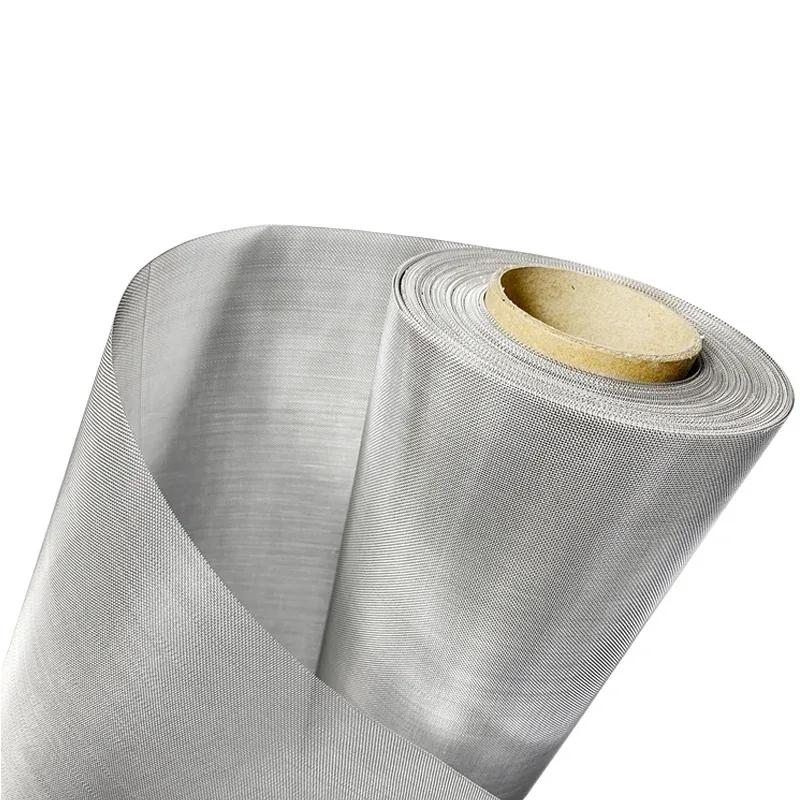
| Sintered media sheets | The customer needs bonded porous material in sheet form. | Sheet size, thickness, layer construction, flatness and packing. | Filter matching products |
| Sintered filter cartridges | The porous media must install as a replaceable cartridge. | Envelope, end connections, seals, support, media and cleaning. | Filter matching products |
Choose by finished form
Define the porous media family and finished geometry together with flow, differential pressure and cleaning requirements.
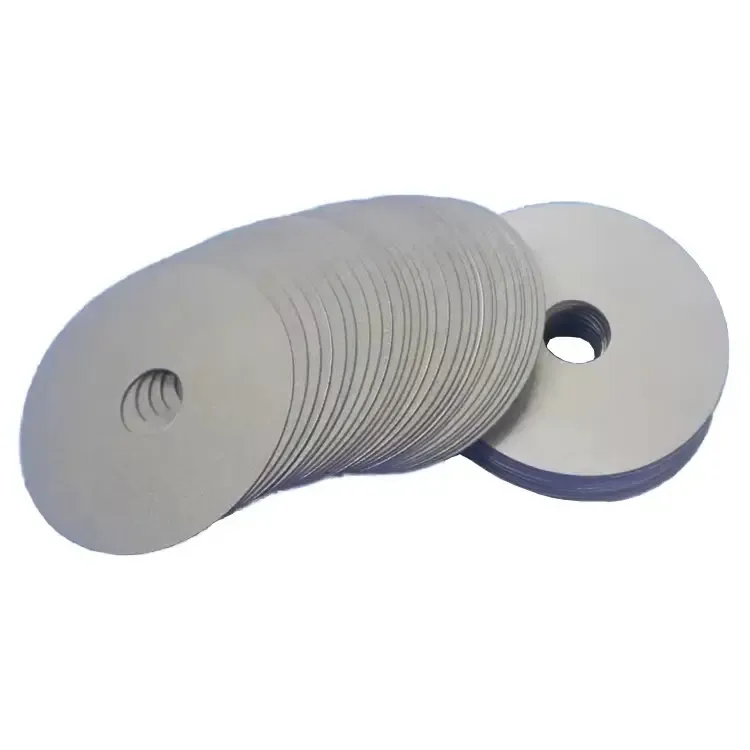
Flat porous discs cut to round, annular or drawing-defined outlines.
View matching products →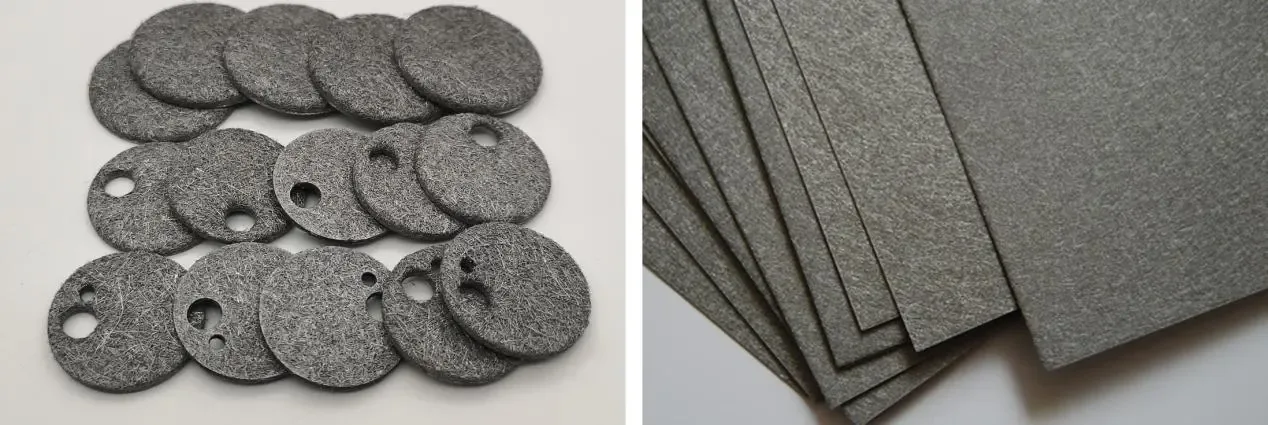
Flat bonded media supplied for cutting, forming or integration.
View matching products →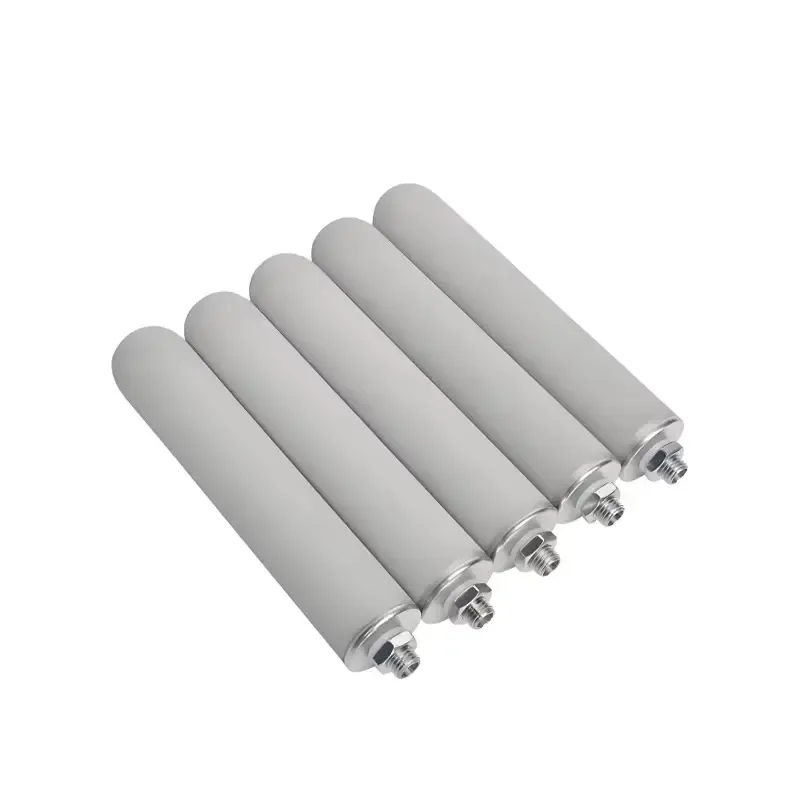
Finished porous elements with drawing-defined supports and end connections.
View matching products →Sintered metal filters and media
8 products
Kaifil manufactures reusable stainless steel sintered mesh cartridges with rigid bonded media, welded seams and threaded, plain-end or O-ring connections.
Product details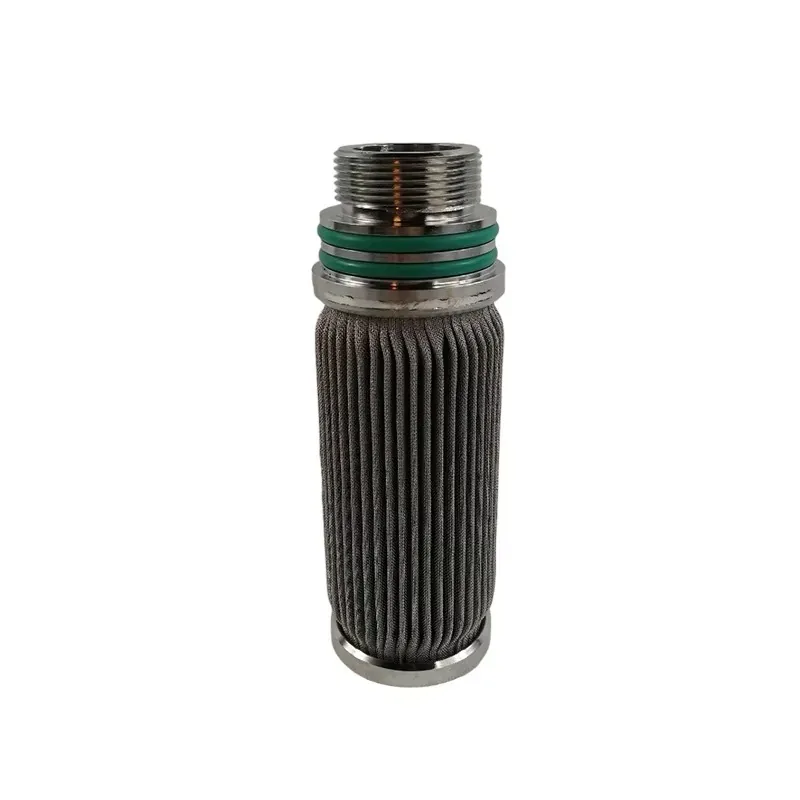
Kaifil manufactures pleated and cylindrical sintered metal-fiber felt cartridges.
Product details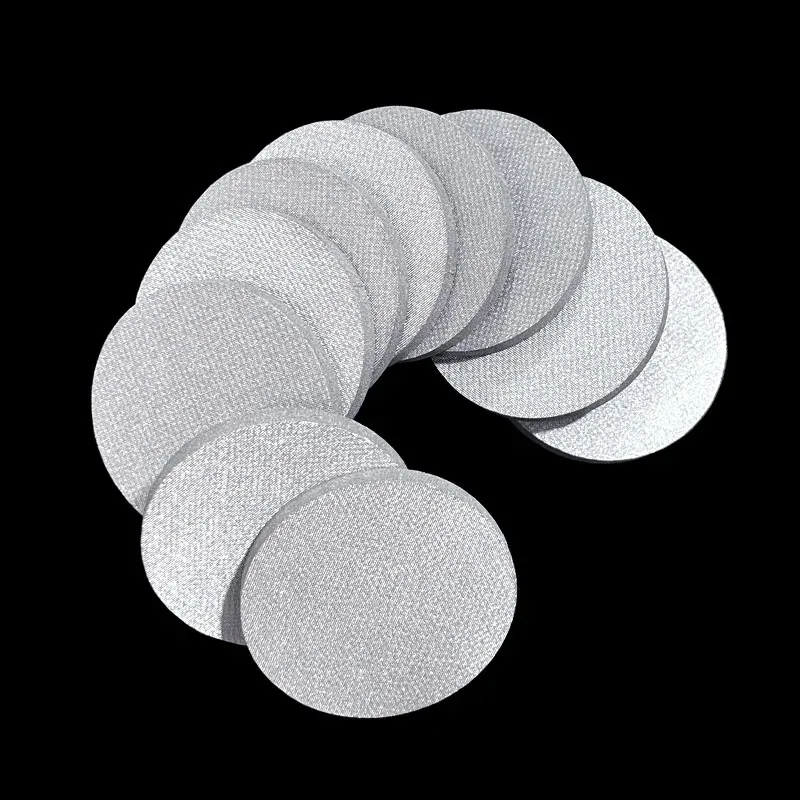
Sintered-mesh filter discs are rigid bonded laminates for defined openings and repeated handling.
Product details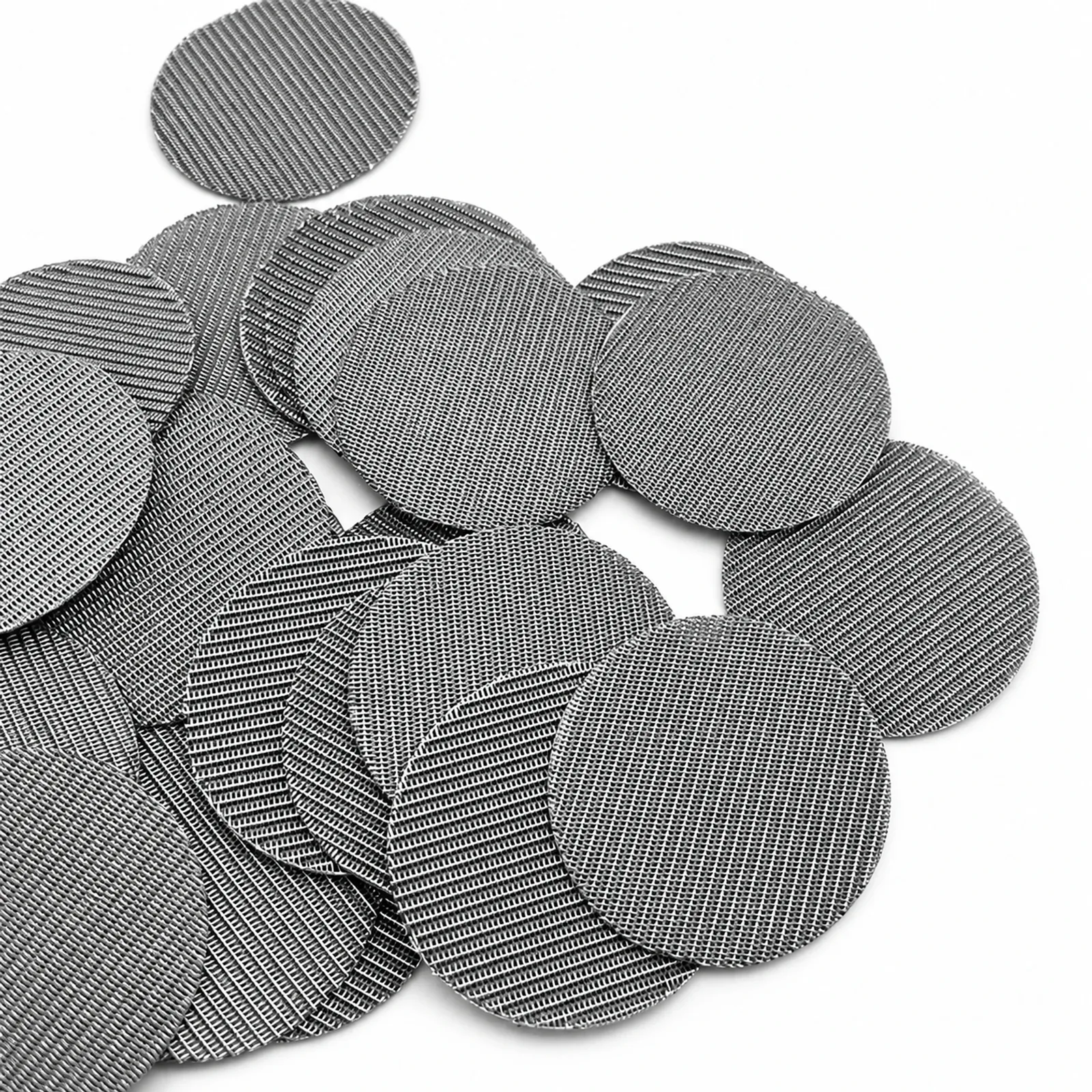
Five-layer sintered coffee discs in 51, 53.5 and 58.5 mm diameters, 50/100/150 µm grades, with seating, face orientation and cleaning details.
Product details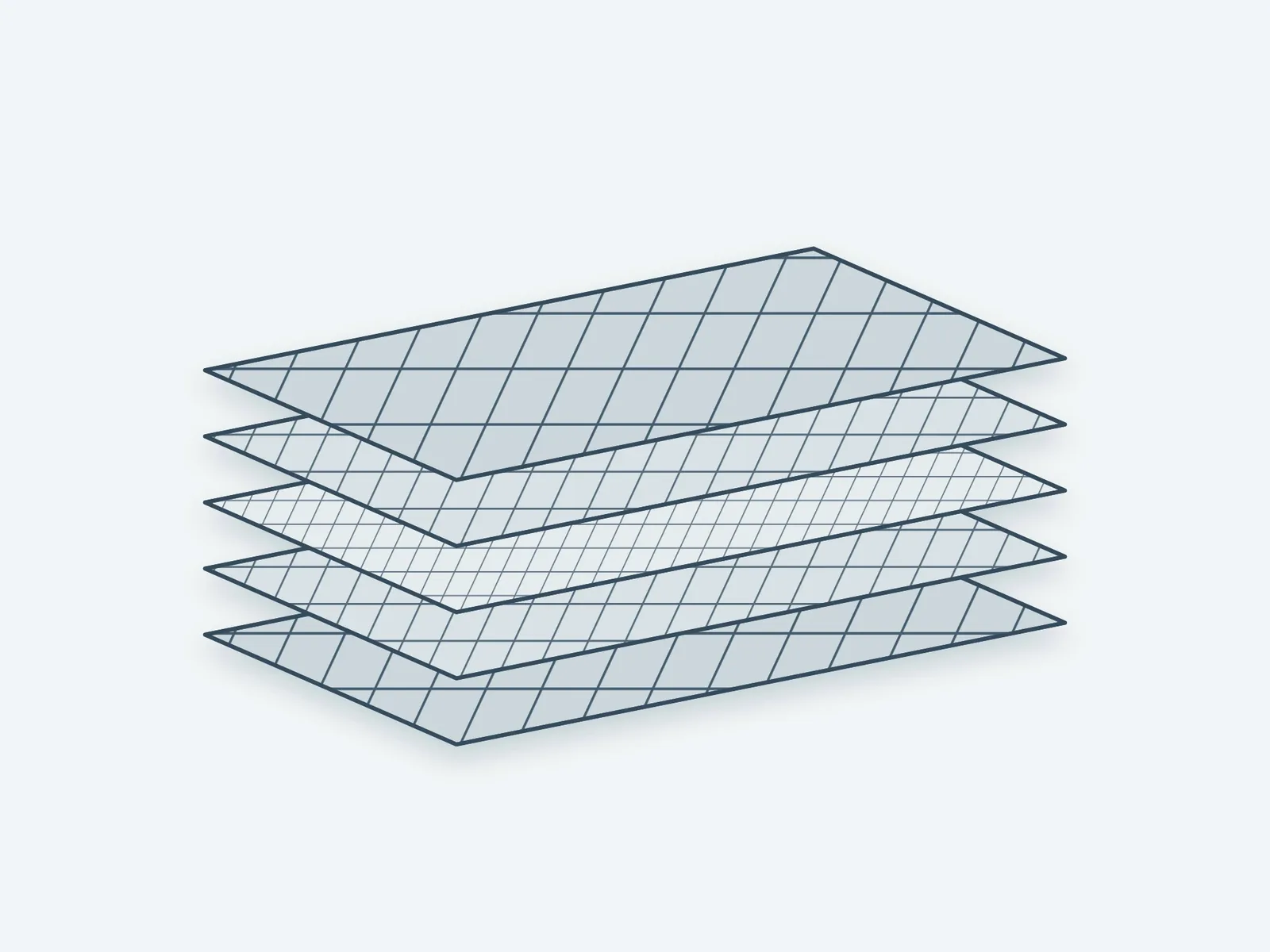
Kaifil supplies 304 and 316L five-layer sintered wire mesh for filter discs, panels and cartridges.
Product detailsKaifil supplies stainless steel sintered fiber felt for pleated cartridges and porous filter components.
Product details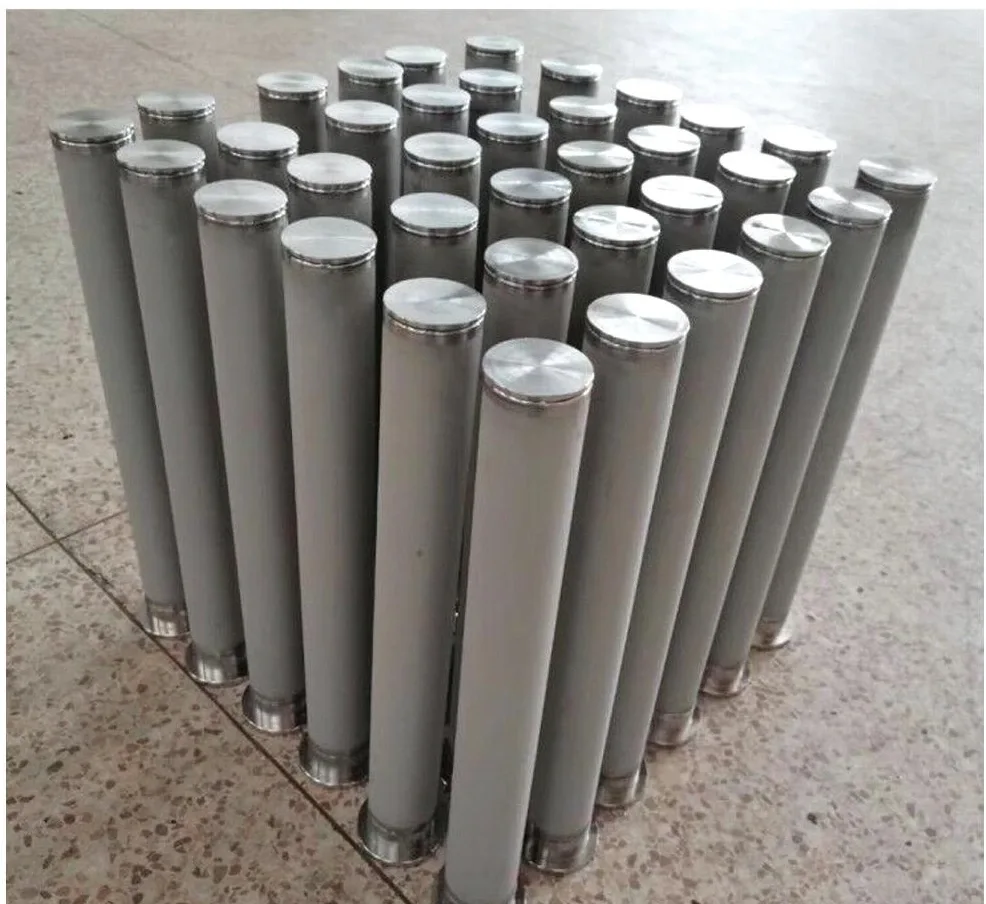
Rigid porous metal tubes, cups and discs made by compacting and sintering metal powder.
Product details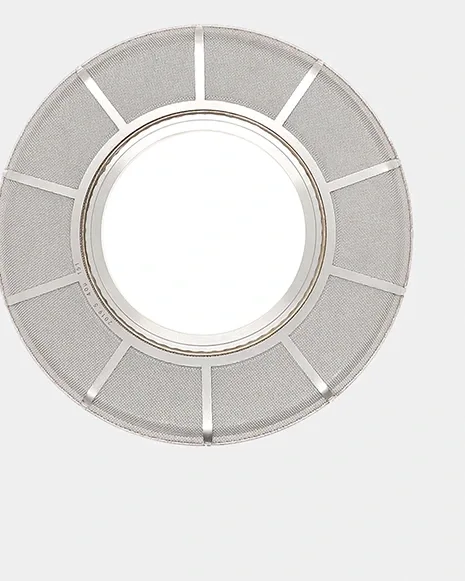
Metal leaf discs combine two filtering faces, an internal drainage support and a central collection hub.
Product detailsClear filters
A sintered element is specified by rating, structure and allowable pressure drop together — porosity alone does not define it.
Distinguishes mesh, powder and fiber structures
Supports flow comparison
Defines fabrication route
Guides support and joint design
Guides material and reuse review
Establishes acceptance
| Parameter | Record with the value | Comparison basis | Component check |
|---|---|---|---|
| Filtration grade | Test method and medium | Same retention definition | Filter-layer designation |
| Permeability | Fluid, pressure difference and thickness | Same test conditions | Active flow area |
| Area | Exposed face, weld bands and covered zones | Installed rather than blank area | Clamping and support |
| Cleaning | Direction, method and acceptance criteria | Same fouling and cleaning sequence | Media, joints and seals |
Sintered metal filters and media
Sintered elements combine a defined pore structure with a metal support system for process filtration, reusable cartridges and flow distribution. Material, construction and operating conditions are specified together.
Rigid discs and tubes for process housings.
Fiber felt or suitable laminate for increased filtration area.
Porous parts for flow distribution require permeability specifications, not only particle ratings.
Match dimensional inspection, pore-structure checks and the specified retention test to the finished component.
Verify media grade, thickness, layer orientation and alloy.
Use the specified integrity or bubble test where applicable.
Inspect welded and machined edges that can introduce bypass.
Compare the cleaned surface and flow response with the accepted initial condition; check support, seams and seals as parts of the same assembly.
Five-layer sintered mesh is a rigid diffusion-bonded laminate supplied as sheet or cut blank. Its protective, control, drainage and support layers are specified as one medium grade.
Metal-fibre felt sheets are porous depth media supplied for cutting, pleating and element fabrication. Fibre grade, thickness, permeability and downstream support determine the finished filter.
Sintered metal filters and media
How to compare woven openings, porous-media claims and test-rated filter elements without treating every micron number as equivalent.
Read guide→Set the cleaning sequence and reuse acceptance around deposits, media structure, joints and seals.
Cleaning reusable metal filter elements→Compare mesh, felt and powder by pore structure, support and fabrication route.
Sintered Mesh, Fiber Felt and Metal Powder: Structure and Selection→Download series-specific performance tables with fluid, pressure difference and specimen thickness.
Sintered media performance datasheets→Define sealing surfaces, locating features and load paths for the cartridge-to-housing connection.
Metal Filter End Connections: DOE, SOE, 222, 226, Threads and Flanges→Sintered metal filters and media
The specified bubble test checks the permeable structure under defined wetting and pressure conditions. Record the test liquid, pressure and acceptance criterion with the result; particle-retention testing establishes the filtration performance.
Inspect the filtering surface, supports, joints and seals, then compare the specified flow or integrity result with the accepted initial condition. Release the element when it meets the defined cleanliness and structural criteria.
State the particle or pore test, test fluid, flow conditions and acceptance criterion with the grade. Compare sintered mesh, metal fiber felt and sintered-powder media on that stated basis.
Keep test fluid, differential pressure and specimen thickness with every value. Compare matching conditions within a defined media series, then size the exposed area in the component.
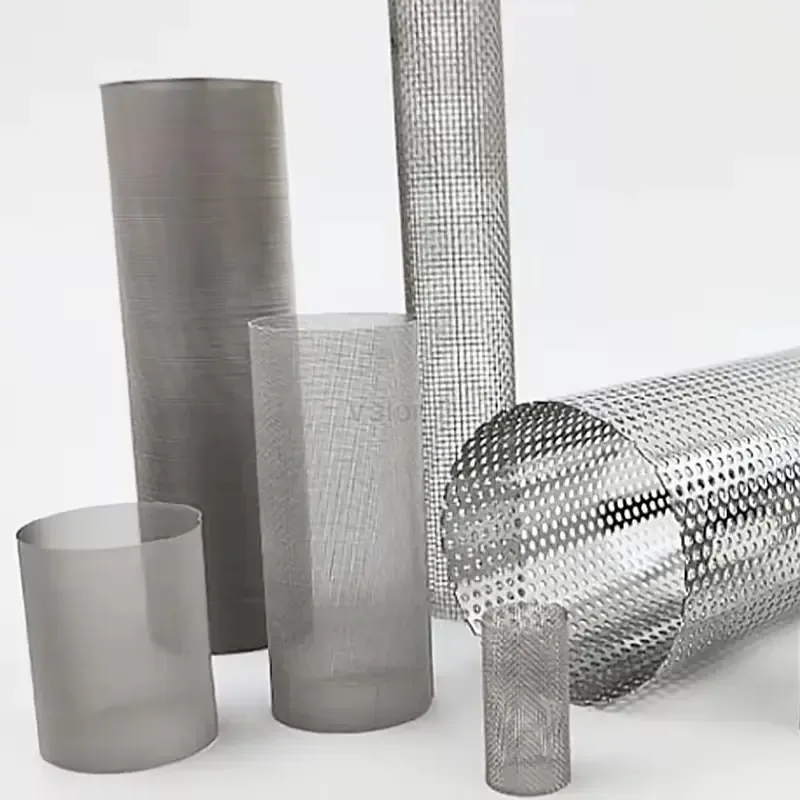
The drawing defines orientation, formed wall, joining bands, support and end connection. The media grade remains linked to that construction through fabrication and cleaning.
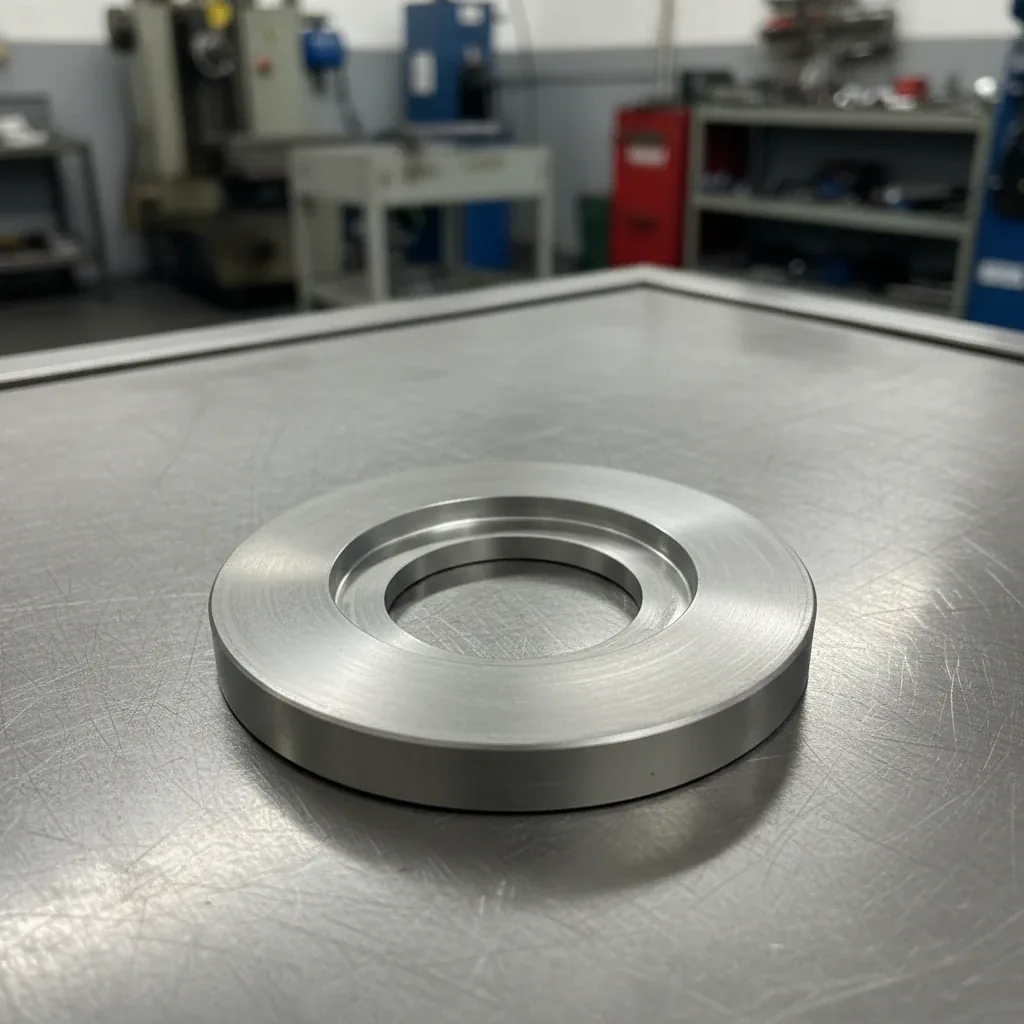

Define the dimensions, media, joints and inspection records before confirming the order.