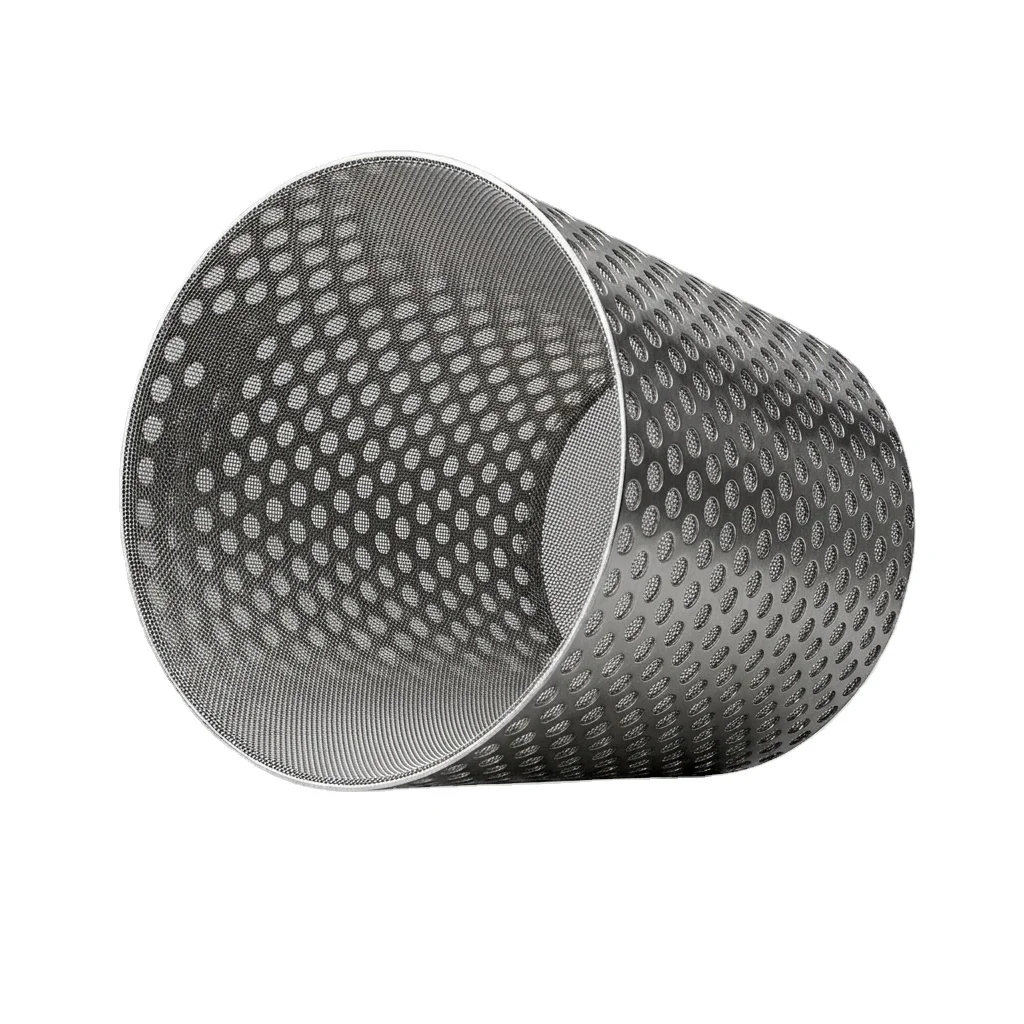
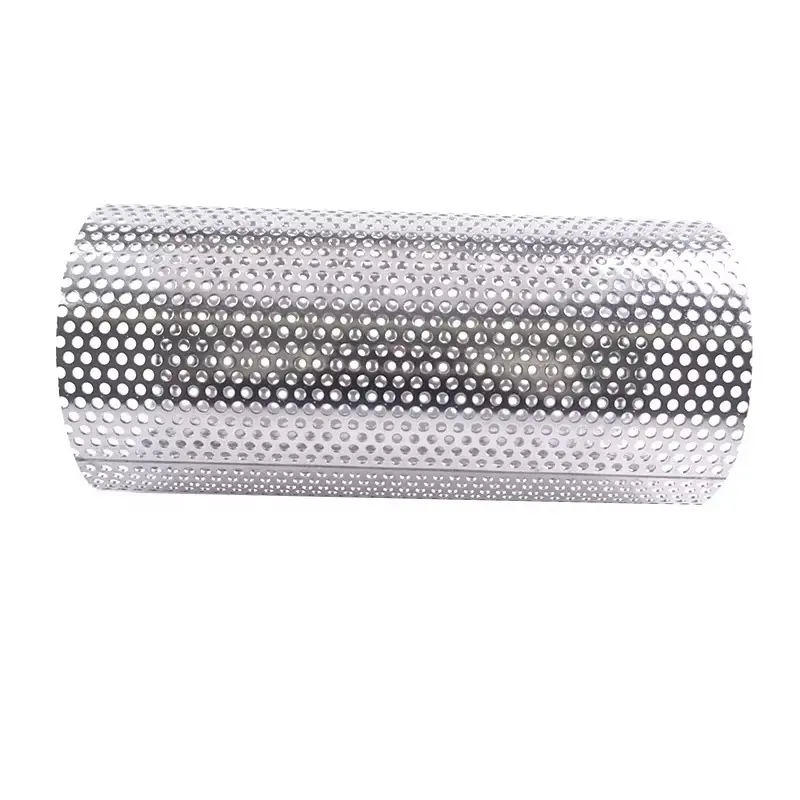
Perforated filter support cores
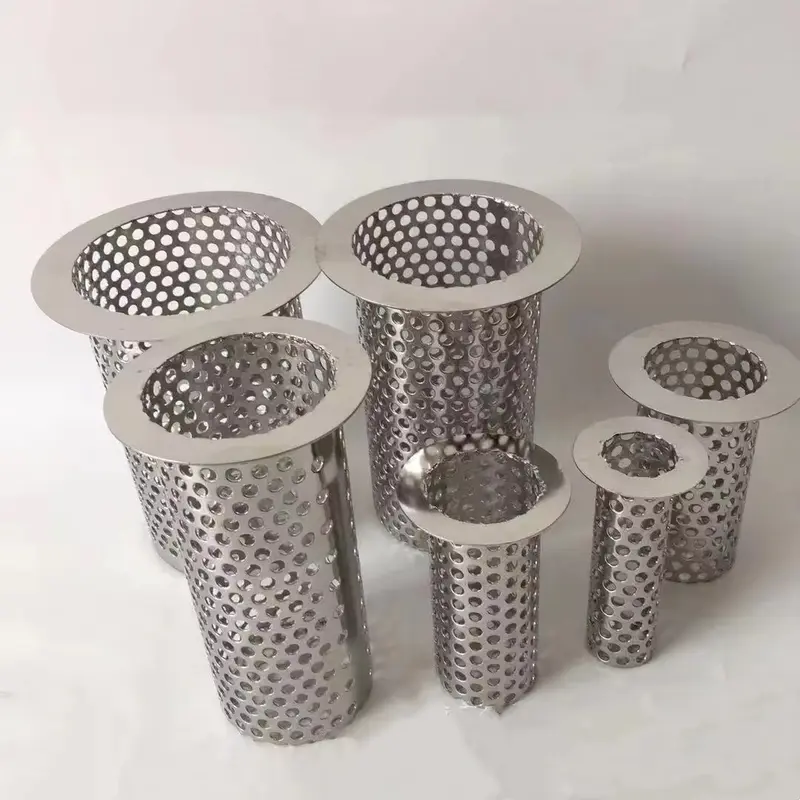
A perforated filter support core is the load-bearing and drainage structure behind a flexible or pleated filtering medium.
Product detailsDrawing-based manufacturing
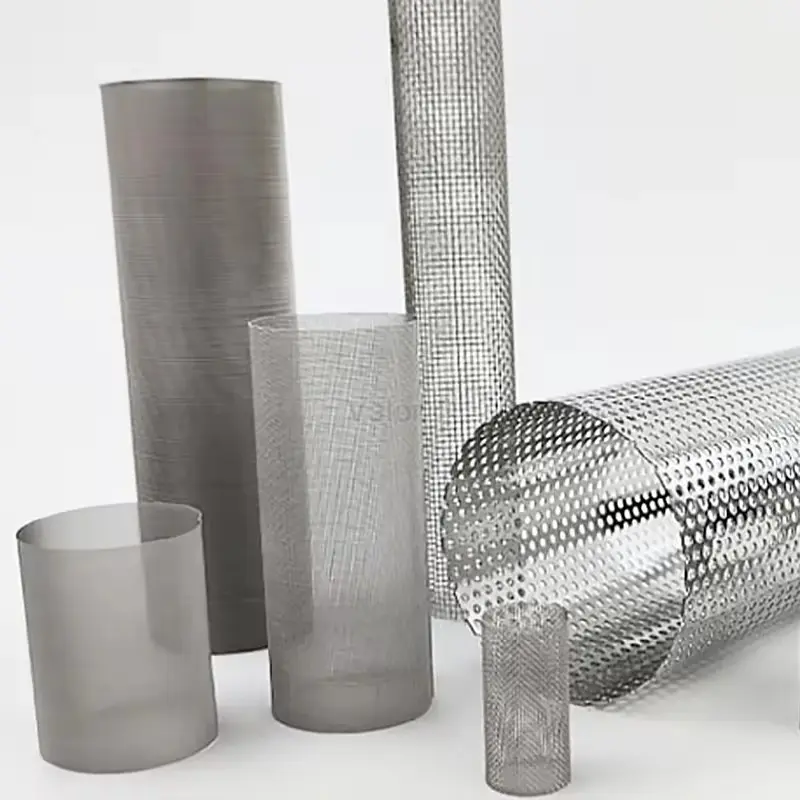
Woven-mesh sleeves, perforated support tubes and slotted screen cylinders for radial flow, internal support and equipment inserts. Diameter, seam construction and which surface carries pressure determine the right tube.
Choose by end condition
Define the cylindrical envelope, seam and end treatment before selecting the screen material and support arrangement.
Filter cylinders and tubes
4 products
A perforated filter support core is the load-bearing and drainage structure behind a flexible or pleated filtering medium.
Product detailsOpen-ended welded mesh cylinder for removable screens and pump protection.
Product details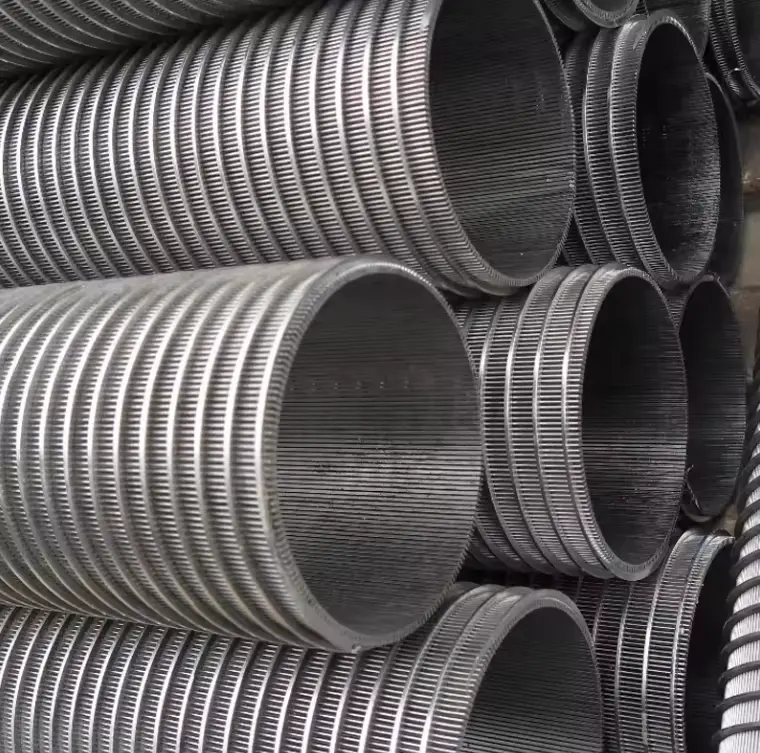
Self-supporting slotted cylinder for outside-in or inside-out screening.
Product details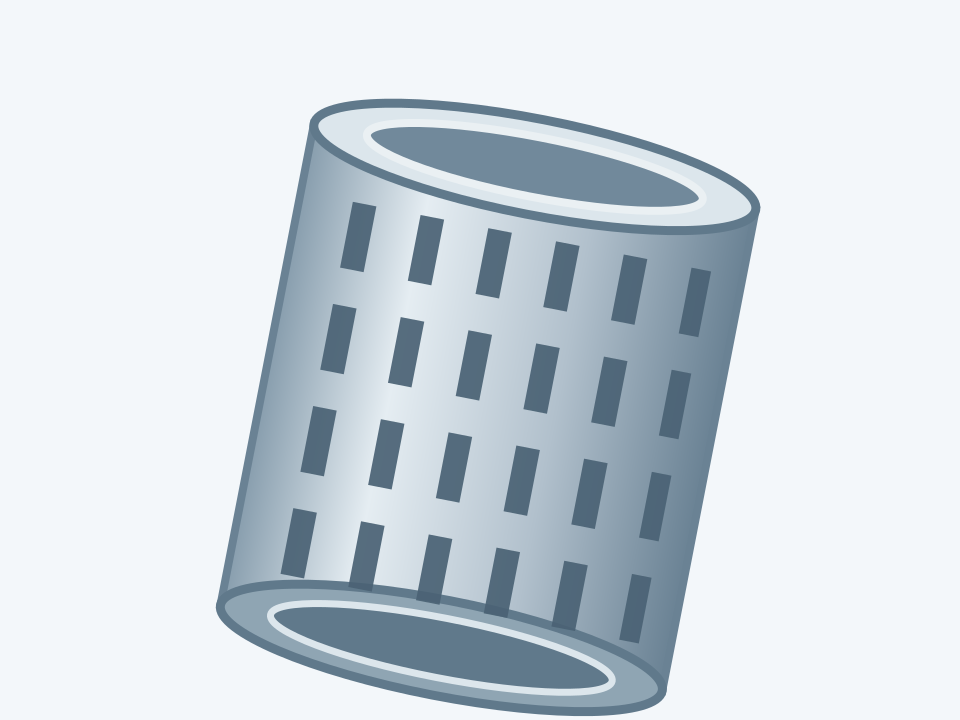
Metal tube with longitudinal or circumferential laser-defined slots.
Product detailsClear filters
A filtering cylinder and a support core may share a shape but perform different jobs.
Give the fitted bore or outside diameter and where it is measured; a local seam can affect insertion.
Separate screened length from solid end bands, caps and flanges.
Identify longitudinal seam position, weld buildup and whether the ends are open, capped or flanged.
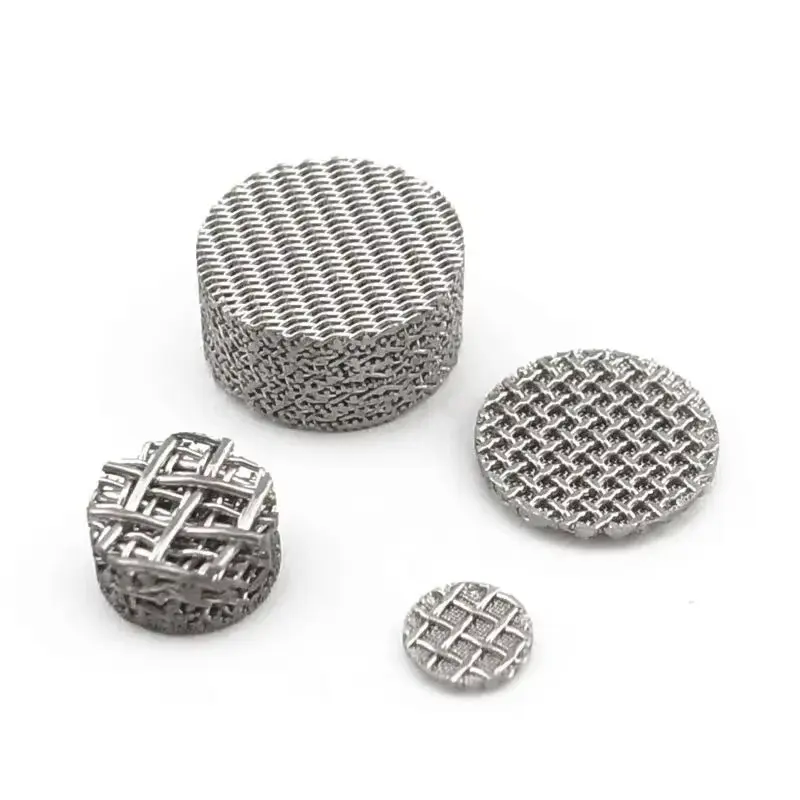
A perforated tube with millimetre-size holes usually supports finer media; it is not a micron-rated filter by itself.
Construction
Woven-mesh sleeves, perforated support tubes and slotted screen cylinders for radial flow, internal support and equipment inserts. Diameter, seam construction and which surface carries pressure determine the right tube.
| Construction | Application and fit | Confirm first | Find a product |
|---|---|---|---|
| Open-ended cylinders | Both ends remain open and the equipment provides retention. | OD or ID priority, length, seam, edge and clearance. | Filter matching products |
| Perforated support cores | Fine media needs a rigid drainage and load-bearing tube. | Diameter, length, wall, perforation, open area and collapse direction. | Filter matching products |
Filter cylinders and tubes
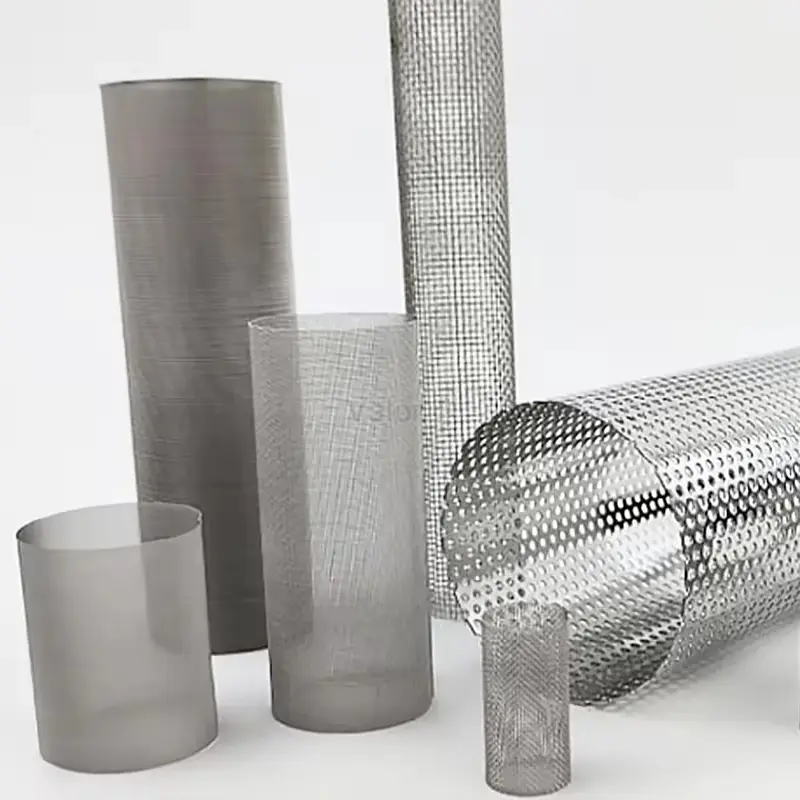
Cylinders serve as filtering surfaces and supporting parts.
Mesh sleeves and capped tubes for removable radial-flow inserts.
Perforated tubes carry the load beneath pleated or fine mesh media.
Slotted and wedge-wire cylinders retain solids or process media with the specified flow direction.
The welded part, not its flat pattern, must fit the equipment.
Filter cylinders and tubes
Calculate theoretical opening area, then check ligaments, support spacing and installed coverage.
Read guide→How to compare woven openings, porous-media claims and test-rated filter elements without treating every micron number as equivalent.
Read guide→Filter cylinders and tubes
Often it is only a core or protective sleeve. If the perforations themselves provide straining, the hole size defines the geometric screen opening.
Outside and inside diameters, total and screened lengths, end details, seam, material, wall or mesh construction, and flow direction.
Support follows flow direction and collapse risk. Show normal and reverse-flow arrows and the maximum differential pressure so the core, seam and end joints can be arranged correctly.
Define the dimensions, media, joints and inspection records before confirming the order.