
Shijiazhuang, Hebei, Chinasales@kaifil.com
KAIFIL
Filter discs and cut screens

Photo-etched filter discs

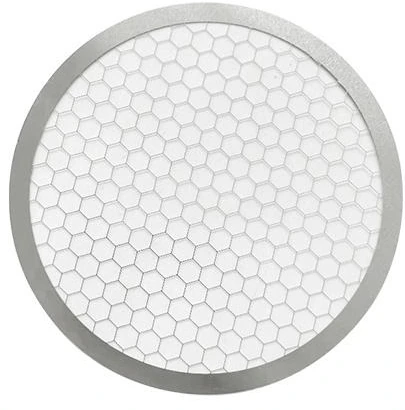
Locate the aperture field concentrically within the outside diameter. The unperforated rim provides a continuous sealing and clamping land. Dimension the centre hole or locating notch from the same datum as the active field. Seat, gasket and backing define the supported diameter; specify flatness and contact width on the installed-part drawing.

Etched and electroformed screens
Construction
Photo-etched metal; continuous sheet with patterned openings
Stock thickness
0.1–1.0 mm
Maximum process-sheet size
500×600 mm
Fine-aperture opening
30 µm

Share a drawing, reference sample or application requirements to discuss the configuration.

Product details

Photo-etched aperture geometry

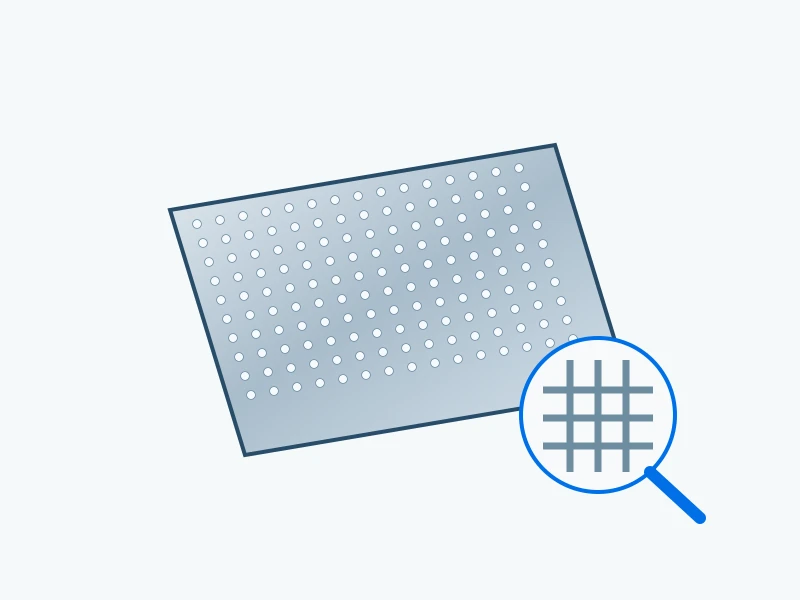
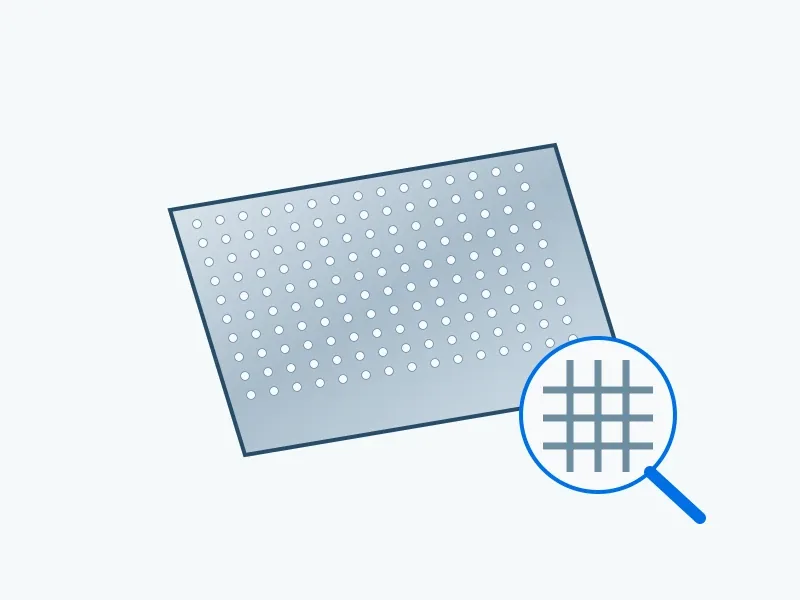
A photoresist pattern defines the openings in a solid metal sheet. Chemical etching removes metal through the patterned areas and forms the aperture walls. Round holes, slots and shaped openings share a continuous metal surface between features. Specify the working face, the exit profile, sheet thickness and remaining ligament width as one geometry.
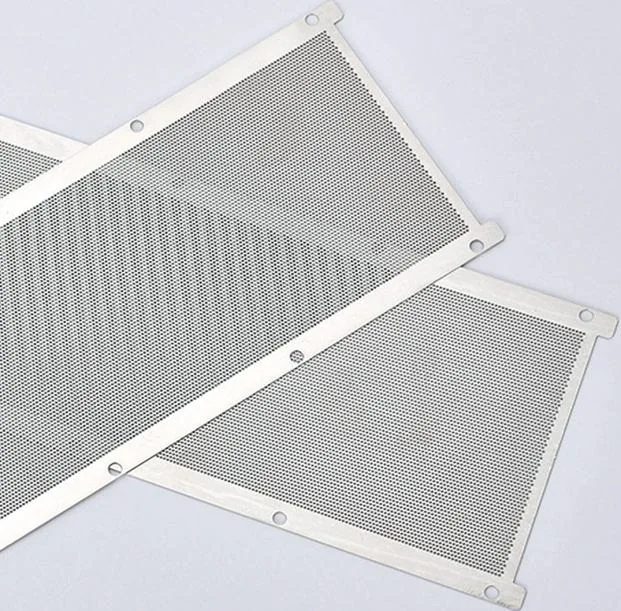
Disc outline, solid rim and seating

Locate the aperture field concentrically within the outside diameter. The unperforated rim provides a continuous sealing and clamping land. Dimension the centre hole or locating notch from the same datum as the active field. Seat, gasket and backing define the supported diameter; specify flatness and contact width on the installed-part drawing.

Photo-etched filter discs — Construction illustration

Material and dimensional series

304 and 316L stainless steel provide corrosion-resistant foil options; plain steel is a separate material branch. The etched-sheet series uses 0.1–1.0 mm stock and a maximum panel layout of 500×600 mm. Fine-opening configurations include 0.03 mm apertures. The fabrication drawing pairs the chosen aperture with its stock thickness, pitch and ligament; each configuration has its own complete dimensions.

Inspect the etched part

Measure aperture at the identified face, pitch, ligament width, sheet thickness and the unperforated border. Inspect flatness, etched wall profile, unintended openings and edge integrity. Locate the active pattern relative to the mounting features so the flow path and peripheral seal are defined together.

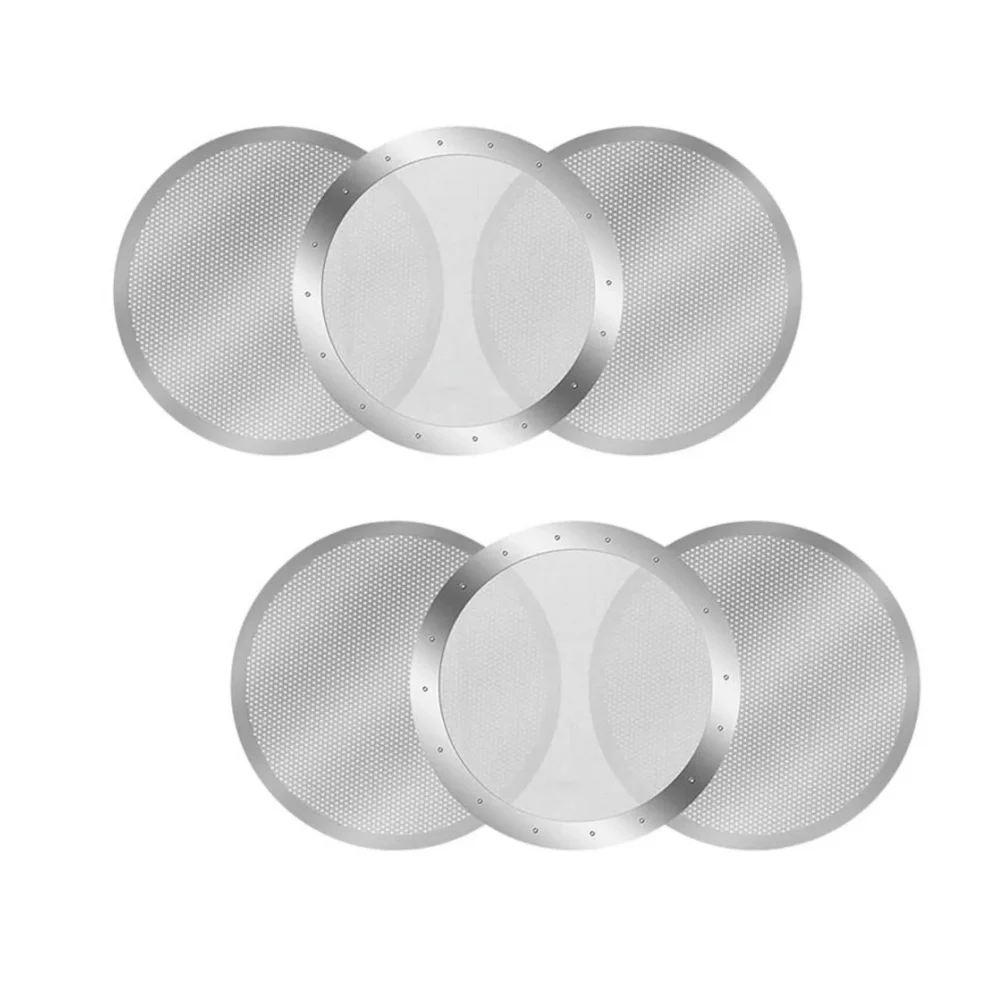
A dimensioned photo-etched coffee disc

The flat etched coffee-disc configuration pairs a 62 mm outside diameter with 0.2 mm sheet thickness. Record both dimensions on the same component drawing, together with the active aperture field and seating border. For photochemically machined filter discs, round holes are dimensioned by clear diameter; slots use clear width and total length. The remaining metal bridges and the perimeter locate the pattern within the finished outline.

Etched-disc configurations and stock-sheet dimensions

Etched-disc configurations and stock-sheet dimensions

DimensionValueUnitApplicable construction
Coffee-disc outside diameter62mmEtched coffee disc paired with 0.2 mm sheet thickness.
Same disc: sheet thickness0.2mmThe same 62 mm outside-diameter coffee-disc configuration.
Stock thickness0.1–1.0mmStarting sheet thickness in the etched-stock series.
Maximum process-sheet size500×600mmMaximum stock-panel X × Y; the finished disc has its own outside diameter.
Fine-aperture opening30µmClear opening of the fine-aperture branch; thickness, pitch and ligament are specified as a complete pattern.
Ordering and production

Ordering and production

Supply itemOrder basis
Production lead time2–3 weeks after order and drawing confirmation.
Trial ordersSmall trial quantities for fit and process evaluation.
Regular production orders50 pieces or US$3,000 per order.
Quotation basisMaterial, finished dimensions, filter construction, connections and quantity.

Specifications

Photo-etched filter discs
ParameterSpecificationNotes
ConstructionPhoto-etched metal; continuous sheet with patterned openings—
Stock thickness0.1–1.0 mmStarting sheet thickness in the etched-stock series.
Maximum process-sheet size500×600 mmMaximum stock-panel X × Y; the finished disc has its own outside diameter.
Fine-aperture opening30 µmClear opening of the fine-aperture branch; thickness, pitch and ligament are specified as a complete pattern.
Material options304 / 316L stainless steel; plain steel—
Coffee-disc OD × sheet thickness62×0.2 mmFinished outside diameter and sheet thickness of the same etched coffee-disc configuration.

Selection guide

Include these details when discussing your requirements.

Disc outline, solid rim and seating
Locate the aperture field concentrically within the outside diameter. The unperforated rim provides a continuous sealing and clamping land. Dimension the centre hole or locating notch from the same datum as the active field. Seat, gasket and backing define the supported diameter; specify flatness and contact width on the installed-part drawing.
Photo-etched aperture geometry
A photoresist pattern defines the openings in a solid metal sheet. Chemical etching removes metal through the patterned areas and forms the aperture walls. Round holes, slots and shaped openings share a continuous metal surface between features. Specify the working face, the exit profile, sheet thickness and remaining ligament width as one geometry.
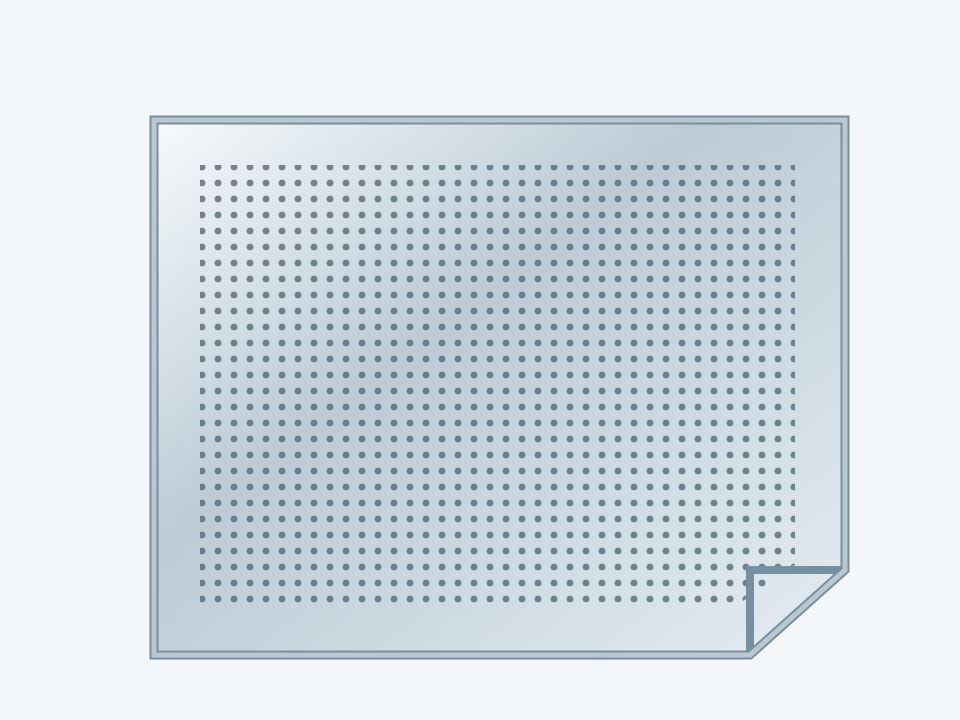
Inspect the etched part
Measure aperture at the identified face, pitch, ligament width, sheet thickness and the unperforated border. Inspect flatness, etched wall profile, unintended openings and edge integrity. Locate the active pattern relative to the mounting features so the flow path and peripheral seal are defined together.

Applications

Precision instrument screens

Defined hole geometry can suit small devices where a wire crossing would obstruct a port.

Chemical sampling inserts

A patterned disc allows a solid sealing perimeter around a controlled aperture field.

Fine process screens

Compare etched foil with electroformed nickel and woven cloth for thickness, stiffness and corrosion service.

Frequently asked questions

How does thickness enter the aperture design?

Etching removes metal through the sheet and along the feature walls. Thickness, working-face opening, exit profile and remaining ligament form a single dimensional specification.

How are etched and woven media distinguished?

Etched media have openings cut into a continuous sheet. Woven media have interlaced wires, with count and wire diameter defining the structure.

Technical enquiry

Define the dimensions, media, joints and inspection records before confirming the order.

Technical details (optional)
Selection inputs

WhatsApp

Search