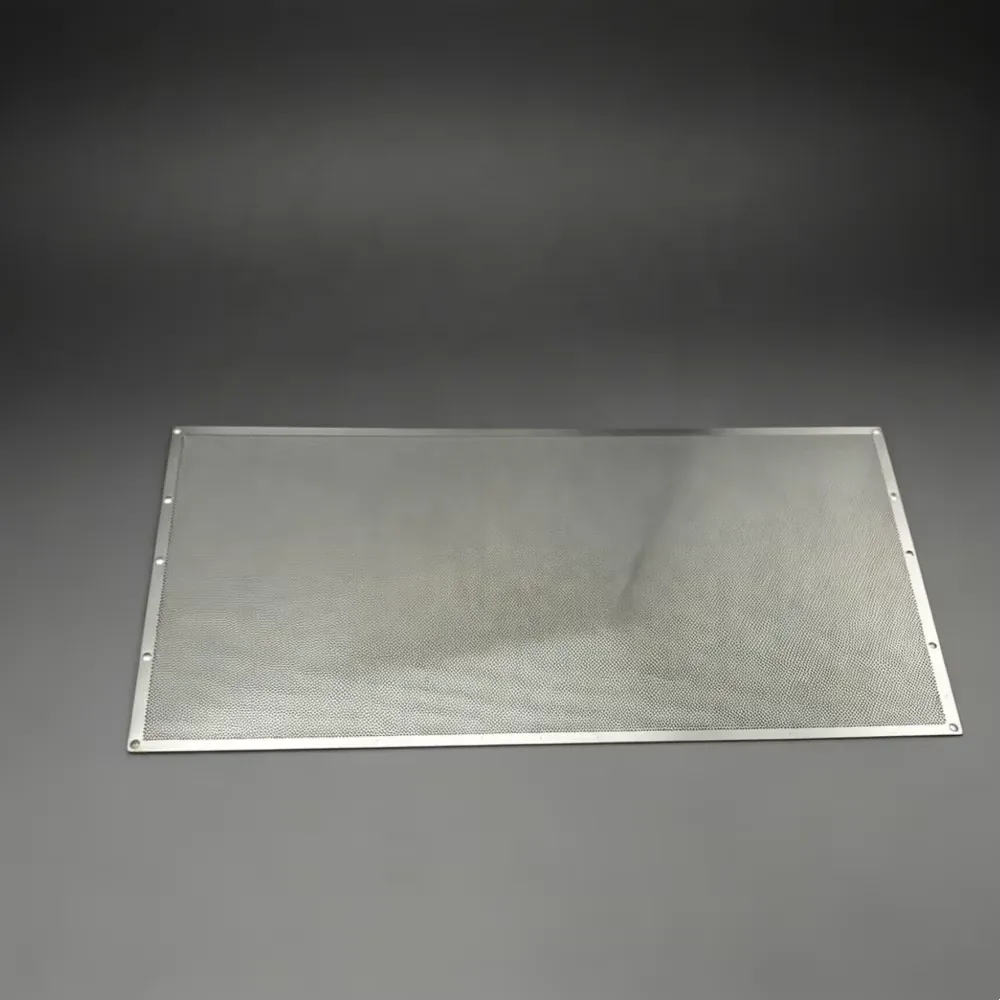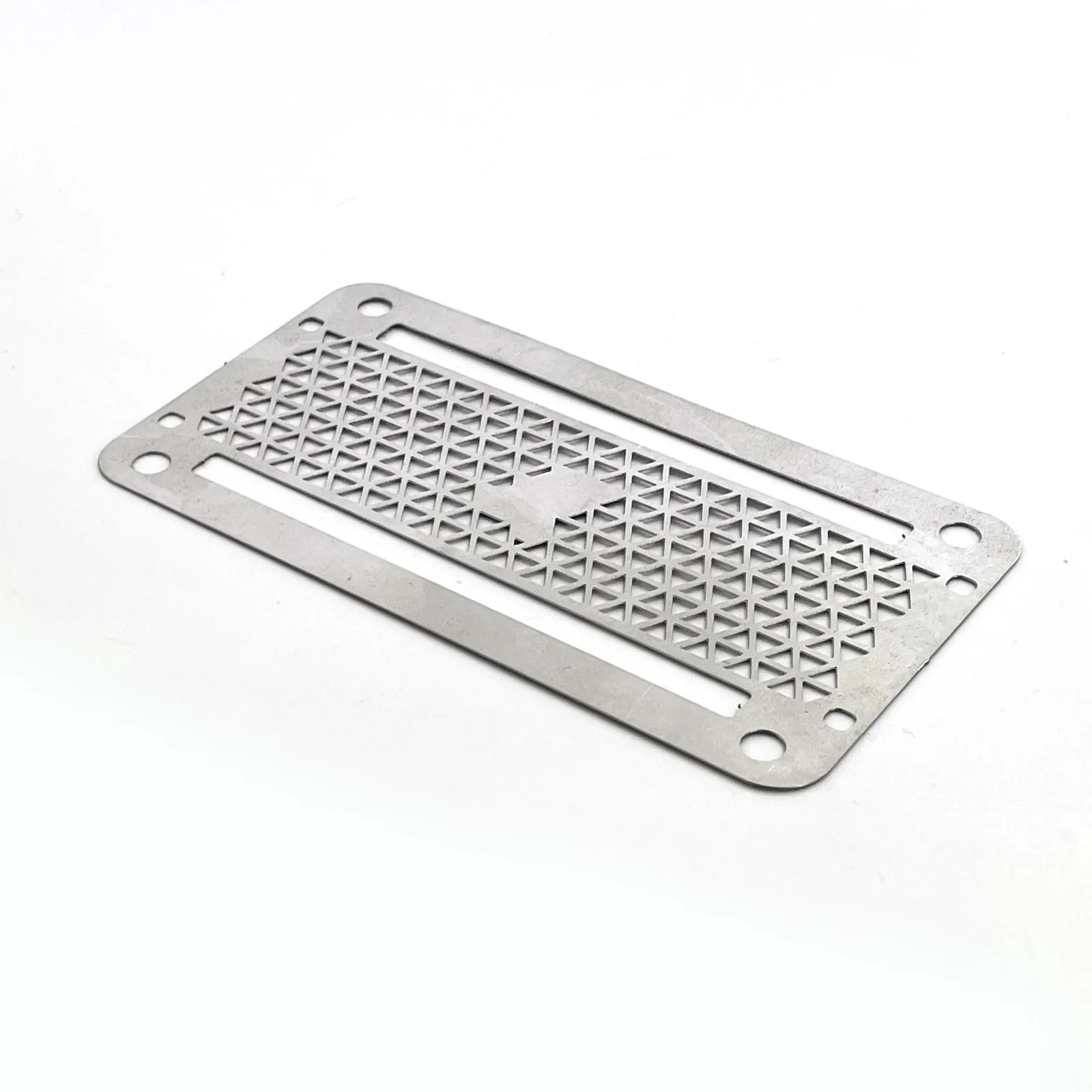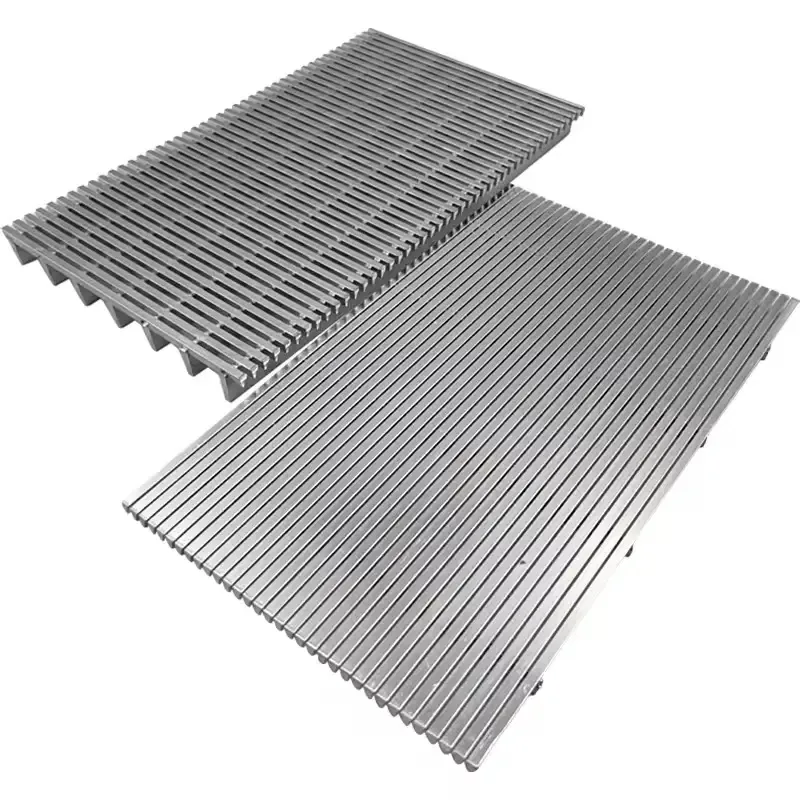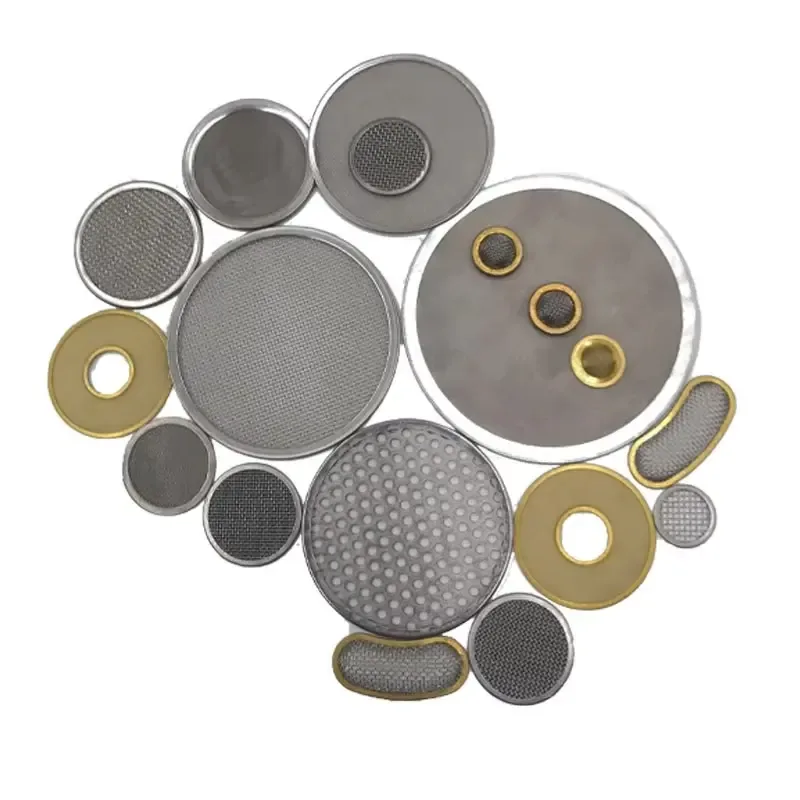
Compare opening geometry and manufacturing processes
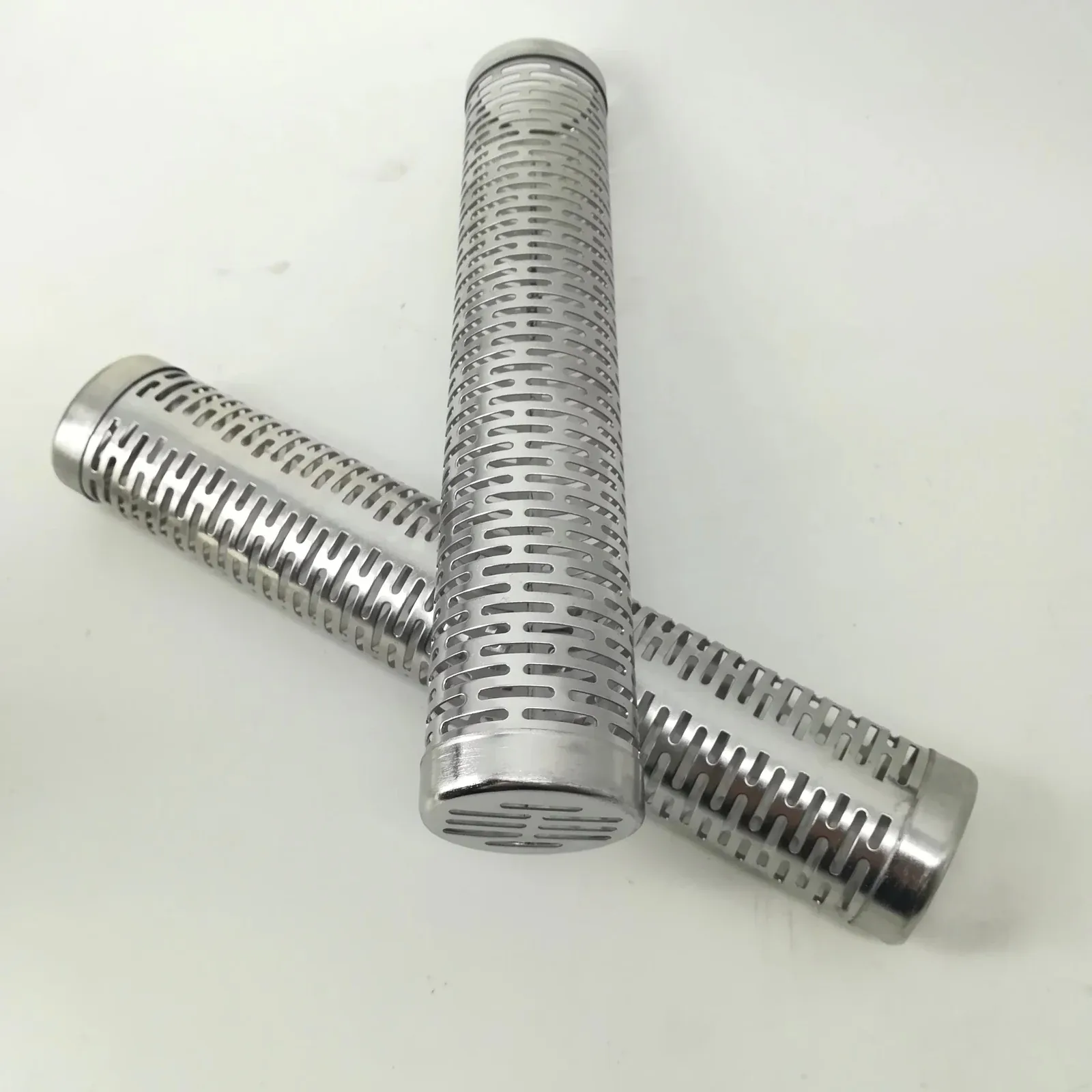
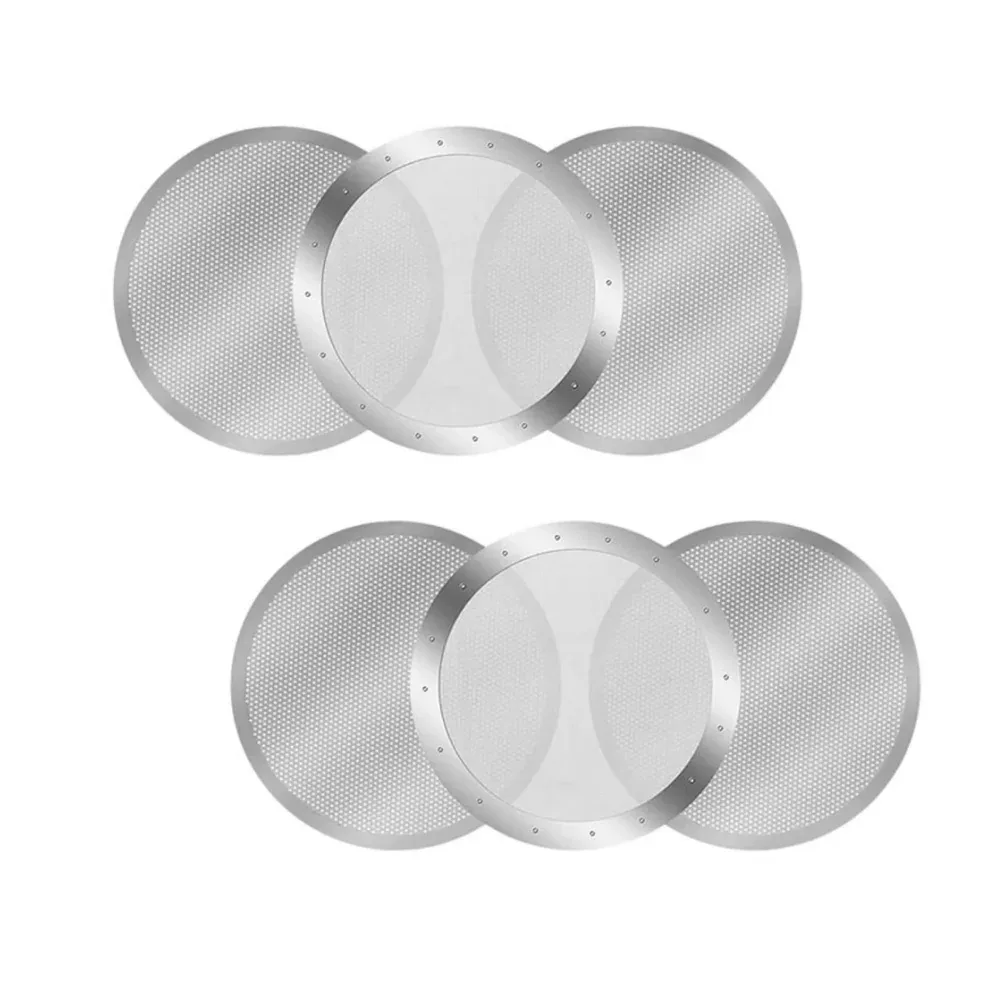
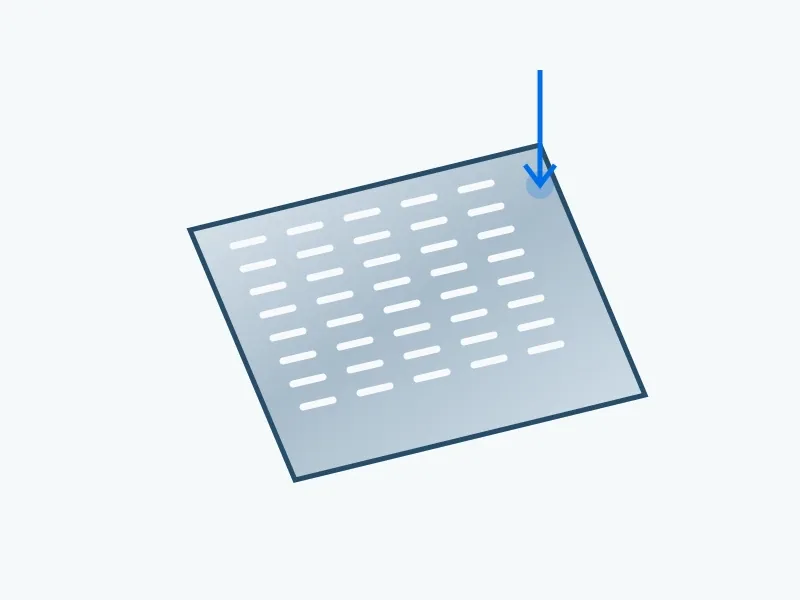
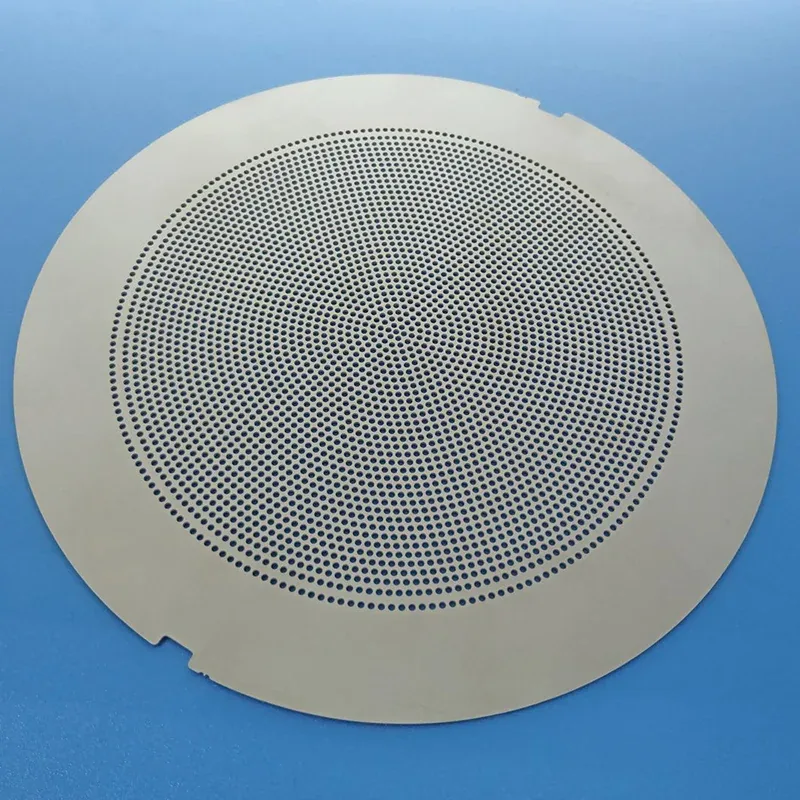
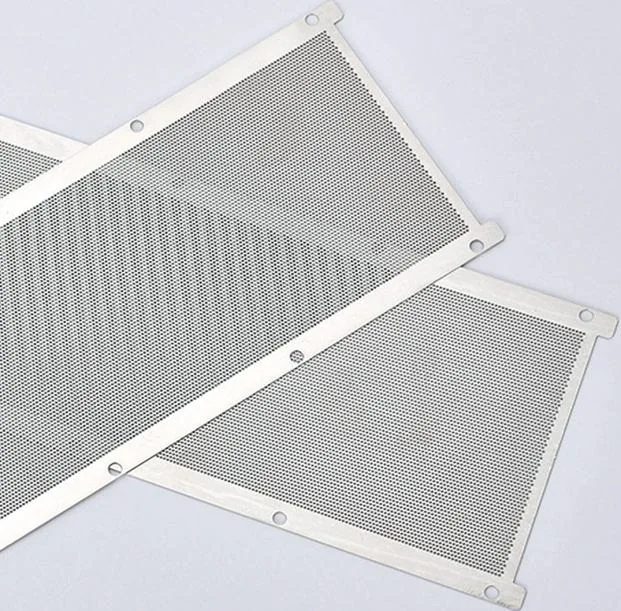
Photo-etching can produce many small apertures in thin sheet; laser cutting suits programmable holes and slots in a wider range of sheet forms; electroforming builds thin precision nickel patterns.
Specify edge quality and material thickness
Etched openings may taper through thickness. Laser-cut edges may need deburring. Electroformed foil may need a backing frame. A drawing should specify the acceptable edge condition.
Validate a prototype before changing the process
These processes have different support, flatness and cleaning behaviour. Test the installed screen when replacing woven or perforated media in a demanding duty.
Design review
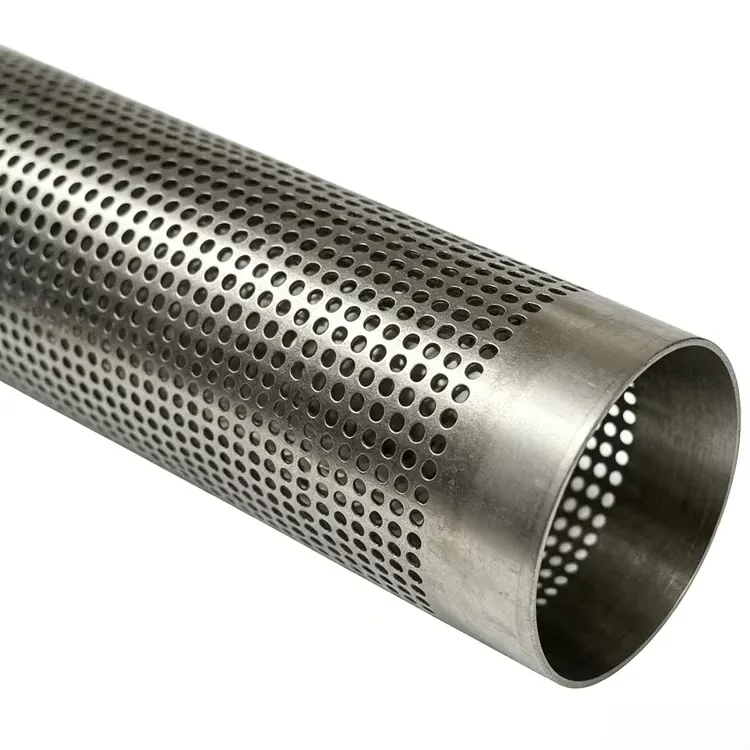
Begin with minimum feature size, open pattern, sheet thickness, available alloy and whether the screen must be self-supporting. Etching, laser cutting and electroforming create different edge profiles and thickness constraints. None is automatically interchangeable with woven mesh; the surrounding frame and flow load often determine the feasible process.
Inspection and acceptance
Request a dimensioned aperture drawing and identify the inspection plane. Include burr or taper limits, flatness, edge condition, part orientation and packaging for thin foils. Evaluate a prototype in the actual holder when a change of process may alter retention, pressure loss, cleaning or handling.