
Shijiazhuang, Hebei, Chinasales@kaifil.com
KAIFIL
Filter discs and cut screens

Pulper and Fiber Separator Screen Plates

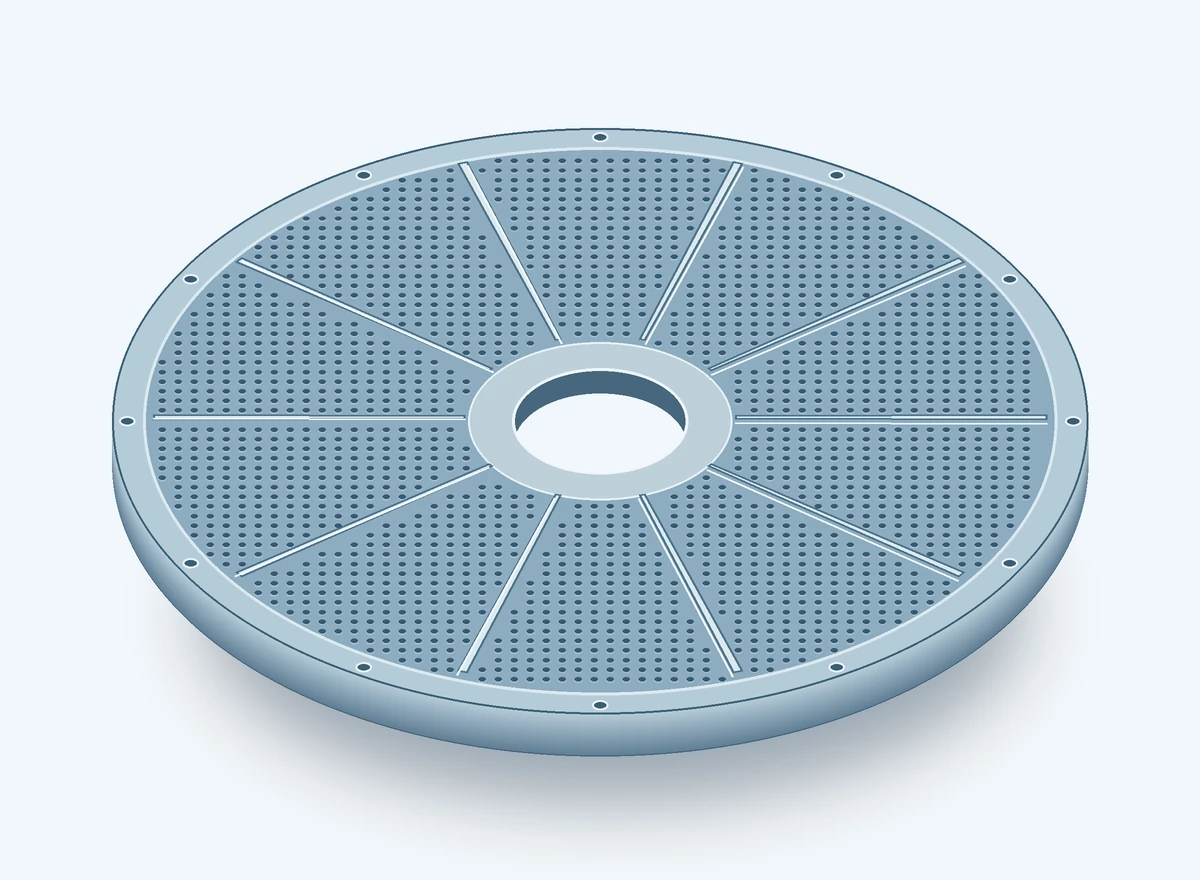
Round replacement screen plates for hydrapulpers and fiber separators in pulp preparation. Define the opening pattern, mounting geometry and rotor-side features from the equipment drawing.

Perforated metal screens
Plate geometry
Circular, drawing-defined
Screening openings
Round holes or slots
Mounting interface
Bolt pattern and center opening
Rotor-side features
Ribs and inset bed knives as specified

Share a drawing, reference sample or application requirements to discuss the configuration.

Specifications

Pulper and Fiber Separator Screen Plates
ParameterSpecificationNotes
Plate geometryCircular, drawing-definedShow the finished outside diameter, plate thickness and seating face.
Screening openingsRound holes or slotsSpecify round-hole diameter or slot width and length, then set pitch and active boundaries.
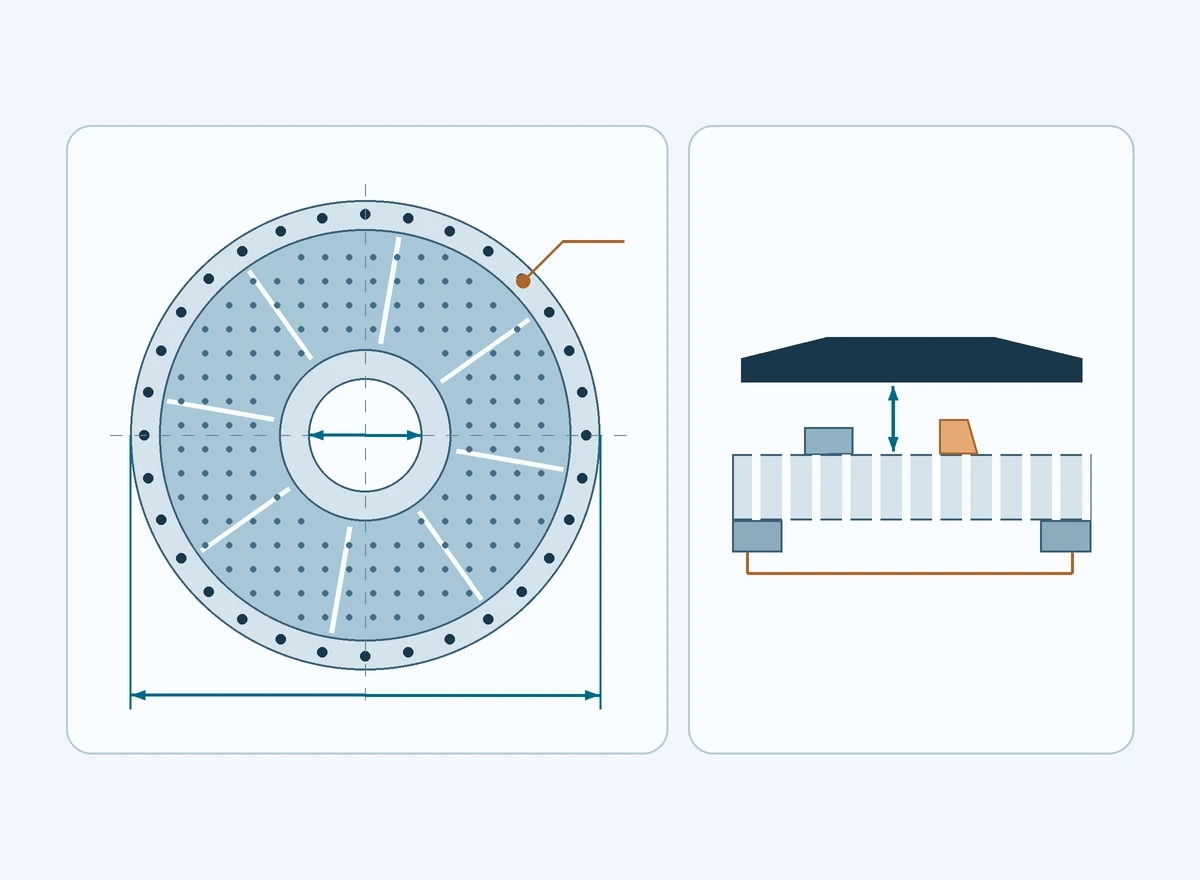
Mounting interfaceBolt pattern and center openingSupply hole count, diameters, bolt-circle diameter, angular index and the center opening where required.
Rotor-side featuresRibs and inset bed knives as specifiedDefine their section, position and projection above the working face, and show the rotor clearance.
Plate outside diameter · Reference rangeØ600–2135 mmFinished diameter at the machine seat.
Round-hole diameter · Reference rangeØ2.0–8.0 mmFor round-hole plates. Specify slot dimensions separately.
Usual plate thickness · Reference range10–20 mmThe typical range in the design reference.
Custom plate thickness · Reference range6–25 mmConfirm the selected thickness against the seat and rotor clearance.
Wear treatmentDefined on the part drawingHeat treatment and hard chrome are distinct options. Specify the treatment and the faces it covers.
Acceptance checksDimensions and fitAgree tolerances and checks for openings, seating-face flatness, bolt position and rotor-side feature heights.

Materials: Stainless steel or a specified wear-resistant grade, selected for stock chemistry, abrasion and any required surface treatment.

Product details

Screening during pulp preparation

The plate sits at the accepts outlet of a hydrapulper or fiber separator. Dispersed stock passes through the active openings. Coarse contaminants and incompletely pulped material stay on the working side for further treatment or removal.
Round-hole and slotted designs

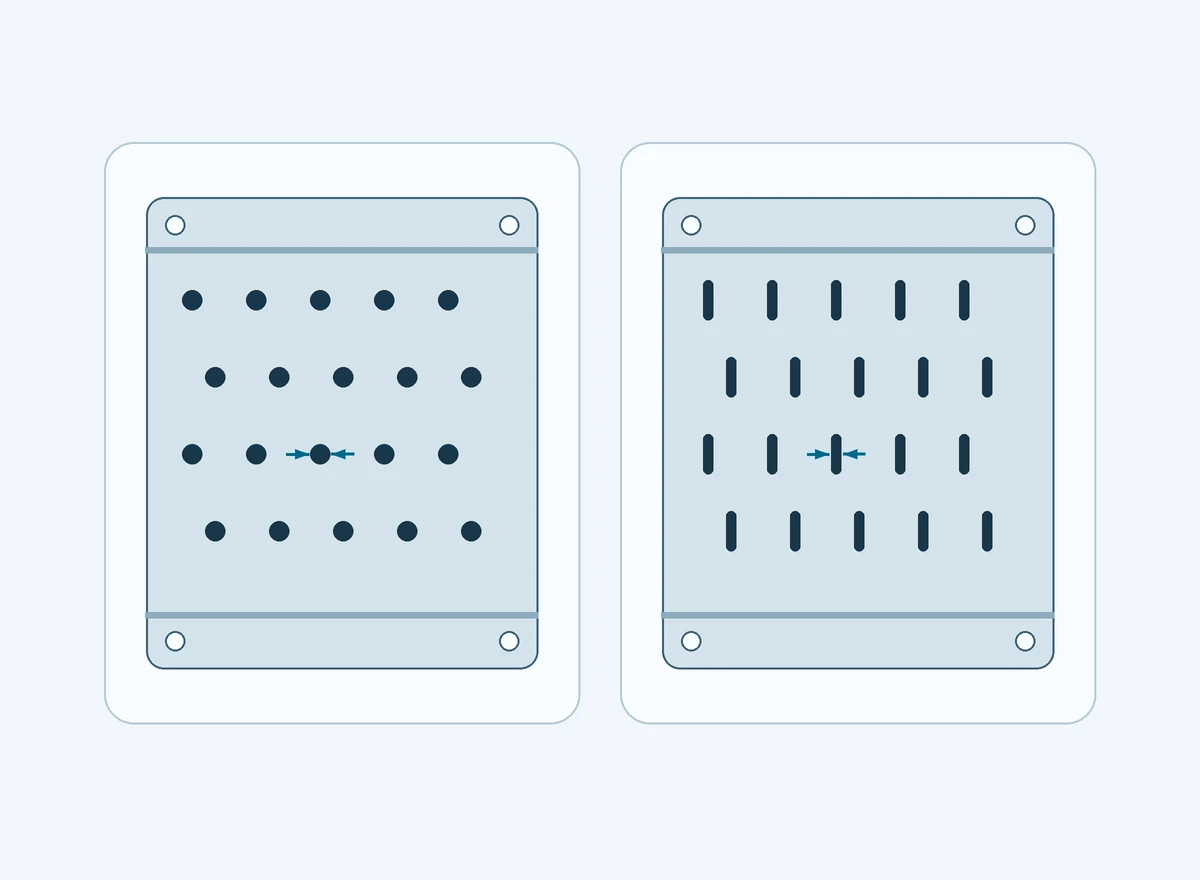
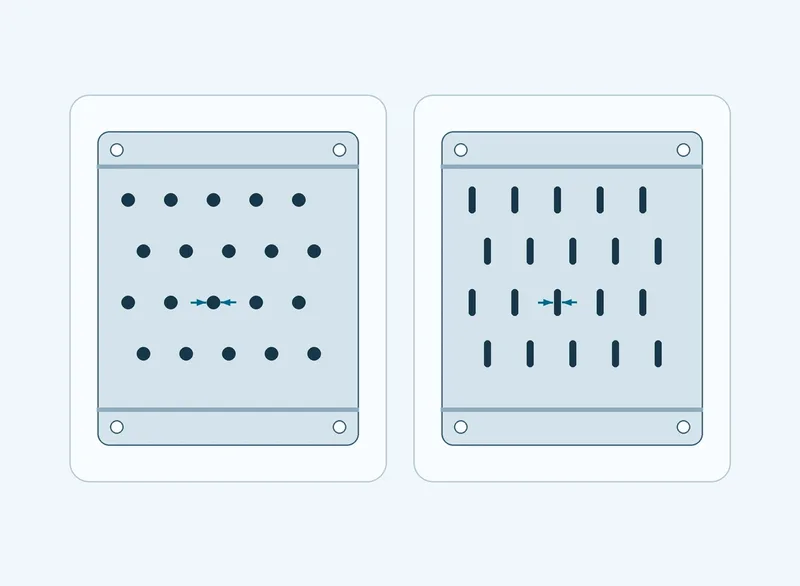
Set the round-hole diameter or the slot width, length and orientation on the working face. Lay out the active area around the solid seating rim, central opening and any ribs. The aperture and pattern together define the available open area. Use these design ranges to start sizing. Confirm available combinations, tolerances and treatment on the approved drawing before ordering.

Two detail drawings comparing round-hole diameter and slot width across the active screening area
The arrows indicate the opening dimension at the working face.

Installation datums and rotor fit

Use the seating face and machine centerline as drawing datums. Dimension the outer diameter, center opening, bolt circle and bolt-hole orientation from them. Show the working face, rib and knife heights, and the required clearance to the rotor.

Wear surfaces and acceptance

Specify the plate and any inset bed knives separately. Where the drawing calls for heat treatment or hard chrome, define the treated areas and acceptance criteria. Agree how to check opening size, flatness, hole position and knife or rib height from the seating face.

Applications

Hydrapulper accepts screening

The plate passes dispersed stock toward the accepts outlet while keeping coarse rejects on the pulping side.

Fiber separator replacement

Match the plate seat, rotor clearance and the positions of any bed knives and ribs to the installed assembly.

Selection guide

Include these details when discussing your requirements.

Establish the fit
Start with the mounting seat, rotor centerline and release drawing for the machine.
Lay out the screening zone
Choose the opening pattern after mapping the seating rim, center opening, ribs and knife seats.
Define the wear surfaces
Set the grade and treatment for the plate and knife separately, then specify the required checks.

Frequently asked questions

Can I order a replacement by outside diameter alone?

Send the thickness, seat profile, center opening and bolt pattern as well. An indexed view and a rotor-side section help establish the knife and rib positions and running clearance.

Do the round-hole dimensions also apply to slots?

Slot width, length and orientation are separate drawing dimensions. Define them at the working face and indicate the aperture layout.

How should I specify a plate with bed knives?

Show the knife section, material, seating detail, position and projection. Add the rotor clearance and the inspection method for the installed height.

Technical enquiry

Define the dimensions, media, joints and inspection records before confirming the order.

Technical details (optional)
Selection inputs

WhatsApp

Search