
Kaifil
How to specify a custom metal filter
A useful metal-filter specification answers five questions: what the filter must separate, how it fits the equipment, what loads and chemicals it will see, how it will be cleaned, and how the finished part will be accepted. Supplying these answers together lets the manufacturer review the filtering medium, support structure, joints and interfaces as one system.
1. Define the separation task
Begin with the process, not a product name. Identify the continuous phase, the material to be retained, the particle or droplet distribution, the required result and the consequence of bypass. A screen that protects a pump from occasional debris has a different objective from a final process filter controlling product cleanliness.
State whether the requirement is:
- a clear aperture in a woven or slotted screen;
- a mesh and wire construction;
- a nominal filtration rating;
- an absolute or efficiency-based rating tied to a test method;
- a process result verified in the buyer’s equipment.
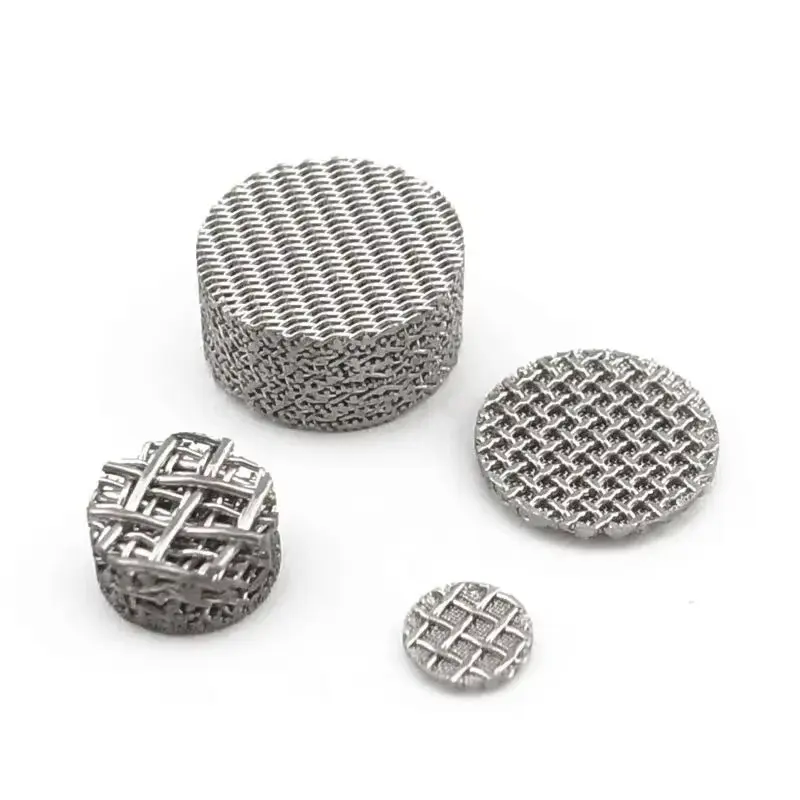
These descriptions are not interchangeable. For square woven mesh, aperture and wire diameter define the geometry more clearly than mesh count alone. Dense weaves, sintered media and porous materials require their own complete designation and rating basis.
2. Describe the process medium
The same filter geometry can behave differently in water, viscous polymer, hot gas, solvent or abrasive slurry. Provide the process fluid, viscosity where relevant, solids concentration, particle shape, temperature range, normal and upset flow, operating pressure and expected differential pressure.
For corrosion review, include all significant chemical constituents, concentration, pH, dissolved salts, oxidizers, cleaning chemicals and exposure time. General statements such as “water service” or “chemical duty” do not provide enough detail for material selection.
3. Define how the filter fits
The installation interface controls whether the element seals and can be maintained. A dimensioned equipment or assembly drawing is the strongest source. It should identify:
- outside and inside diameters;
- overall and effective length;
- flange, thread, ferrule, cap or adapter details;
- sealing face and gasket location;
- insertion depth and available clearance;
- flow direction and working face;
- lifting, removal and maintenance space;
- critical dimensions and tolerances.
When no drawing exists, provide photographs of the complete part and both ends, measurements with units, the mating equipment and any part markings. A worn sample is useful, but it may no longer represent the original dimensions.
4. Separate filtration from structural support
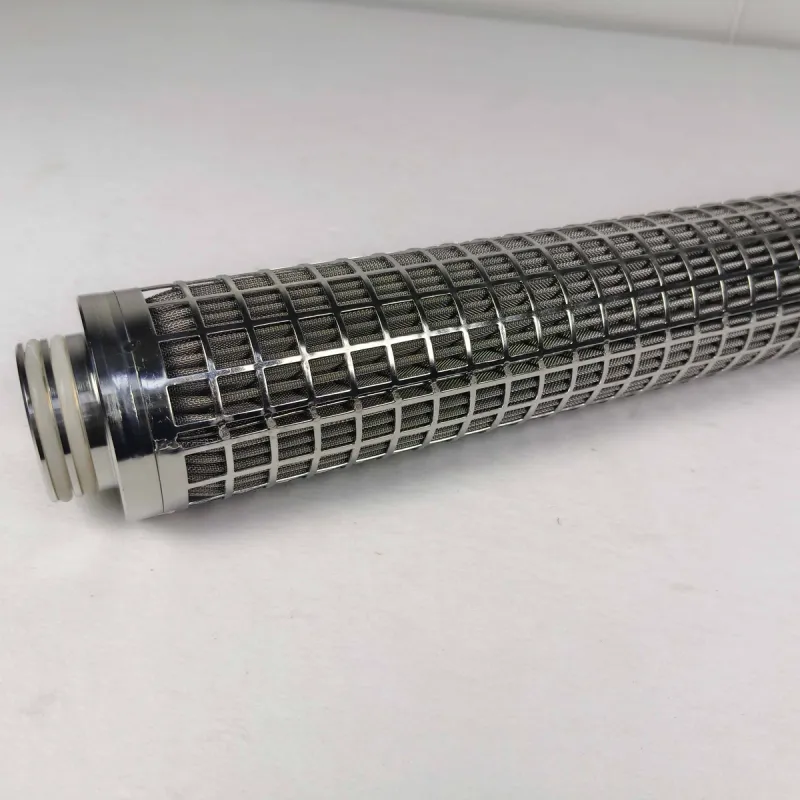
Fine media often cannot carry process loads alone. A complete element may need a perforated core, coarse support mesh, drainage layer, frame, support rods or intermediate stiffeners. State the normal pressure direction and any reverse load during shutdown, backwashing or cleaning.
Support design affects pressure loss. A strong core with inadequate drainage can become the main restriction, while a highly open core with insufficient ligament or wall thickness can deform. The media, support and envelope therefore require one review.
5. Specify material from the full environment
Material selection includes more than corrosion resistance. Consider fabrication, welding, thermal expansion, mechanical strength, surface requirements, cleanability, seals and contact between dissimilar metals.
304/304L and 316/316L stainless steels are common starting points for industrial filters. The molybdenum in 316 grades generally improves resistance to localized corrosion in chloride-bearing environments, but no stainless grade is universally suitable. Higher-alloy stainless steels, nickel alloys or other materials may be needed for more severe conditions. The equipment or process owner should approve the final grade for the complete duty.
Use a full grade designation and applicable standard rather than “stainless steel” alone. Confirm that the material is available in every required form: wire, woven cloth, sheet, porous medium, flange and fitting.
6. Define joints, edges and bypass control
Every path around the media matters. Identify seams, perimeter joints, end-cap interfaces, basket bases, frame edges and seals. State whether the joint is welded, mechanically retained or removable and how it will be inspected.
For cut mesh, choose an edge treatment that suits handling and installation. Open edges may be suitable when the screen is fully captured. Joined, folded or framed edges provide more stability where the part is handled, sealed or removed repeatedly.
7. Describe cleaning and reuse
Cleaning influences media, joint and support selection. Explain whether the element will be backwashed, ultrasonically cleaned, chemically cleaned, burned out, sprayed or replaced. Include cleaning temperature, chemistry and direction of flow.
Metal construction makes cleaning possible in many duties, but it does not guarantee complete recovery after every contaminant or cycle. The retained material may lodge within a dense weave or porous structure. Define the acceptable post-cleaning condition and replacement criterion.
8. Establish inspection before quotation
The purchase specification should identify what will be measured and how acceptance will be decided. Common characteristics include material identity, aperture or media designation, dimensions, roundness, flatness, layer order, joint condition, surface condition and cleanliness.
Special tests require a defined method and limit. Terms such as pressure-tested, bubble-point-tested or micron-tested are incomplete without test fluid, fixture, direction, conditions, sampling and acceptance criteria. Material certificates, first-article reports, dimensional records, photographs, certificates of conformity and third-party inspection should be requested before the order is confirmed.
9. Use the right file set
For a new part, send the assembly drawing as well as individual component drawings. For a replacement, send the housing interface, existing part drawing or measurements, photographs and failure history. For repeat work, identify the approved drawing revision and purchase history.
The file set should be internally consistent. If the CAD model, PDF and written enquiry show different dimensions, identify which document controls.
RFQ checklist
- Information group: Separation · Include: Medium, contaminant, particle/droplet target and rating definition
- Information group: Process · Include: Temperature, pressure, differential pressure, flow, viscosity and chemistry
- Information group: Geometry · Include: OD, ID, length, outline, interface, clearance, seal and flow direction
- Information group: Construction · Include: Media, support, layers, joint, edge, end connection and frame
- Information group: Material · Include: Full grade, standard, wetted components and certificates
- Information group: Maintenance · Include: Cleaning method, reverse flow, access and replacement strategy
- Information group: Acceptance · Include: Critical dimensions, tests, inspection records and sampling
- Information group: Commercial · Include: Quantity, sample stage, packing, identification and destination
- Information group: Files · Include: Controlled drawing, CAD, photographs and reference-part information
Common specification errors
Ordering by micron value alone
A micron label does not establish media structure, efficiency, pressure drop or test method. Supply the complete media designation or rating basis.
Copying a worn sample without the housing
Service can deform the sample and damage seals. Use the housing interface to recover the functional dimensions.
Ignoring reverse pressure
Backwashing, shutdown and blocked-flow events can load the element in the opposite direction. State both forward and reverse conditions.
Adding support without checking flow
A support layer should protect the media without becoming the unintended bottleneck. Review hole pattern, open area and drainage path with the full assembly.
Requesting documents after production
Traceability, sampling and inspection records must be planned before material is released and work begins. Include them in the RFQ and purchase order.
Frequently asked questions
Can Kaifil quote without a drawing?
Yes, when photographs, measurements, equipment information and operating conditions provide a clear basis. A drawing may still be required before production.
Who selects the final material?
Kaifil can review manufacturability and discuss common options. The equipment or process owner should approve material suitability for the complete service environment.
Can a mesh count be converted directly to microns?
For square mesh, aperture can be calculated only when wire diameter is known. Filtration performance still depends on weave, particles and the rating method. Dense weaves cannot be described by the same simple conversion.
What is the minimum information for a first review?
Product form, material, main dimensions, filtration requirement, process medium, temperature, differential pressure, quantity and a drawing or photographs.
Related
Products overview · Custom manufacturing · Materials and alloys · Quality control and inspection
Related products and guidance
Custom Metal Filter Elements & Filtration Components
View details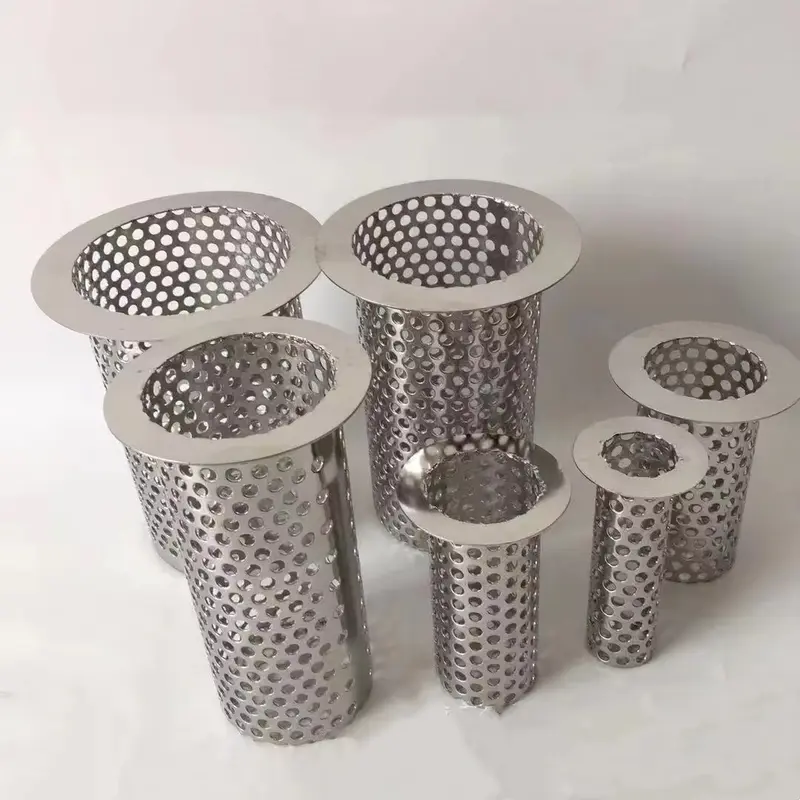
Custom metal filtration component manufacturing
View details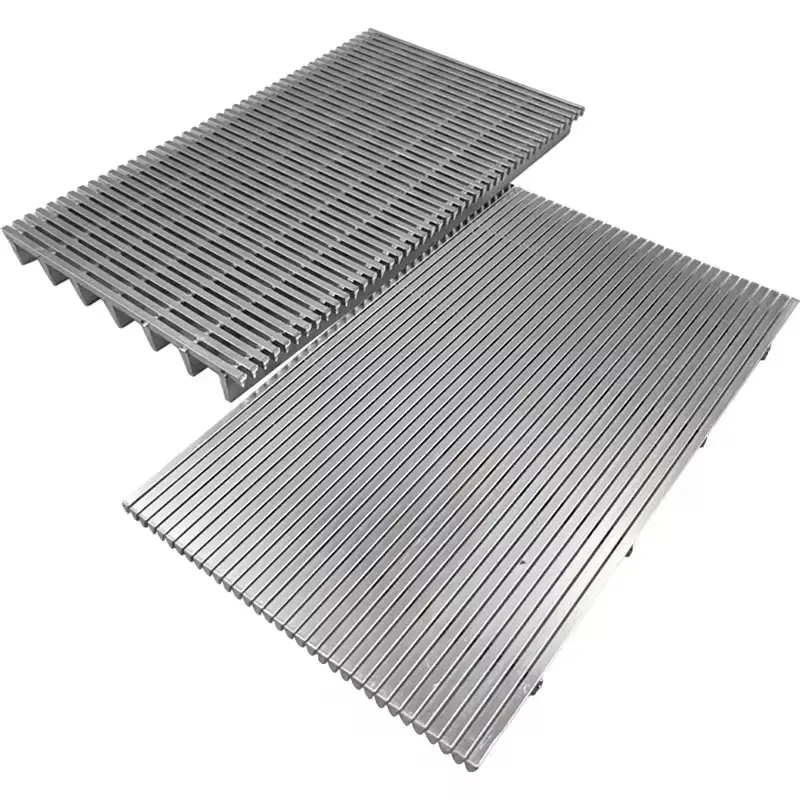
Wedge wire screen panels
View details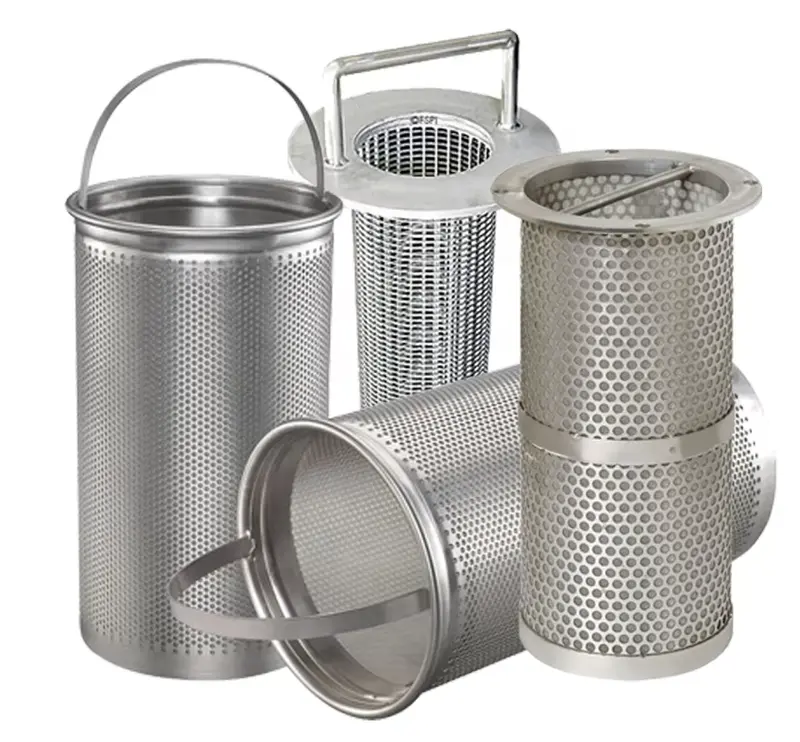
Mesh-lined strainer baskets
View details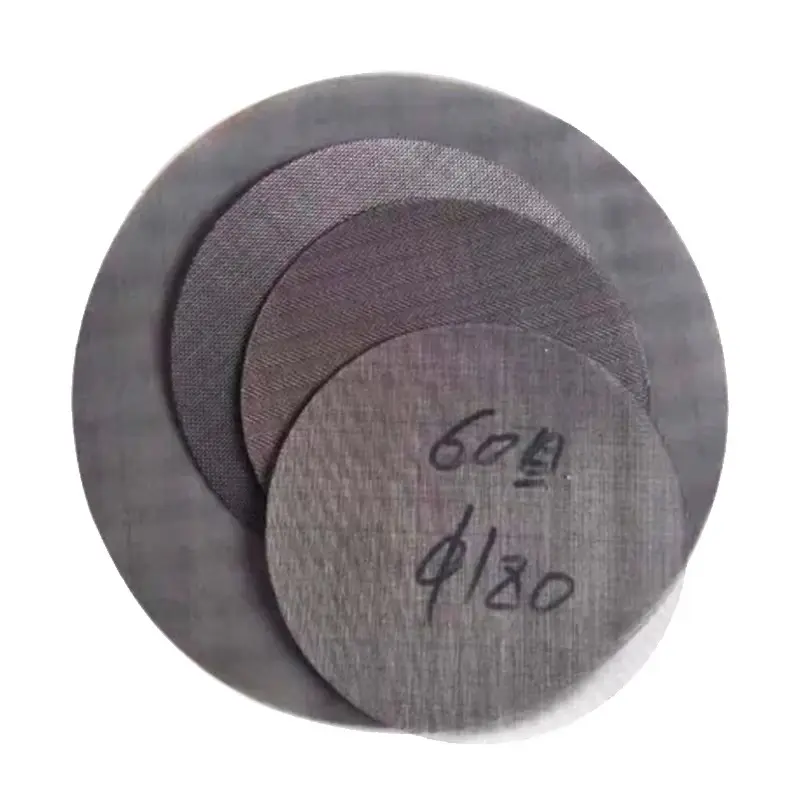
Multilayer screen packs
View details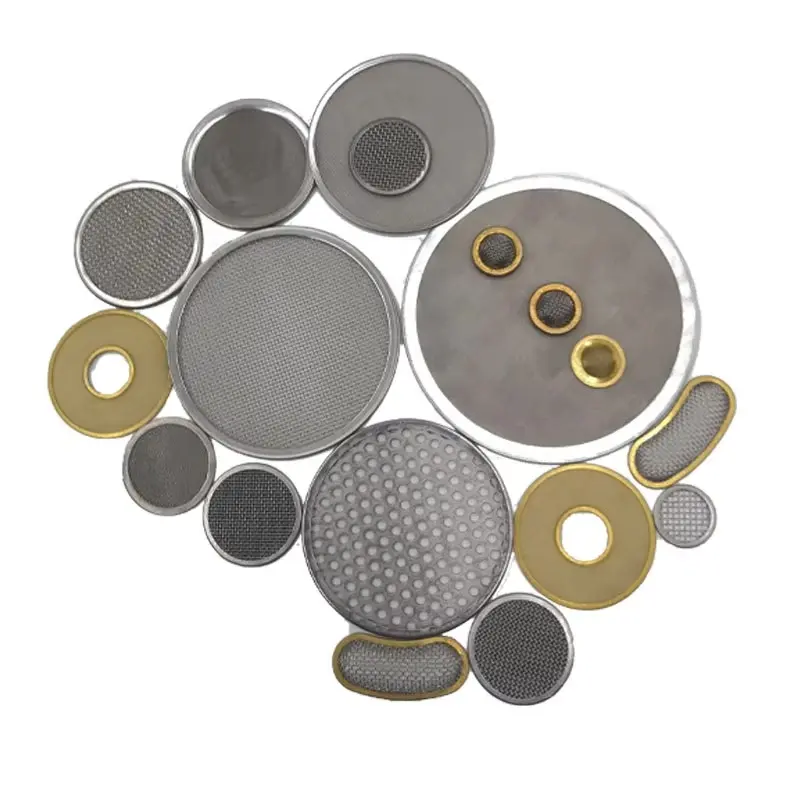
Wire mesh filter discs
View details