Shijiazhuang, Hebei, Chinasales@kaifil.com
KAIFIL
Filter cups and domed screens

Domed mesh screens

Convex stainless mesh screens with defined crown height, base diameter and retained or flanged edges. Formed aperture, mounting clearance and inspection details.

Metal wire mesh
Curved envelope
Base diameter, dome height and crown radius
Working surface
Weave, wire diameter and finished local aperture
Seating edge
Bare, ring-retained or flanged edge; contact width
Installed clearance
Crown orientation, adjacent-part clearance and inlet face

Share a drawing, reference sample or application requirements to discuss the configuration.

Product details

Forming and filtering surface

A circular mesh blank is formed into a convex screening surface. Dome height, crown radius and base opening define the curved envelope independently. A hemispherical form has a specific height-to-radius relationship; shallower spherical caps use their own drawing profile. The convex surface creates clearance above a flat seat while retaining a compact mounting perimeter.
Seating geometry and flow path

The edge is trimmed, captured in a retaining ring or formed into a flange. The seat supports this perimeter while the curved mesh remains exposed to flow. The drawing identifies the crown orientation, inlet side and clearance to adjacent moving parts. Base outside diameter and usable opening are separate dimensions, especially on rimmed screens.

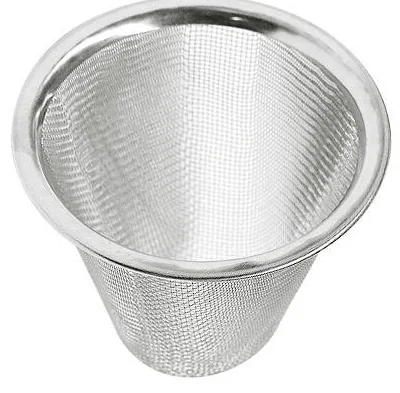
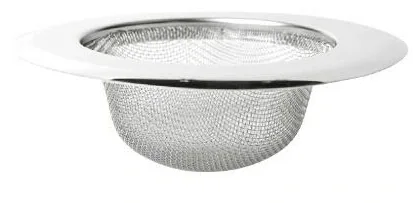
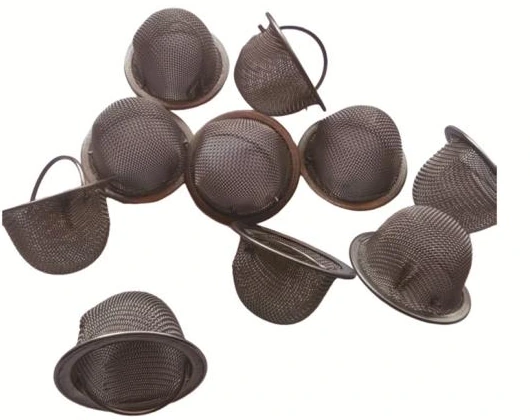
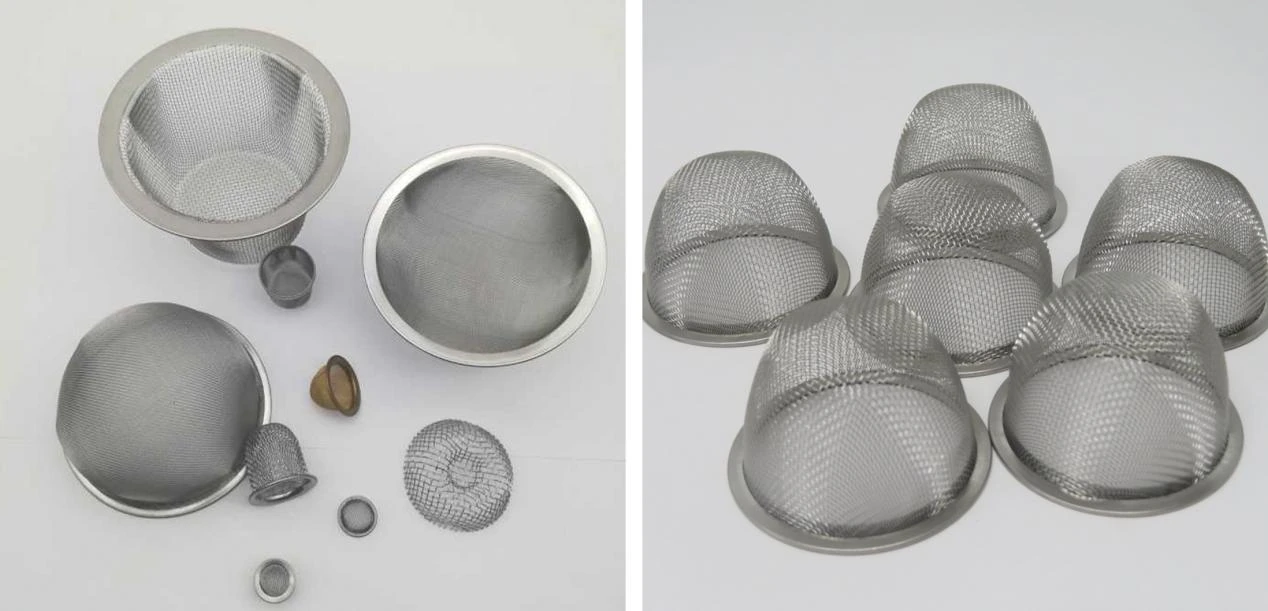
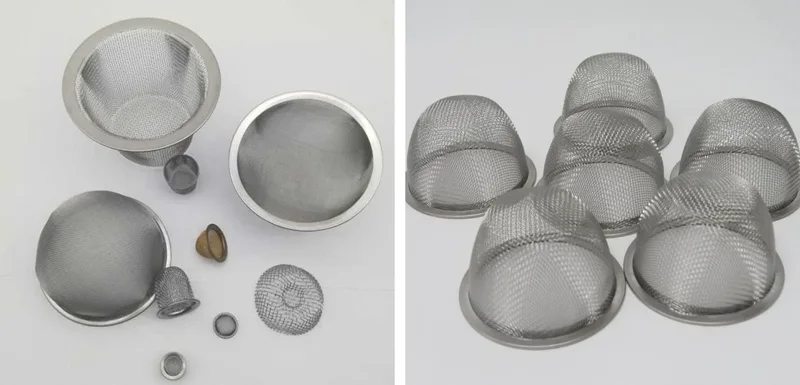
Formed metal-mesh cups, flanged cups and domed caps
The photograph distinguishes deep cup walls, flat seating flanges and convex mesh caps.

Inspection of the finished part

Forming changes local mesh geometry at the crown and transition. Inspection therefore checks the finished aperture as well as starting mesh count and wire diameter. Crown height, base roundness, wire continuity, edge finish and seating contact complete the acceptance dimensions. Single- and multilayer constructions name each layer and its orientation separately.

Define the crown above its seating perimeter

A domed screen is positioned by its perimeter while the convex crown occupies space above that seating plane. State the crown height from the rim datum, the outside edge and the exposed mesh region. The crown profile and edge are separate dimensions; they determine fit beneath the mating cover or inside the port.

Place the clamp on the defined perimeter so installation preserves the formed crown. Mark the incoming flow and the side of any backing. Inspect crown height and opening continuity after forming, then check the seated part for clearance and retained edges. Clean and handle the cap by its perimeter rather than pressing the crown flat.

Separate cloth grade from the formed dome

The table defines the flat-cloth baseline for the curved screen. The two 60-mesh and two 100-mesh combinations show how wire diameter changes aperture and open area at the same mesh count. Forming redistributes the weave around the crown and shoulder. Inspect openings over the finished curve, with crown height and base diameter controlled as separate installation dimensions.

Formed component drawing schedule

Formed component drawing schedule

FeatureSpecified dimensions or construction
Curved envelopeBase diameter, dome height and crown radius
Working surfaceWeave, wire diameter and finished local aperture
Seating edgeBare, ring-retained or flanged edge; contact width
Installed clearanceCrown orientation, adjacent-part clearance and inlet face
Define the crown above its seating perimeter

Define the crown above its seating perimeter

Controlled featureInstallation taskCheck on the finished part
Crown heightFits the available cap spaceHeight from the seating datum
Perimeter edgePositions in the port or holderOutside contour and seating width
Formed meshProvides the exposed screen surfaceWire integrity and openings around the curve
Retainer and backingKeep orientation and supportClamp contact, loading side and clearance
Define the crown above its seating perimeter
Domed screen: starting square-weave cloth combinations

Domed screen: starting square-weave cloth combinations

Mesh count per inch (warp × weft)Wire diameter (mm)Flat-cloth aperture (mm)Flat-cloth open area (%)
40×400.2540.3836.0
60×600.1910.2330.5
60×600.1780.2533.9
100×1000.1140.1430.3
100×1000.1020.1536.0
Ordering and production

Ordering and production

Supply itemOrder basis
Production lead time2–3 weeks after order and drawing confirmation.
Trial ordersSmall trial quantities for fit and process evaluation.
Regular production orders50 pieces or US$3,000 per order.
Quotation basisMaterial, finished dimensions, filter construction, connections and quantity.

Specifications

Domed mesh screens
ParameterSpecificationNotes
Curved envelopeBase diameter, dome height and crown radius—
Working surfaceWeave, wire diameter and finished local aperture—
Seating edgeBare, ring-retained or flanged edge; contact width—
Installed clearanceCrown orientation, adjacent-part clearance and inlet face—
Material304 / 316L stainless steel—
Finished dome geometryD × d × H mmD is base outside diameter; d is the clear base opening; H is crown height from the seat.
Mesh choices40 / 60 / 100 meshThe table pairs the starting 40, 60 and 100 mesh cloth with wire diameter and flat aperture; inspect local openings after forming.

Production details and documented projects

Mesh forming
Mesh forming

Mesh forming

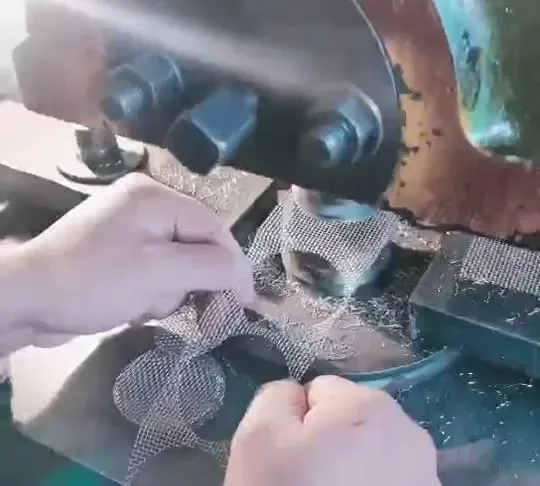
A circular mesh blank is formed into a convex cap, then its base is trimmed or edged. The forming die and weave selection must prevent broken wires at the crown.

Applications

Sensor inlet screens

The dome provides a convex screening surface with clearance above the seat.

Valve inlet screens

The base edge locates the dome while the crown clears the adjacent component.

Frequently asked questions

How are the installation dimensions defined?

The edge is trimmed, captured in a retaining ring or formed into a flange. The seat supports this perimeter while the curved mesh remains exposed to flow. The drawing identifies the crown orientation, inlet side and clearance to adjacent moving parts. Base outside diameter and usable opening are separate dimensions, especially on rimmed screens.

What is checked after forming?

Forming changes local mesh geometry at the crown and transition. Inspection therefore checks the finished aperture as well as starting mesh count and wire diameter. Crown height, base roundness, wire continuity, edge finish and seating contact complete the acceptance dimensions. Single- and multilayer constructions name each layer and its orientation separately.

Formed cup and mesh-cylinder installation checklist

Complete the component fields and return the sheet with the assembly drawing and order reference.

Download: Formed cup and mesh-cylinder installation checklist

Editable CSV with component dimensions, construction and inspection fields.

Technical enquiry

Define the dimensions, media, joints and inspection records before confirming the order.

Technical details (optional)
Selection inputs

WhatsApp

Search