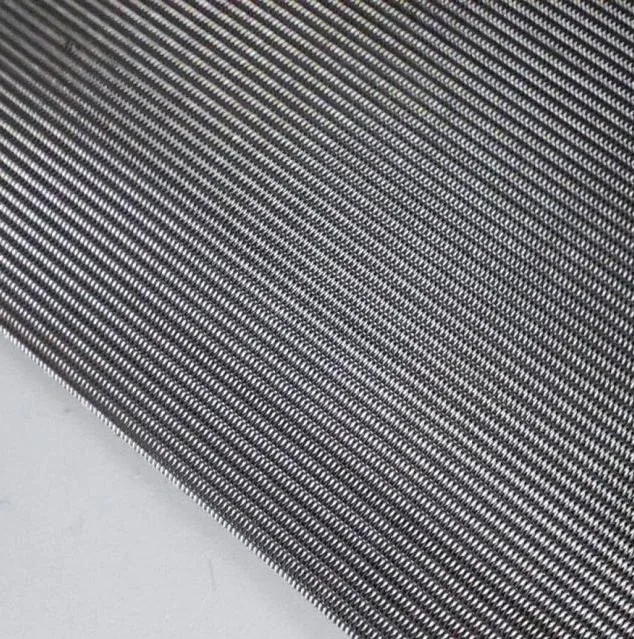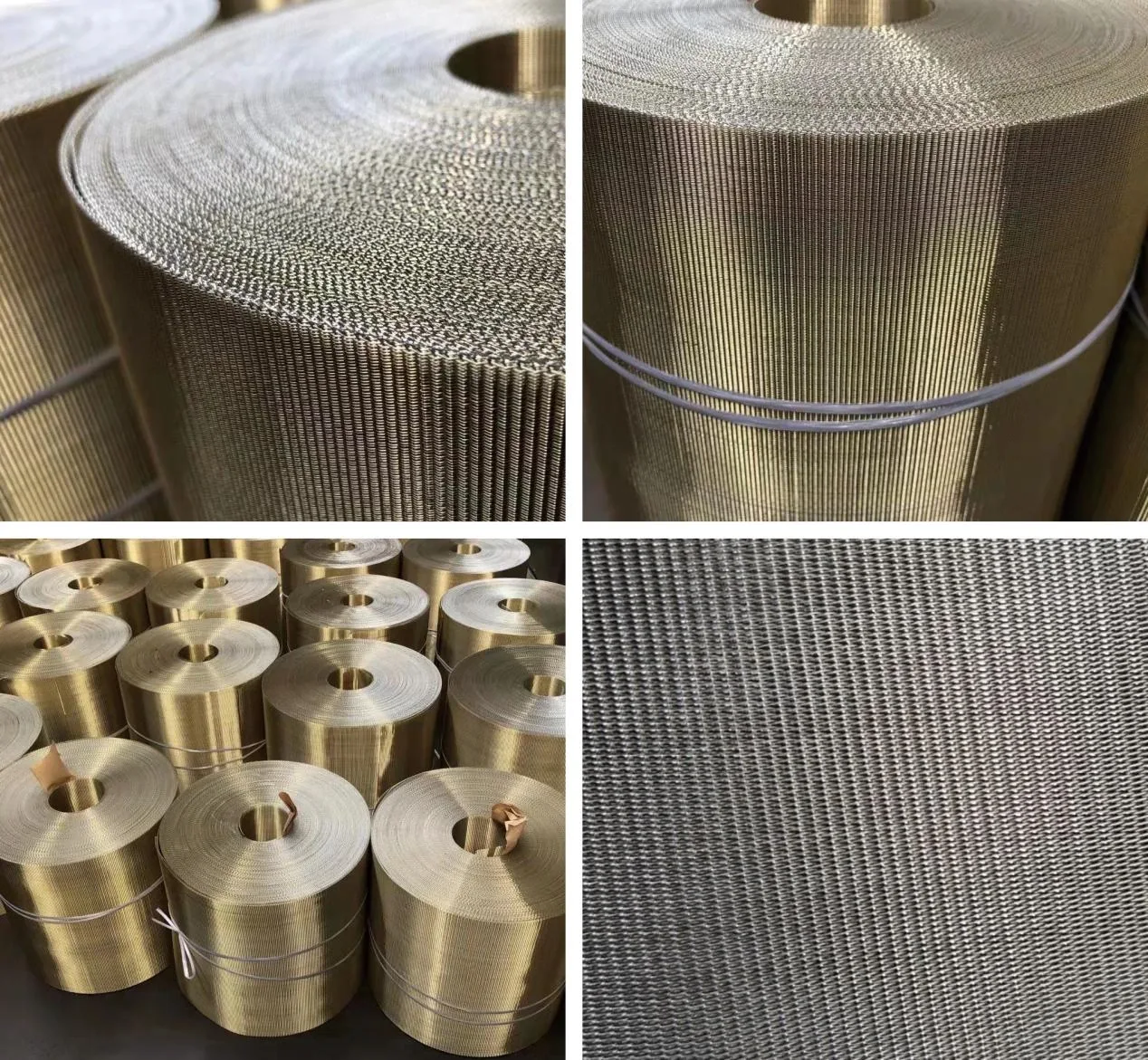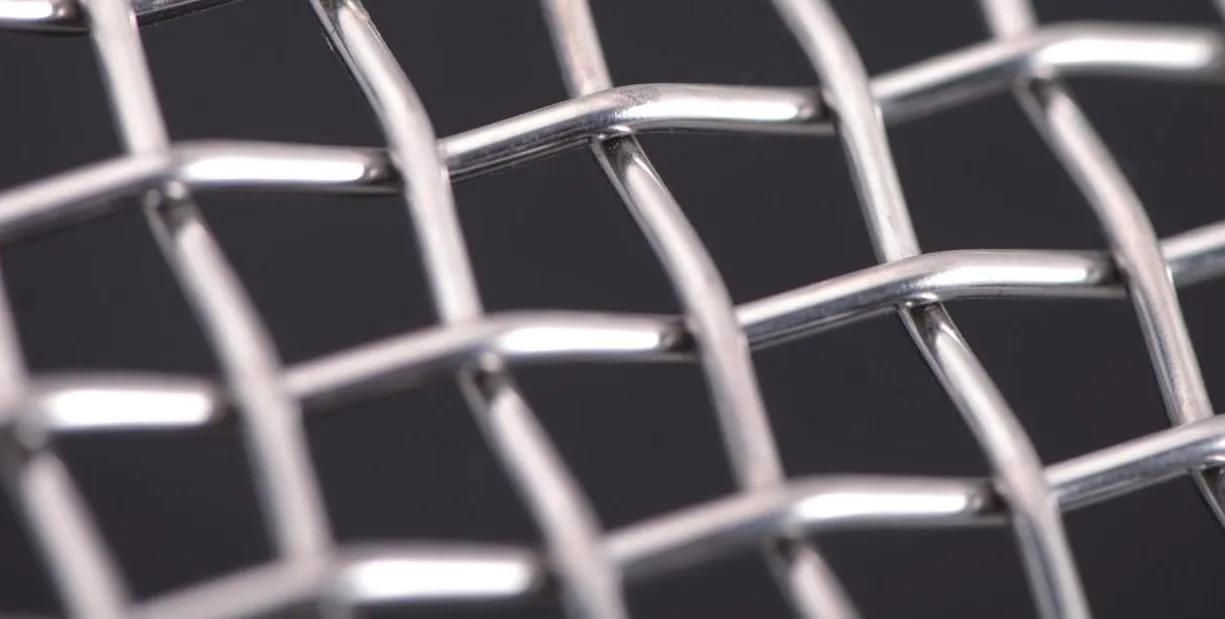
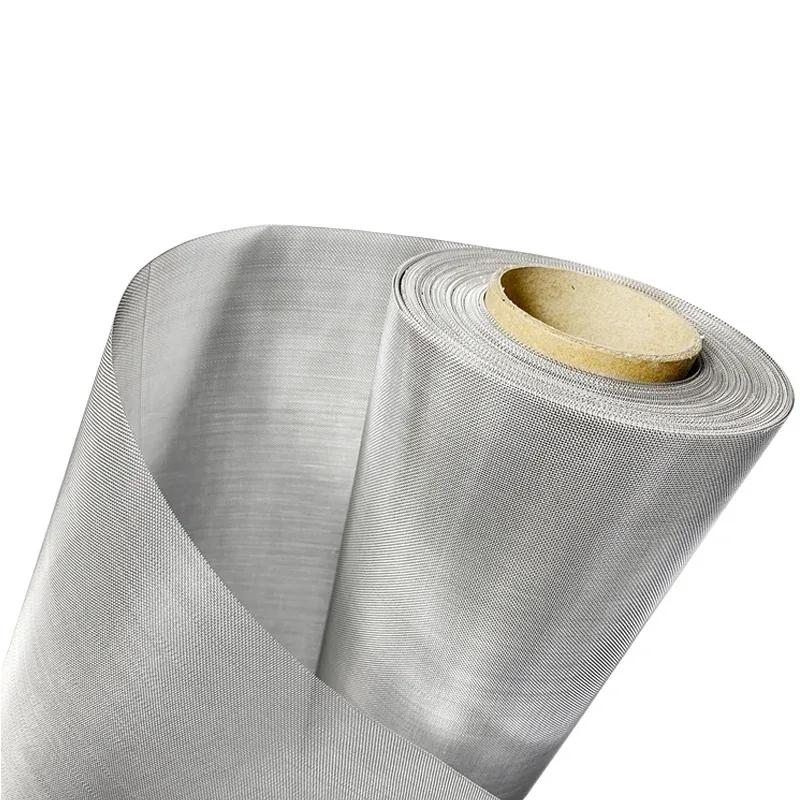
Define the mesh geometry
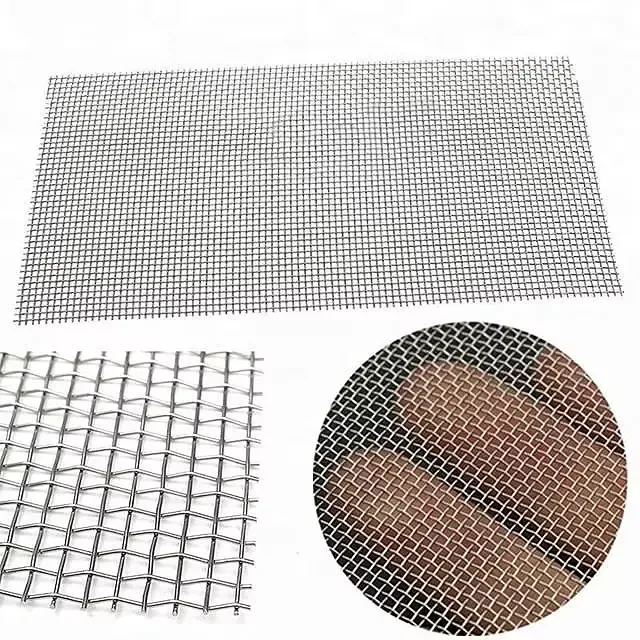
For a square plain weave, nominal clear opening is pitch minus wire diameter. Mesh count gives wires per unit length; wire diameter still has to be specified.
Compare open-area percentages
For a simple square grid, theoretical open-area fraction is (clear opening / pitch)². Crimp, weave type, tolerances and finishing alter practical results.
Specify the finished component
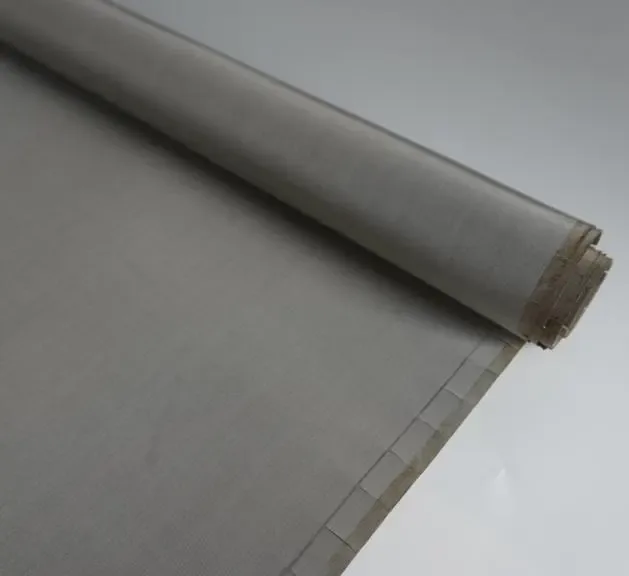
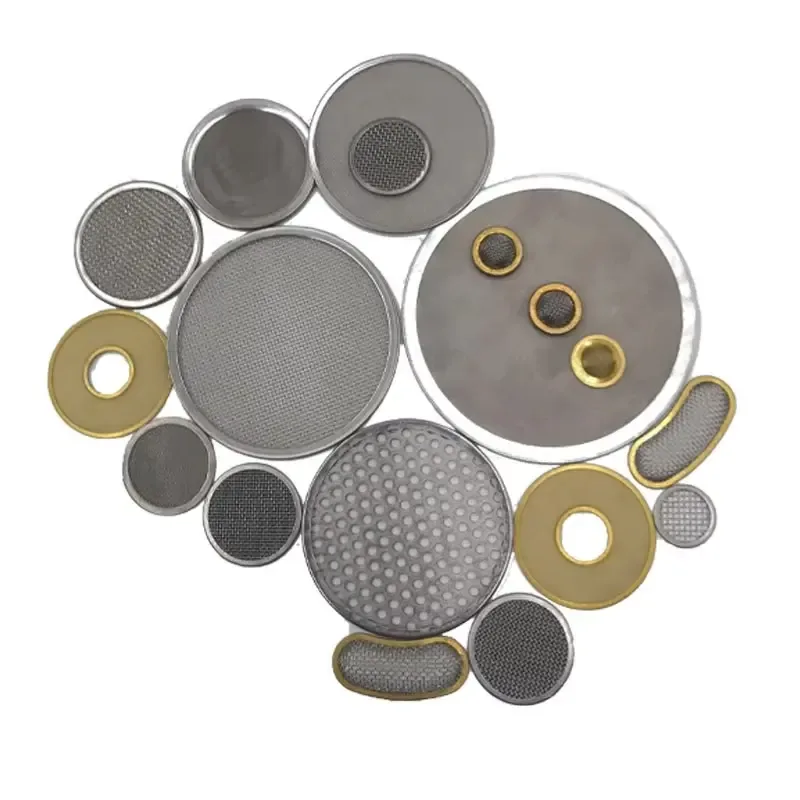
Specify roll or cut size, edge finish, direction, flatness, material grade and any calendering. A cut screen also needs its installation seat and tolerance.
Design review
For a plain square weave, use mesh count and wire diameter together to estimate pitch and clear opening. Confirm whether the requested value is nominal geometry or an inspected tolerance. Dutch weaves and other non-square constructions cannot be reduced to the same square-opening calculation; they need construction-specific data and, where required, a test method.
Inspection and acceptance
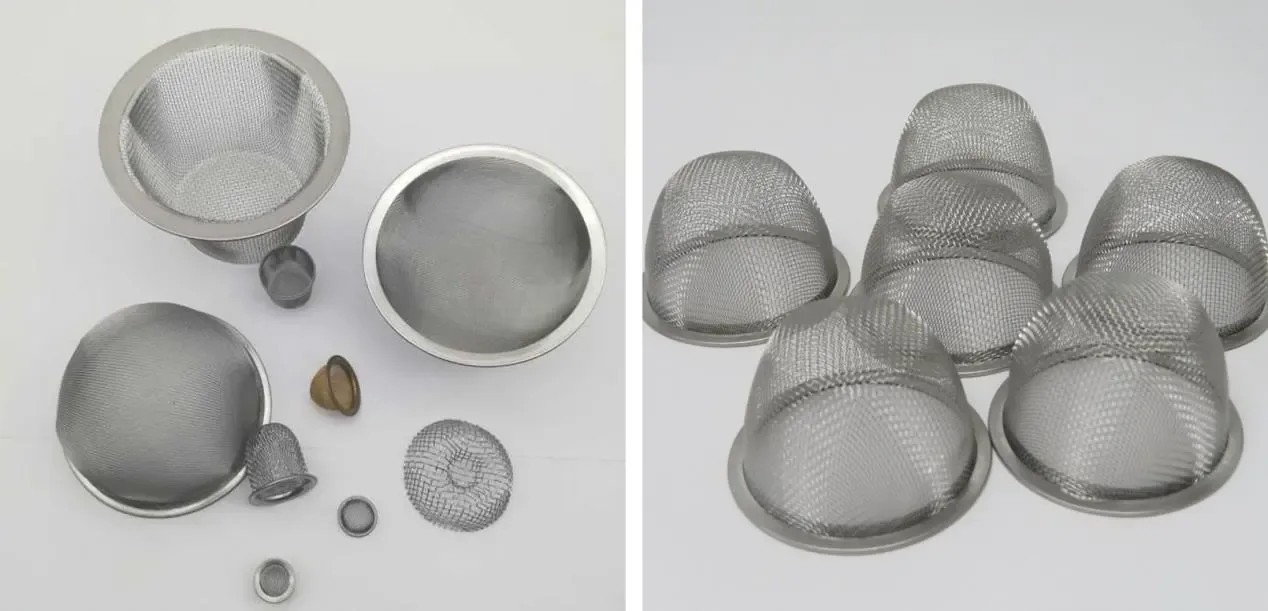
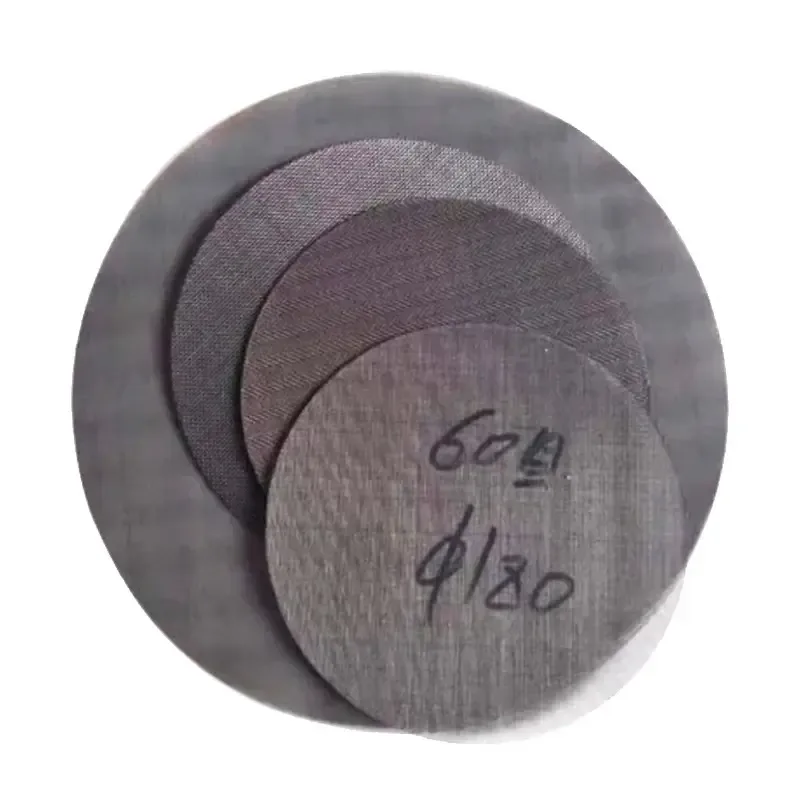
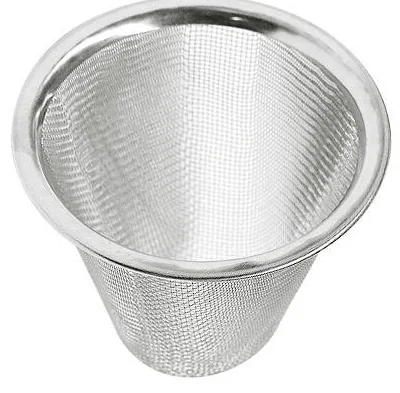
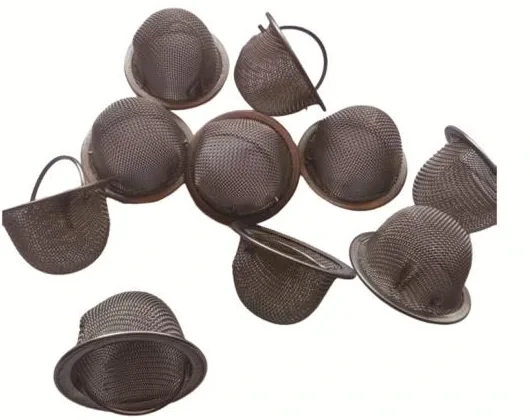
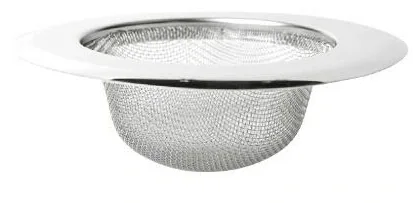
When mesh becomes a disc, cylinder or framed panel, add the finished outline, edge treatment, seam, flatness and mounting seat to the order. A mathematically suitable aperture does not prevent bypass around an unsealed edge. Record the actual wire and opening measurements used for first-article acceptance.
Worked example
For a nominal 100-mesh square plain weave with 0.100 mm wire: pitch = 25.4 / 100 = 0.254 mm; opening = 0.254 − 0.100 = 0.154 mm (154 µm); theoretical open area = (0.154 / 0.254)² × 100 ≈ 36.76%. This geometric example excludes manufacturing tolerances and installed obstructions. Do not use this formula for Dutch weave or treat 154 µm as a tested retention efficiency.