Start with the installed profile
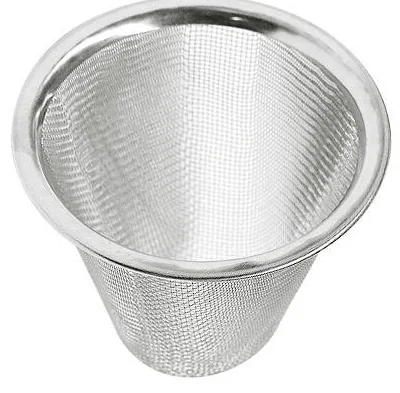
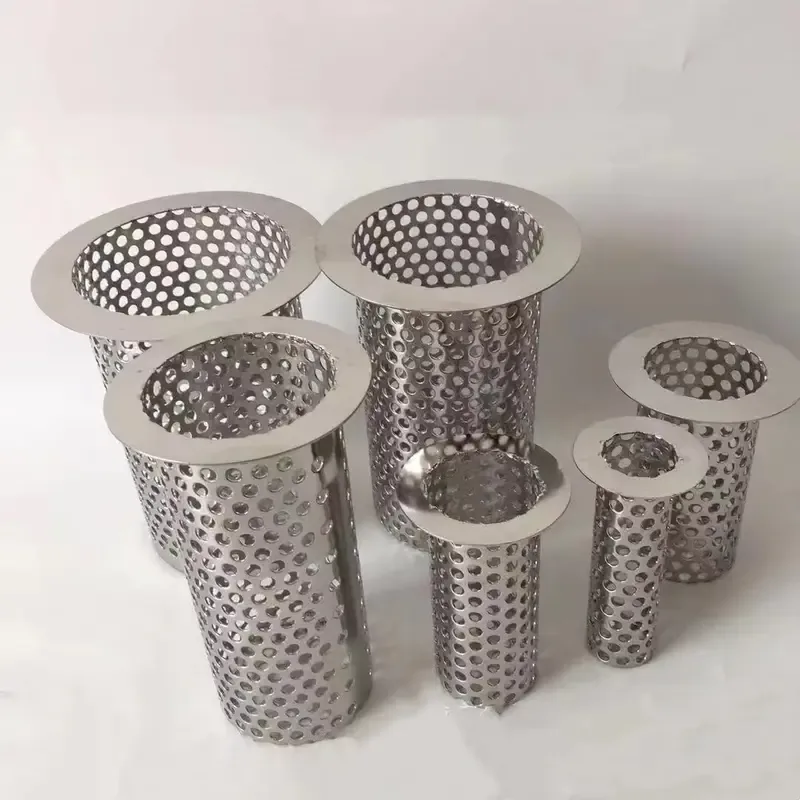
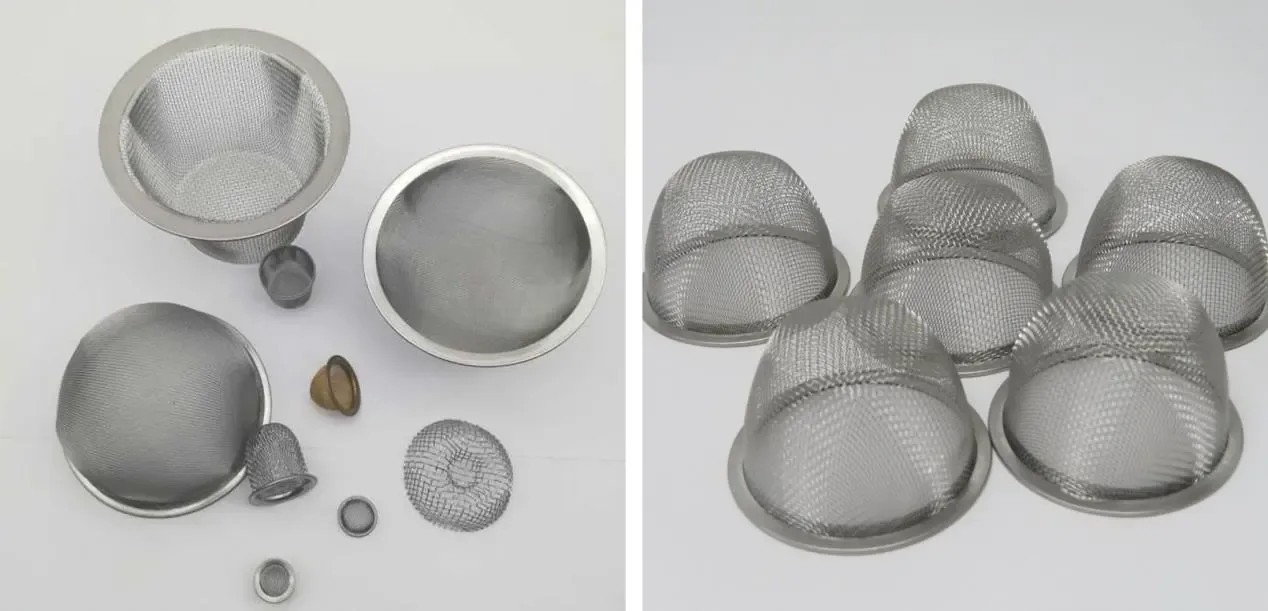
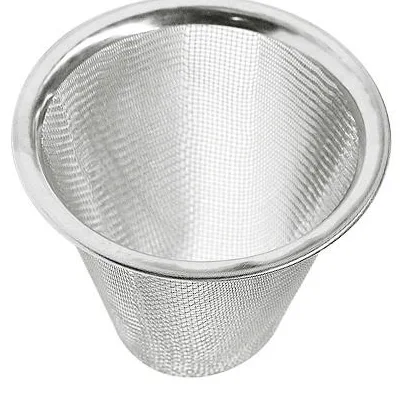
A filter cup combines a three-dimensional screening surface with a locating mouth or rim. Deep cups, convex caps and flanged bowls place the surface differently within the equipment. Begin with the available cavity and mounting seat, then identify the face exposed to the incoming fluid and the route to the outlet.
Deep drawing and the finished mesh
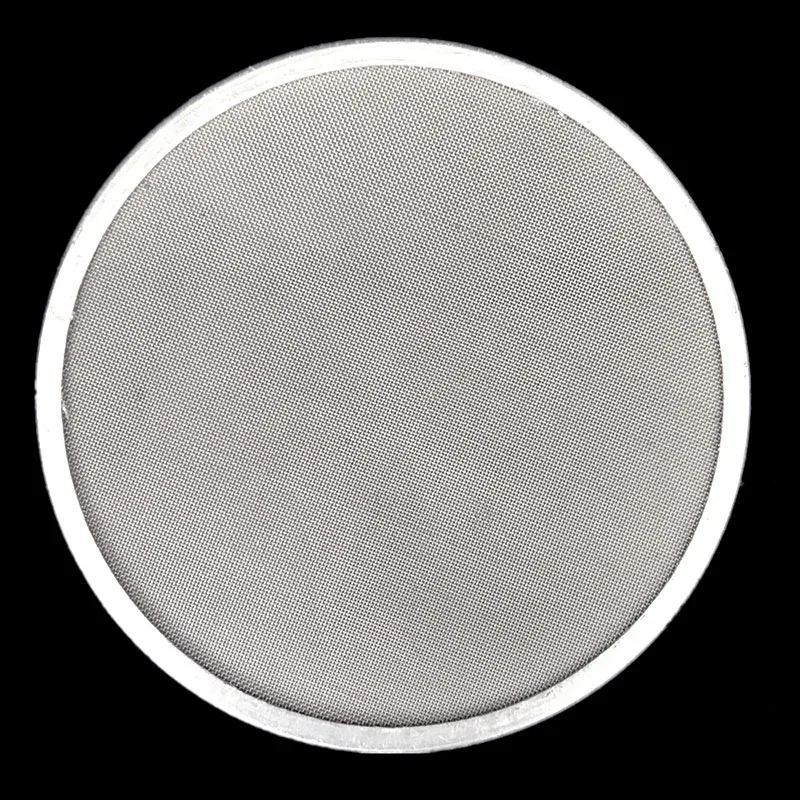
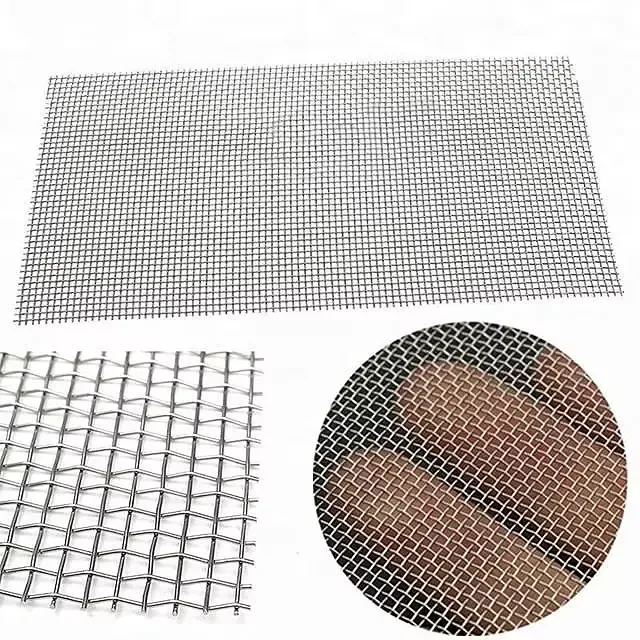
Drawing converts a flat blank into a wall and base joined by a formed radius. The woven pattern changes locally as it follows the curved surface. Specify material and cloth construction before forming, then inspect the finished mouth, wall, bottom and radius. Check opening continuity and wire condition at the formed regions.
Deep cups, domes and flanged forms
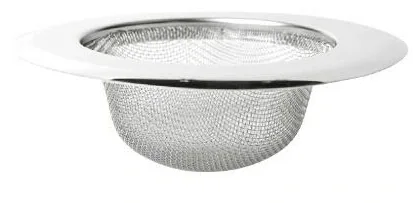
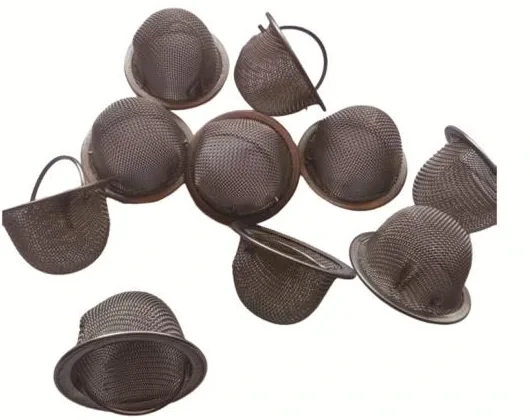
A deep cup projects into a cavity and offers sidewall area. A dome places a convex screening surface above its seating perimeter. A flanged cup adds a flat projecting rim that seats against a shoulder or retaining component. The selected profile defines overall height, insertion clearance and the exposed screen area.
The seat and retention arrangement
The rim locates the cup; a holder, retaining ring or clamp keeps it in position. A separate gasket or defined sealing interface controls peripheral bypass where the assembly requires a fluid seal. Show the mating bore, shoulder width, retaining feature and flow arrows. Place the support on the side towards which the filtration pressure differential pushes the mesh. For reverse-flow cleaning, specify the reverse-flow direction and the support that carries the mesh under the reversed pressure differential.
Dimension from a common rim datum
Give rim outside diameter, clear mouth diameter, body diameter, depth and finished height as distinct dimensions. Include corner radius, rim width, flatness and any locating feature. In the diagram D marks rim outside diameter and H is the shown depth from the rim datum to the bottom. The mating cavity defines the available insertion space.
Inspect and maintain the formed component
Check mouth shape, depth, concentricity, rim flatness, loose wires and local mesh damage. Confirm that the cup seats fully and the retainer engages without distorting the filtering wall. For cleaning and replacement, preserve the original orientation and inspect the rim, contact seat and support as well as the mesh.