Retention and hydraulics
Specify the smallest media particle to retain, required slot width, flow direction and backwash conditions. Confirm open area and support design against operating and reverse-flow loads.
Interfaces
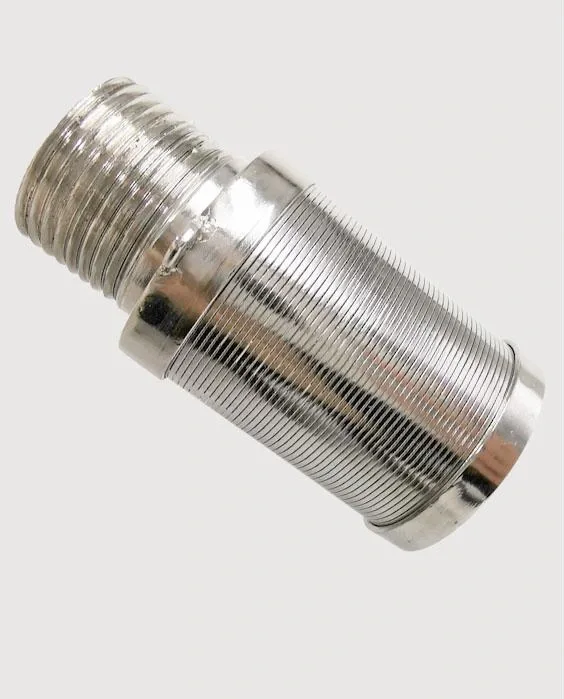
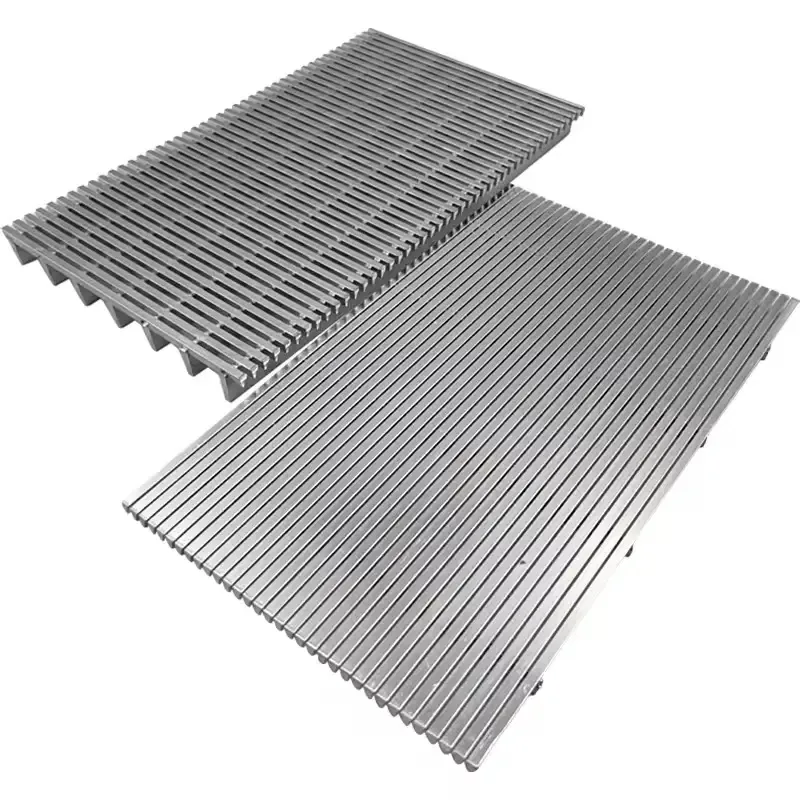
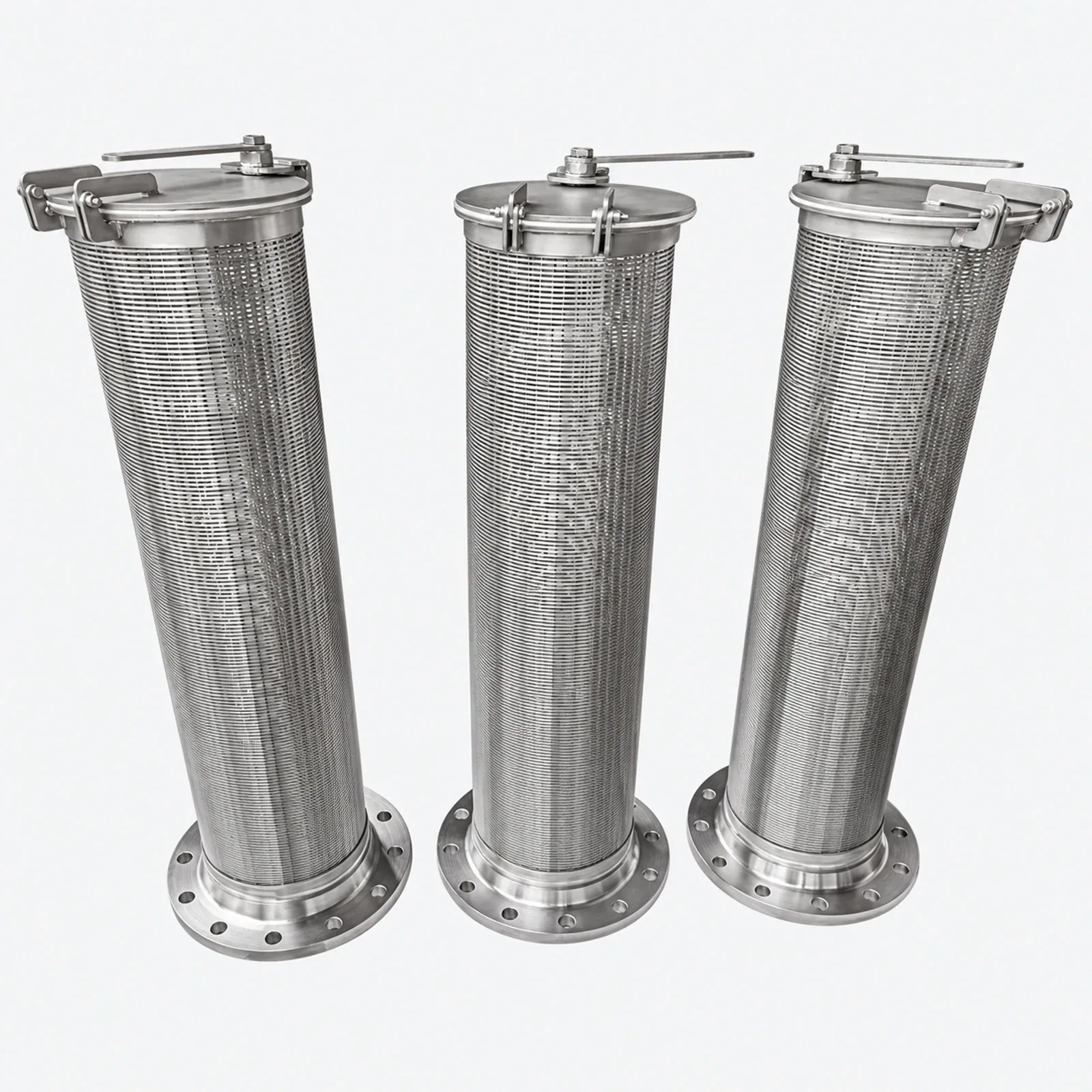
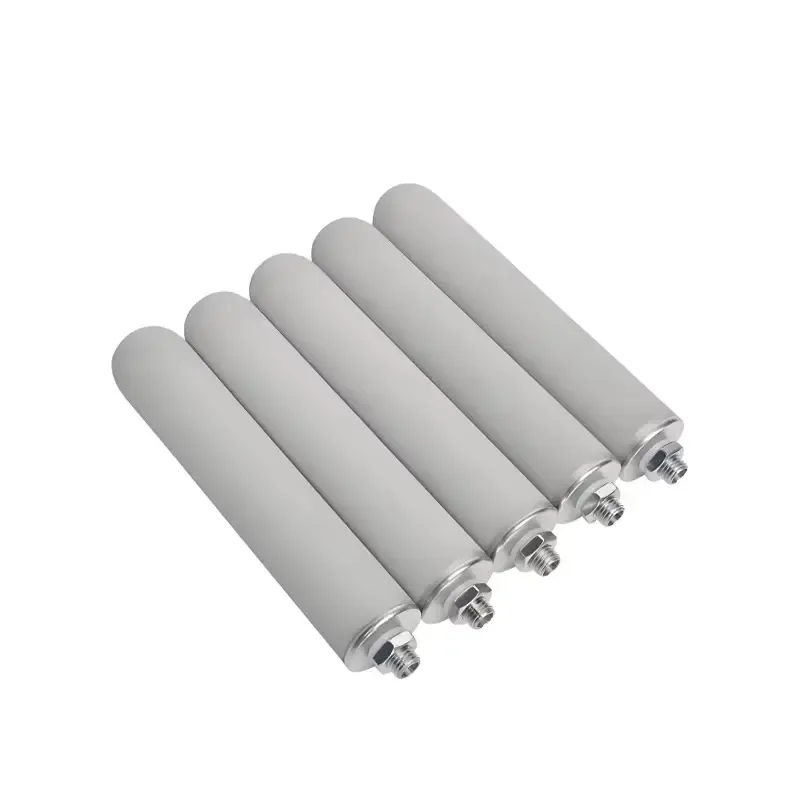
Threaded laterals, welded hubs, flanged screens and removable panels have different installation clearances. The vessel drawing should identify connections, branch spacing and support points.
Information for quotation
Send vessel dimensions, media size distribution, slot requirement, number of laterals or panels, connection details, material grade and cleaning cycle. State whether the part is an OEM build or replacement.
Design review
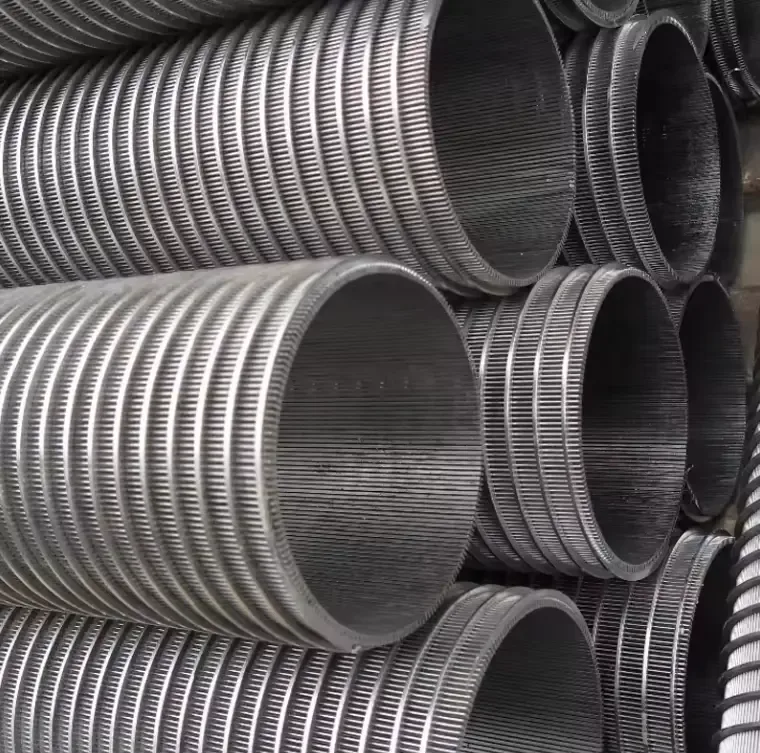
Relate slot width to the actual resin size distribution and flow direction, then review distribution and drainage through the vessel. A lateral, cylinder or panel must withstand service and backwash loads and still leave enough area for the hydraulic duty. Interface details such as threaded hubs and branch spacing are part of the screen design.
Inspection and acceptance
Supply the vessel layout, media size range, number and position of laterals or panels, end connection, material and cleaning cycle. Verify representative finished slots and connection fit. Resin loss, bed behaviour and pressure loss must be checked in the operating vessel; they are not guaranteed by a slot callout alone.
Connect resin retention to the vessel flow path
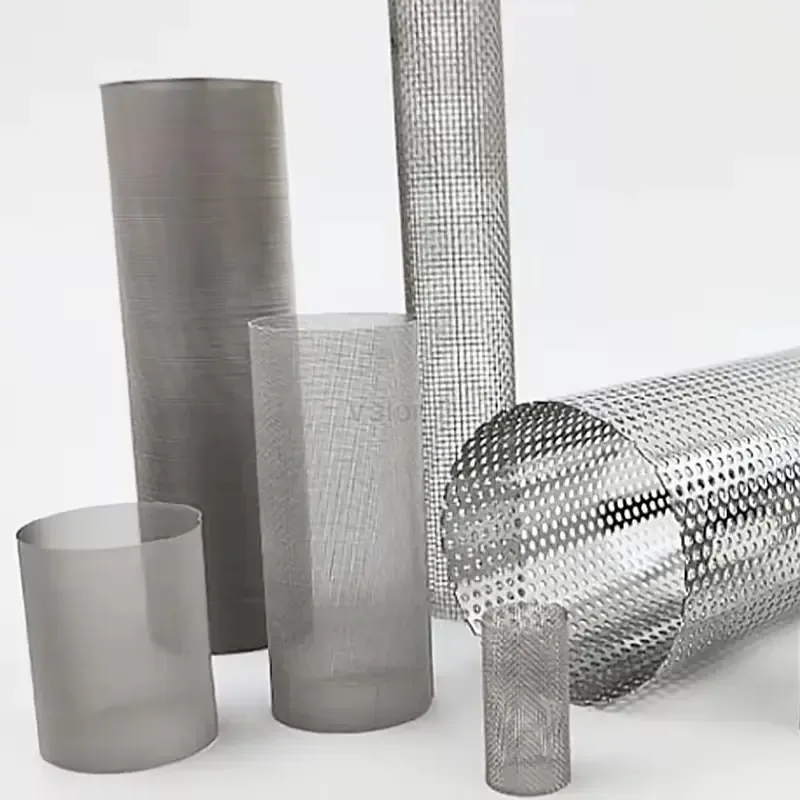
A filter nozzle retains resin at a plate connection; a slotted lateral distributes or collects through its length. Panels and cylinders can form other vessel boundaries. Their connections and supports follow different load paths, even when the selected slot width is the same.
Show the retained-media side, collection side and any reverse-wash direction. At each nozzle or branch, define the attachment, seal and adjacent clearance. The vessel schedule links these details to media size distribution, nozzle count or branch spacing, and the accessible removal route.