What the worksheet covers
Define the screen form, slot width and tolerance, profile wire, support pitch, dimensions, end connections, flow direction and backwash conditions.
Using it for an RFQ
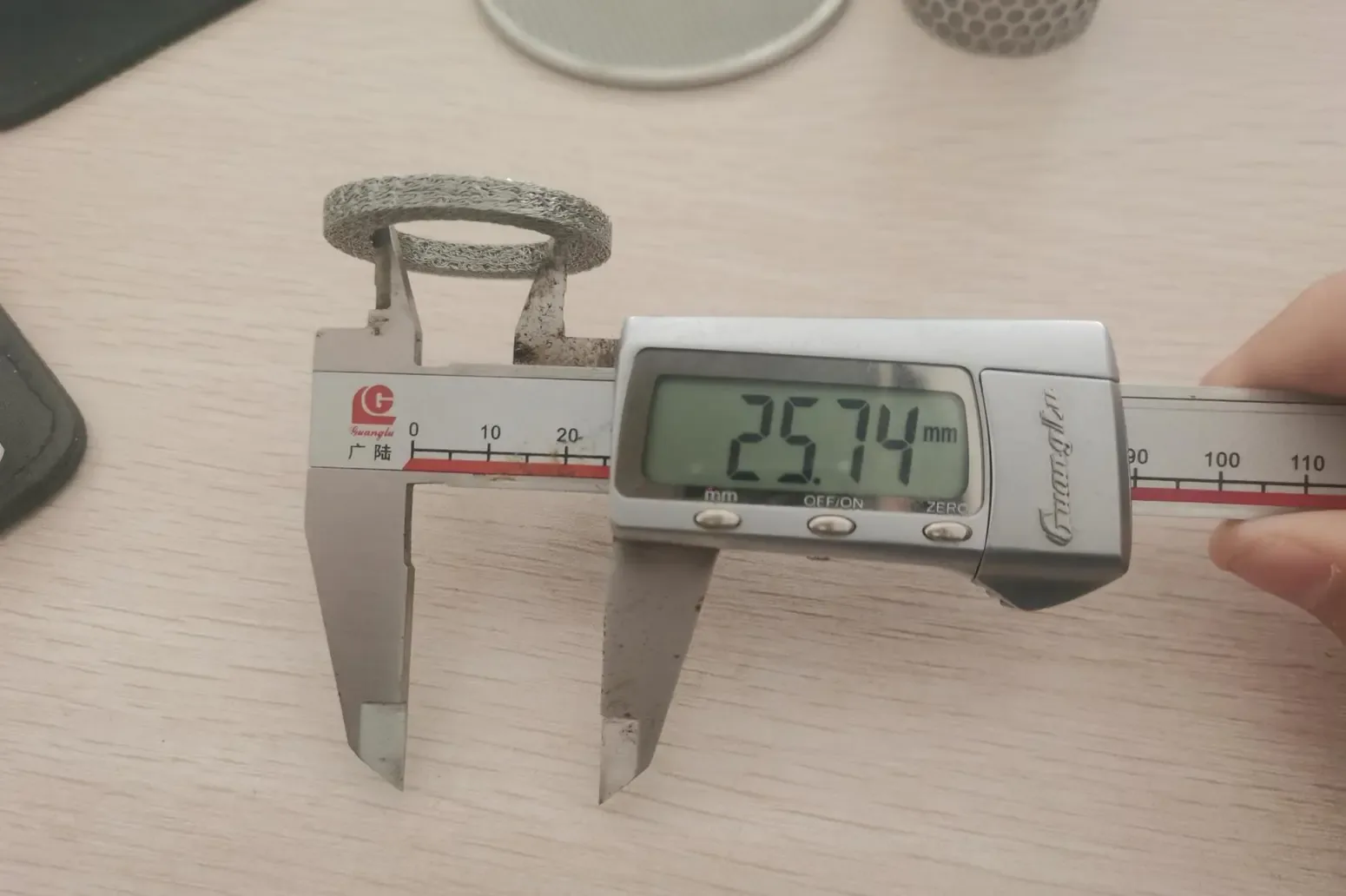
Attach the equipment drawing or a measured sample. Include process chemistry, differential pressure, installation clearance and inspection method for slot and overall dimensions.
Design review
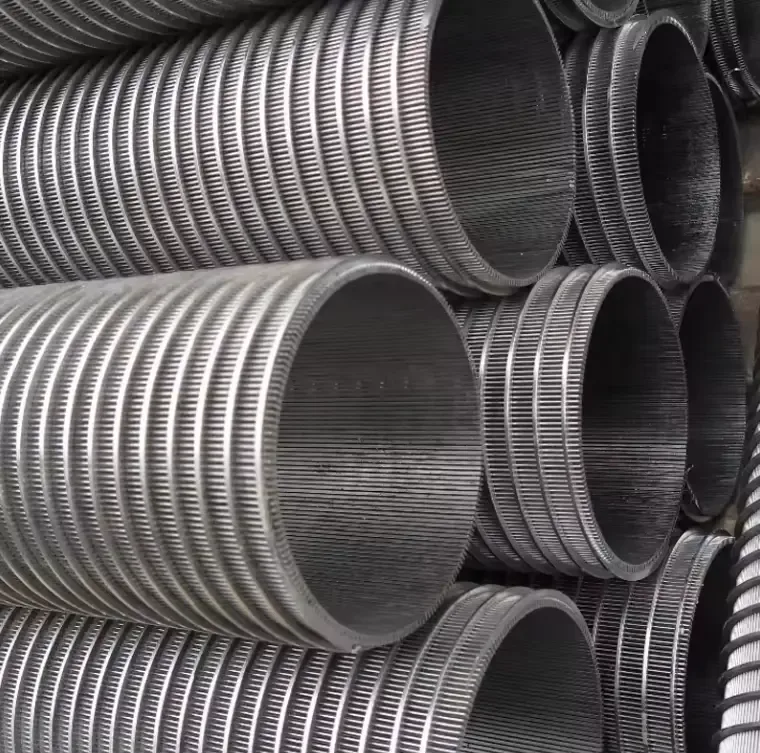
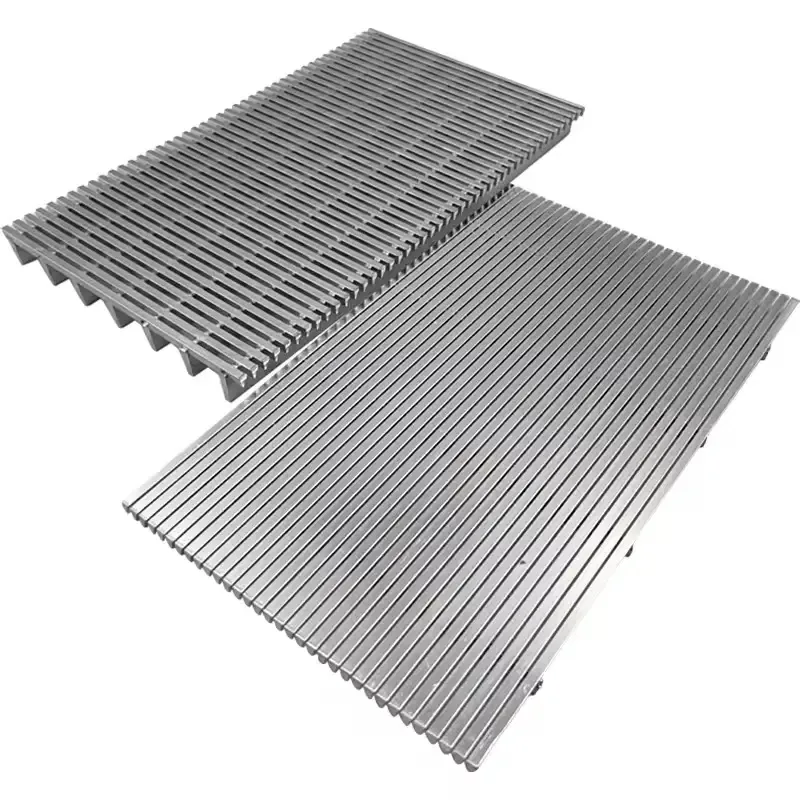
Complete slot width and tolerance with profile-wire size, support pitch, finished form, dimensions and flow direction. Record whether the screen will see reverse flow or backwash. The mounting frame, end connection and installation clearance matter just as much as the slot because the part must seat and survive in the actual equipment.
Inspection and acceptance
The worksheet supports a quotation and drawing review; it does not set universal slot or hydraulic limits. Attach the vessel or machine drawing and identify how representative slots and finished dimensions will be inspected. A process trial is needed when acceptance depends on actual solids retention or clogging.
Continue the specification
Relevant product categories
Add the installation fields for the selected screen form
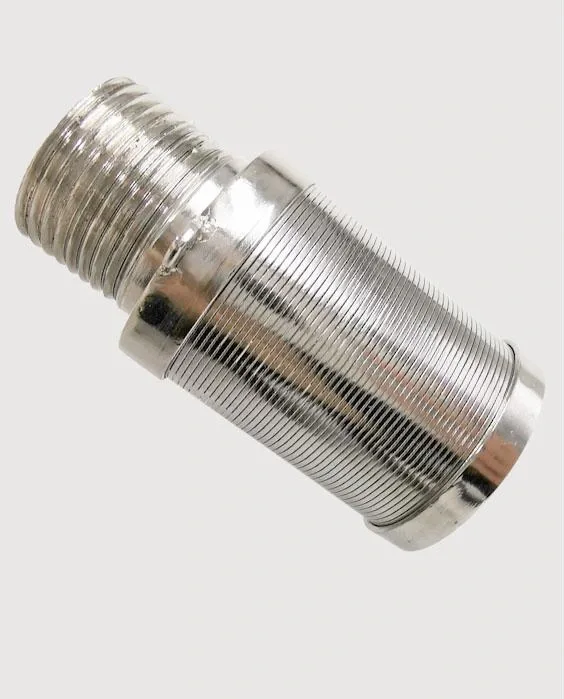
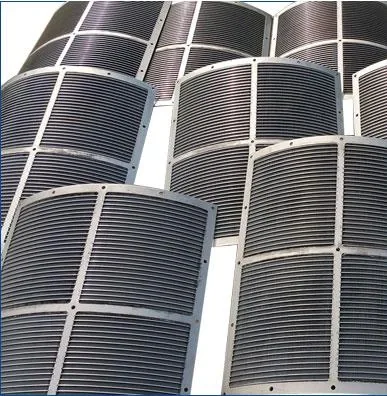
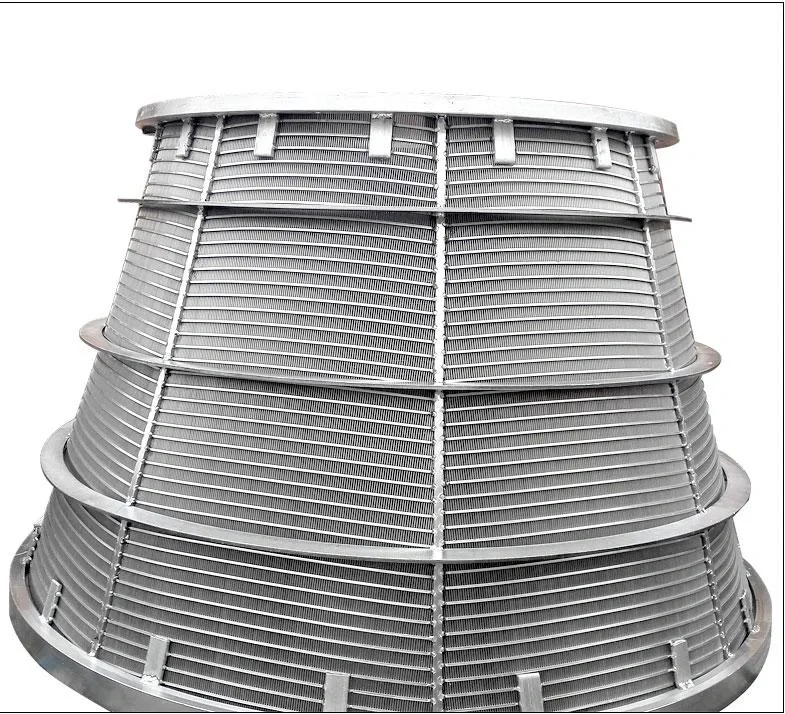
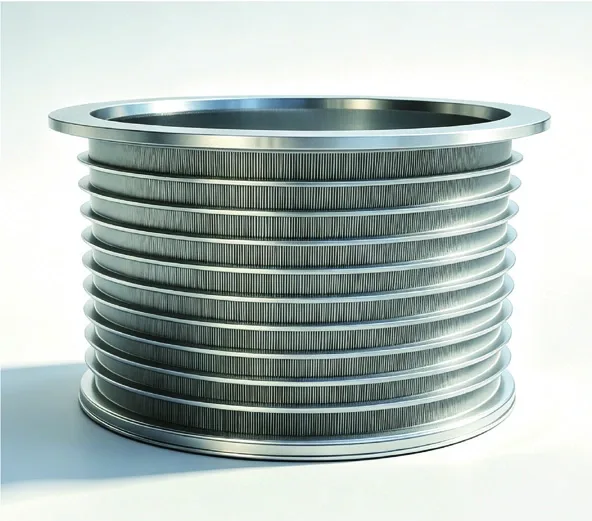
Start the worksheet with the component form. A nozzle needs its cap and plate joint; a curved screen needs radius and inlet tangent; a centrifuge basket needs rotating datums; a pressure-screen basket needs its stationary working face and rotor clearance. These fields complete the common slot and material entries.
Keep active dimensions separate from overall mounting dimensions. Mark service and cleaning arrows independently, then identify the measuring face and the acceptance positions. Attach the machine interface and the selected material schedule to the same drawing revision so the completed sheet describes a reproducible component.