Duty and material
Specify the process fluid, concentration, operating and cleaning temperatures, pressure direction and expected solids. SS316L is common, but chloride exposure, acids or elevated temperature may require a different alloy selected from actual service data.
Component choice
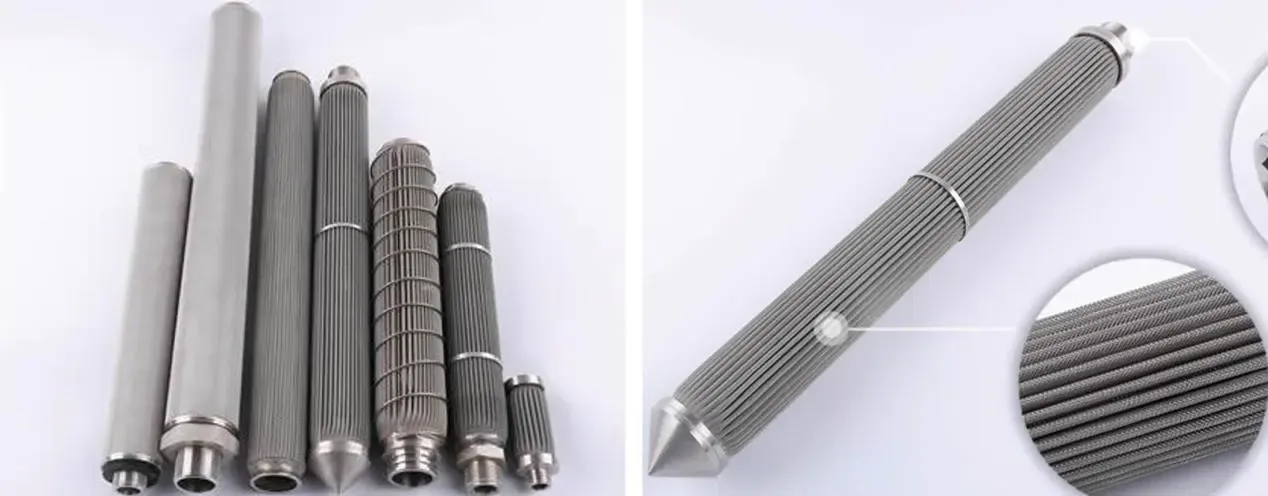
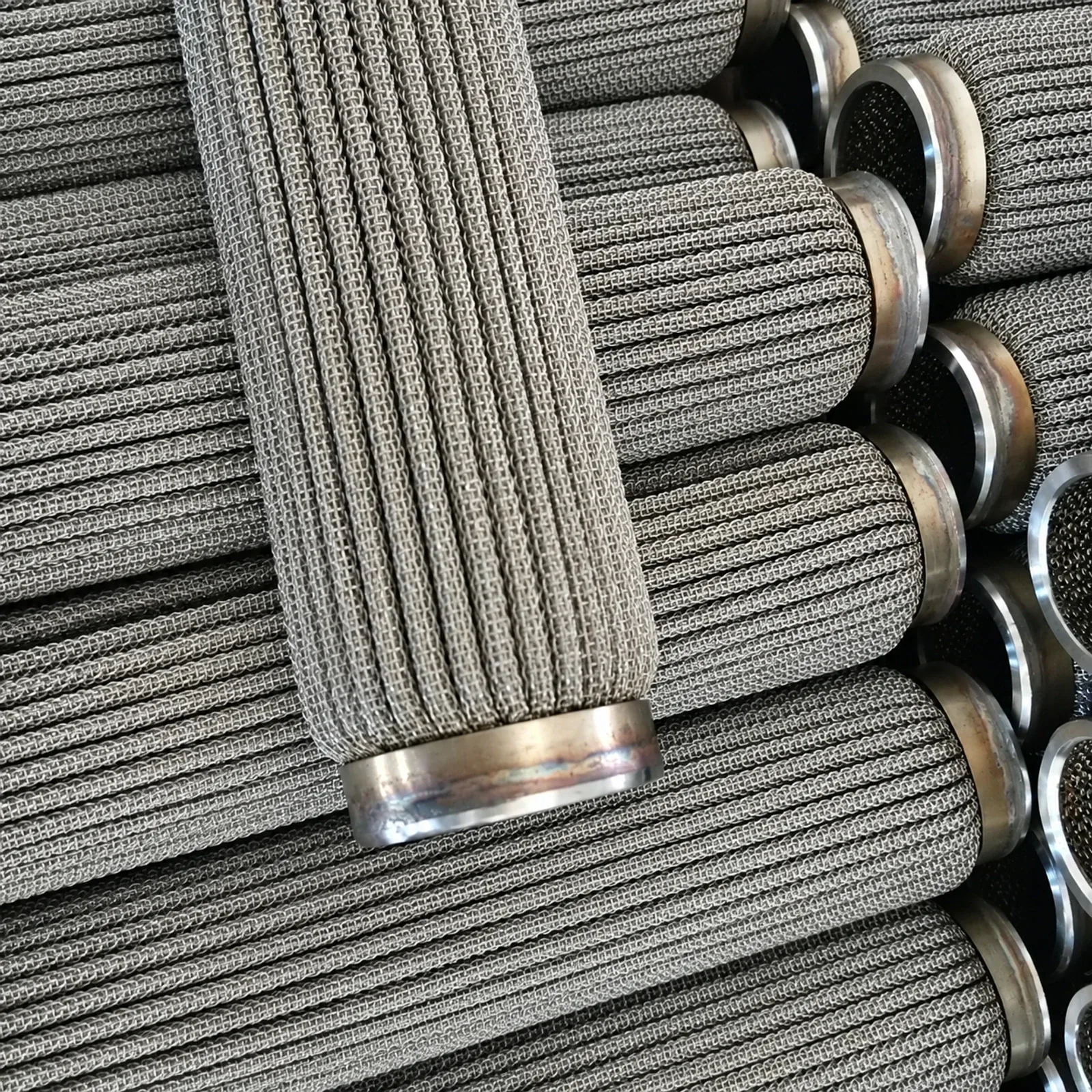
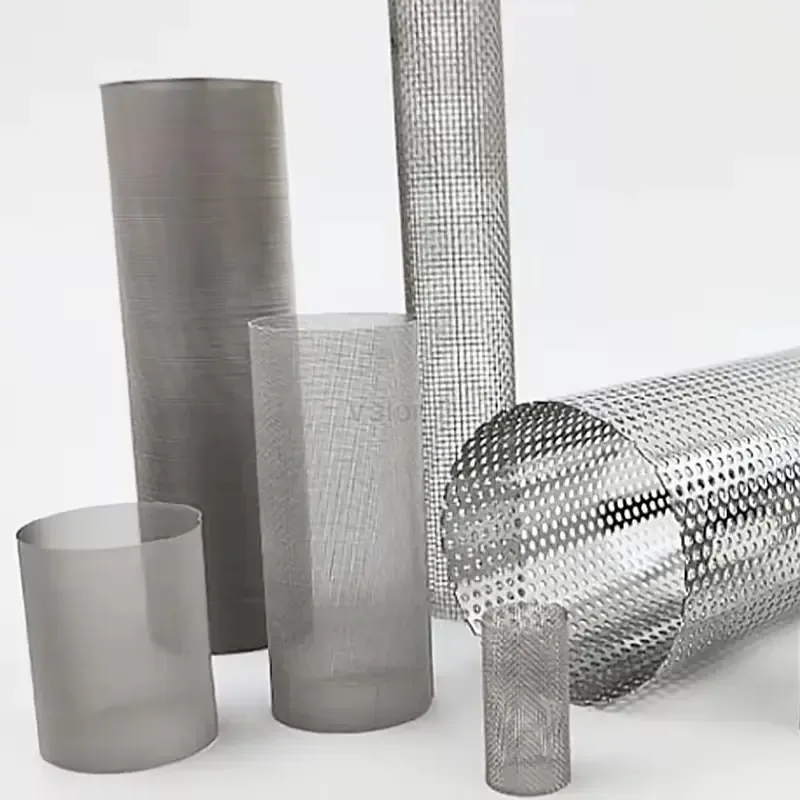
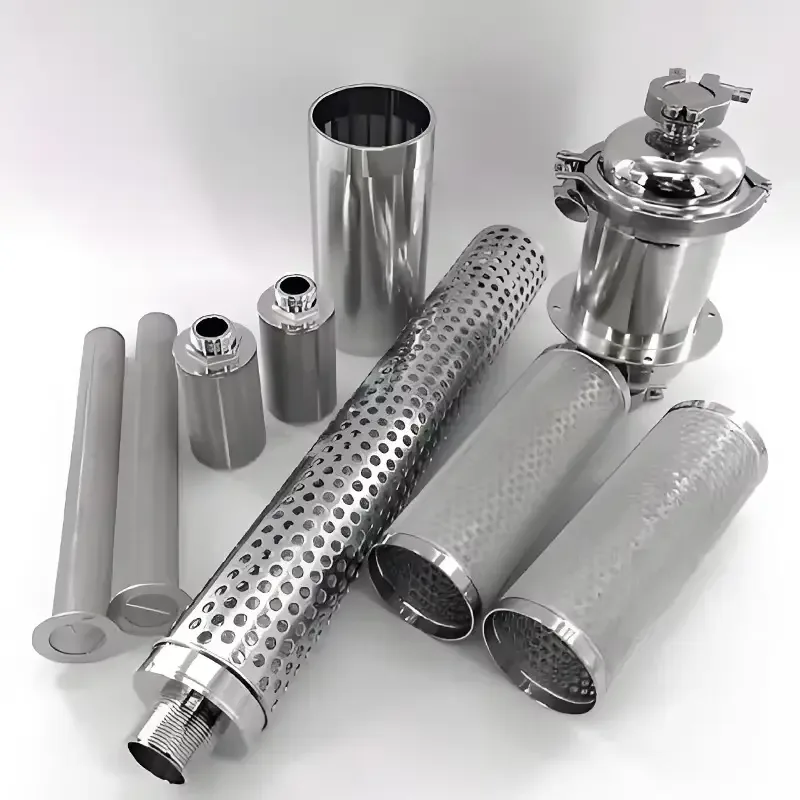
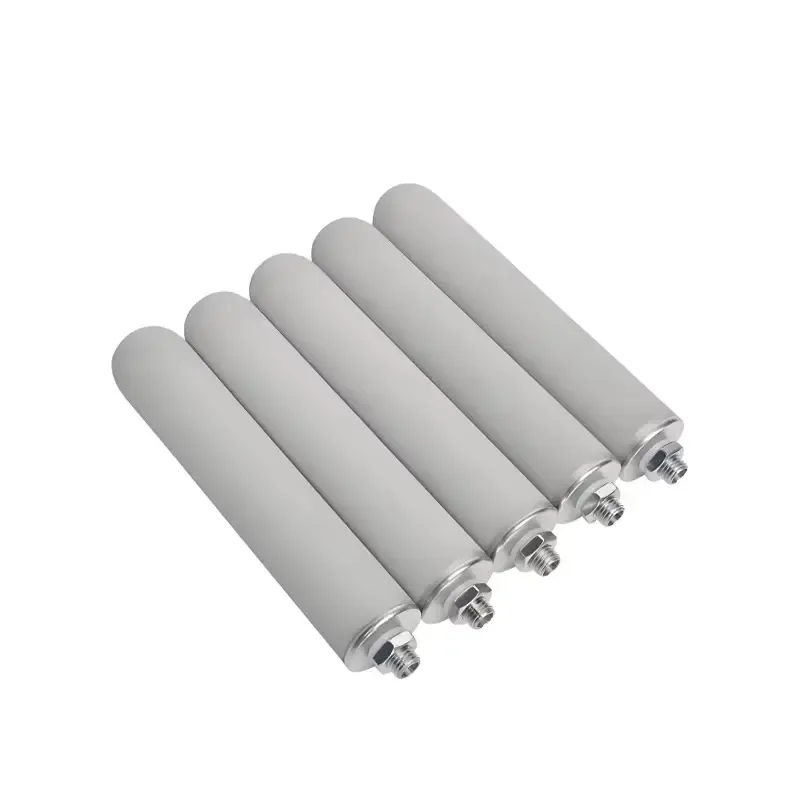
Pleated mesh cartridges increase surface area within a fixed housing. Sintered mesh offers a rigid cleanable medium; strainer baskets serve removable coarse protection. Confirm end connections, sealing lands, flow direction and the pressure load on each element.
Information for quotation
Send the equipment drawing or sample, media rating with its test basis, material grade, outside dimensions, end-cap detail, seals, quantity and any material or inspection records required. Avoid substituting a quoted micron value for a complete filtration specification.
Design review
Separate coarse equipment protection from fine process filtration. A removable basket, pleated cartridge and rigid sintered element solve different retention, support and maintenance problems. Confirm the chemical mixture, chloride or sour exposure, operating and cleaning temperatures, pressure direction, housing fit and seal material before selecting a nominal stainless grade.
Inspection and acceptance
For a replacement, compare end connections, gasket seats and the pressure-bearing support against the existing part. The process owner should approve material suitability and any required code or inspection scope. The component descriptions here do not establish a pressure-vessel certification or a universal hydrocarbon compatibility claim.
Identify the screen’s position within vessel internals
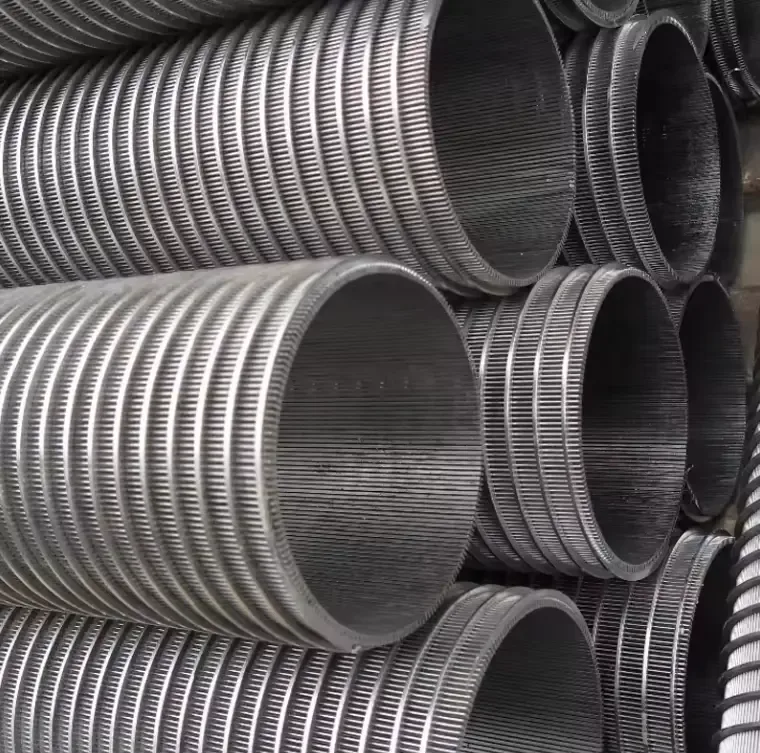
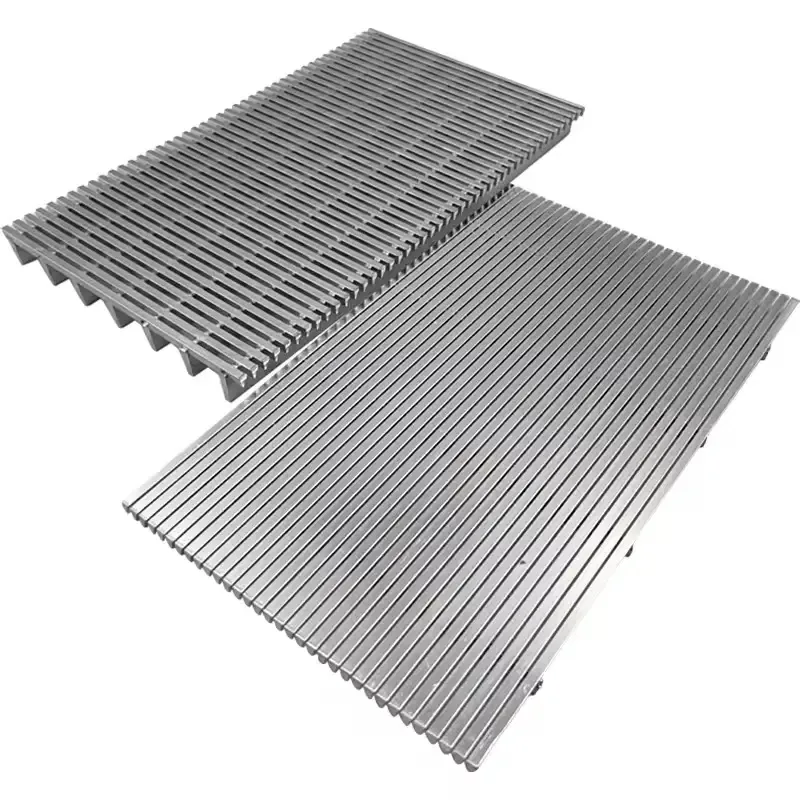
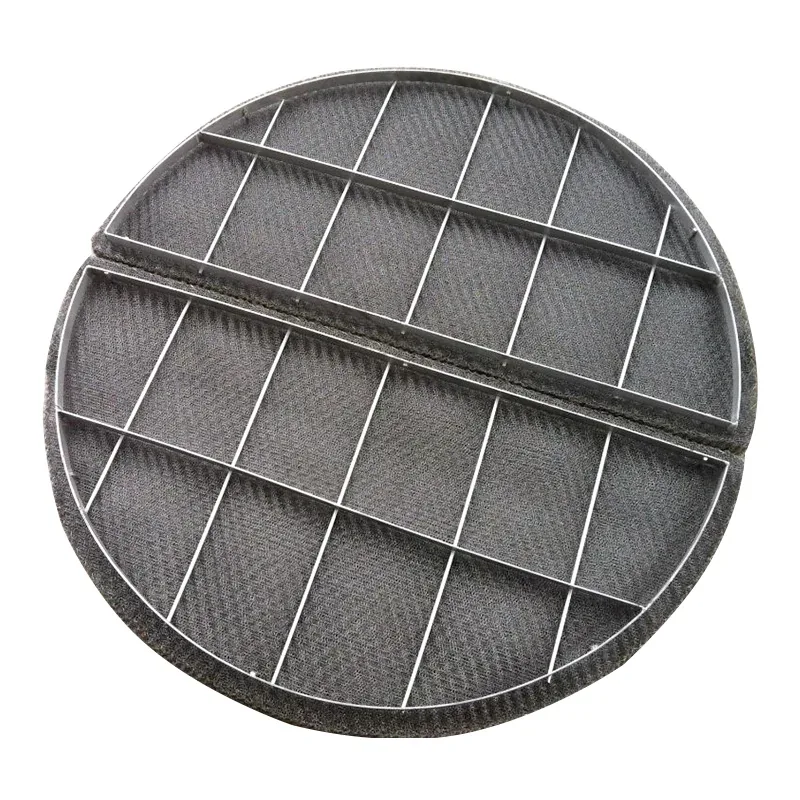
A slotted cylinder defines a retaining surface; a screen panel spans an opening; a support grid carries the specified internal load. A slotted lateral collects or distributes along a branch. Locate each component on the vessel drawing and distinguish the active screen from its support.
For each connection, record the mating seat, attachment, seal and maintenance access. Specify the wetted materials component by component, then mark operating and reverse-flow directions. This connects the screen detail to the vessel layout and preserves the actual interface when replacing one internal part.