
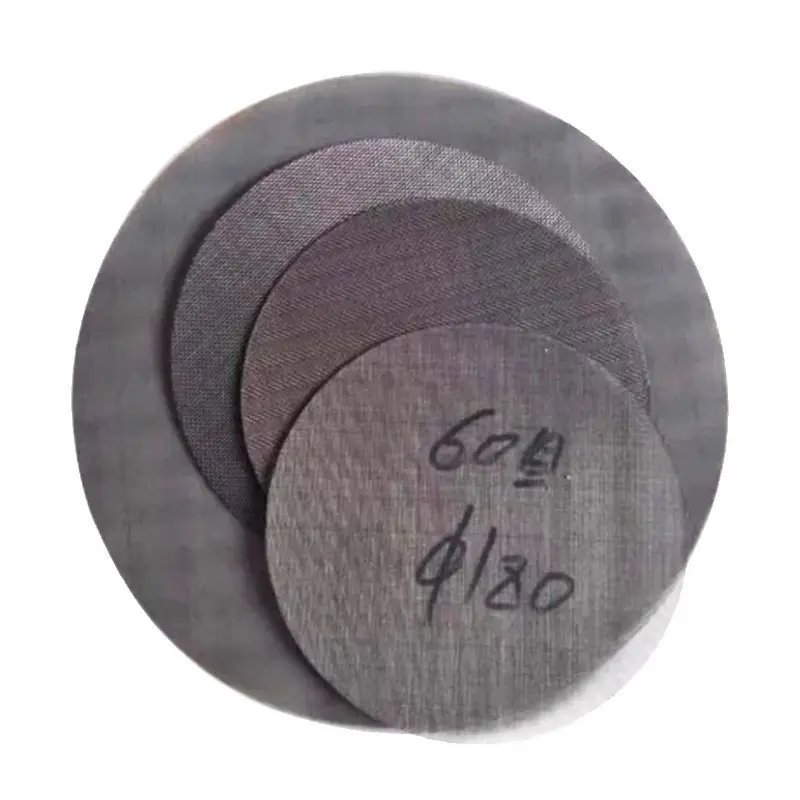
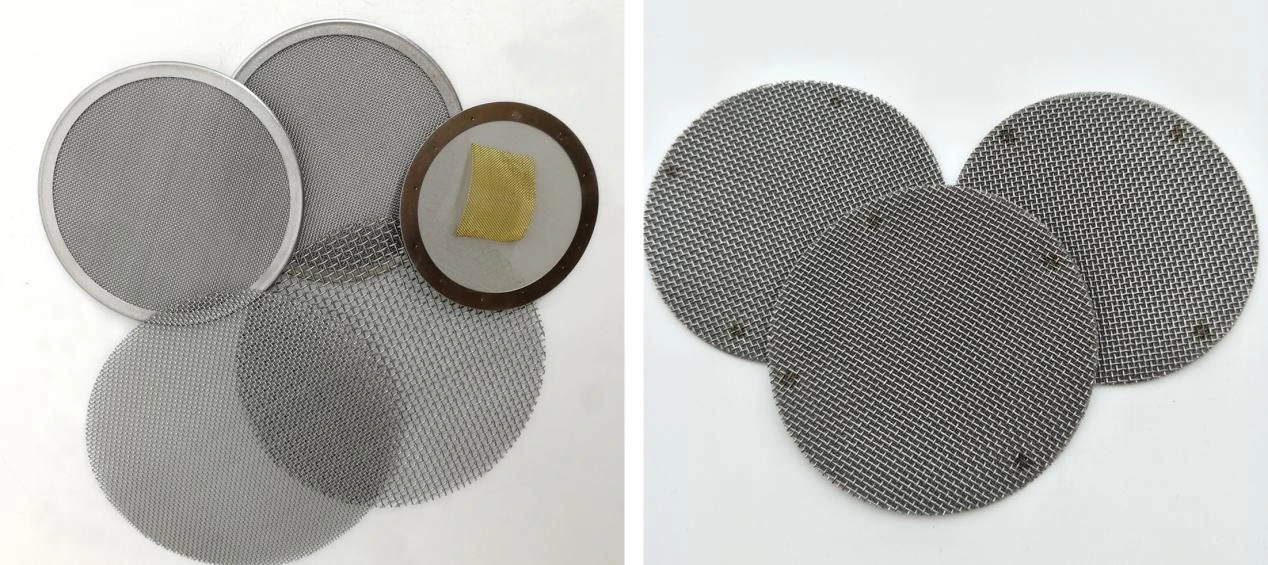
Construction and filtering function
A screen pack combines a retaining layer with protective, drainage and support layers. The drawing assigns a function and upstream-to-downstream position to every layer.
Multilayer screen packs combine a filtering mesh with selected support and drainage layers in one installable assembly. The layer sequence is designed around the process, pressure direction, equipment interface and handling method rather than a fixed number of screens.
Metal wire meshShare a drawing, reference sample or application requirements to discuss the configuration.
Multilayer screen packs — Product view
A screen pack combines a retaining layer with protective, drainage and support layers. The drawing assigns a function and upstream-to-downstream position to every layer.
Provide screen-changer or breaker-plate dimensions, pack outline, holes, total thickness and flow direction. Identify the current sequence when requesting a replacement.
For polymer service, include resin, recycled content, additives, melt temperature, throughput and the pressure trend. Compare replacement intervals under the same process conditions.
The inspection record identifies the material, finished dimensions, joining surfaces and sealing interfaces. Measurements follow the installed geometry and the stated test conditions.
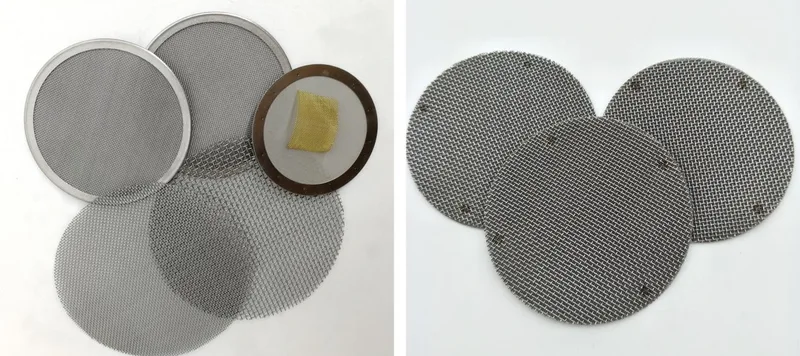
A screen-pack drawing lists every layer from the feed side to the breaker plate. Coarse protective layers intercept large debris, the control mesh performs the specified screening, and downstream coarse layers support that mesh over the plate openings. Spot welds retain layer order during handling; a loose stack retains the same specified order within its holder. Woven square mesh and Dutch-weave cloth are identified by their own weave and wire specification. A continuous reverse-Dutch belt belongs to a moving screen changer, while a discrete pack fits a defined pocket and replacement sequence.
In melt spinning, a spin pack is the assembled unit that distributes and filters polymer before the spinneret; a screen pack is the layered wire-mesh filtering or support insert inside that unit. Order the insert by its finished outline, centre openings, inlet-to-outlet layer sequence, each layer’s mesh count and wire diameter, assembled thickness and edge retention. The spin-pack drawing supplies the seating recess and contact faces, including the position of any adjacent granular medium or sintered insert. These dimensions identify the replacement screen pack within the complete spinning assembly.
| Component / interface | Defined function and inspection |
|---|---|
| Upstream protective layer | Faces the incoming melt or process stream |
| Control layer | Weave, mesh specification and wire diameters |
| Downstream support layer | Supports control mesh over breaker-plate openings |
| Layer retention | Loose, spot-welded or perimeter-joined assembly |
| Changer interface | Pack outline, thickness, seating and flow orientation |
| Inlet-to-outlet mesh sequence | Controlling mesh / inch | Wire diameter (mm) | Clear aperture (mm) |
|---|---|---|---|
| 20 / 40 / 20 | 40 | 0.254 | 0.38 |
| 40 / 80 / 200 / 80 / 40 | 200 | 0.0533 | 0.0737 |
Mesh sequences run from inlet to outlet. The table specifies the controlling square-weave layer; every protective and backing layer retains its own wire diameter. The rim and changer pocket determine finished pack dimensions.
| Supply item | Order basis |
|---|---|
| Production lead time | 2–3 weeks after order and drawing confirmation. |
| Trial orders | Small trial quantities for fit and process evaluation. |
| Regular production orders | 50 pieces or US$3,000 per order. |
| Quotation basis | Material, finished dimensions, filter construction, connections and quantity. |
| Parameter | Specification | Notes |
|---|---|---|
| Upstream protective layer | Faces the incoming melt or process stream | — |
| Control layer | Weave, mesh specification and wire diameters | — |
| Downstream support layer | Supports control mesh over breaker-plate openings | — |
| Layer retention | Loose, spot-welded or perimeter-joined assembly | — |
| Changer interface | Pack outline, thickness, seating and flow orientation | — |
| Component materials | 304 / 316L stainless steel; each filtering, support and end component has its own material designation. | — |
| Displayed configuration | 3 | 20 / 40 / 20 |
| Three-layer build | 20 / 40 / 20 mesh | — |
| Five-layer build | 40 / 80 / 200 / 80 / 40 mesh | — |
| Illustrated pack diameter | 3.661 in | Geometry of the illustrated construction; finished dimensions follow the equipment interface drawing. The 3.661 in format belongs to the 20/40/20 three-layer configuration. Each mesh has its own wire diameter and weave. |
Include these details when discussing your requirements.
View specifications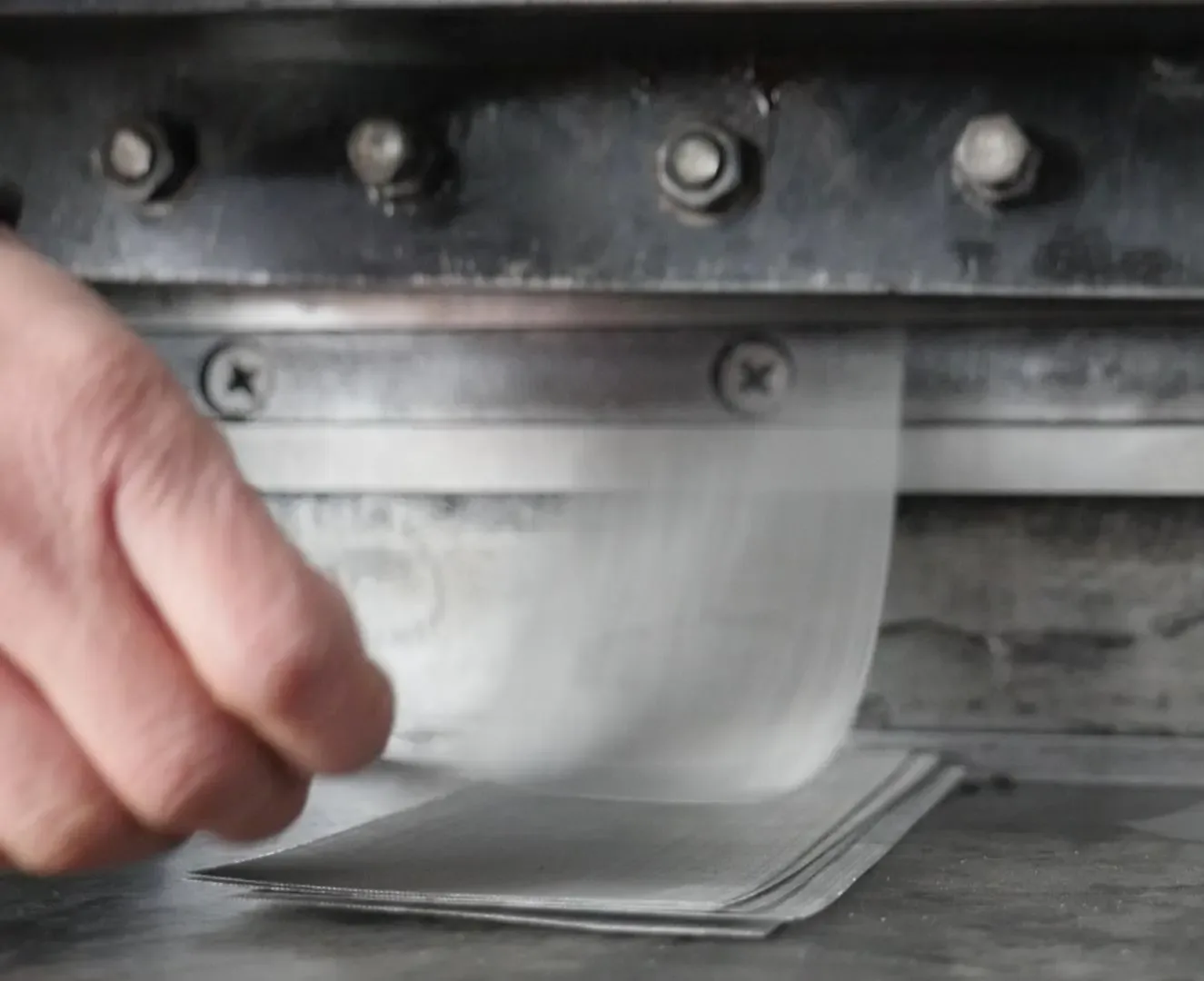
Provide screen-changer or breaker-plate dimensions, pack outline, holes, total thickness and flow direction. Identify the current sequence when requesting a replacement.
Layered screens matched to the melt path, screen changer and breaker plate.
Review contaminant load and pressure rise alongside the selected retention layer.
Compact layered elements where the equipment provides a defined seat and support.
Upstream protective layer: Faces the incoming melt or process stream; Control layer: Weave, mesh specification and wire diameters; Downstream support layer: Supports control mesh over breaker-plate openings; Layer retention: Loose, spot-welded or perimeter-joined assembly; Changer interface: Pack outline, thickness, seating and flow orientation
A screen-pack drawing lists every layer from the feed side to the breaker plate. Coarse protective layers intercept large debris, the control mesh performs the specified screening, and downstream coarse layers support that mesh over the plate openings. Spot welds retain layer order during handling; a loose stack retains the same specified order within its holder. Woven square mesh and Dutch-weave cloth are identified by their own weave and wire specification. A continuous reverse-Dutch belt belongs to a moving screen changer, while a discrete pack fits a defined pocket and replacement sequence.
The inspection record identifies the material, finished dimensions, joining surfaces and sealing interfaces. Measurements follow the installed geometry and the stated test conditions.
Explore related products and technical guidance.
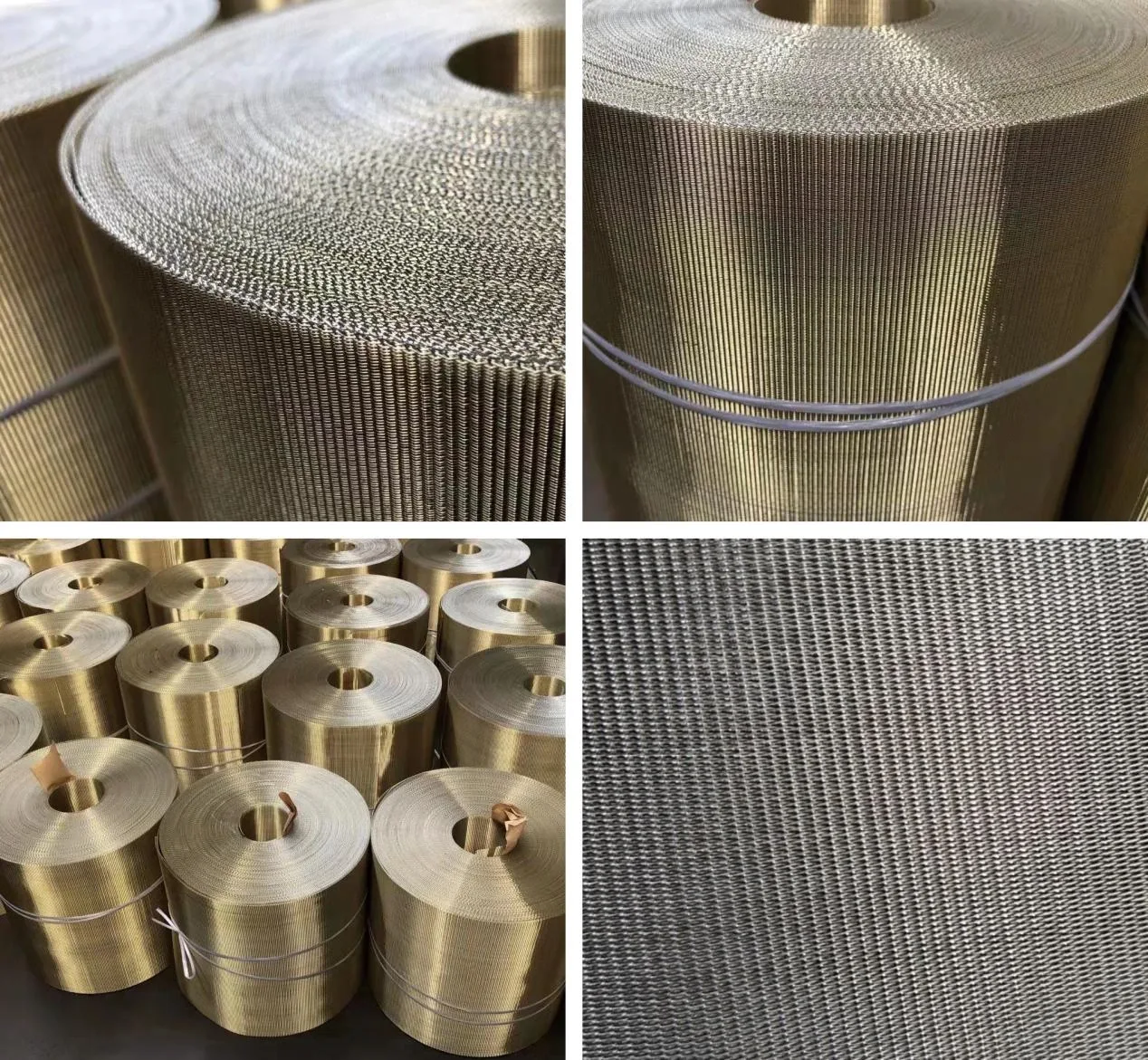
Kaifil supplies stainless steel reverse Dutch weave belts for continuous polymer filtration.
View details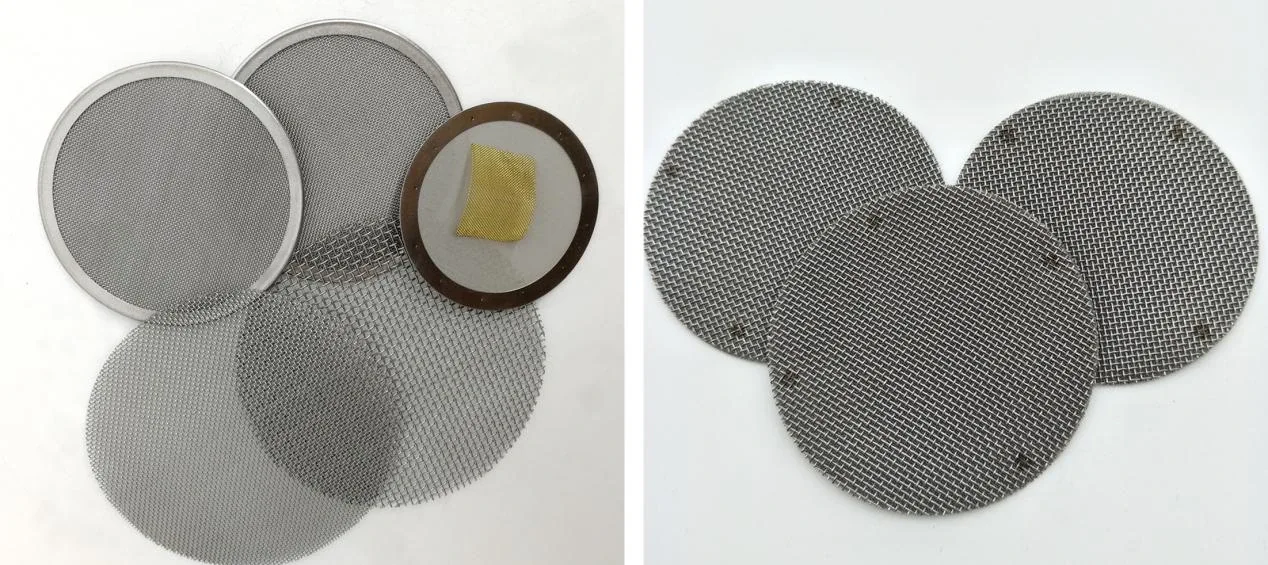
Rimmed woven screen packs for melt filtration.
View details
Non-round woven packs for screen-changer pockets.
View details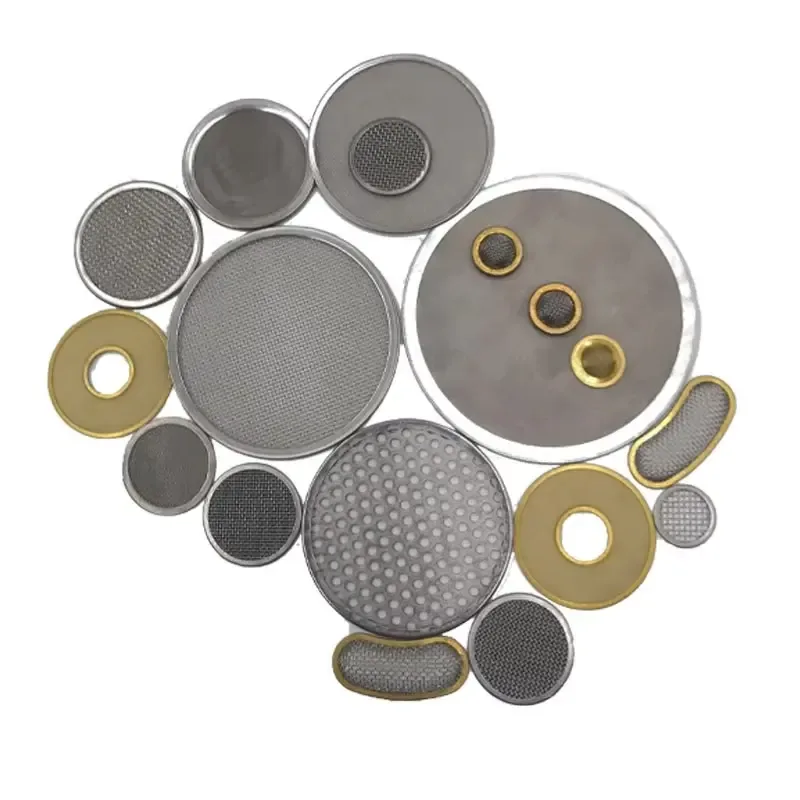
Kaifil cuts woven wire cloth into round, annular and drawing-defined filter inserts.
View detailsDefine the dimensions, media, joints and inspection records before confirming the order.