
Construction
Kaifil manufactures pleated stainless steel wire mesh cartridges with multilayer support, perforated cores and optional outer guards. Pleat spacing distributes flow and increases filtration area within the housing.
Kaifil manufactures pleated stainless steel wire mesh cartridges with multilayer support, perforated cores and optional outer guards. Pleat spacing distributes flow and increases filtration area within the housing.
Metal wire meshShare a drawing, reference sample or application requirements to discuss the configuration.
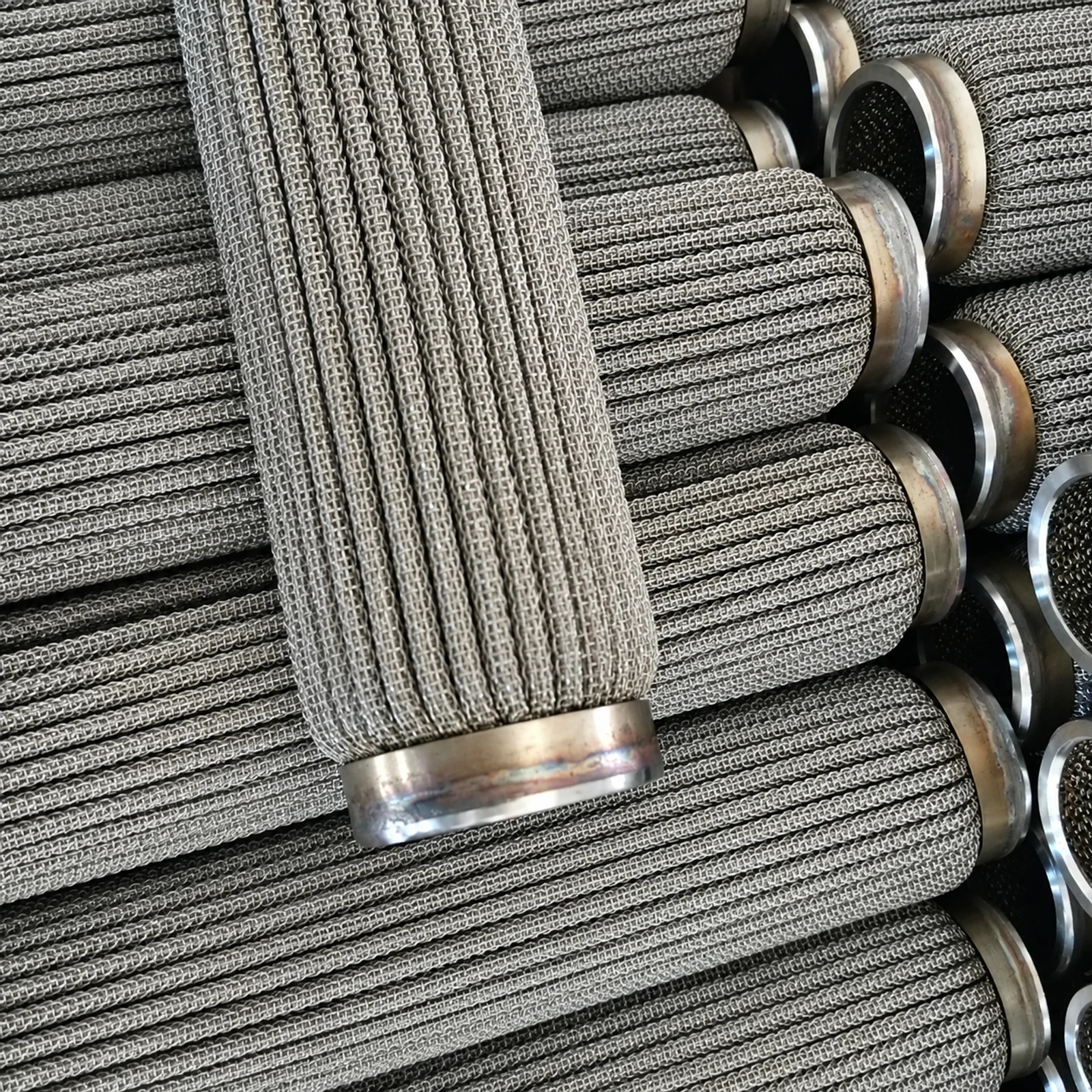 Pleated wire mesh detail
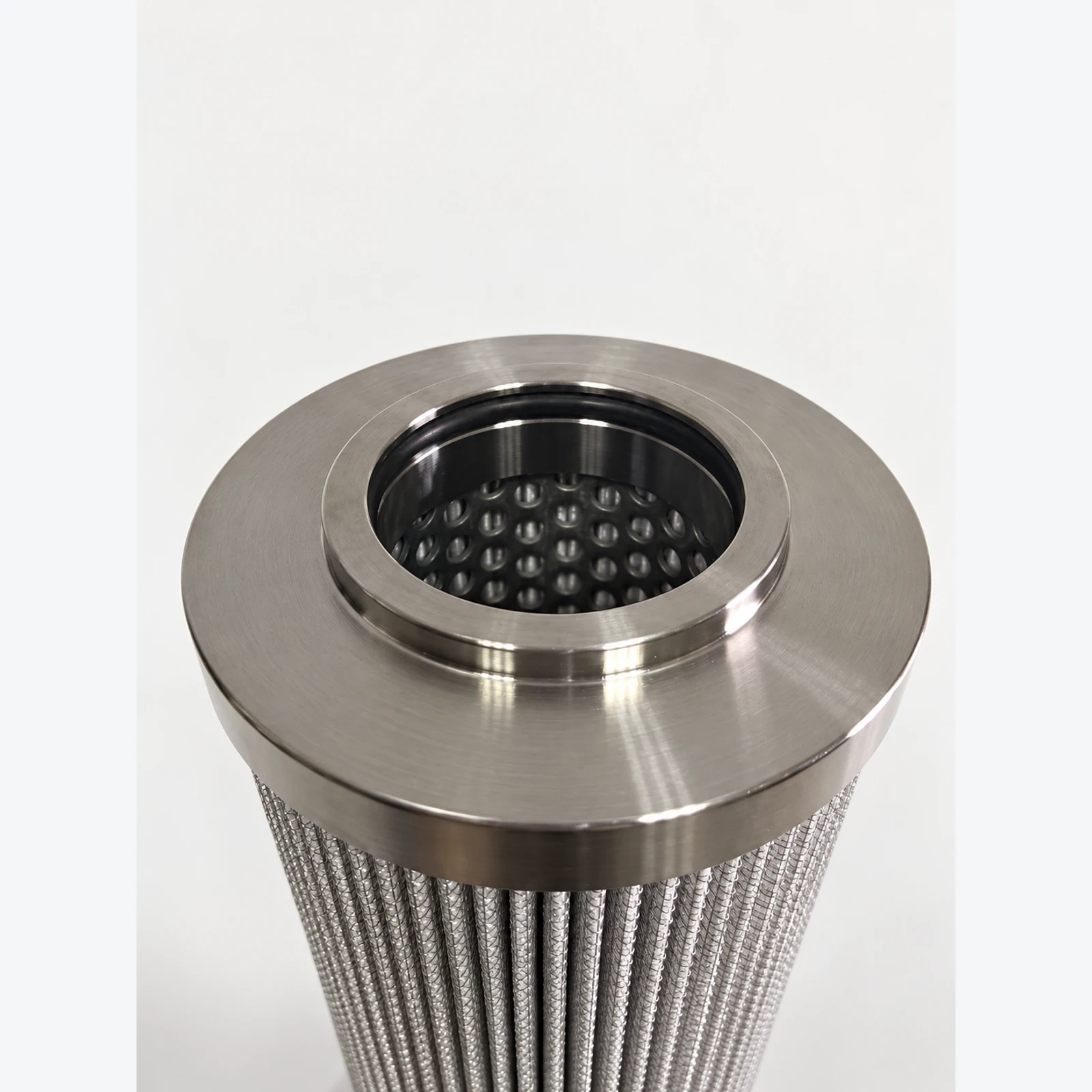 End fitting and support core
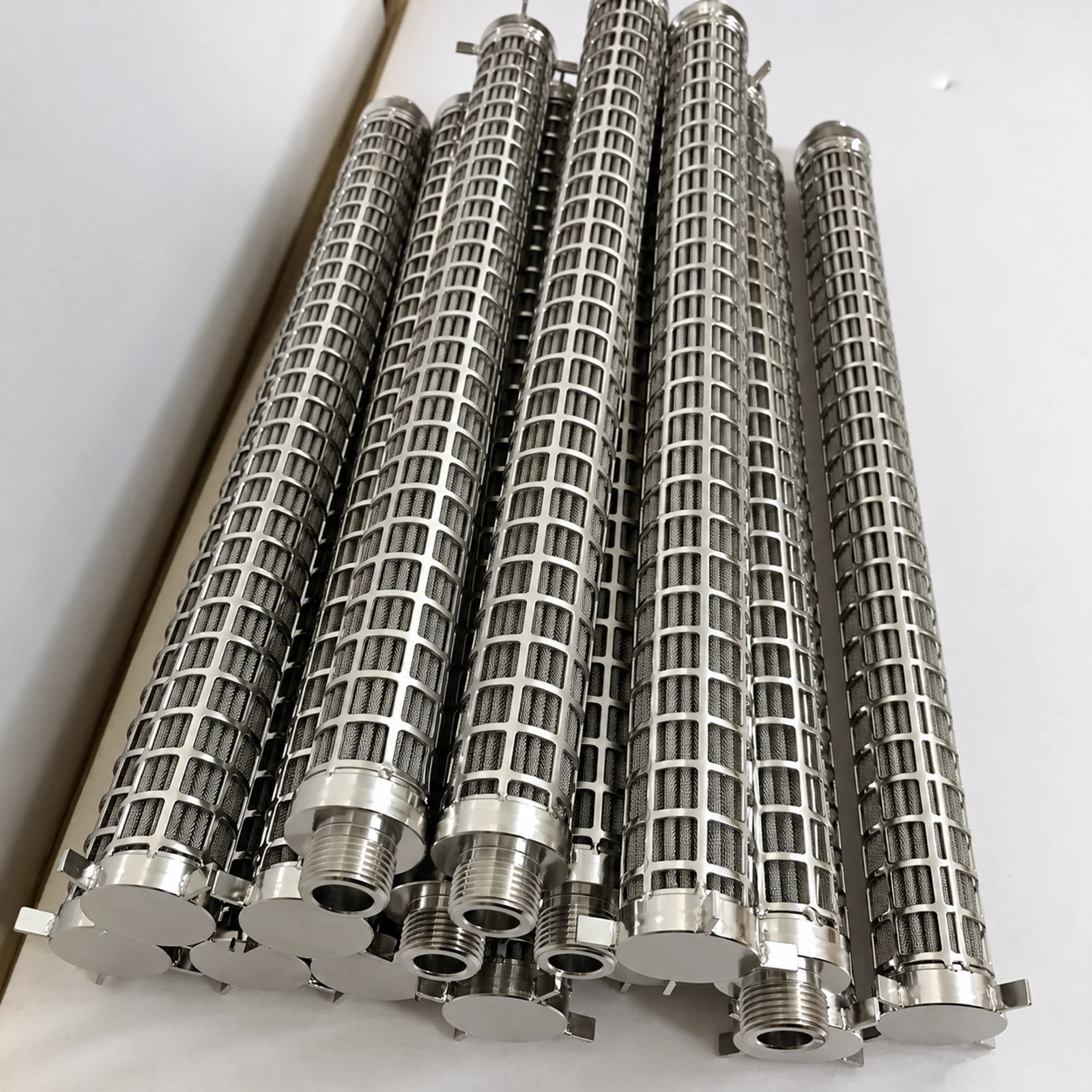 Guard-supported cartridges
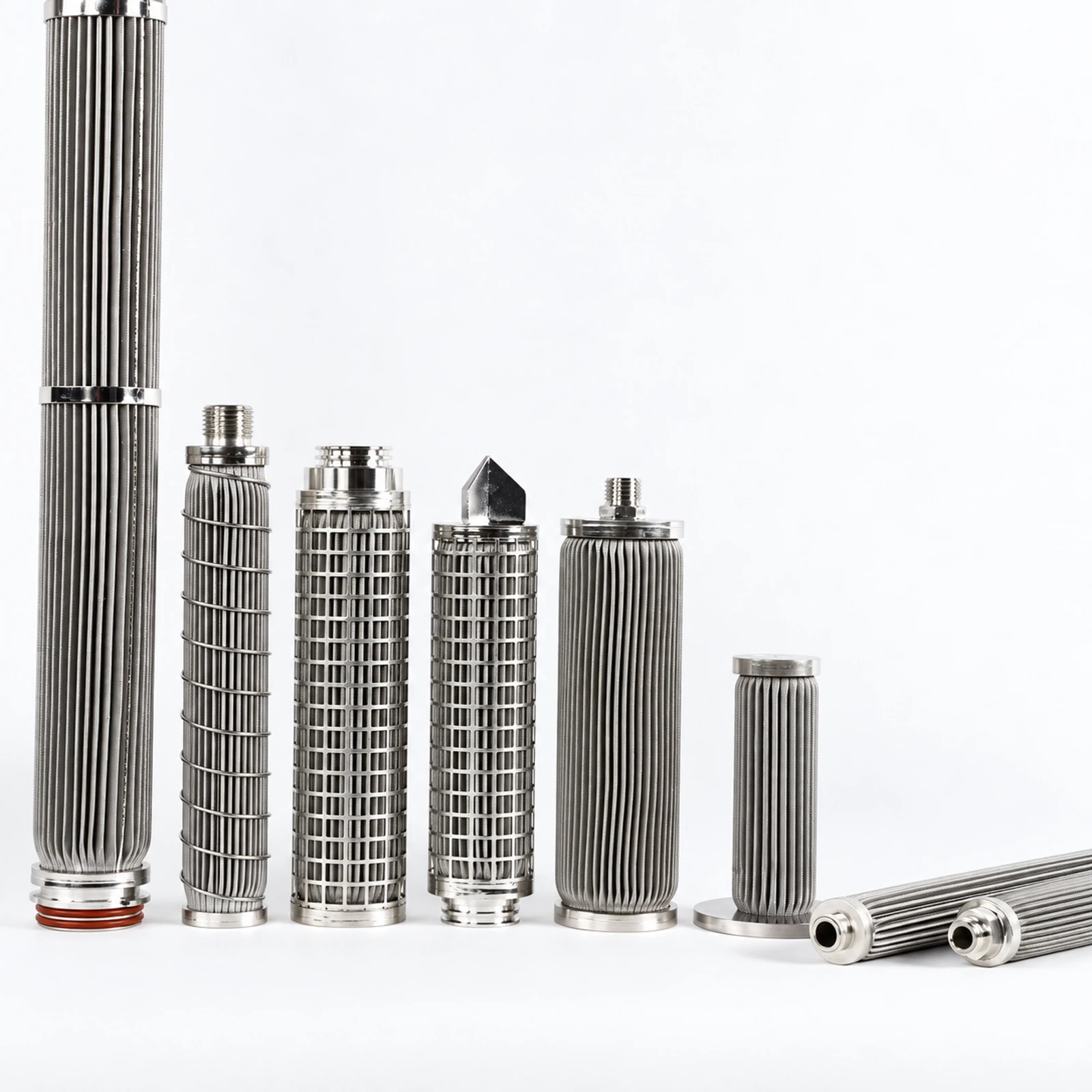 Cartridge configurations
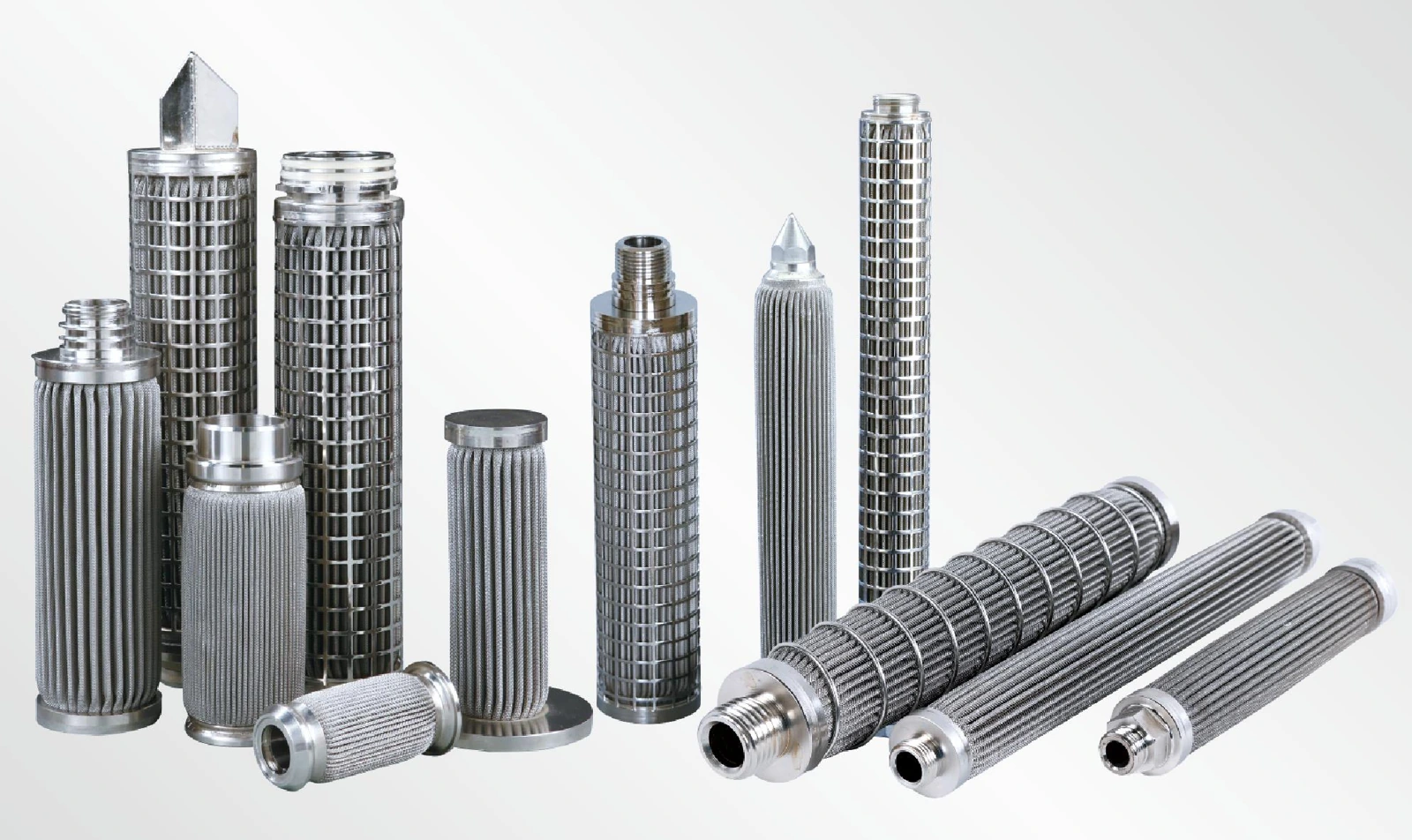 Pleated stainless steel wire mesh filter cartridges
Close view of pleated stainless steel wire mesh and finished end ring.
Kaifil manufactures pleated stainless steel wire mesh cartridges with multilayer support, perforated cores and optional outer guards. Pleat spacing distributes flow and increases filtration area within the housing.
Media grades include 5, 10, 20, 50, 75 and 100 µm; fine 1–2 µm configurations use fine or sintered mesh. Media grade and measured retention are specified separately in the filtration requirements.
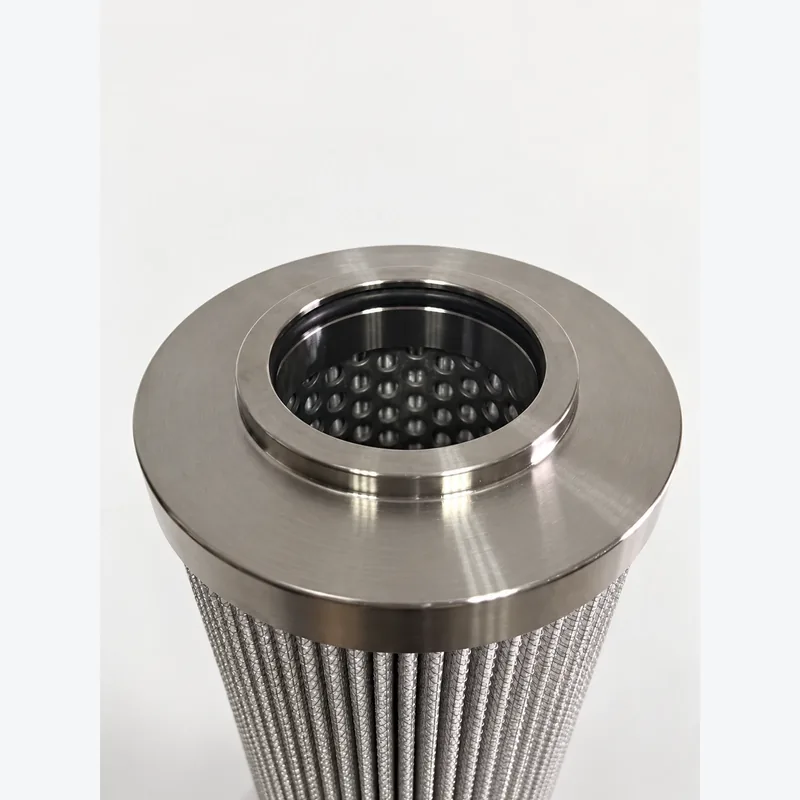
Outside diameters include 60 and 80 mm, including an 80 mm OD × 40 mm ID configuration. Nominal lengths are 5, 10, 20, 30 and 40 in, with custom finished dimensions.
304, 316 and 316L constructions combine DOE, 222, 226 or threaded ends with silicone, EPDM or FKM seals. Core, joints and seals are sized for operating temperature, differential pressure and the specified cleaning cycle.
The pleated assembly separates the retaining mesh, drainage mesh, inner perforated core, outer guard and end caps. Woven mesh, sintered mesh and sintered metal fiber felt are distinct media constructions: the drawing identifies the actual pleated material. Pleat height and count determine the developed media area, while pleat spacing leaves channels between neighbouring folds. The longitudinal closing joint and both end-cap joints close the bypass path. Outside-in flow loads the inner core; reverse cleaning also loads the outer restraint.
DOE means double open end; SOE means single open end. A 222 or 226 adapter specifies an O-ring sealing and retention interface at the open end of an SOE cartridge. A fin locates the opposite closed end in the housing support. Record both ends on the replacement drawing, together with overall length, seal diameter, insertion depth and any locking lugs.
| Component / interface | Defined function and inspection |
|---|---|
| Retaining mesh | Weave and filtration grade identify the working layer |
| Drainage mesh | Maintains flow channels behind the fine layer |
| Pleated pack | Height, count and active length define developed area |
| Perforated core / outer guard | Support normal flow and reverse-cleaning loads |
| End caps and seal | Join the pleat ends and connect DOE, 222, 226 or threaded seats |
| Nominal length, in | Metric reference, mm | Measuring basis |
|---|---|---|
| 5 | 127 | Nominal length class; finished overall length follows the selected end-connection drawing. |
| 10 | 254 | Nominal length class; finished overall length follows the selected end-connection drawing. |
| 20 | 508 | Nominal length class; finished overall length follows the selected end-connection drawing. |
| 30 | 762 | Nominal length class; finished overall length follows the selected end-connection drawing. |
| 40 | 1016 | Nominal length class; finished overall length follows the selected end-connection drawing. |
1 in = 25.4 mm. The metric reference converts the nominal class; end fittings, seal seats and insertion dimensions define the finished cartridge.
| Dimension | Value | Unit |
|---|---|---|
| Outside diameter | 80 | mm |
| Inside diameter | 40 | mm |
| Nominal length | 20 | in |
| Metric nominal-length reference | 508 | mm |
| Supply item | Order basis |
|---|---|
| Production lead time | 2–3 weeks after order and drawing confirmation. |
| Trial orders | Small trial quantities for fit and process evaluation. |
| Regular production orders | 50 pieces or US$3,000 per order. |
| Quotation basis | Material, finished dimensions, filter construction, connections and quantity. |
| Parameter | Specification | Notes |
|---|---|---|
| Filter medium | Pleated woven stainless steel wire mesh | — |
| Stainless steel grades | 304 / 316 / 316L | Select media, core and end components against fluid and cleaning exposure. |
| Filtration grades | 5 / 10 / 20 / 50 / 75 / 100 µm | — |
| Fine filtration grades | 1 / 2 µm | — |
| Outside diameter | 60 or 80 mm | — |
| Cartridge configuration | 80 OD × 40 ID × 20 in nominal length | — |
| Nominal length options | 5 / 10 / 20 / 30 / 40 in | 1 in = 25.4 mm. The metric reference converts the nominal class; end fittings, seal seats and insertion dimensions define the finished cartridge. |
| End connections | DOE / 222 / 226 / threaded / custom | — |
| Seal materials | Silicone / EPDM / FKM | — |
| Internal support | Perforated core; optional outer guard | Support layout and open area follow flow direction and differential-pressure duty. |
| Flow direction | Outside-in or inside-out by design | State normal and reverse-cleaning flow, if applicable. |
| Operating temperature | Designed for specified process conditions | Specify continuous and upset conditions for the complete assembly. |
| Allowable differential pressure | Designed for specified process conditions | State normal and maximum differential pressure and the required acceptance test. |
| Inspection scope | Dimensions, material and joints | — |
Materials: 304 / 316 / 316L · Special alloys
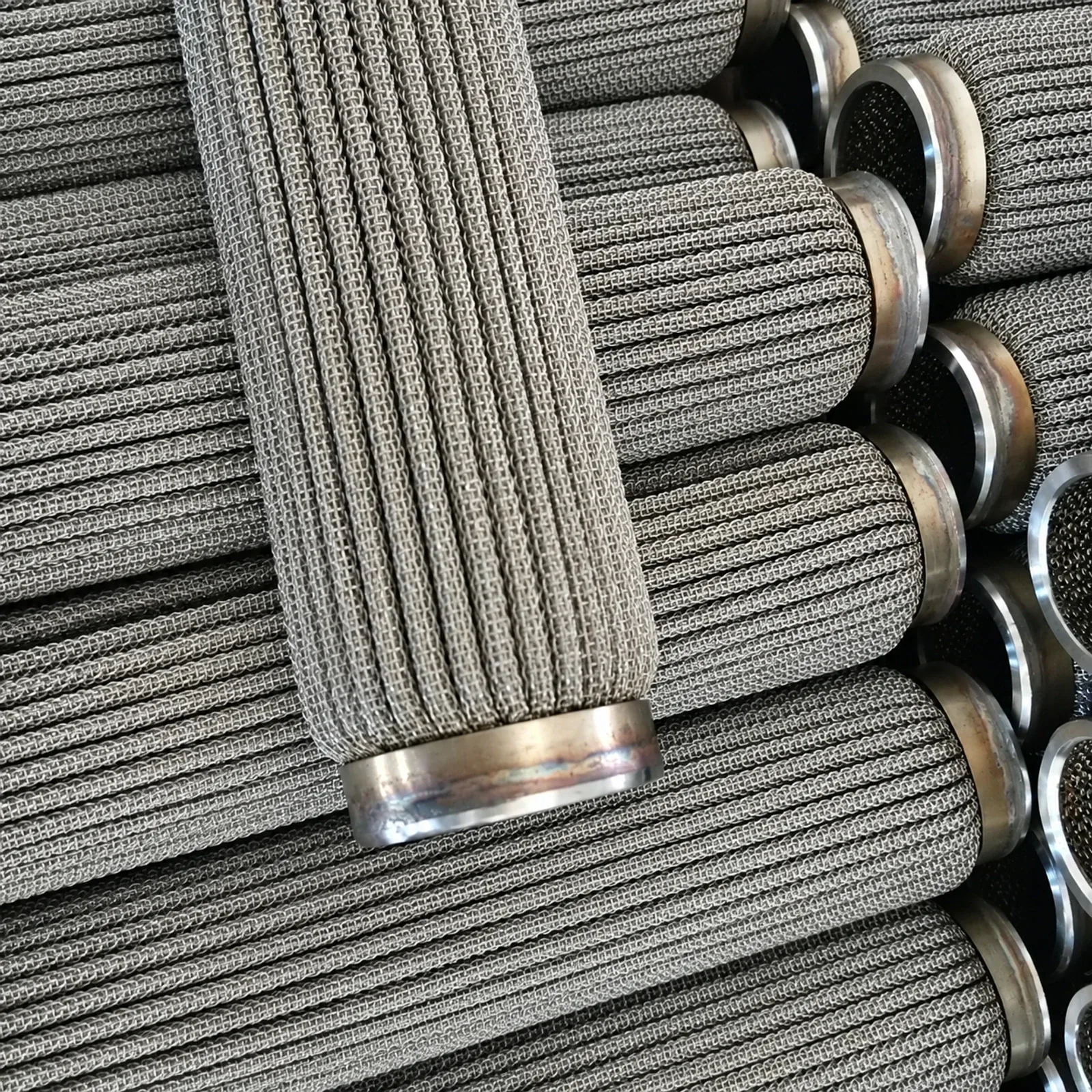
Pleated stainless mesh elements for liquid filtration where a defined flow path and a cleanable metal medium are useful. Select grade and support against the actual liquid and pressure drop.
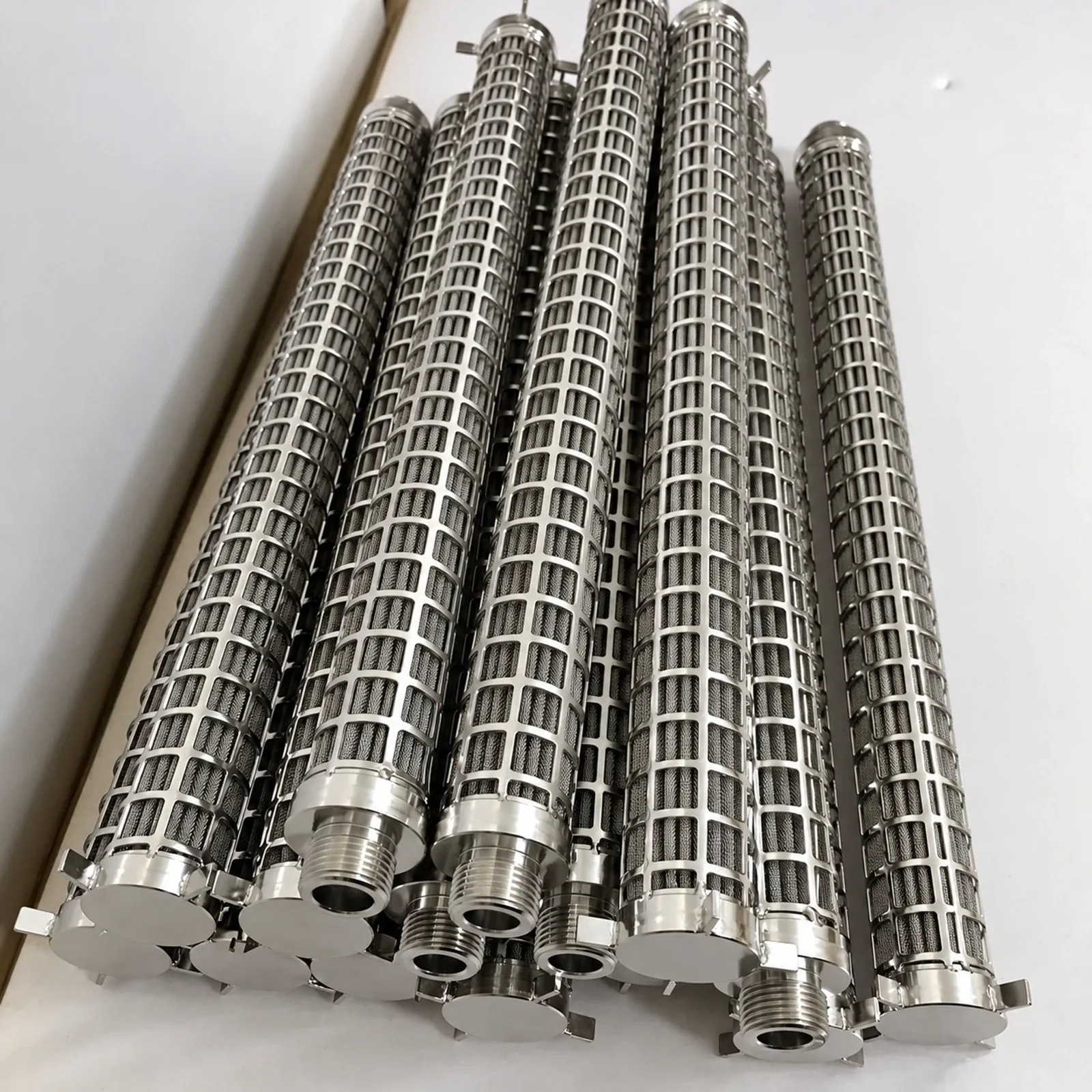
304, 316 and 316L constructions combine DOE, 222, 226 or threaded ends with silicone, EPDM or FKM seals. Core, joints and seals are sized for operating temperature, differential pressure and the specified cleaning cycle.
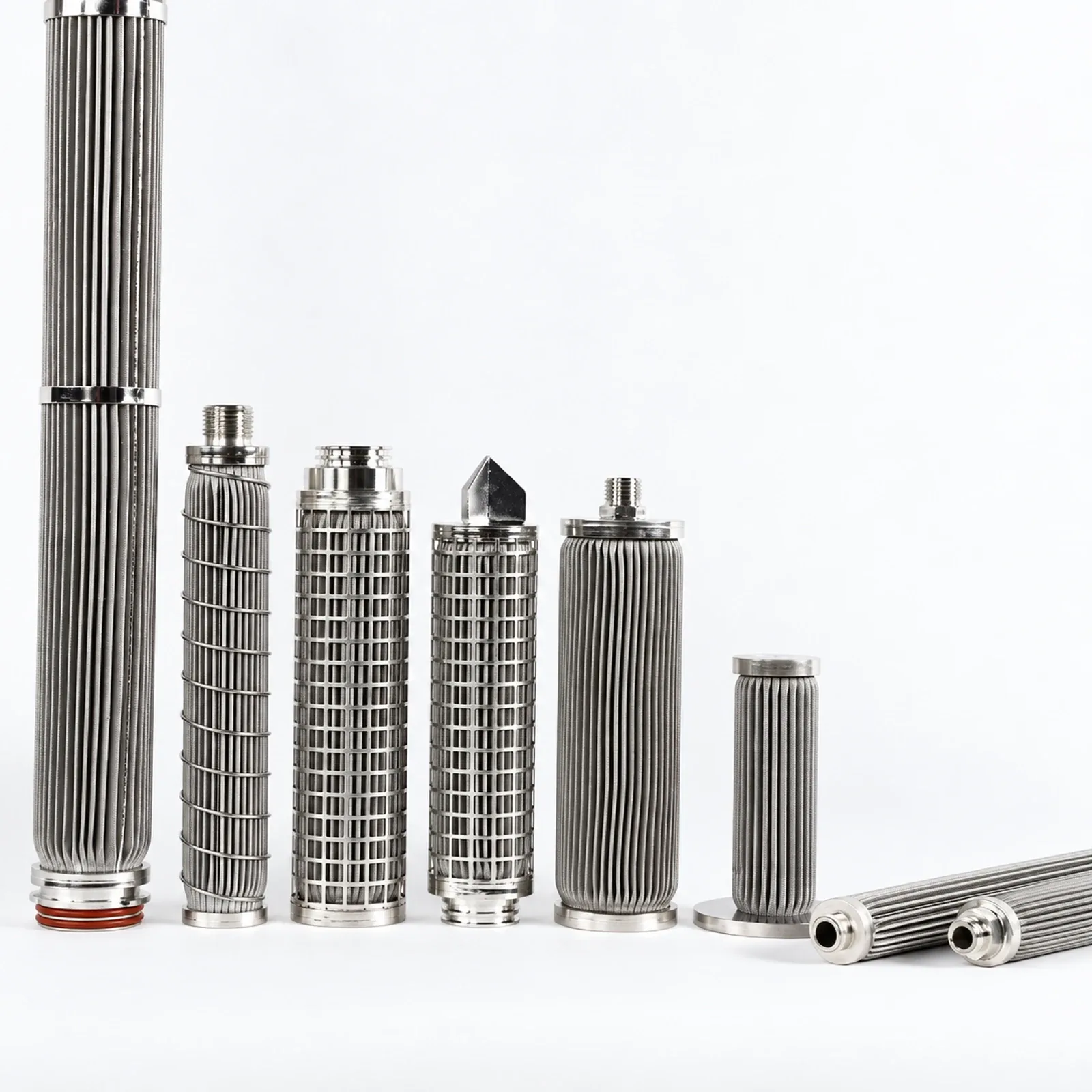
Custom replacement cartridges reproduce the housing dimensions, sealing faces and end connections.
Include these details when discussing your requirements.
Pleats increase media area within the cartridge envelope. Keep sufficient space between pleats for flow and cleaning; the housing dimensions, core and outer guard determine how much area can be used.
Select the fine-mesh or sintered-mesh construction and specify retention efficiency, test fluid and operating conditions for that grade. Include clean pressure drop and the allowable terminal differential pressure in the cartridge specification.
Explore related products and technical guidance.
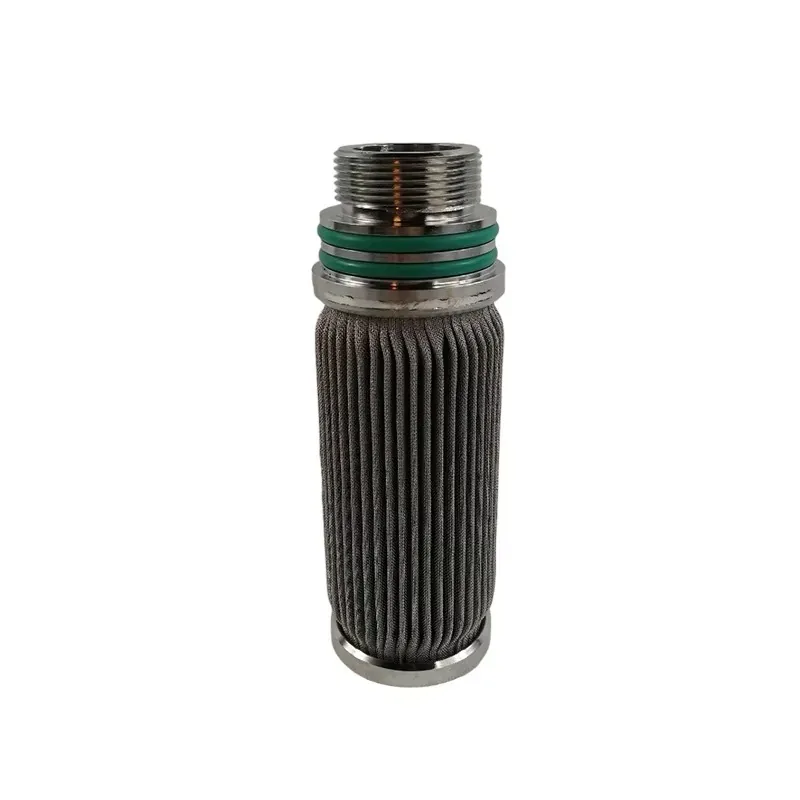
Kaifil manufactures pleated and cylindrical sintered metal-fiber felt cartridges.
View details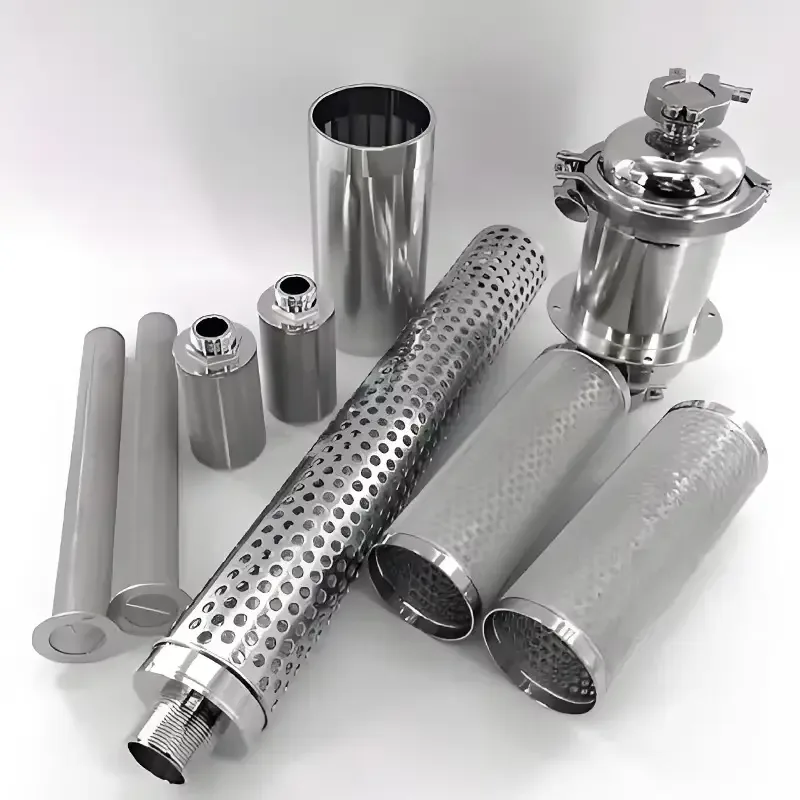
Kaifil manufactures reusable stainless steel sintered mesh cartridges with rigid bonded media, welded seams and threaded, plain-end or O-ring connections.
View detailsDefine the dimensions, media, joints and inspection records before confirming the order.