Kaifil
Monel alloys for woven mesh and filter components
Compare Monel 400 and K-500 nickel-copper alloys for woven screens, strainers and filter assembly parts. Composition and strengthening mechanism distinguish the formable mesh grade from the age-hardenable alloy.
| Alloy and condition | Monel 400 / UNS N04400 or K-500 / UNS N05500, with the required condition. |
|---|---|
| Mesh and format | Mesh count, wire diameter, weave, width and length, or a finished-part drawing. |
| Service fluid | Seawater or chemical composition, concentration, temperature and circulation. |
| Assembly details | Support, frame, end fittings, welds, seals and quantity. |
Nickel-copper alloys for process and marine service
Monel 400 combines a nickel-rich matrix with copper and is used in marine equipment and chemical processing. For woven filters, the material grade is paired with wire diameter, mesh count and finished format. A roll of cloth, a cut strainer disc and a formed basket each require their own dimensional and joining details.
400 and K-500 have different strengthening routes
Monel 400 is a solid-solution alloy strengthened by cold working. K-500 contains aluminum and titanium and develops increased strength and hardness through controlled aging. Select 400 for ductile woven and formed media; use the specified K-500 condition for mechanically loaded assembly parts. The heat-treatment condition is part of the K-500 order description.
Define the marine or chemical environment
For seawater duties, identify circulation, velocity, aeration and shutdown periods. For chemical filtration, state acid or alkali concentration, temperature and oxidizing contaminants. The material choice and the screen design work together: open area controls flow access, while supports and edge seals establish the load path and prevent bypass around the cloth.
Compare all filter material families
Connect this grade guide with the complete material comparison and the required filter construction.
Materials and alloys overviewMonel 400 versus K-500
Select the strengthening route that matches the component function.
| Grade | UNS | Strengthening | Filter assembly role |
|---|---|---|---|
| Monel 400 | N04400 | Solid solution and cold work | Woven filter cloth, formed screens and wetted components |
| Monel K-500 | N05500 | Precipitation hardening with aluminum and titanium | Strength-focused shafts, fasteners and specified assembly parts |
Monel composition limits: mass %
Nickel plus cobalt is reported as a combined minimum.
| Element | Monel 400 | Monel K-500 |
|---|---|---|
| Ni + Co | ≥63.0 | ≥63.0 |
| Cu | 28.0–34.0 | 27.0–33.0 |
| Fe | ≤2.5 | ≤2.0 |
| Mn | ≤2.0 | ≤1.5 |
| C | ≤0.30 | ≤0.25 |
| Si | ≤0.50 | ≤0.50 |
| S | ≤0.024 | ≤0.010 |
≥ denotes a minimum; ≤ denotes a maximum. All values are mass percentages.
K-500 precipitation-hardening additions
Aluminum and titanium distinguish the age-hardenable grade.
| Element | Monel K-500, mass % |
|---|---|
| Al | 2.30–3.15 |
| Ti | 0.35–0.85 |
Specify Monel mesh and finished components
Keep the woven construction and finished-part requirements connected.
| Supply form | Dimensions to define | Fabrication detail |
|---|---|---|
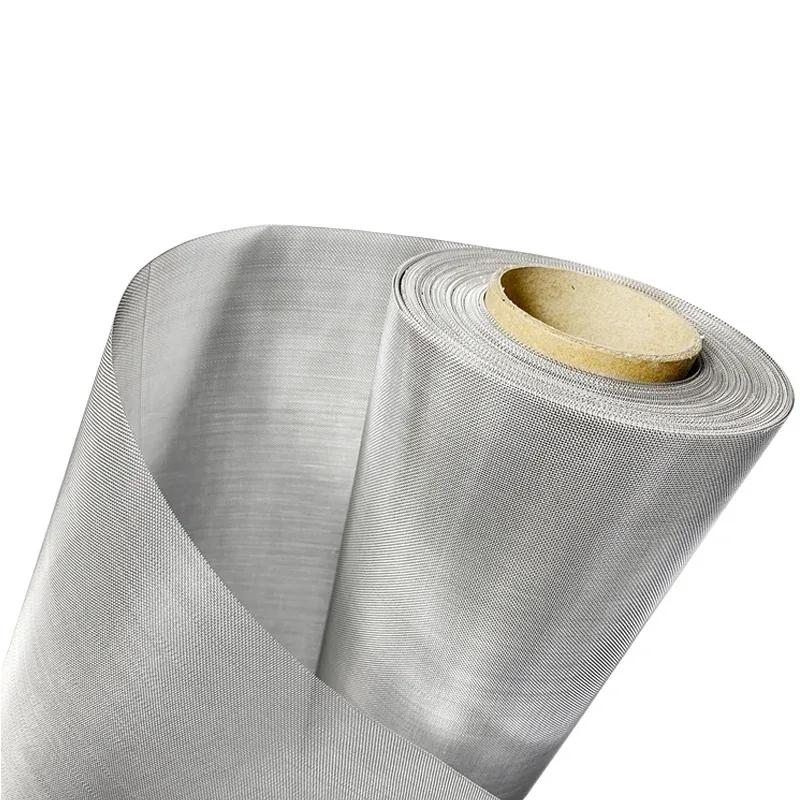
| Woven cloth | Count, wire diameter, aperture, width and length | Weave, wire condition and edge finish |
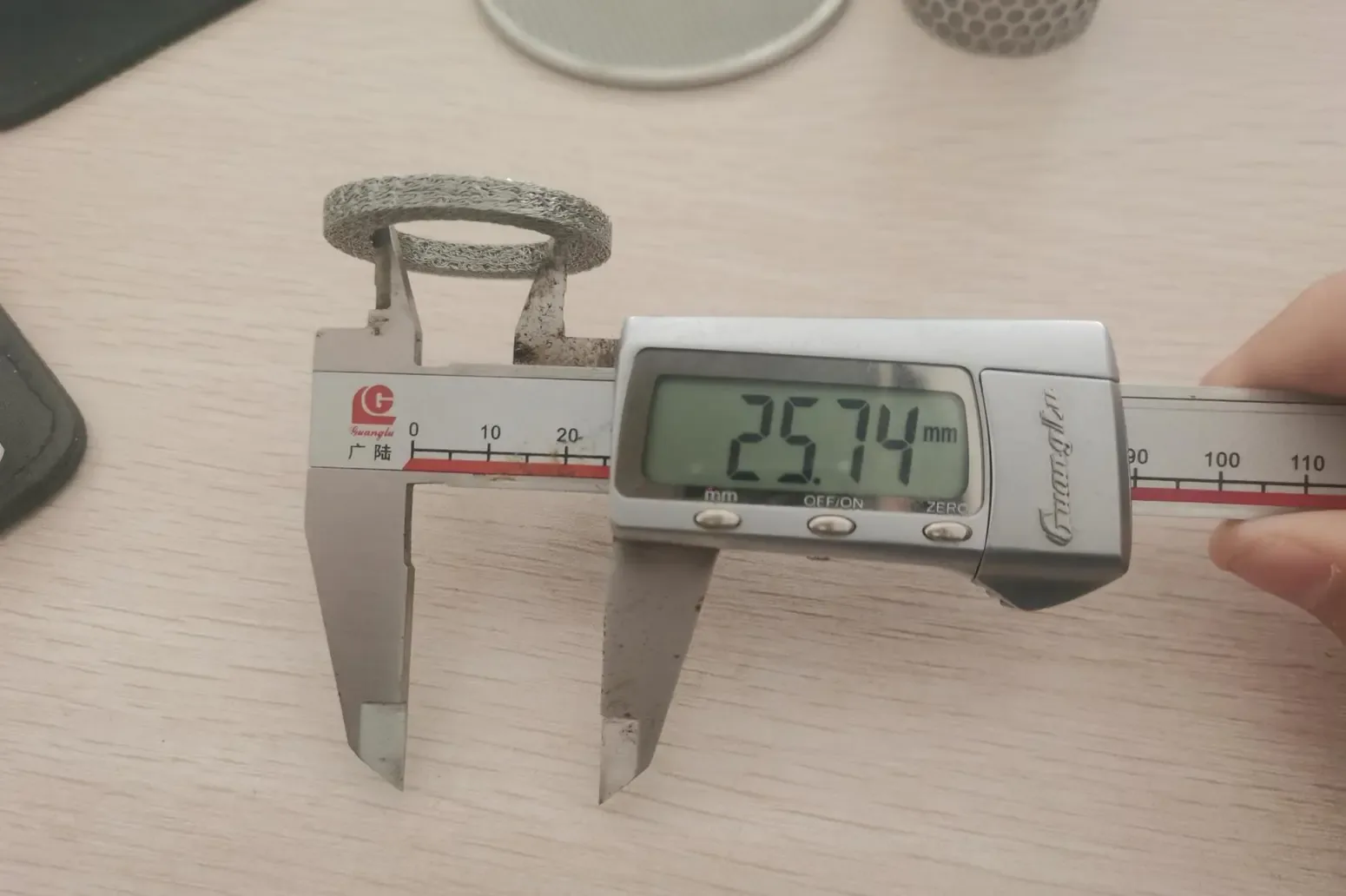
| Cut disc or annular screen | Outside diameter, centre opening and sealing margin | Cut-edge retention and support layer |
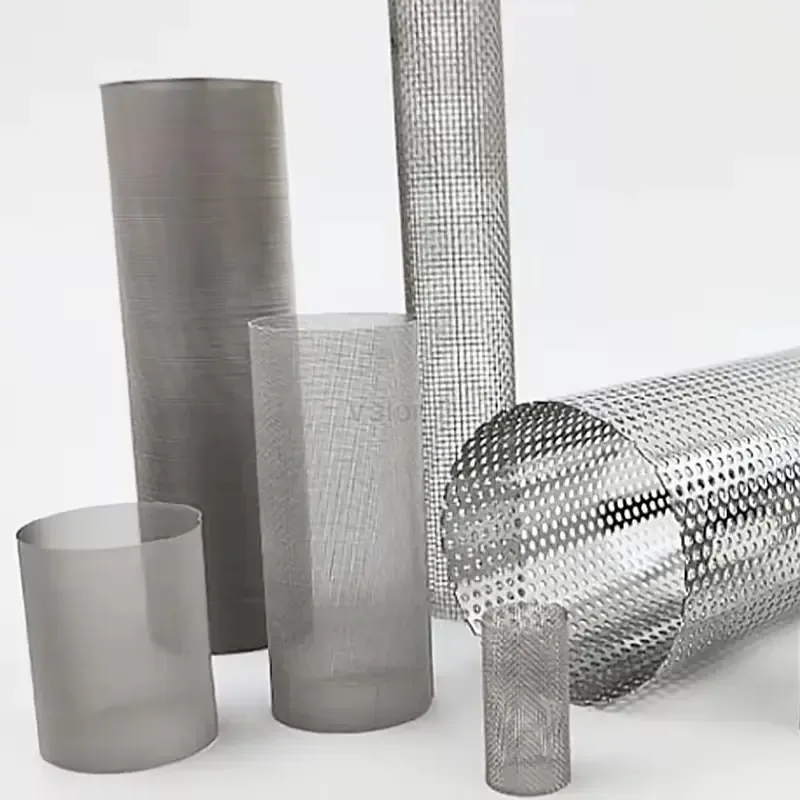
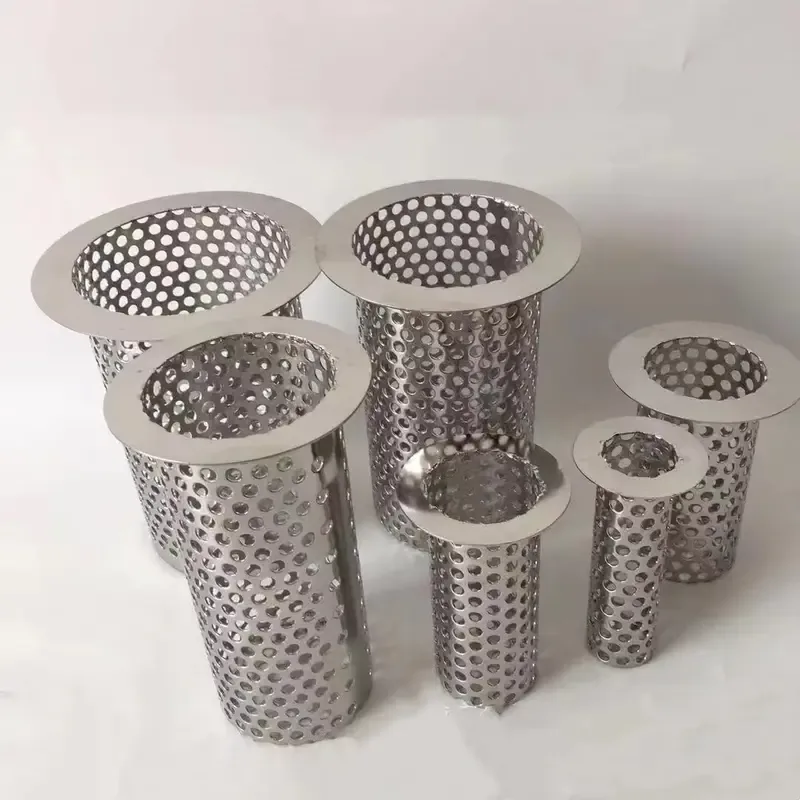
| Formed cylinder or basket | Diameter, length, wall construction and interface | Longitudinal seam, base attachment and support |
| K-500 assembly part | Drawing, load path and mating dimensions | Material condition and aging treatment |
Material selection questions
Is Monel a stainless steel?
Monel is a nickel-copper alloy family. Stainless steels are iron-based alloys whose chromium content creates a protective passive surface.
Why choose Monel 400 for woven mesh?
Its nickel-copper chemistry, ductility and cold-working response make it useful for woven and formed screens in marine and chemical service. Wire diameter and weave define the screen geometry.
How is K-500 different from 400?
K-500 contains aluminum and titanium and gains strength through precipitation hardening. Monel 400 gains strength through cold work. Specify the grade and condition together.
What is the nickel value in the composition table?
The minimum of 63.0% applies to nickel plus cobalt. The combined notation preserves the chemical basis of the alloy designation.
Explore Kaifil
Related products and guidance
Plain weave wire mesh
View detailsWoven mesh filter cylinders
View detailsMaterials and alloys
View details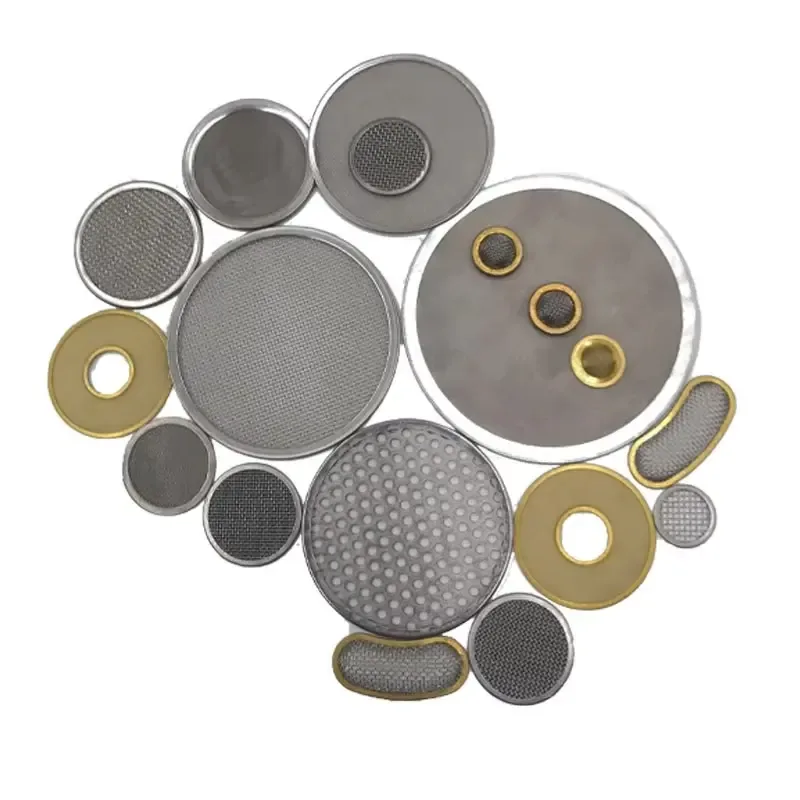
Wire mesh filter discs
View details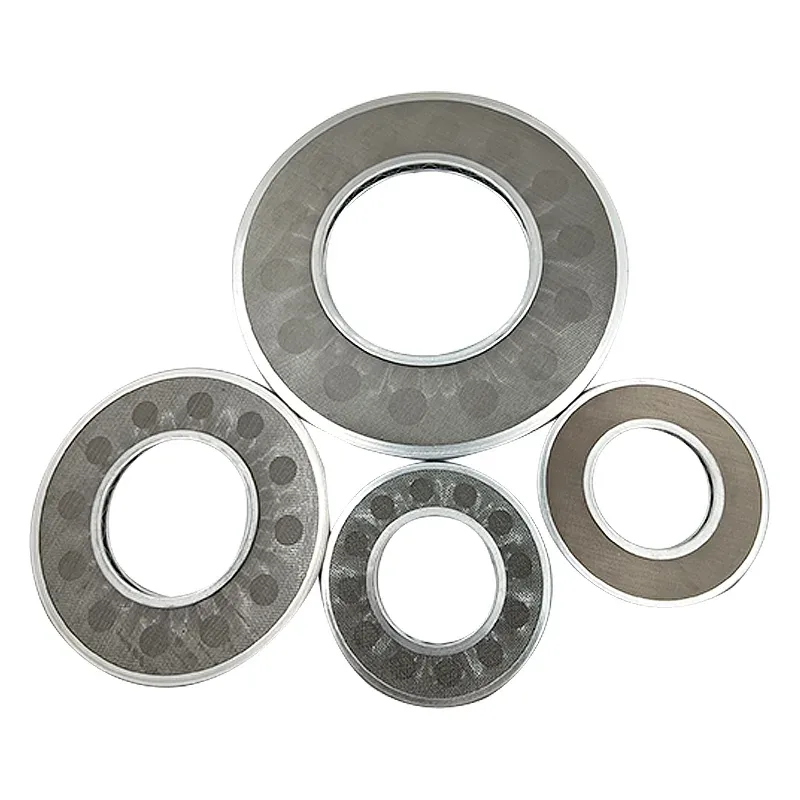
Annular wire mesh filter discs
View details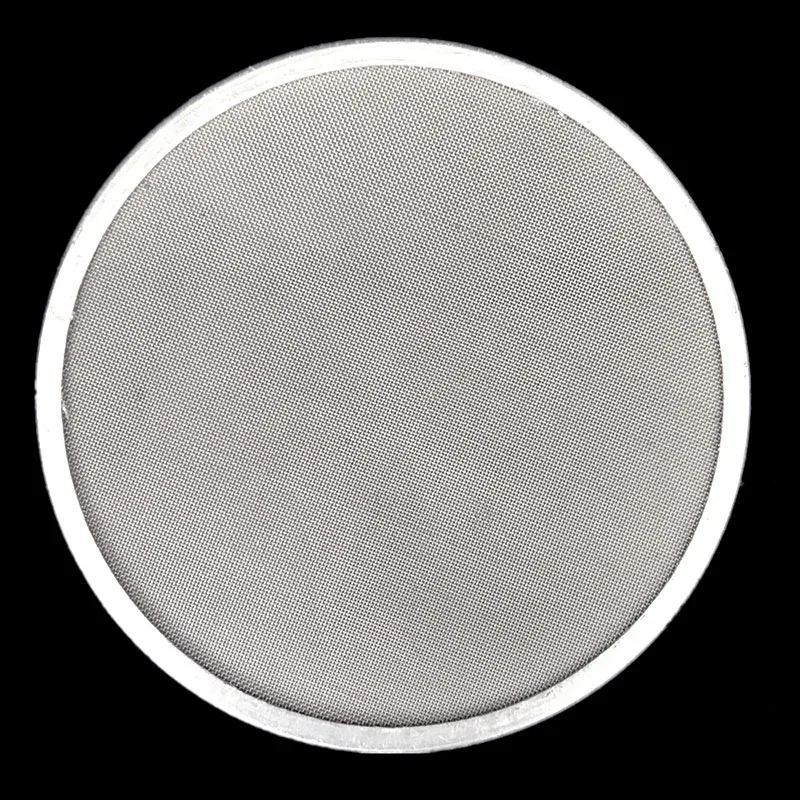
Rimmed wire mesh filter discs
View details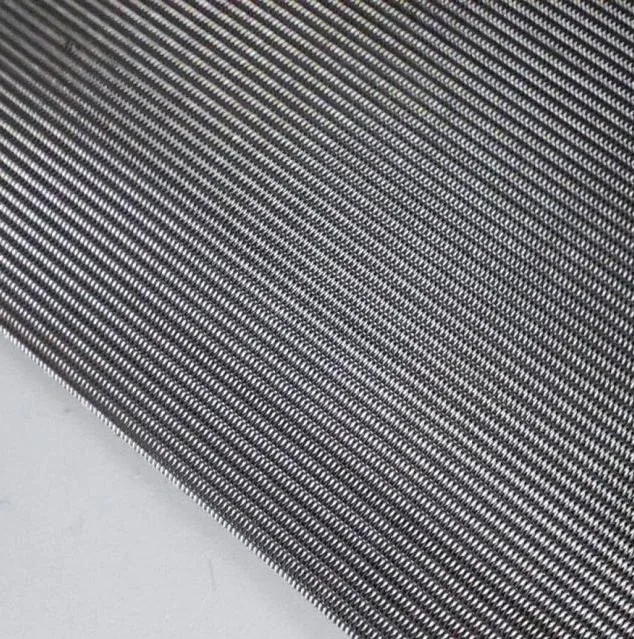
Plain Dutch weave filter mesh
View details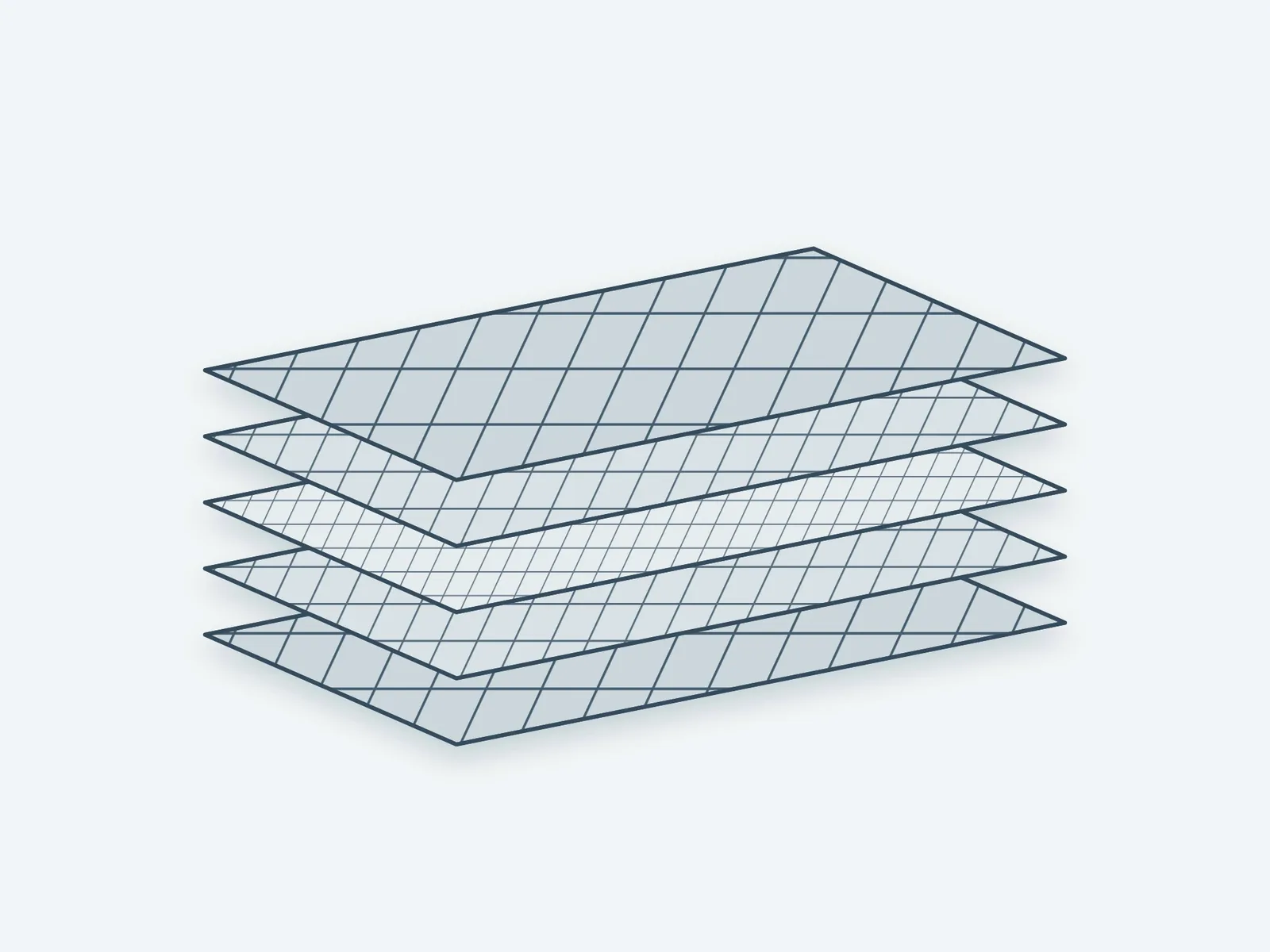
Five-layer sintered wire mesh sheets
View details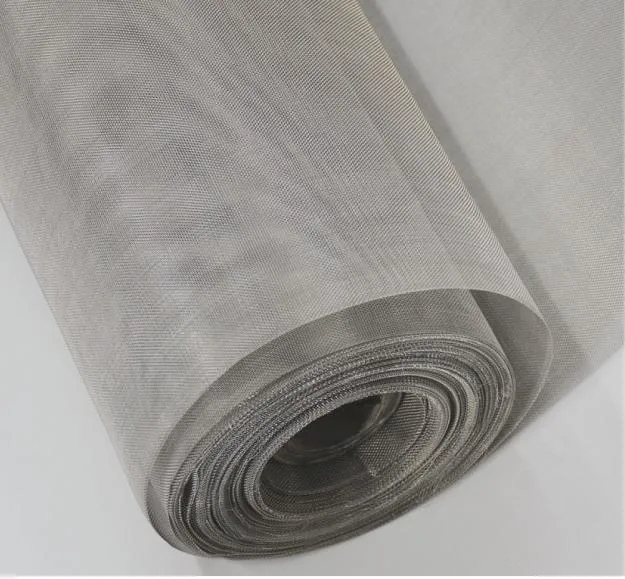
Monel Wire Mesh
View details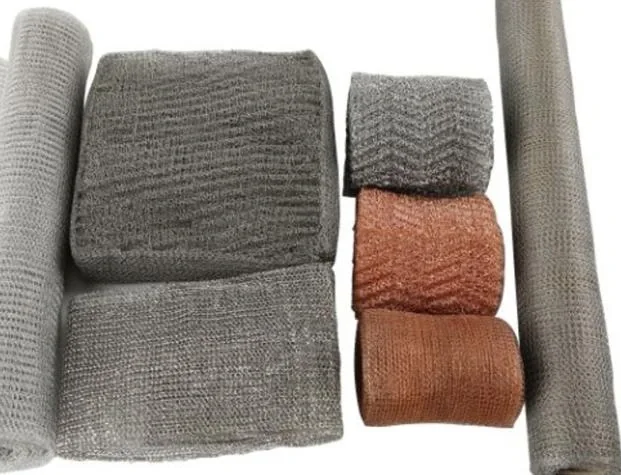
Knitted Wire Mesh Rolls
View detailsTechnical enquiry
Define the dimensions, media, joints and inspection records before confirming the order.