
Shijiazhuang, Hebei, Chinasales@kaifil.com
KAIFIL
Filter media rolls and sheets

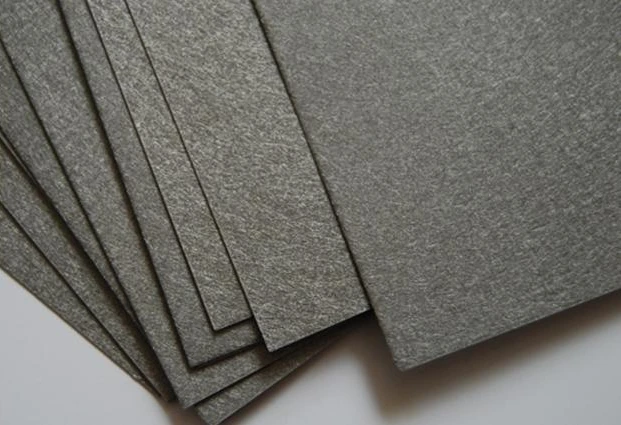
Five-layer sintered wire mesh sheets

Kaifil supplies 304 and 316L five-layer sintered wire mesh for filter discs, panels and cartridges. The 1.7 mm laminate combines a fine filtering layer with protective, drainage and support meshes.

Sintered metal filters and media
Construction
Diffusion-bonded five-layer wire mesh
Nominal filtration grades
1 / 2 / 5 / 10 / 15 / 20 / 25 / 30 / 50 / 70 / 100 µm
Laminate thickness
1.7 mm
Stainless steel grades
304 / 316L

Share a drawing, reference sample or application requirements to discuss the configuration.

Specifications

Five-layer sintered wire mesh sheets
ParameterSpecificationNotes
ConstructionDiffusion-bonded five-layer wire mesh—
Nominal filtration grades1 / 2 / 5 / 10 / 15 / 20 / 25 / 30 / 50 / 70 / 100 µm—
Laminate thickness1.7 mm—
Stainless steel grades304 / 316L—
Sheet formats500 × 1000 / 600 × 1200 / 1000 × 1200 mm—
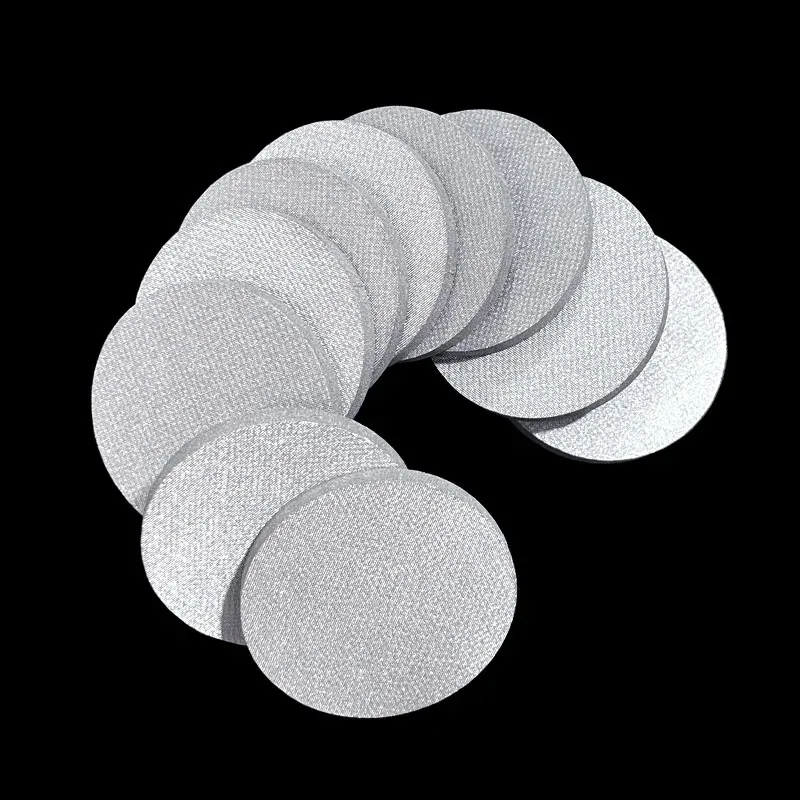
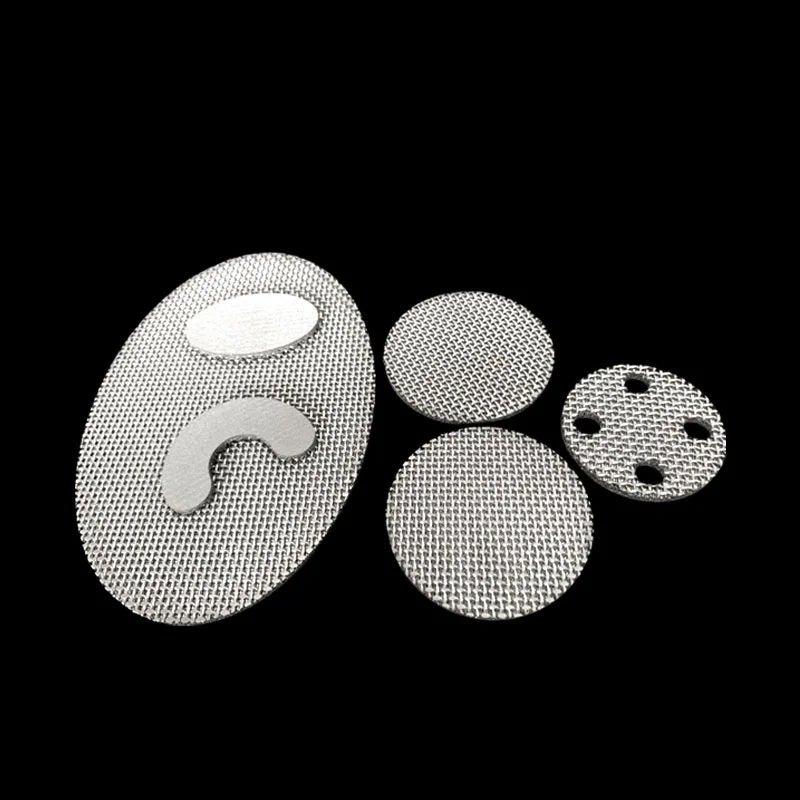
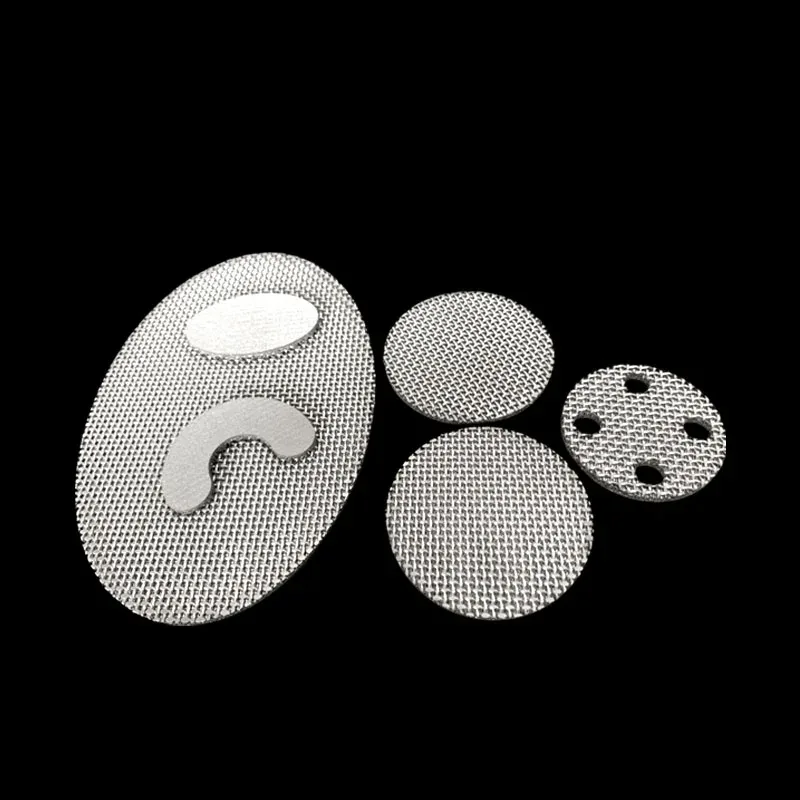
Supply formsSheets / discs / cut blanks / formed cylinders—
Layer functionsProtection / filtration / drainage / dual support—
Air-permeability test differential1000 PaThe grade table pairs each nominal grade with its air-flow value.

Materials: 304 / 316L stainless steel; Monel 400; Inconel 600; Hastelloy C; Duplex stainless steel; 310S / 904L

Product details

Five bonded layers, one stable filtering medium

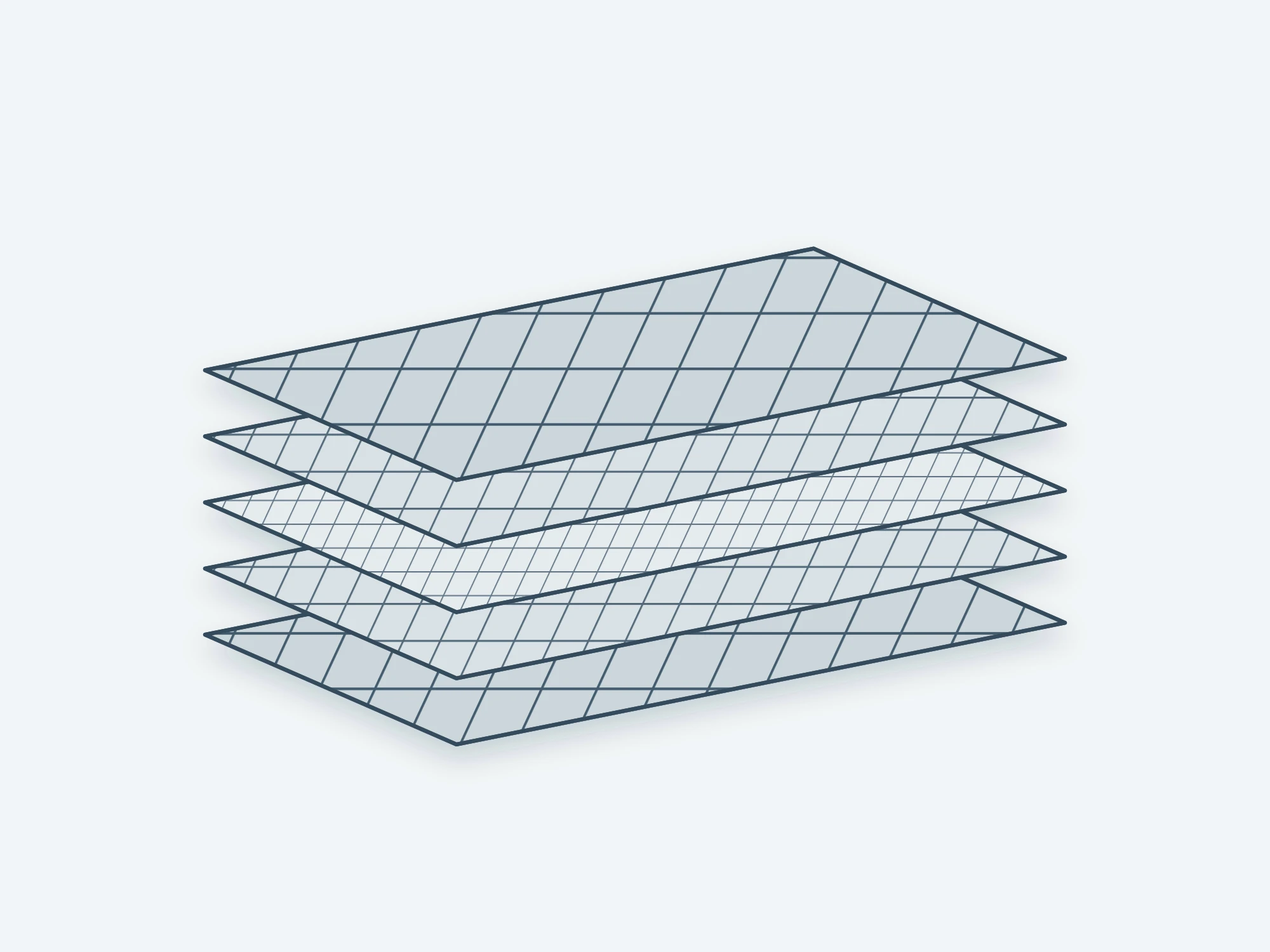
Five-layer sintered wire mesh is made by stacking selected woven meshes and bonding their contact points during sintering. The laminate combines the fine passages of the control mesh with the handling strength of coarser supporting layers. The bonded sheet holds its layer alignment during cutting, forming and assembly into reusable metal filters.
Choose the grade and flow capacity together

The 1.7 mm series covers nominal grades from 1 to 100 µm in the discrete combinations listed below. Air permeability is expressed as volume flow per unit area at a pressure difference of 1000 Pa. Use the grade and permeability together when allocating filtration area for a liquid or gas process. Liquid viscosity, temperature and solids loading complete the element design inputs.

Five-layer sintered mesh sheets — Construction detail

Sheets, discs and cylindrical components

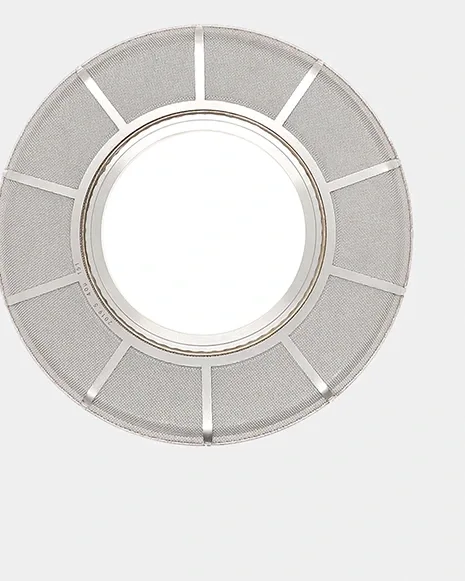
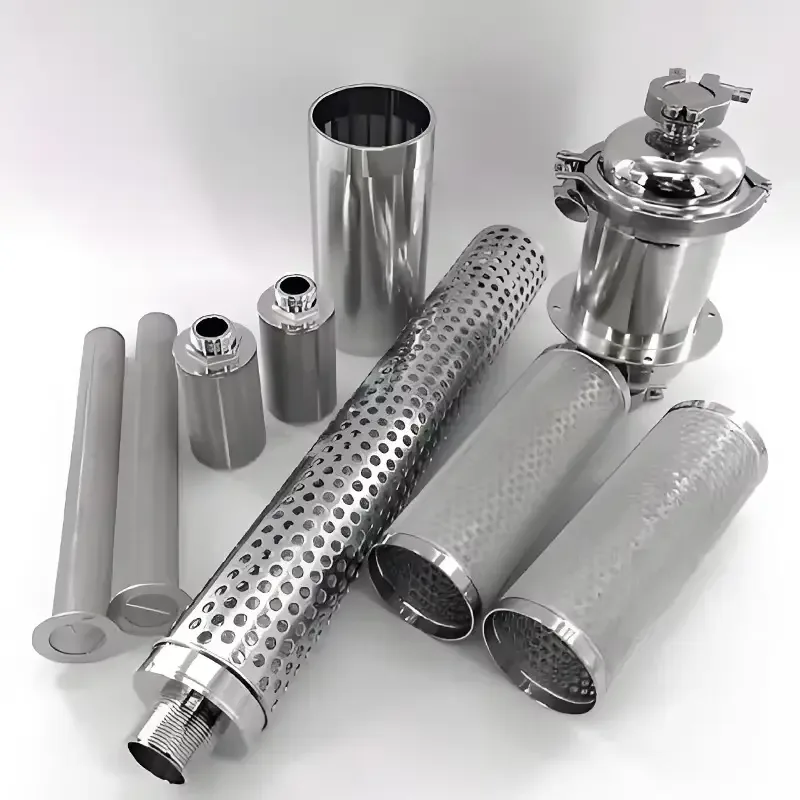
Sheet formats are 500 × 1000, 600 × 1200 and 1000 × 1200 mm. Cut blanks become discs, annular elements, flat panels and cylindrical filters. Define the active filtering area, sealing margin and finished outline together. For cylindrical fabrication, the seam and end fittings complete the filtration boundary; for panels, the frame carries installation loads.

Cleaning and inspection

Backwashing, ultrasonic cleaning and chemical cleaning are selected around the deposit and stainless grade. Inspect the laminate thickness, flatness, cut edges and layer continuity, then record the agreed flow or integrity measurement. A repeatable cleaning assessment compares the clean element at the same flow, fluid temperature and pressure difference.

Convert the laminate into a defined filter part

The five-layer sheet is the starting medium. A finished component adds an outline, active area and sealing interface. Keep the feed face and backing face identified through cutting and forming. The filtration-rating and permeability table describes this 1.7 mm-thick laminate series; each completed disc, panel or cylinder adds its own support and connection geometry.

Different laminates for different support structures

Five-layer woven laminate combines protection, control, drainage and two support meshes. A six-layer laminate adds a distinct support layer. A square-mesh composite uses a different woven layer arrangement; a perforated-plate composite bonds filtering mesh to a plate backing. These are separate material structures, each identified by its layer sequence and finished thickness.

Five-layer construction

Five-layer construction

The layer sequence connects filtration, flow distribution and mechanical support.

LayerFunctionPosition
Protective meshShields the fine control layerFeed side
Control meshSets the nominal filtration gradeBelow protective mesh
Drainage meshDistributes flow across the supportMiddle layer
Support mesh 1Backs the fine layersDownstream
Support mesh 2Reinforces the laminateBack face
Nominal grades and air permeability

Nominal grades and air permeability

Performance table for the 1.7 mm stainless steel laminate. Air-flow values use a differential pressure of 1000 Pa.

Nominal grade (µm)Air permeability (L/min/dm²)Thickness (mm)
11801.7
22401.7
52601.7
103101.7
153501.7
204501.7
256201.7
306901.7
508501.7
709001.7
10010801.7
Convert the laminate into a defined filter part

Convert the laminate into a defined filter part

Finished formDimensions and interfacesConversion detail
Solid or annular discOutside diameter, centre opening, active diameter and sealing landCut the laminate to its finished outline and retain a continuous bonded edge.
Flat filter panelLength, width, active window and frame overlapThe frame carries the panel and defines the peripheral seal.
Cylindrical elementDiameter, length, longitudinal seam and end fitting seatsRoll the sheet with its designated face orientation and close the seam and end interfaces.
Material families and woven constructions

Material families and woven constructions

Special-alloy five-layer laminates have their own layer and thickness designation. The 1.7 mm air-flow table applies to the 304/316L stainless series.

Material familyGrades
Monel400
Inconel600
HastelloyC
Duplex stainless steelDuplex stainless steel
310S / 904L310S / 904L

Special-alloy five-layer laminates have their own layer and thickness designation. The 1.7 mm air-flow table applies to the 304/316L stainless series.

Ordering and production

Ordering and production

Supply itemOrder basis
Production lead time2–3 weeks after order and drawing confirmation.
Trial ordersSmall trial quantities for fit and process evaluation.
Regular material ordersQuantity follows the selected roll, sheet or cut-length format; US$3,000 regular order value.
Quotation basisAlloy, media construction, wire or stock thickness, delivery format and quantity.

Selection guide

Include these details when discussing your requirements.

Select the control grade
Choose a nominal micron grade from the performance table and identify the retained solids.
Allocate filtering area
Provide flow, fluid viscosity and clean pressure-drop target to size the active medium.
Define the finished part
Specify sheet or blank size, sealing margins, formed diameter, seam and end fittings.
Set the cleaning cycle
State cleaning fluid, temperature, reverse-flow direction and maintenance interval.

Applications

Reusable process filter discs

Rigid bonded blanks provide a filtering surface with an integral backing structure.

Cartridge fabrication

Formed and joined laminates create cylindrical media walls for metal filter cartridges.

Process filtration panels

Flat sheets combine defined filtering grades with frame-mounted installation.

Frequently asked questions

What does each layer do?

The outer mesh protects the fine control mesh. A drainage mesh distributes flow, and two backing meshes support the laminate.

How do five-layer and six-layer sintered meshes differ?

A six-layer construction adds a backing layer for increased structural support. Layer sequence and finished thickness identify the construction.

How is air permeability compared?

Compare air flow per unit area at the same pressure difference. The table on this page uses 1000 Pa.

What information is needed for a cut filter disc?

Provide outside diameter, centre opening, nominal grade, thickness, sealing width, quantity and the installation drawing.

Technical enquiry

Define the dimensions, media, joints and inspection records before confirming the order.

Technical details (optional)
Selection inputs

WhatsApp

Search