Shijiazhuang, Hebei, Chinasales@kaifil.com
KAIFIL
Filter cylinders and tubes

Woven mesh filter cylinders

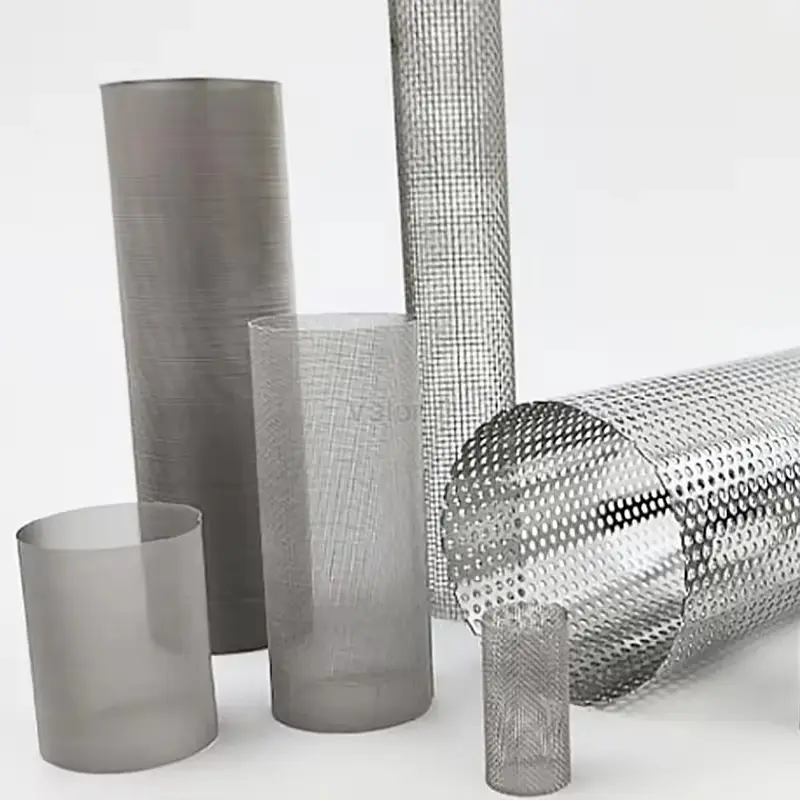
Stainless steel woven mesh cylinders combine a defined wire-cloth opening with a welded cylindrical body, reinforced ends and flow-directed support. Plain, collared and flanged constructions fit pump inlets, removable housing inserts and process-water screens.

Metal wire mesh
Construction
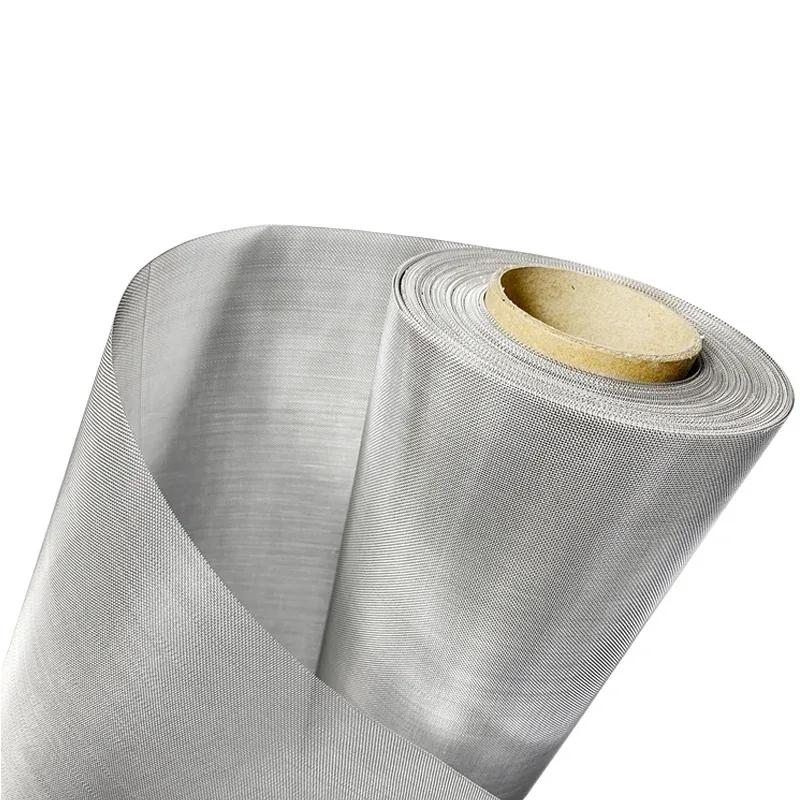
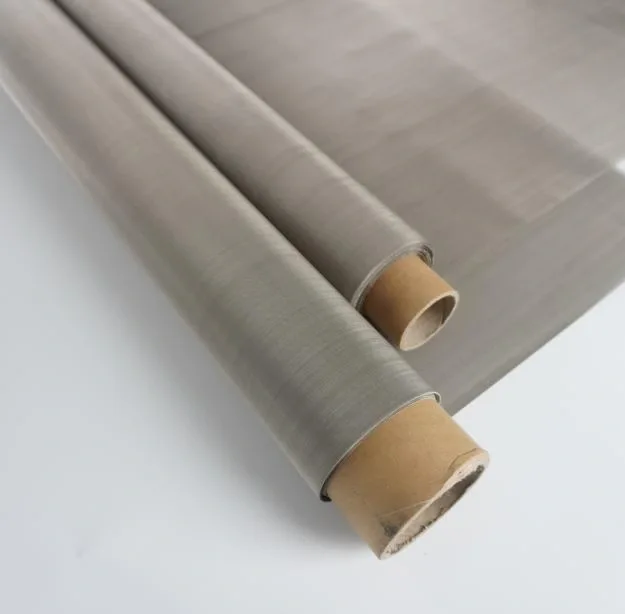
Rolled woven-wire cloth
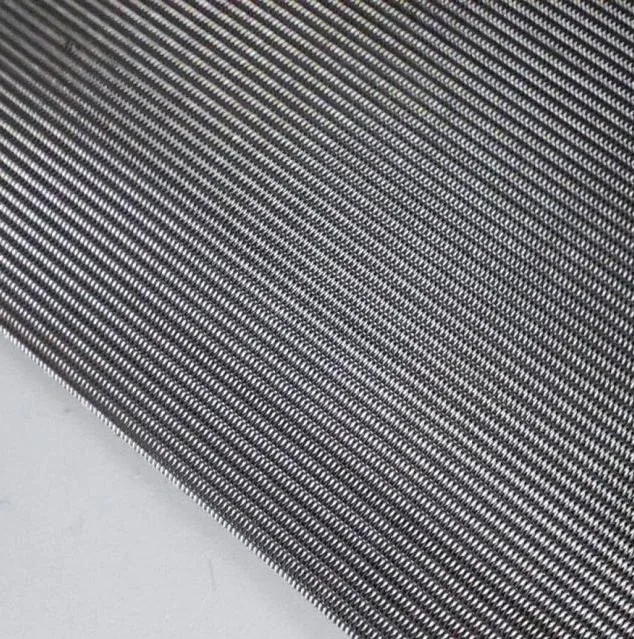
Selected square-weave apertures
0.15–1.91 mm
Displayed configuration
20 mesh / Ø0.25 wire / 1.02 clear opening mm
Calculated open area
(1.02/1.27)² = 64.5 %

Share a drawing, reference sample or application requirements to discuss the configuration.

Product details

From wire cloth to a finished cylinder

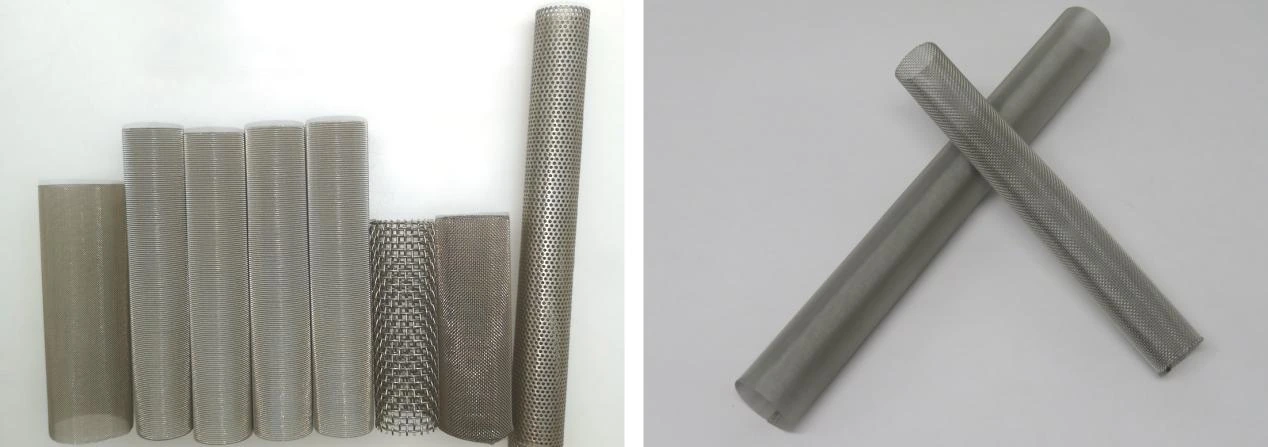
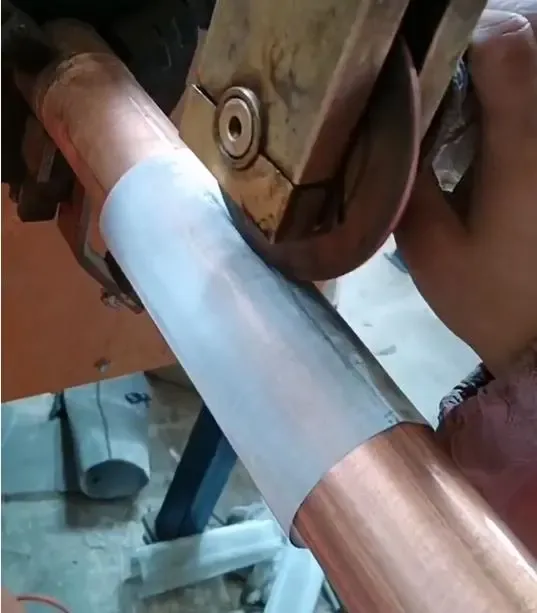
Wire cloth is cut to the developed circumference, rolled and joined along a longitudinal seam. The filtering surface is the woven cloth; the seam closes the circumference, and the end reinforcement keeps the cylinder round during insertion and removal. A single-layer tube, a cloth-lined perforated core and a cylinder with collars are distinct assembly configurations.
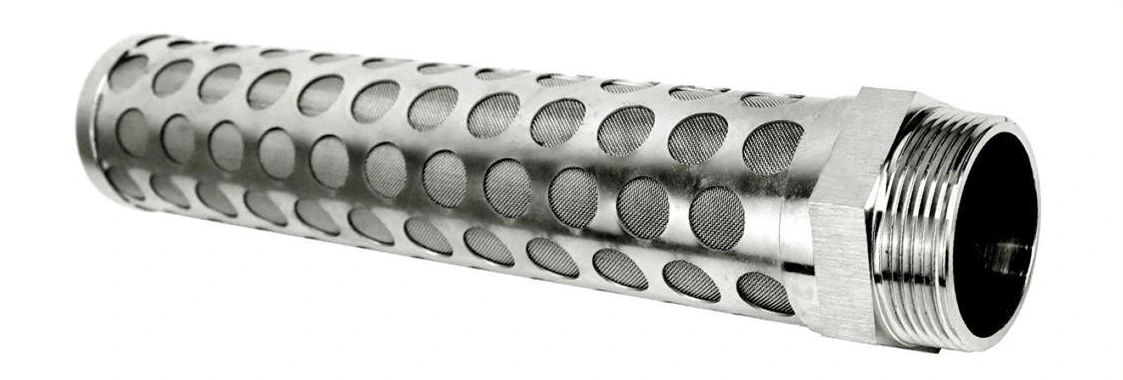
Filtering layer, support and end components

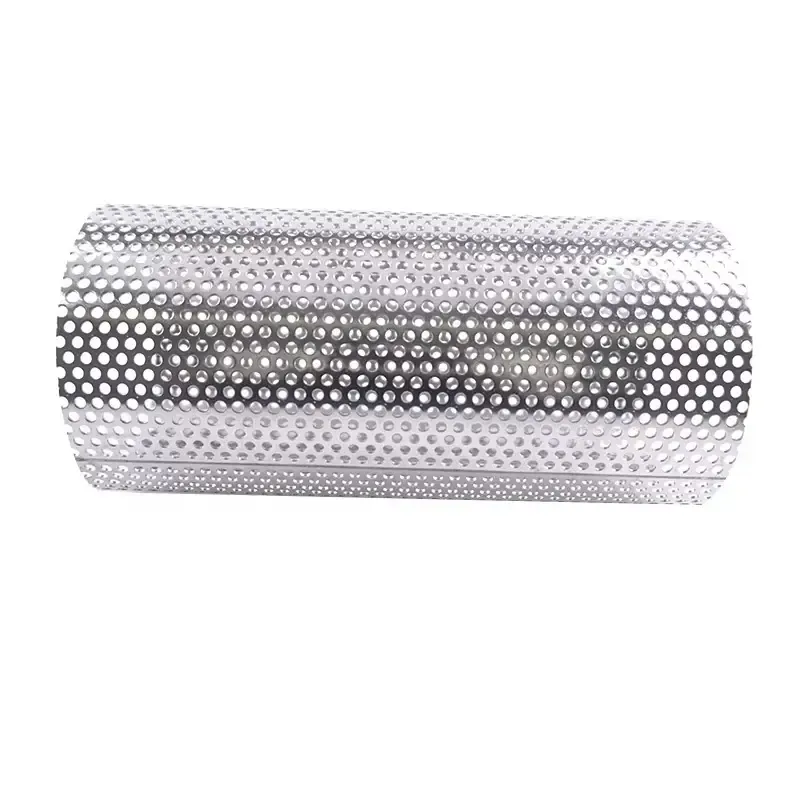
The component schedule separates the mesh grade and weave, perforated support, end rings, flange and handling fittings. The mesh defines the opening; the perforated core carries the radial load. End rings locate the cloth and protect the cut edge. A flange provides the mounting face, while a handle provides removal access. Stainless steel 304 and 316L are specified separately for the mesh and the fabricated parts.

Woven wire cloth formed into cylindrical filter bodies with longitudinal seams and reinforced end configurations.

Alloy mesh and a component-level material schedule

The woven filtering layer includes duplex stainless grades UNS S31803, S32750 and S32760; Monel 400 and K-500; Inconel 600, 601, 625, 718 and X-750; Hastelloy B-2, B-3, C-22 and C-276; and pure nickel N2, N4, N6 and N8. These are separate wire-cloth material families. Duplex grades address corrosion-resistant stainless construction; Monel is a nickel-copper family; Inconel supplies nickel-chromium alloy options; Hastelloy provides grade-specific nickel-alloy choices; pure nickel supplies the unalloyed-nickel cloth branch. The assembly schedule identifies the filtering cloth, perforated support, end rings, flange and joining material individually. Naming the cloth alloy specifies that layer; each wetted structural part retains its own material entry.

Flow direction and support position

For outside-in filtration, the mesh lies upstream of the inner support and retains solids on the outer surface. For inside-out filtration, the support lies outside the filtering layer and solids collect inside. Backwashing reverses the loading direction, so the assembly drawing also defines the support and attachment of the mesh during cleaning. The support openings remain passages behind the filtering cloth.

Aperture and the displayed 3D configuration

The displayed cylinder is Ø80 × 200 mm. Its square-opening cloth uses 20 mesh and 0.25 mm wire: pitch = 25.4/20 = 1.27 mm, clear opening = 1.02 mm, and geometric open area = (1.02/1.27)² = 64.5%. This percentage describes the wire cloth. Seam overlap, end rings and the support reduce the exposed area of the assembled cylinder.

Ends, seating and installation

Plain ends fit a retaining seat; collars provide an end datum; a flange establishes the bolted mounting interface. The drawing identifies finished diameter, length, seam location, seating width and the seal contact face. Install the cylinder with the support on the downstream side of the cloth and seat the ends evenly. The sealing path closes the route around the filter so the process stream passes through the mesh.

Inspection and service

Inspect circumference and roundness, overall length, clear opening, seam continuity and exposed wire ends. Check the end fittings against the mating seat and inspect the assembled seal contact. Cleaning removes retained solids from the filtering face; inspect the seam and attachment points before returning the cylinder to service. Replacement specifications record the cloth opening, flow direction, installed dimensions and end connection together.

Locate the longitudinal seam within the installed cylinder

The rolled cloth closes at a longitudinal joint, while end rings or collars position the cylinder in the holder. Put the seam on the same assembly view as the support and end connections. State whether the edges meet or overlap and identify the contact side of any perforated backing.

Check diameter and roundness at several sections after joining, including the ends and the region beside the seam. Verify that the cloth stays fixed to its support and that cut wire ends are controlled. The replacement record includes seam position, end fit and the extraction path as well as cylinder diameter and length.

Cylinder assembly and function

Cylinder assembly and function

Component or configurationFunctionDrawing and inspection item
Woven clothParticle screeningWeave, wire diameter and clear opening
Longitudinal seamCloses the cylinderContinuous closure and trimmed wire ends
Perforated supportCarries the filtering layerSupport side, hole pattern and mesh contact
End ring or collarLocates and reinforces the endRoundness, seating width and end alignment
Flanged endConnects the element to its mountFlange geometry and seal contact face
HandleProvides extraction accessAttachment and clearance for removal
Locate the longitudinal seam within the installed cylinder

Locate the longitudinal seam within the installed cylinder

Controlled featureInstallation taskCheck on the finished part
Longitudinal seamCloses the rolled clothJoint layout, closure and wire ends
Perforated backingCarries the cloth in the flow directionContact side, drainage and fixation
End ring or collarPositions and reinforces the endDiameter, alignment and seating width
Finished cylinderFits the holder and removal routeMulti-section roundness, length and clearance
Locate the longitudinal seam within the installed cylinder
Woven mesh filter cylinders — Square-weave cloth options

Woven mesh filter cylinders — Square-weave cloth options

Mesh count / inchWire diameter (mm)Clear aperture (mm)
100.641.91
200.5080.76
400.2540.38
800.1650.15

Each table row pairs one mesh count, wire diameter and aperture; finished-part dimensions are specified separately.

Ordering and production

Ordering and production

Supply itemOrder basis
Production lead time2–3 weeks after order and drawing confirmation.
Trial ordersSmall trial quantities for fit and process evaluation.
Regular production orders50 pieces or US$3,000 per order.
Quotation basisMaterial, finished dimensions, filter construction, connections and quantity.

Woven mesh filter cylinder dimensions and 3D construction

Explore the stainless steel woven mesh filter cylinder, including its cylindrical filtering surface, open ends and longitudinal joint. Rotate the Ø80 × 200 mm configuration to compare the 20-mesh cloth, 0.25 mm wire and 1.02 mm clear opening before defining the required diameter, length and end reinforcement.

Loading 3D model

Loading 3D model

Drag to rotate · Scroll or pinch to zoom
Download GLB

Specifications

Woven mesh filter cylinders
ParameterSpecificationNotes
ConstructionRolled woven-wire cloth—
Selected square-weave apertures0.15–1.91 mmEach table row pairs one mesh count, wire diameter and aperture; finished-part dimensions are specified separately.
Displayed configuration20 mesh / Ø0.25 wire / 1.02 clear opening mm—
Calculated open area(1.02/1.27)² = 64.5 %Geometric wire-cloth open area; seam overlap, rings and support occupy separate areas.
Installed dimensionsOD / ID / length to drawing—
Edge / connectionPlain · rimmed · collared—
Material options304 and 316L stainless steel for mesh, support and end components; each component grade is identified in the assembly specification.—
Operating dutyDefined for the installed assembly—
Release checksThe inspection record identifies the material, finished dimensions, joining surfaces and sealing interfaces. Measurements follow the installed geometry and the stated test conditions.—
Illustrated geometryØ80 × 200 long mmGeometry of the illustrated construction; finished dimensions follow the equipment interface drawing.

Applications

Pump suction screens

A removable cylinder can protect a pump inlet from debris where the available open area and cleaning access are checked.

Replaceable housing liners

Match the seating diameter and length to an existing vessel before choosing finer wire cloth.

Process-water screening

Use corrosion-compatible woven cloth and a support arrangement suited to the differential pressure.

Selection guide

Include these details when discussing your requirements.

Confirm the installation
Specify finished OD or ID, length, roundness, seam location and any mounting holes or cut-outs. Plain ends, formed rims or welded collars; document how the tube seats and how bypass is prevented.
Choose the filtering surface
Define mesh count together with wire diameter and weave; calculate clear aperture from the actual cloth specification rather than mesh count alone.
Check the process duty
Set outside-in or inside-out flow, solids loading and allowable differential pressure so the wire and support can be sized together.
Set acceptance
Inspect the finished circumference, seam closure, aperture continuity and edge burrs against the drawing.

Woven mesh filter cylinders video

Watch KaifilTech woven mesh filter cylinders and how they are made.

Watch on YouTube

Explore woven mesh filter cylinders and custom manufacturing at KaifilTech.

Frequently asked questions

Does mesh count define the opening?

For square-opening cloth, the opening is 25.4 divided by mesh count minus wire diameter, with dimensions in millimetres. The displayed 20-mesh, 0.25 mm wire configuration has a 1.02 mm opening.

What is the difference between mesh and the perforated core?

The woven cloth performs the screening. The perforated core supports the cloth and provides flow passages; its holes are a separate structural specification.

Where is the support installed?

Outside-in filtration uses support inside the cloth. Inside-out filtration uses support outside the cloth. The assembly also defines retention during reverse-flow cleaning.

Formed cup and mesh-cylinder installation checklist

Complete the component fields and return the sheet with the assembly drawing and order reference.

Download: Formed cup and mesh-cylinder installation checklist

Editable CSV with component dimensions, construction and inspection fields.

Technical enquiry

Define the dimensions, media, joints and inspection records before confirming the order.

Technical details (optional)
Selection inputs

WhatsApp

Search