Shijiazhuang, Hebei, Chinasales@kaifil.com
KAIFIL
Filter panels and framed screens

Crimped Wire Mesh

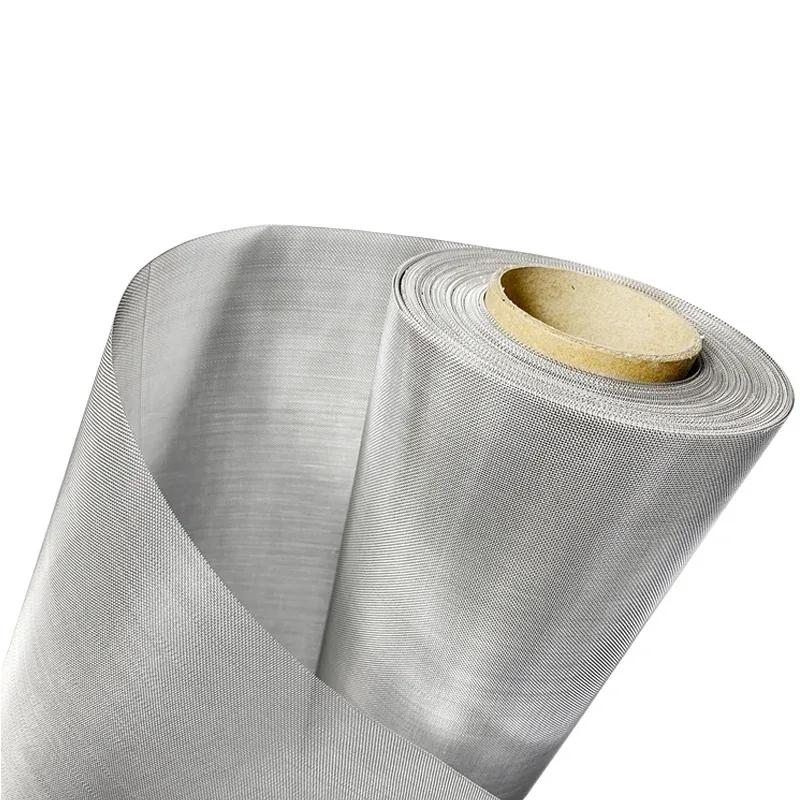
Pre-crimped stainless steel wire mesh for screening, removable panels and filter supports. Choose double-crimp, intermediate-crimp, lock-crimp or flat-top construction with a defined opening, wire diameter and mounting edge.

Metal wire mesh
Weave construction
Pre-crimped interlaced wire
Crimp styles
Double / intermediate / lock / flat top
Clear opening
Square or rectangular
Wire diameter
Specified for each direction mm

Share a drawing, reference sample or application requirements to discuss the configuration.

Specifications

Crimped Wire Mesh
ParameterSpecificationNotes
Weave constructionPre-crimped interlaced wireWarp and weft are formed before weaving.
Crimp stylesDouble / intermediate / lock / flat topIdentify the selected working face.
Clear openingSquare or rectangularRecord both measured opening directions in mm.
Wire diameterSpecified for each direction mmPair the diameter with opening and crimp.
Delivery formCut cloth / framed panelFinished outline and wire direction are drawing dimensions.
Wire material304 / 316LThe frame and clamp grades are listed separately.
Edge conditionCut / captured in frameDefine exposed wire ends and the clamping zone.
Support arrangementFrame and rear supportsRecord support spacing, contact and removal access.
AcceptanceOpening, wire and installed geometryInspect the assembled screen against its drawing.
304 coarse-mesh clear openings6.35 / 25.4 / 50.8 / 101.6 mmEach row defines a square-opening 304 woven construction, with the opening measured between adjacent wire surfaces. Metric figures use 1 in = 25.4 mm. Select the crimp style and working face with the pair; cut size, frame window and supports define the finished panel separately.

Materials: Stainless steel 304 and 316L; select the wire grade separately from the frame, clamps and joining material.

Product details

The wire is shaped before it is woven

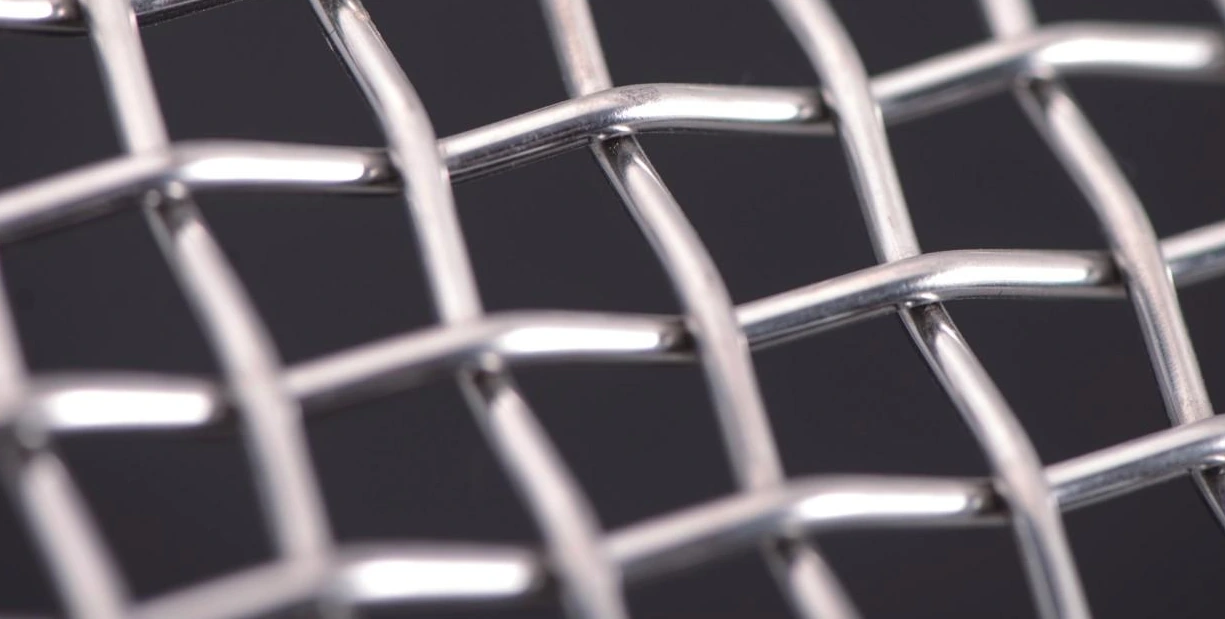
Crimping forms repeated bends in the wires before the warp and weft are interlaced. Those bends locate the crossings and establish the opening pattern. The finished cloth combines a visible wire structure with a defined screening window; wire diameter, clear opening and crimp style are specified together.
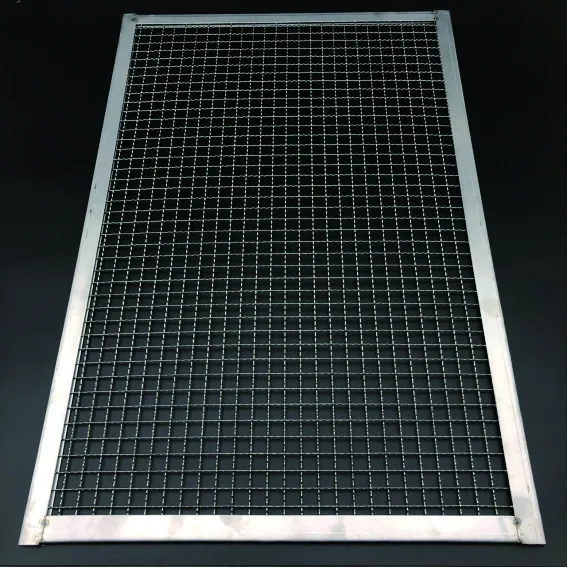
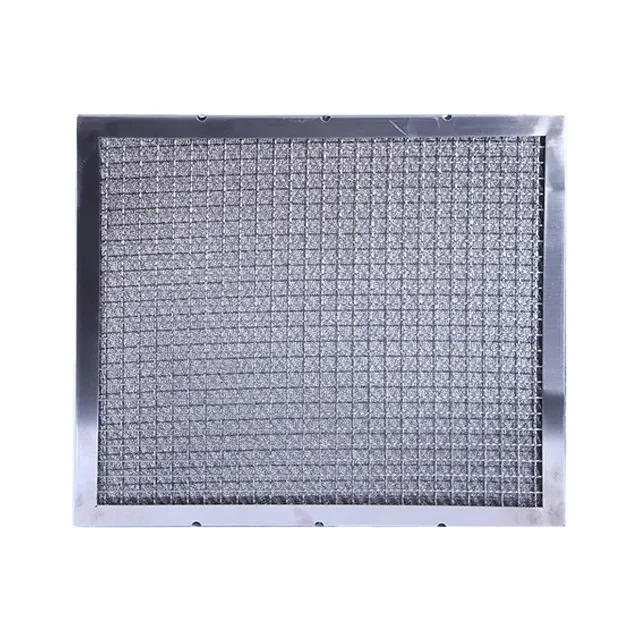
Match the crimp to the screening face

Double-crimp cloth bends both wire directions at their crossings. Intermediate crimp adds bends between crossings. Lock crimp forms pronounced seats at the intersections, while flat-top cloth places the crimp predominantly on one side to provide a flatter working face. Identify the feed face on the finished-part drawing.

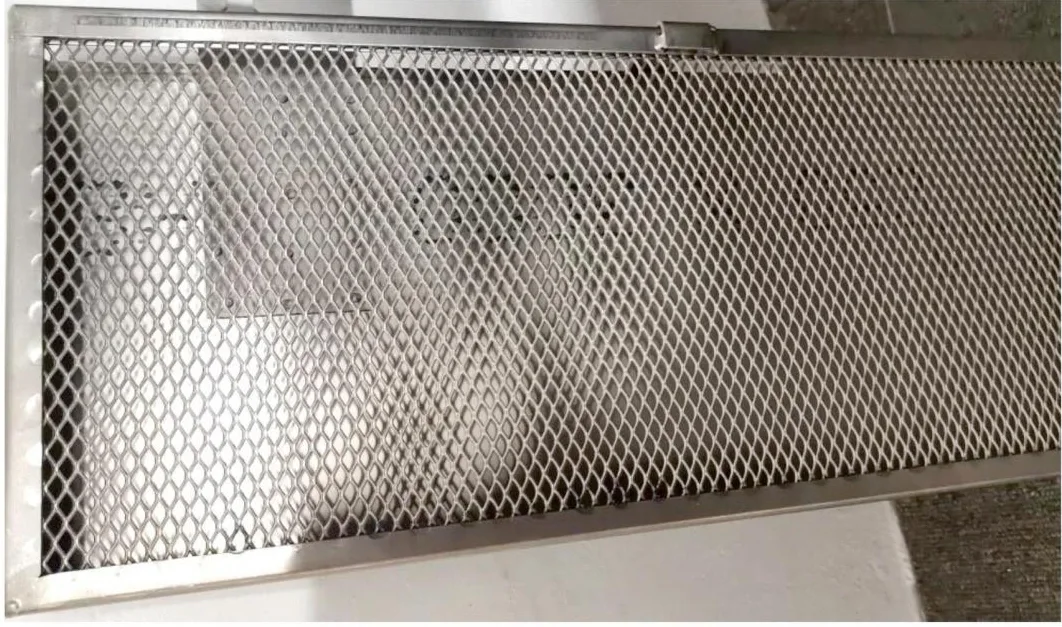
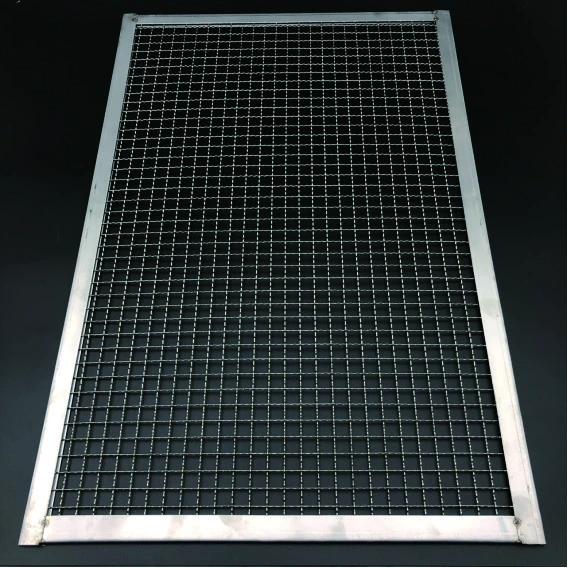
Crimped wire cloth and screening panel forms
Specify the crimped surface, cut outline and mounting edge as separate features.

Opening and wire diameter are separate dimensions

Measure the clear space between adjacent wires in both directions. For a regular square pattern, the projected pitch equals clear opening plus wire diameter. Specify rectangular openings with both dimensions. Mesh count is a separate ordering description; the aperture and wire dimensions define the actual cloth geometry.

From cloth to an installed screen

We supply cut cloth and framed screening panels. A cut piece needs its finished outline, wire direction and edge condition. A framed screen additionally needs the outside frame dimensions, open window, fastening points and rear supports. The support arrangement keeps the working surface located during loading and cleaning.

Choose the material for the complete assembly

304 and 316L stainless constructions are specified by the screened material, process liquid and cleaning chemistry. Record the grade of the cloth, frame and clamps independently. Wear at the wire crossings, corrosion at joints and access to the back face all influence the maintenance plan.

Inspect the geometry after fabrication

Check representative clear openings in both directions, wire diameter, crimp identity, broken wires and cut ends. Inspect the framed opening, squareness, flatness and fastening fit after assembly. During replacement, match the original support positions and working-face orientation as well as the external dimensions.

Crimp patterns and installation decisions

Crimp patterns and installation decisions

ConstructionVisible geometryScreening decisionDrawing item
Double crimpBoth wire directions bend at crossingsGeneral pre-crimped screen surfaceOpening and wire in both directions
Intermediate crimpAdditional bends between crossingsLocate relatively open wire patternsCrimp spacing and wire support
Lock crimpDefined seats at intersectionsHold the selected crossing geometryCrossing profile and aperture
Flat topOne flatter working faceProvide a flatter material travel surfaceWorking face and support orientation
304 stainless coarse woven mesh — aperture and wire pairs

304 stainless coarse woven mesh — aperture and wire pairs

Nominal opening (in)Clear opening (mm)Wire diameter (mm)
1/46.353.048
125.43.048
250.83.048
250.84.8768
250.86.35
4101.66.35

Each row defines a square-opening 304 woven construction, with the opening measured between adjacent wire surfaces. Metric figures use 1 in = 25.4 mm. Select the crimp style and working face with the pair; cut size, frame window and supports define the finished panel separately.

Ordering and production

Ordering and production

Supply itemOrder basis
Production lead time2–3 weeks after order and drawing confirmation.
Trial ordersSmall trial quantities for fit and process evaluation.
Regular material ordersQuantity follows the selected roll, sheet or cut-length format; US$3,000 regular order value.
Quotation basisAlloy, media construction, wire or stock thickness, delivery format and quantity.

Applications

Sizing screens

Pre-crimped cloth separates material through its defined openings in supported screening assemblies.

Removable process panels

A framed perimeter provides repeatable positioning and access for cleaning or replacement.

Filter support surfaces

Coarser cloth supports a separate filtering layer while preserving the required drainage path.

Selection guide

Include these details when discussing your requirements.

Start with the separation task
Set the required clear opening and screened material before choosing wire thickness.
Select the working surface
Choose a flat-top face for a flatter travel surface or a defined crimped face for the required screen construction.
Match the holder
Compare clamping width, rear supports and fastening positions with the installed screen.
Plan replacement access
Provide space to lift or slide the panel out and clean both sides.

Frequently asked questions

How does crimped mesh differ from fine woven filter cloth?

Its wires are preformed before interlacing. Specify the visible crimp, opening and wire size rather than substituting a fine-mesh designation.

Which dimensions determine the opening?

Give the clear gap in both wire directions and the wire diameter. For square cloth, one equal aperture is stated with its tolerance.

Which side of flat-top mesh faces the material?

The flatter face is the working face. Mark its orientation relative to feed, support and cleaning access.

Can the cloth be supplied in a frame?

Yes. Specify the frame section, outside dimensions, active window, fixing points and rear support positions.

What matters when replacing an existing screen?

Match opening, wire, crimp style, working face, mounting dimensions and support contact; outside size alone does not define an equivalent screen.

Technical enquiry

Define the dimensions, media, joints and inspection records before confirming the order.

Technical details (optional)
Selection inputs

WhatsApp

Search