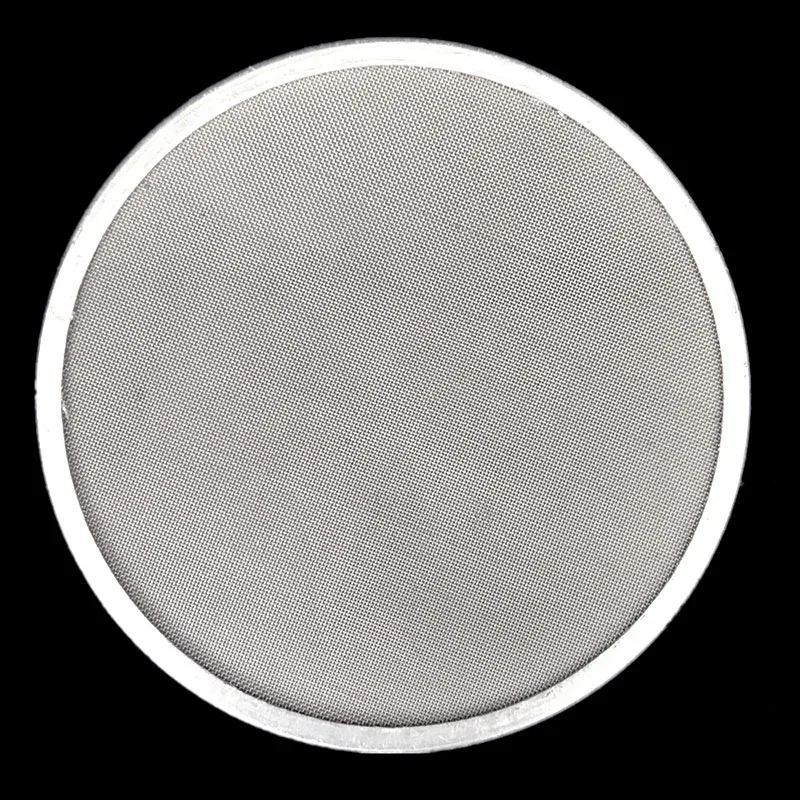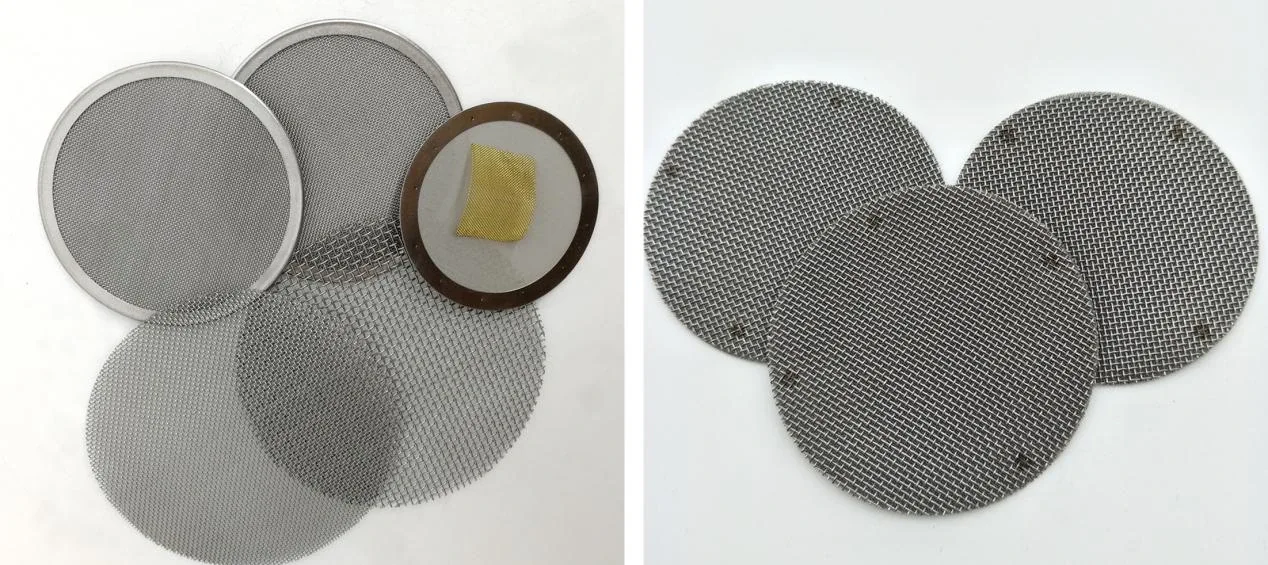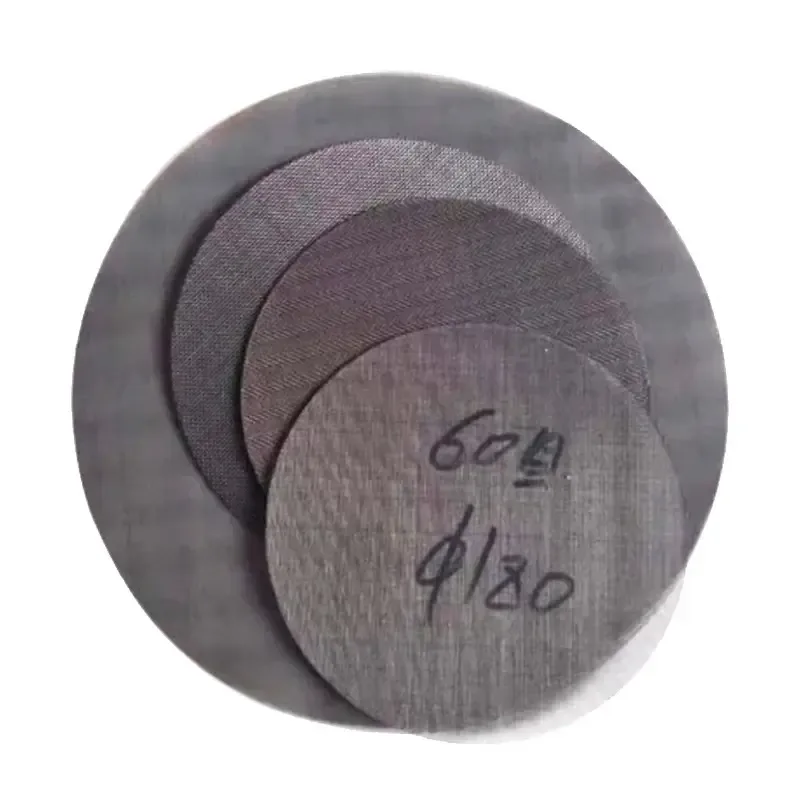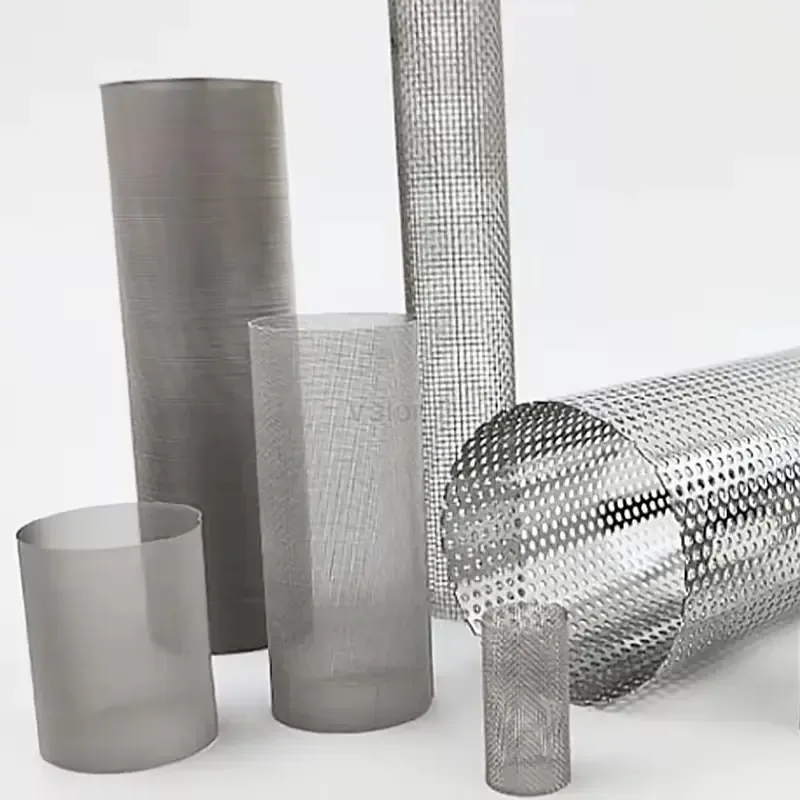
Four different tasks at the perimeter
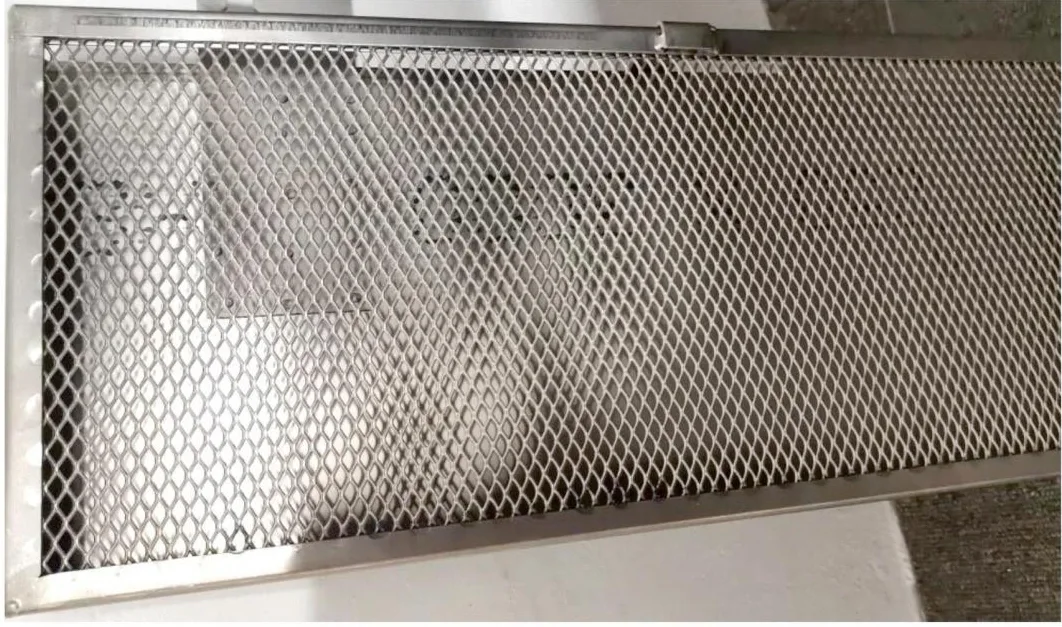
An edge treatment controls cut wires, holds the layers, locates the element or participates in the housing joint. Allocate each task to a visible feature. A retaining rim captures cloth; the mating seat and specified gasket establish the fluid seal. State the seal contact separately from the layer-retention joint.
Cut screens and spot-joined packs
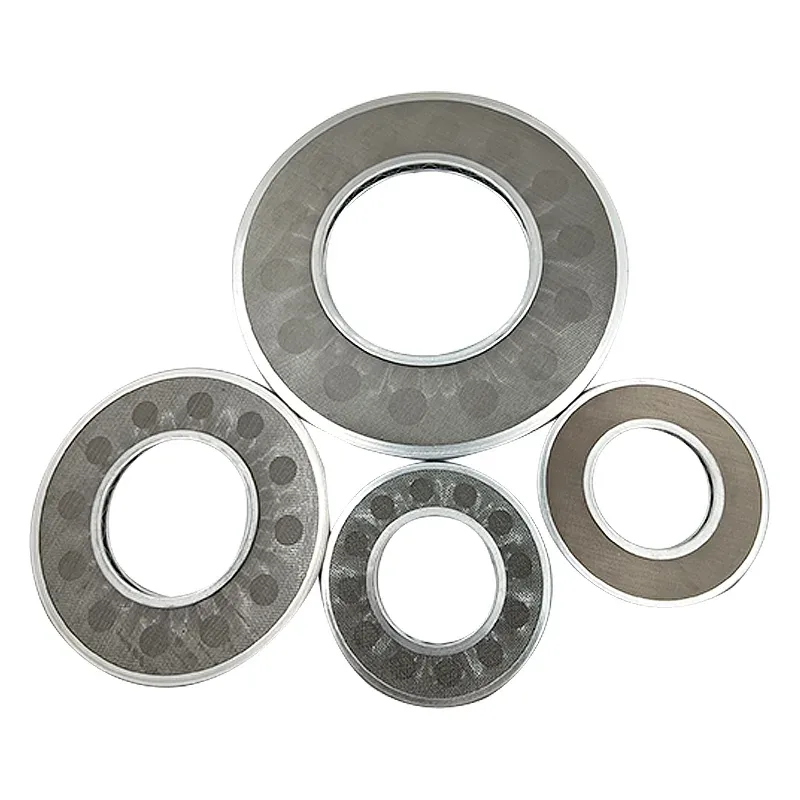
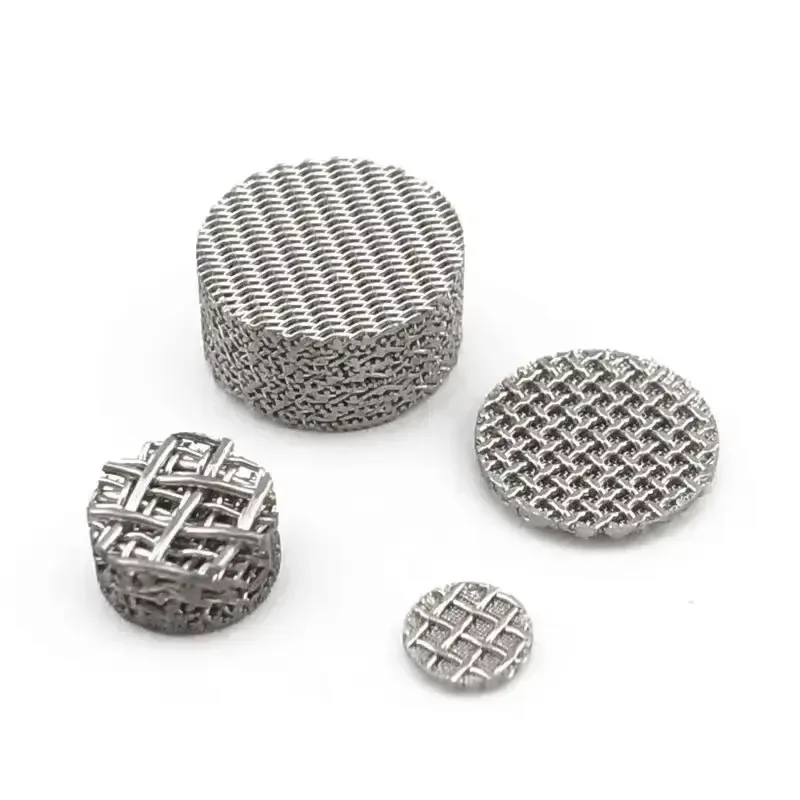
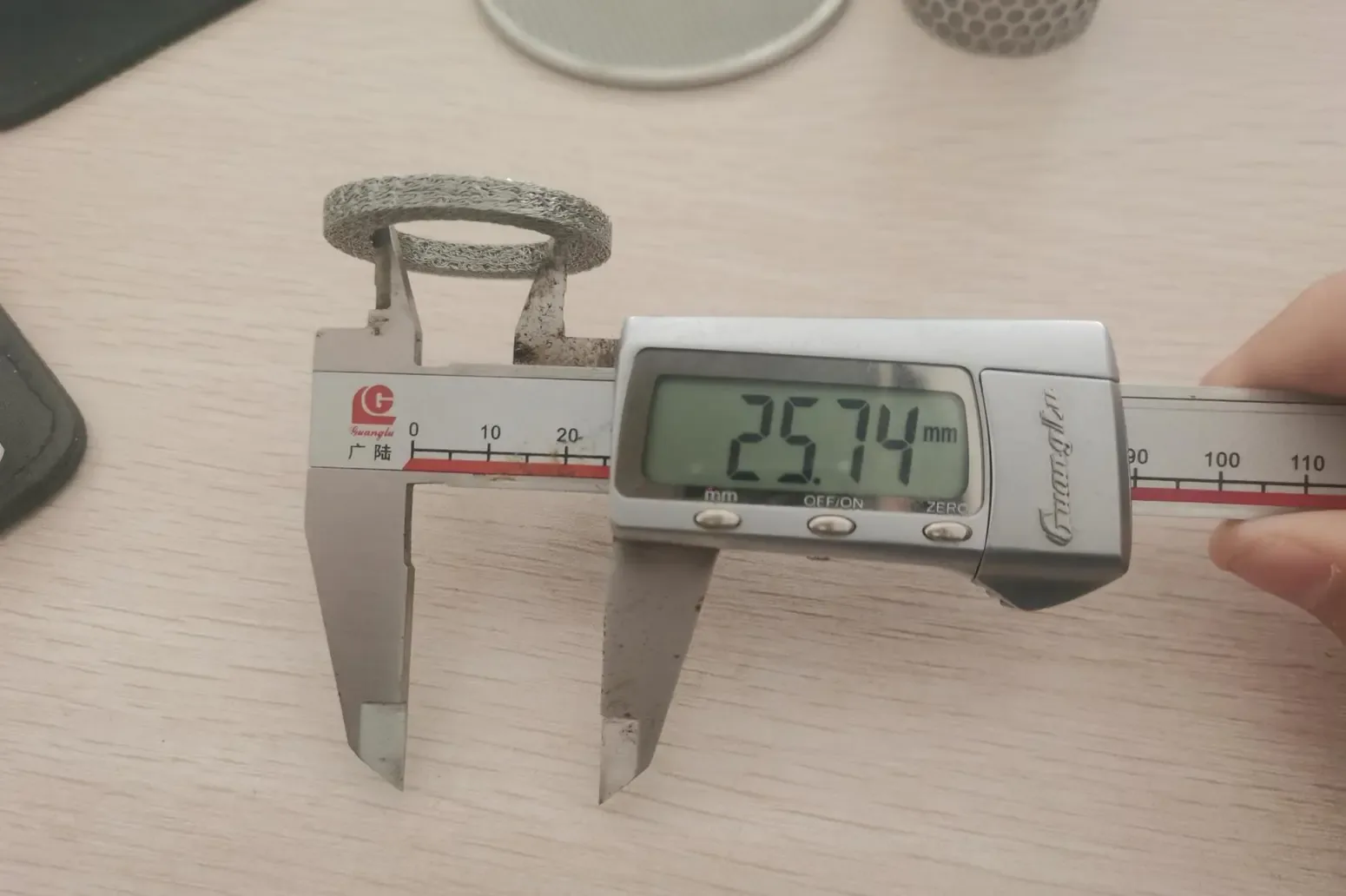
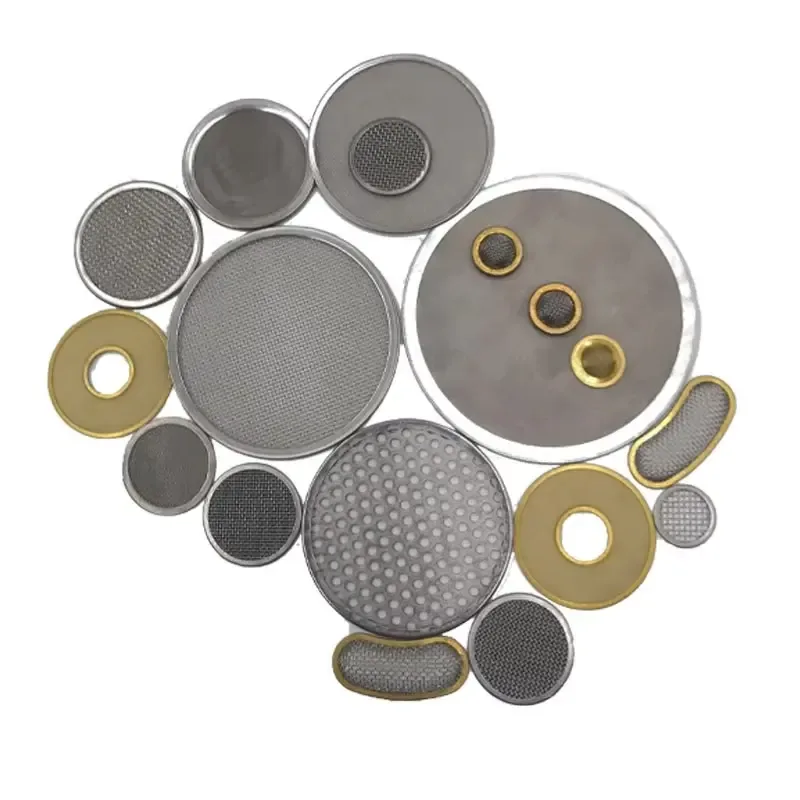
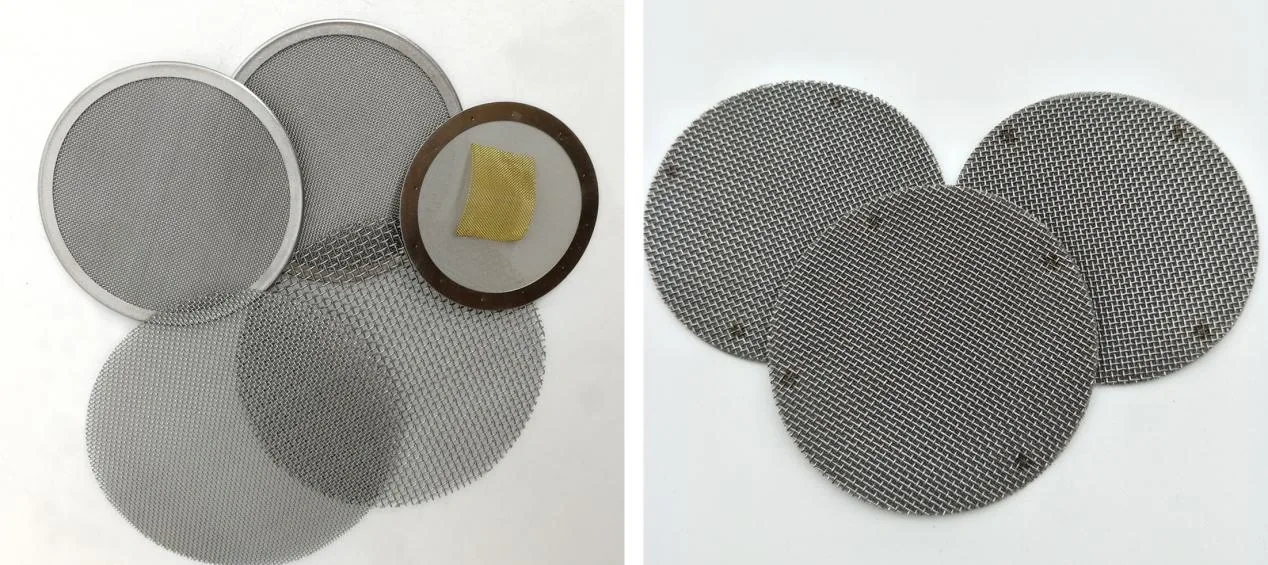
A plain cut disc fits a holder that supports the cloth and captures the edge. The drawing specifies the outline, wire direction and clamped zone. Spot welds hold a multilayer pack together during handling and fitting. Their location and spacing preserve the selected layer sequence and leave the defined active window open.
Metal rims and formed edge sections
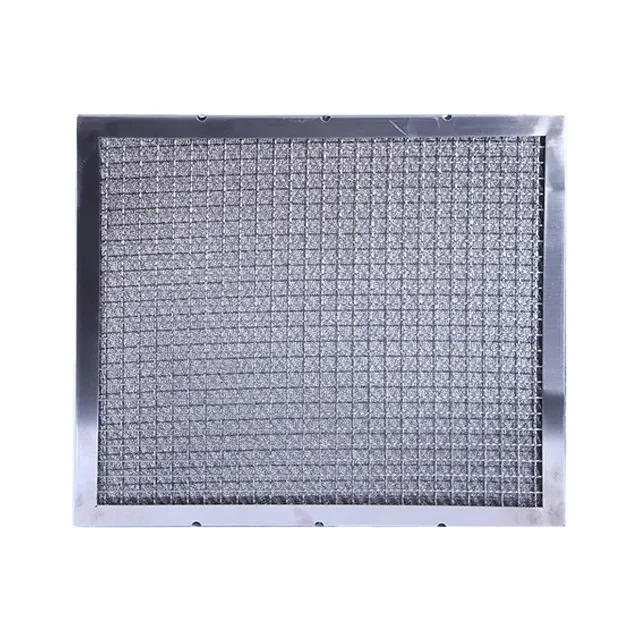
A folded, rolled or crimped rim encloses the cloth ends and builds a handled assembly. Specify outside diameter, inner clear edge, rim section and finished thickness. The closing operation fixes the layers without tearing the fine cloth. Check the rim on both faces, including the closure joint and local distortion.
Separate the exposed window from the outside size
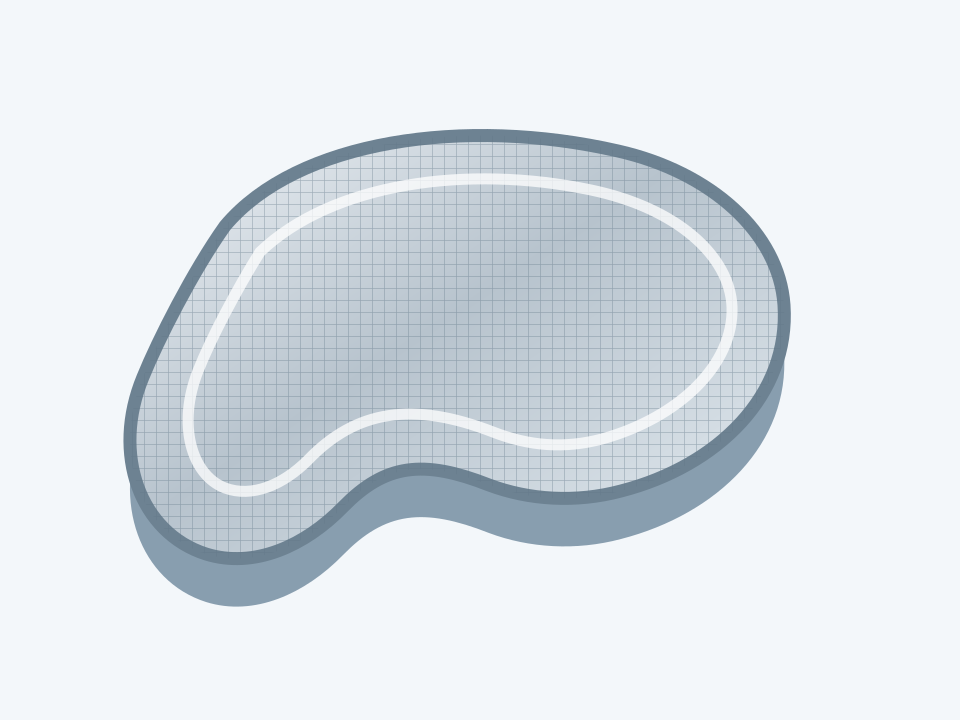
In the diagram D is finished outside diameter and d is the diameter exposed by the mounting seat. The radial covered span is (D−d)/2 and includes the area occupied by rim and seat. The exposed circular window is πd²/4. Apply the cloth open-area fraction and the backing layout to obtain the assembly’s open passage.
Cylinder seams and end reinforcement
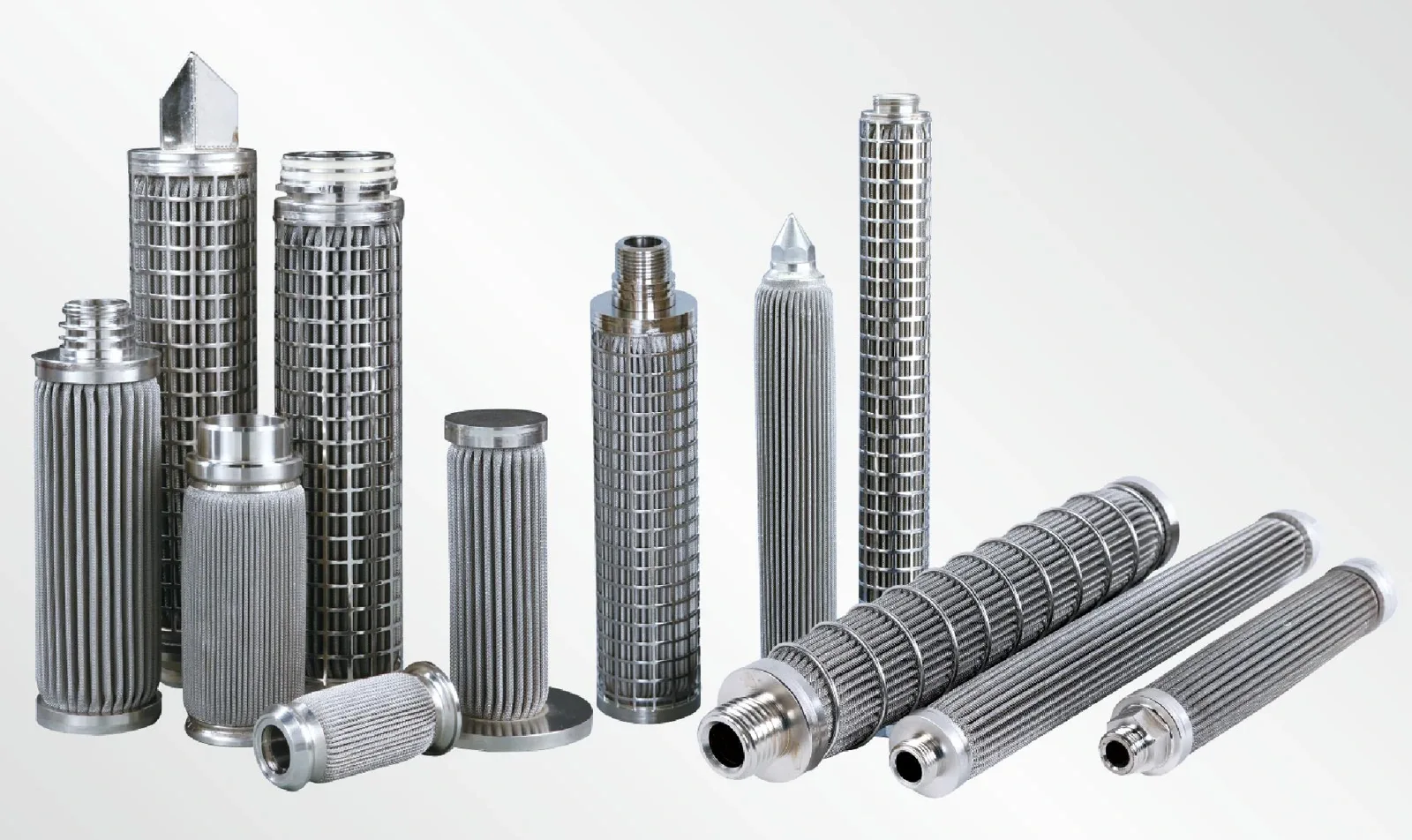
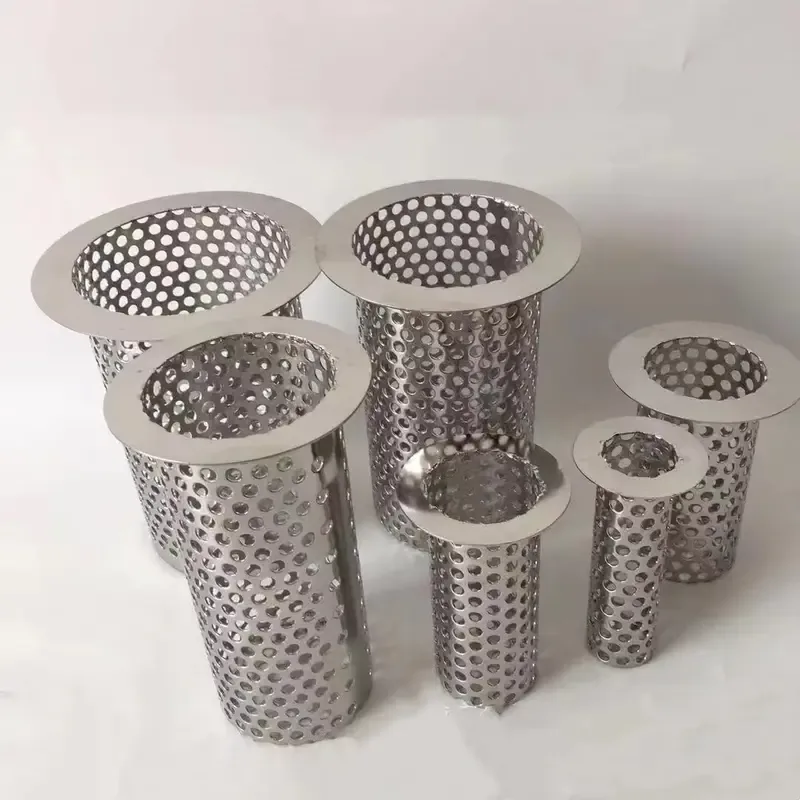
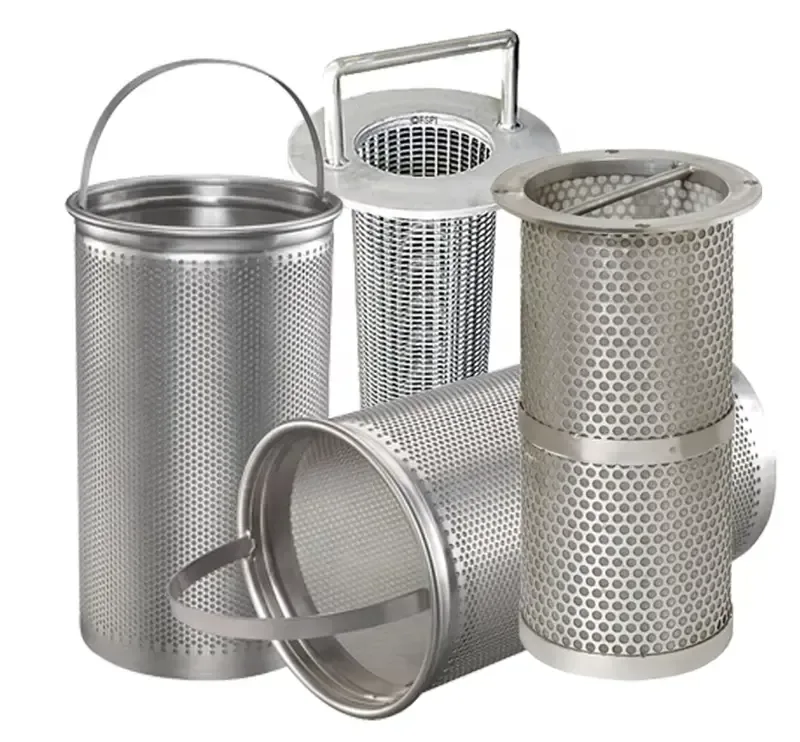
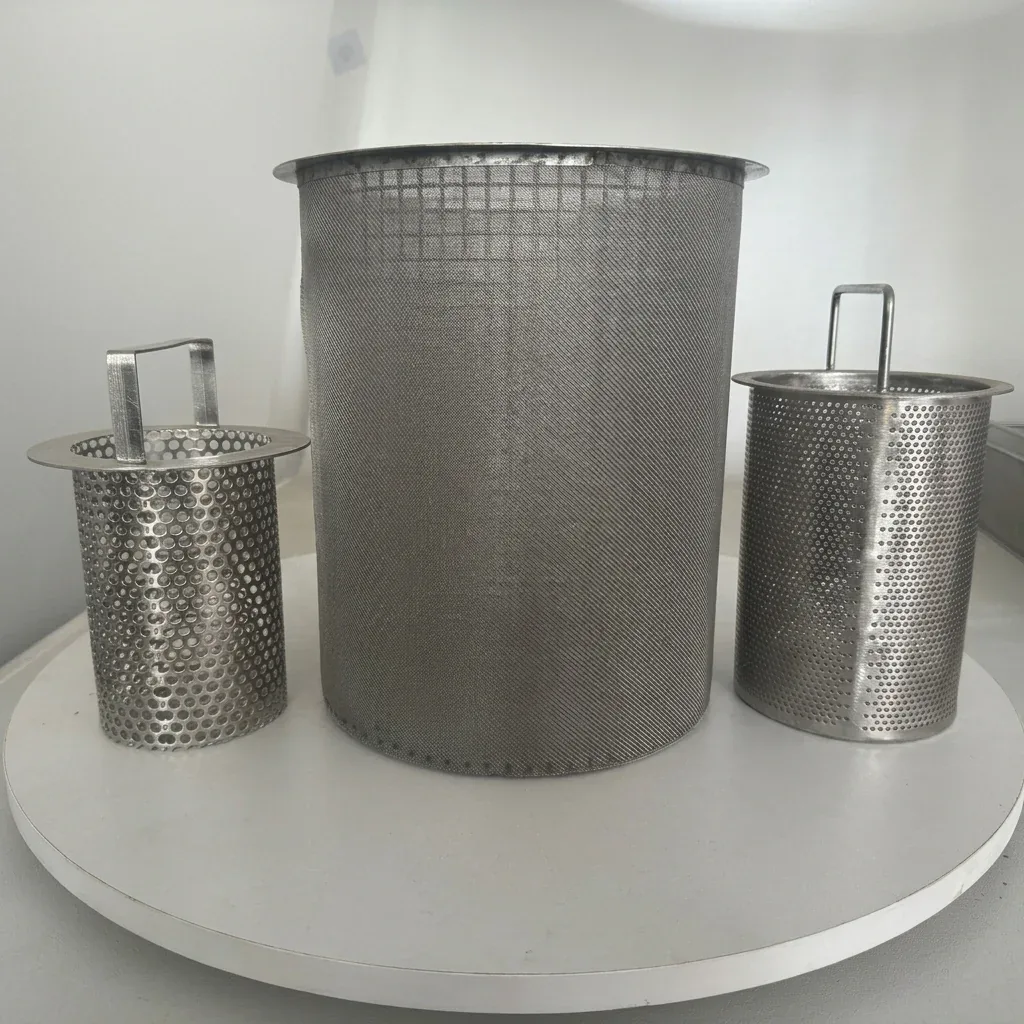
A rolled cylinder needs a longitudinal joint, an edge-to-edge or overlapping seam layout, and defined end reinforcement. Place the seam relative to supports and mounting features. The joined boundary closes the circumference while rings or collars locate the ends. Inspect seam continuity, loose wire ends and roundness after joining.
Make one drawing serve manufacture and replacement
List every layer from inlet to outlet with weave, opening, wire diameter and material. Dimension the outline, rim, seat, assembled thickness and seam from stated datums. Add support contact, flow direction and the removal path. Finished inspection then checks the same features used by the housing and the replacement component.