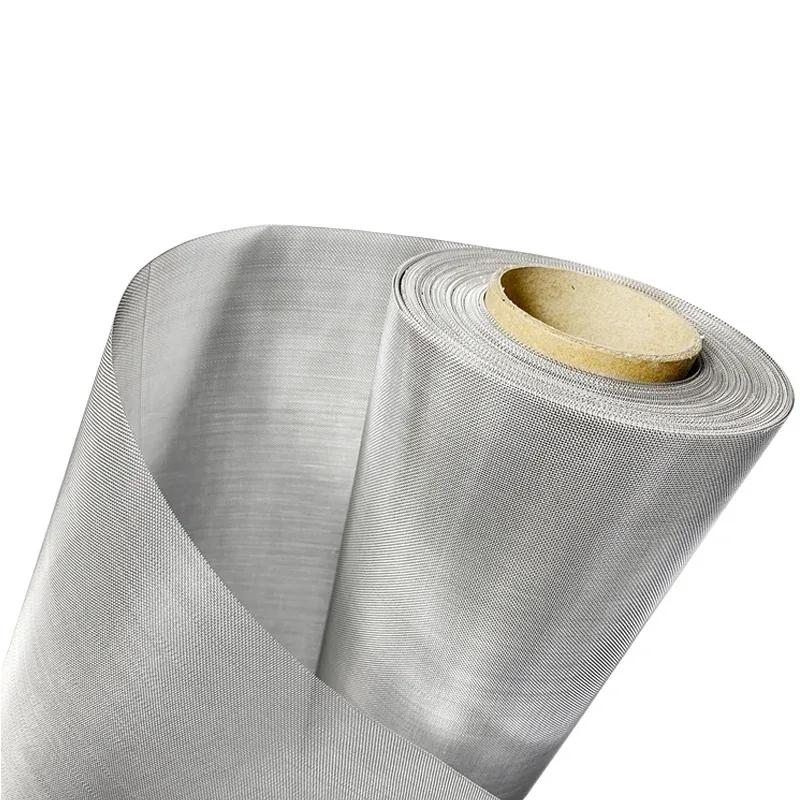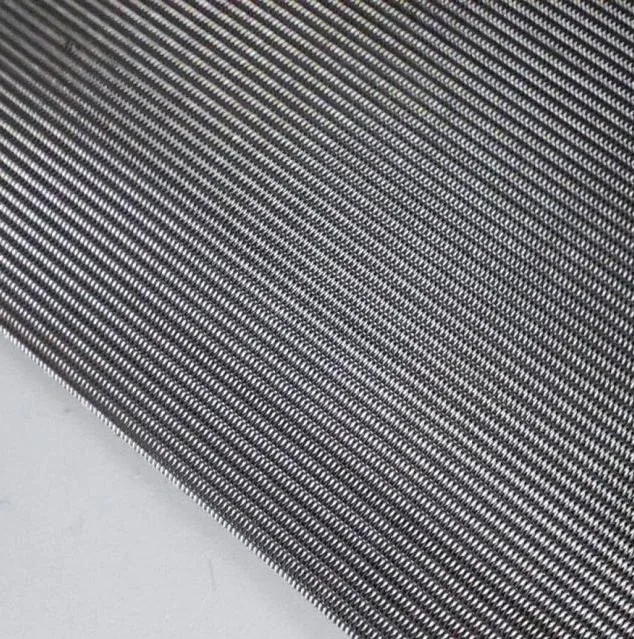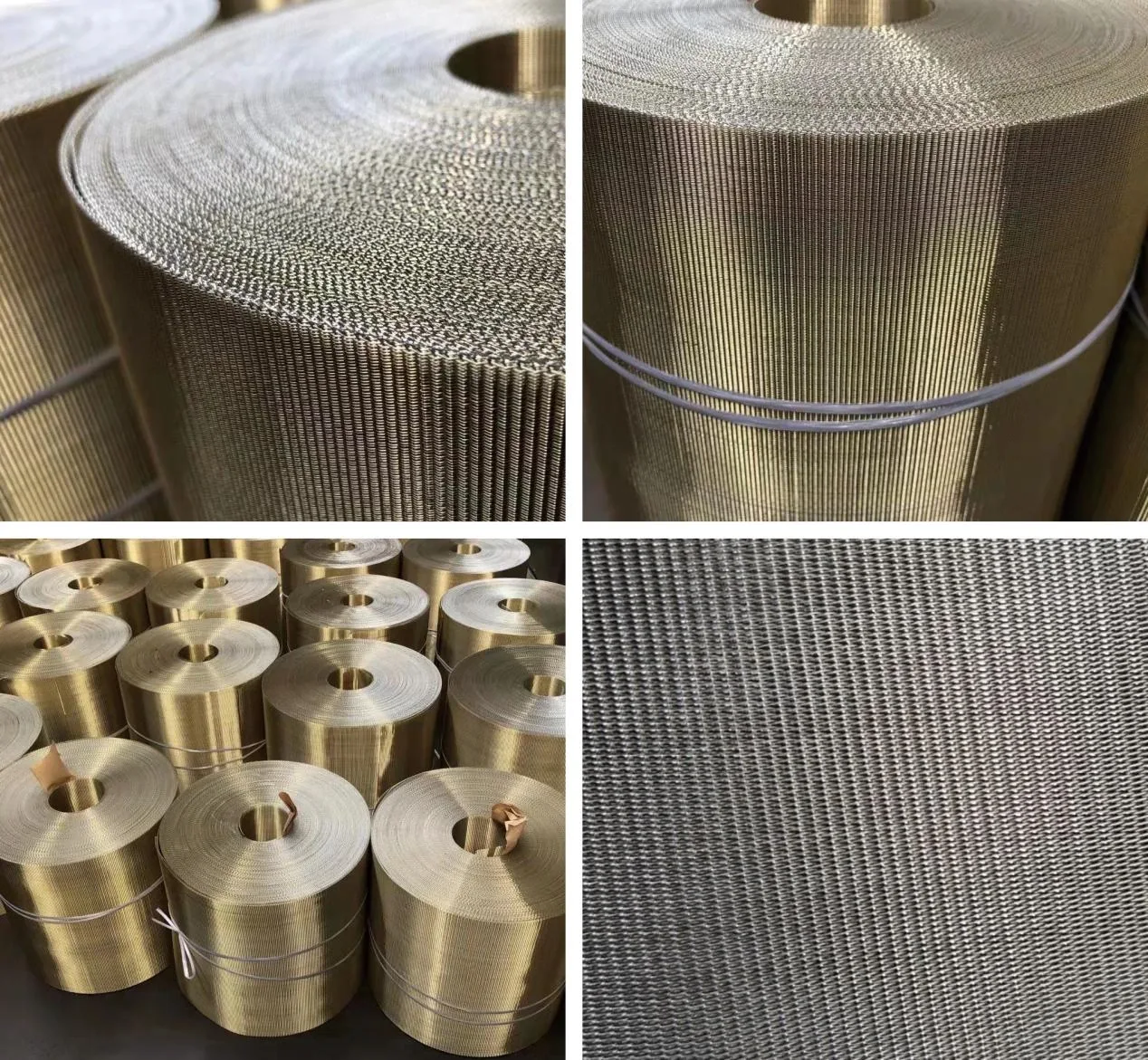
Contents and formats
Eight clearly separated data groups
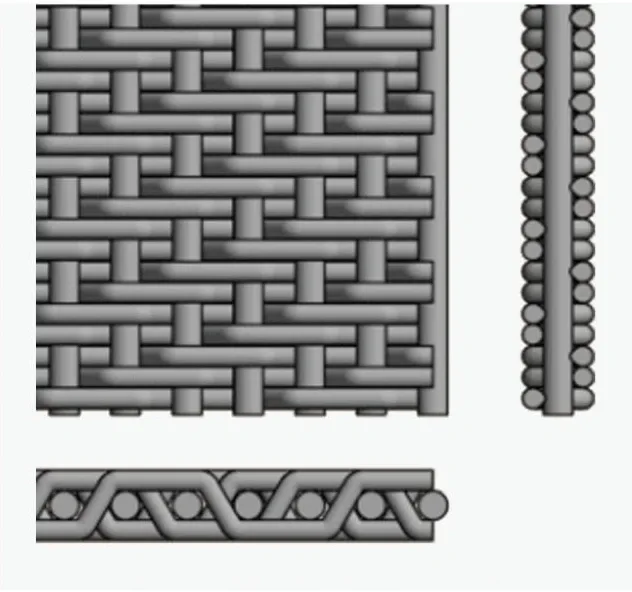
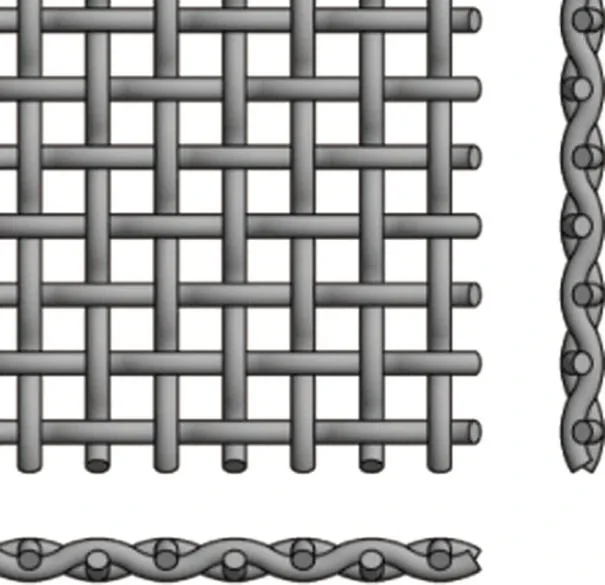
The package contains 27 plain square-weave rows, 43 plain Dutch rows, eight reverse Dutch belt rows, two fine twill square-weave rows, 40 twill Dutch rows, 27 Monel geometry rows, four N-series chemistry rows and one independent nickel supply-range row.
XLSX: separate construction sheets with filters. CSV: one field per record, linked by series and row ID. PDF: readable complete tables and definitions.
Field definitions and units
Read counts and wire diameters in warp × weft order. Square-mesh aperture is clear geometric space. Dutch pore size and effective filtration area describe dense-woven flow passages. Mass is kg/m² and thickness is mm. These quantities support different selection questions.
CSV uses UTF-8 with BOM, a comma delimiter and a decimal point. XLSX stores individual dimensions and measured values as numbers. Paired designations and ranges remain text. Empty cells mean no value is assigned for that construction.
Keep the series code and row ID with every selected specification. Values sharing a row describe the same construction; a material branch and a geometry series retain their own definitions.
Construction and test conditions
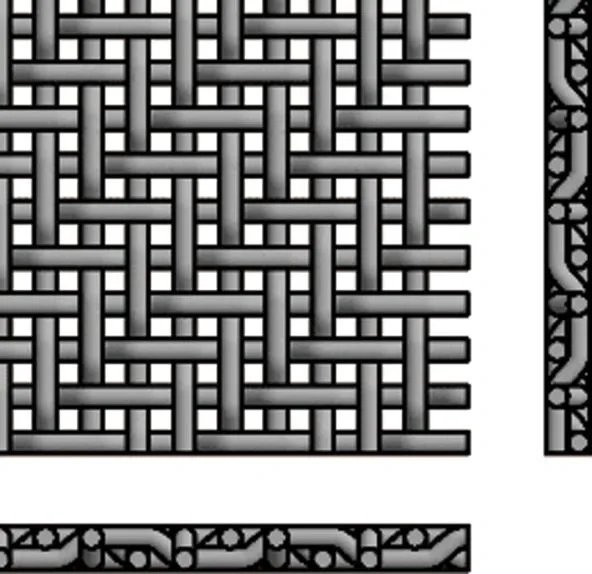
Plain and twill identify interlacing. Monel 400 and K-500 are separate alloy choices; specify the alloy and weave alongside the chosen geometry. Nickel N2, N4, N6 and N8 are chemistry designations, with Ni+Co as a minimum and the other listed constituents as maxima in mass %. The independent 1–300 mesh/in and 0.03–1 mm ranges define supply coverage. Fine twill entries are nominal catalogue dimensions with displayed rounding.
How to use the tables
1. Select the weave and material family. 2. Select one complete row using count, both wire diameters and the relevant aperture or pore-size field. 3. Define roll, sheet, slit strip or cut-part dimensions. 4. Add flow, fluid, temperature, support and sealing details for the assembled filter.
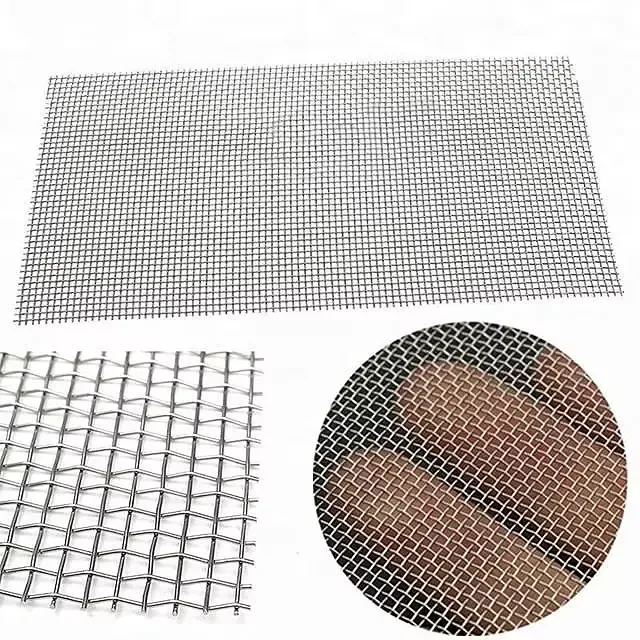
For square weave, pitch p = 25.4/N mm and aperture a = p − d. At 20 mesh and d = 0.25 mm, p = 1.27 mm and a = 1.02 mm. The formula explains square geometry; select Dutch woven cloth by its complete warp/weft construction and pore-size designation.
Questions when specifying a filter
Can the same mesh count have different openings?
Yes. Wire diameter changes the remaining clear opening. Select count, diameter and aperture together.
How do I use the nickel ranges?
Specify the required count and wire diameter together with the exact nickel grade and weave. The ranges are independent coverage limits. Chemistry rows define the material, while the finished cloth drawing defines the geometry.