Start with the wire path, then specify the filtering duty
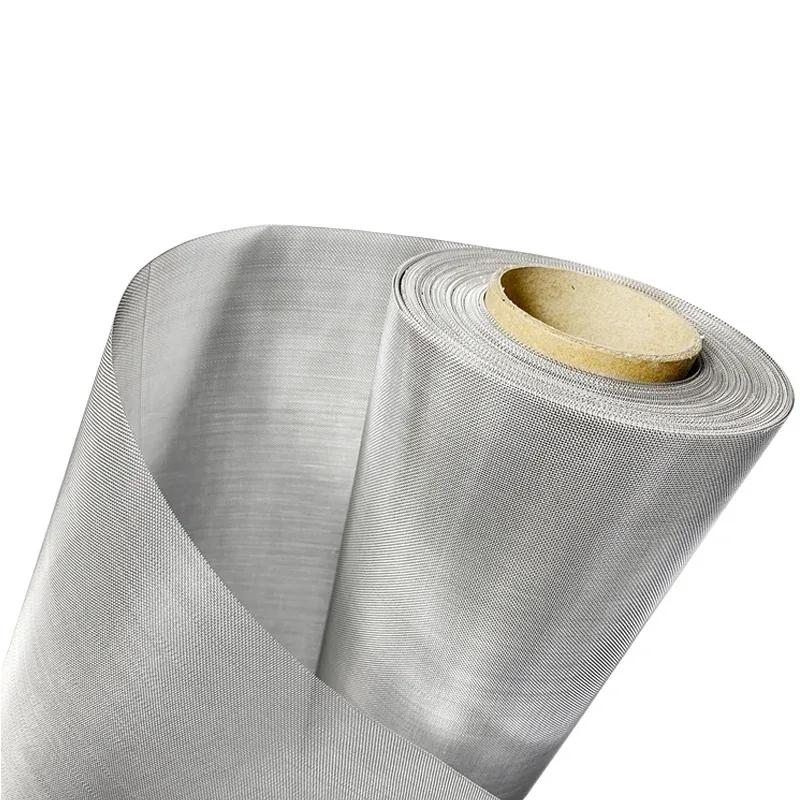
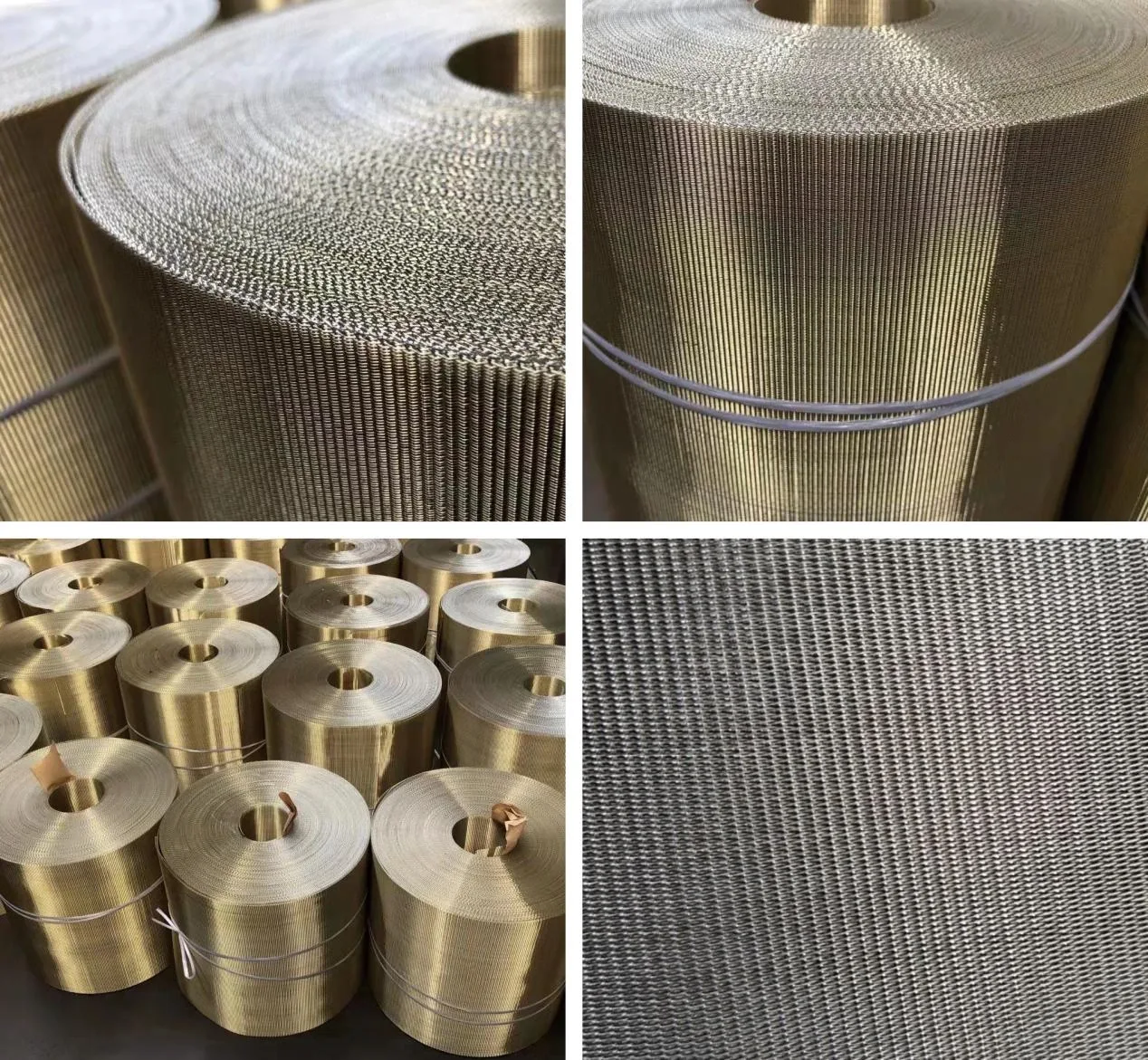
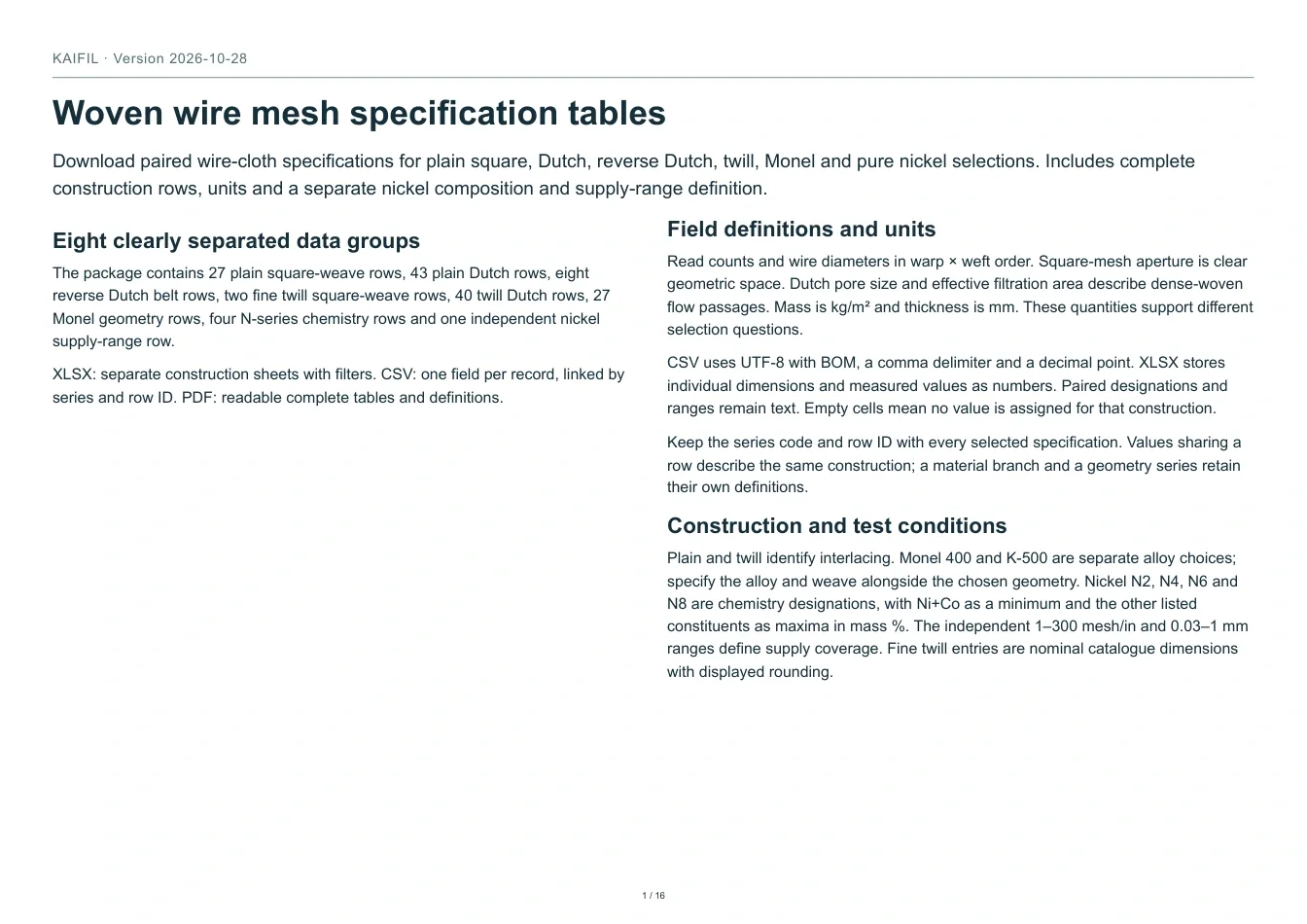
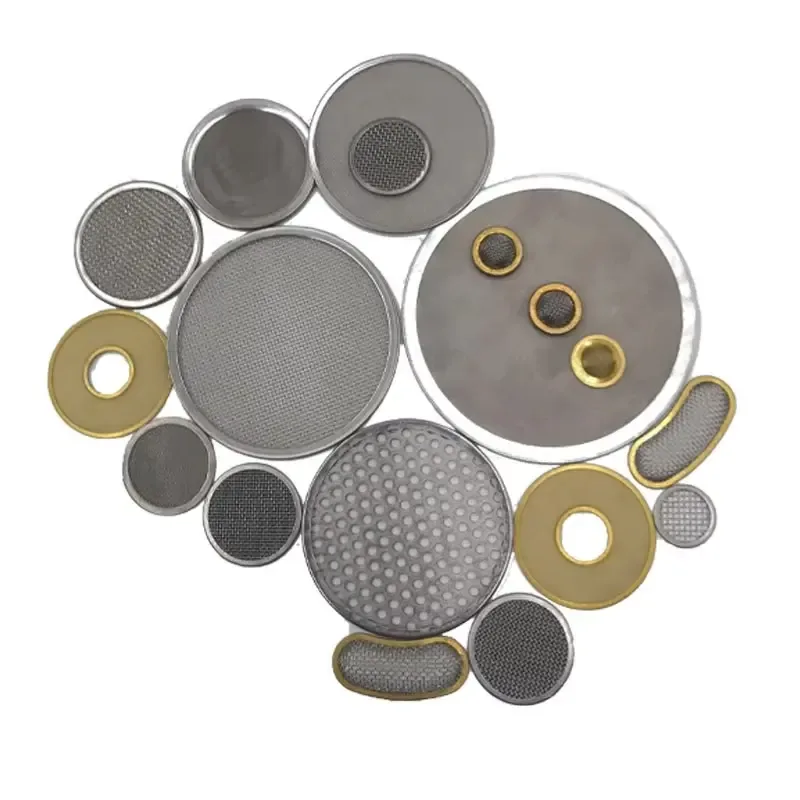
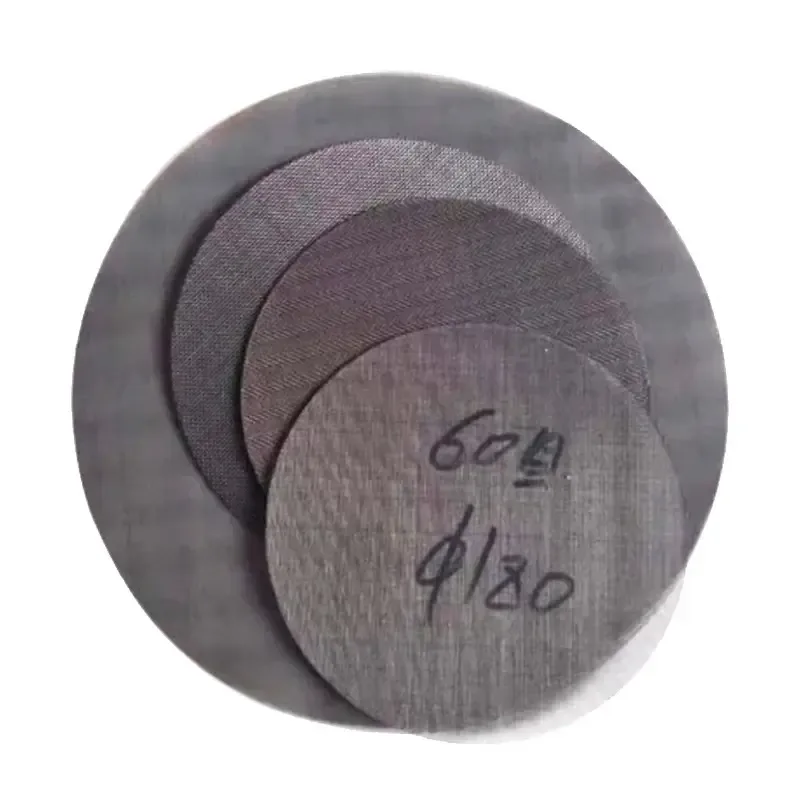
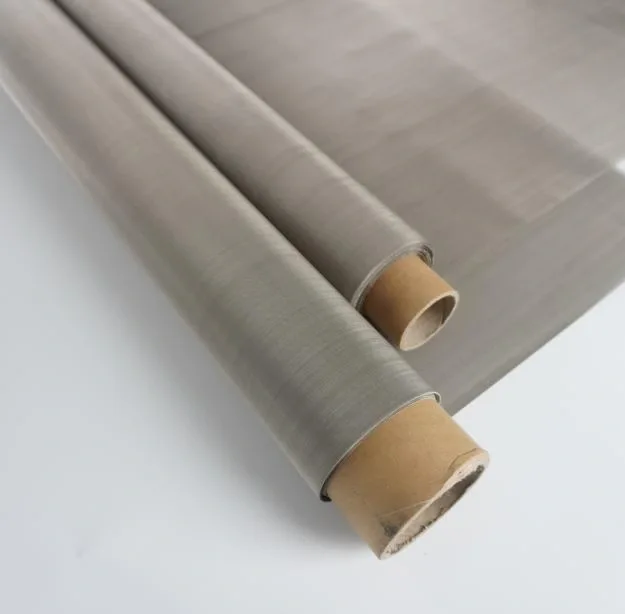
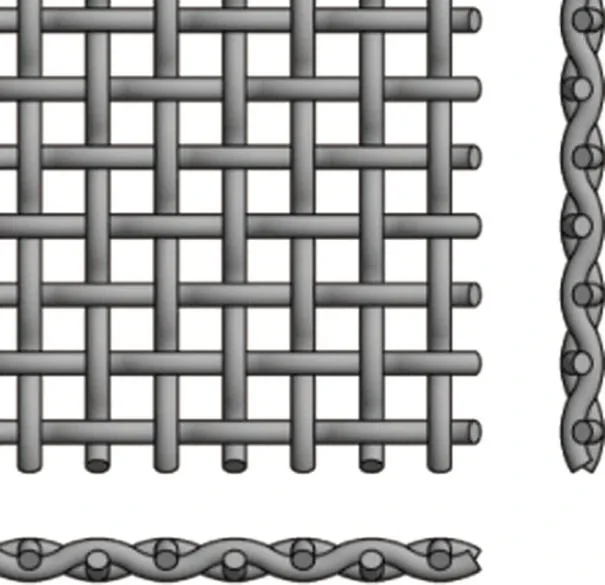
We manufacture woven mesh as rolls, cut blanks and finished filter components. The weave defines how warp and weft wires cross; wire diameters and counts complete the structure. A square opening and a Dutch-weave flow passage describe different geometries. Identify the structure before comparing a mesh count or a micron value.
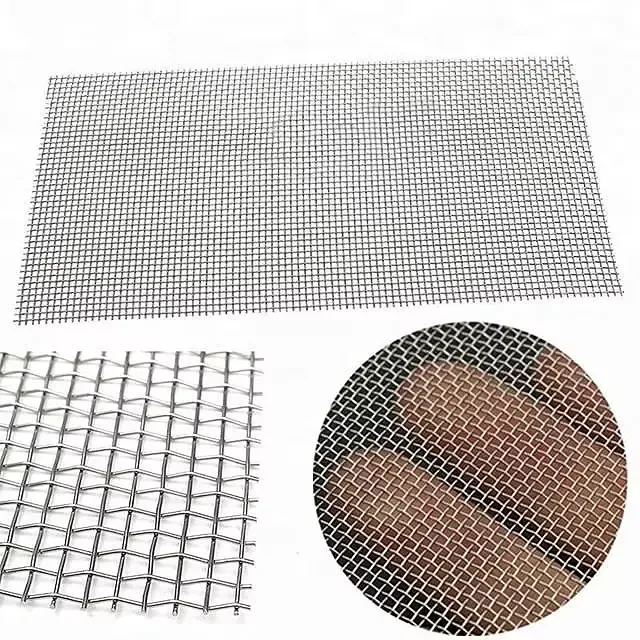
Square mesh: visible openings and different interlacing
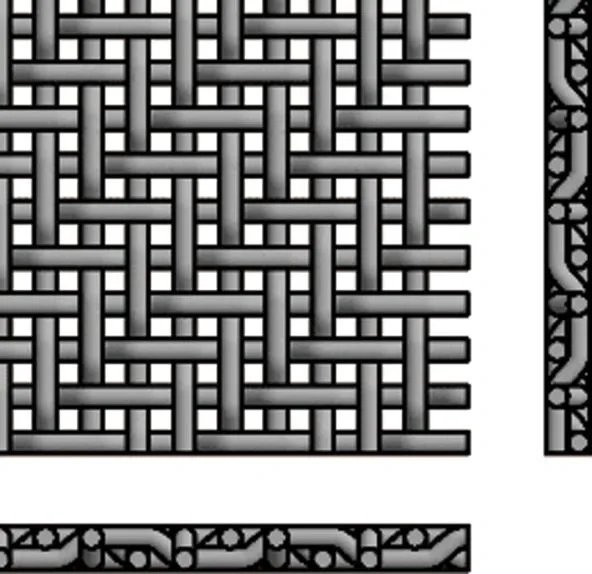
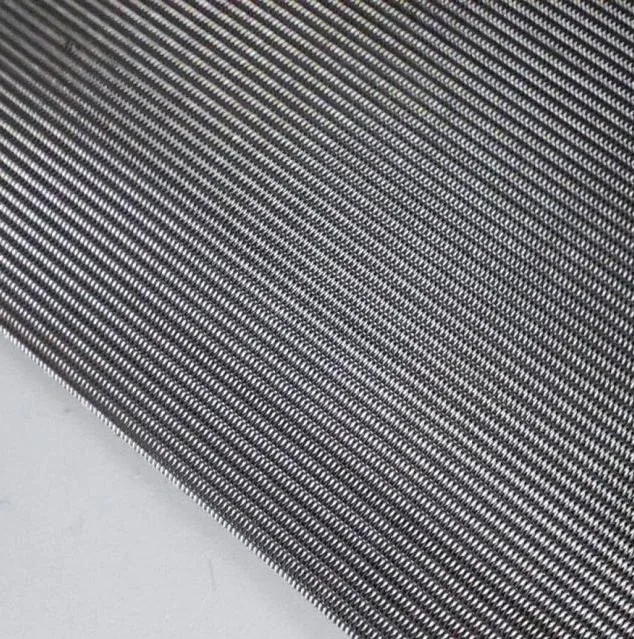
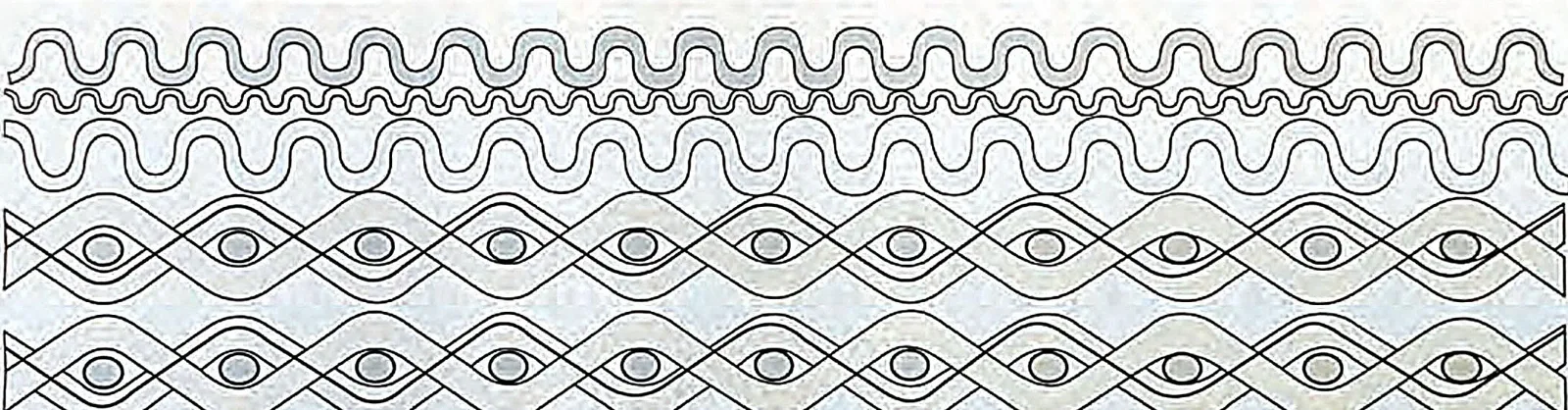
Plain square weave alternates over and under successive wires. A common twill construction passes over two and under two, with the crossing sequence shifted along adjacent wires. The diagonal pattern changes wire crimp and accommodates different wire-to-opening combinations. Both have identifiable openings between wires. Choose the complete mesh-and-wire pair, then specify the supporting screen or core required in the finished part.
Dutch weave: a three-dimensional flow passage
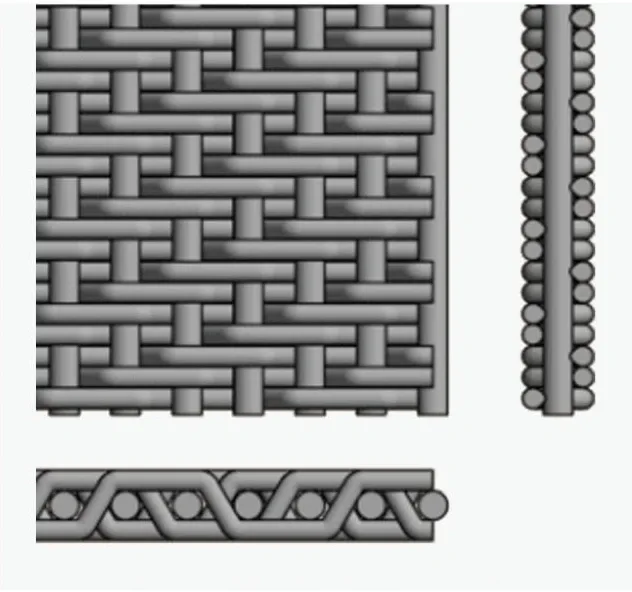
Plain Dutch weave combines different warp and weft diameters with a dense weave. Twill Dutch combines the dense arrangement with a twill interlacing path. Filtration occurs through the passages created by adjacent and overlapping wires, rather than through a regular square window. State the selected grade together with its retention or pore-test definition. The weave name alone does not determine particle retention.
Reverse Dutch weave and the direction of a belt
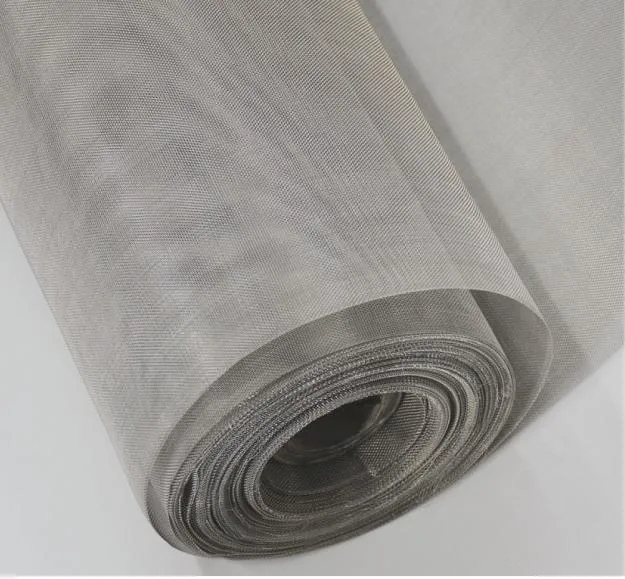
Reverse Dutch changes the relationship between the closely spaced fine wires and the coarser transverse wires. This produces a useful construction for narrow continuous filter belts and automatic screen changers. Mark the warp or travel direction, belt width, edge condition and any joining area on the drawing. Belt tension, guide contact and the support surface belong in the assembly specification.
Three construction decisions in practice
For a layered melt screen pack, define the control mesh separately from coarse support and drainage layers; record the upstream-to-downstream order. For a drawn cup, specify weave orientation, blank allowance and the filtering zone after forming. For a continuous belt, define travel direction, width and the supported working zone. These decisions turn a weave name into a component that can be made and inspected.
Keep optical and filtration inspections separate
Optical inspection of square mesh records opening, wire diameter and defects in the viewing plane. Dutch weave needs its assigned grade and an agreed pore or retention test. Inspection of a finished component adds seams, cut edges and bypass paths. An intact fine mesh can still be bypassed through an unsealed rim; inspect the filtration boundary as an assembly.
Specify a woven component in four steps
1. Name the construction
Select one of the five weave families and identify warp/weft orientation.
2. Keep the grade definition
For square mesh state the geometric opening; for Dutch weave state the grade and its test basis.
3. Draw the complete filtering boundary
Add support layers, seams, edges, forming zones and flow direction.
4. Set the inspection record
Include paired wire/count checks, visible defects, finished dimensions and the agreed pore or retention test.