Shijiazhuang, Hebei, Chinasales@kaifil.com
KAIFIL
Filter media rolls and sheets

Reverse Dutch weave filter belts

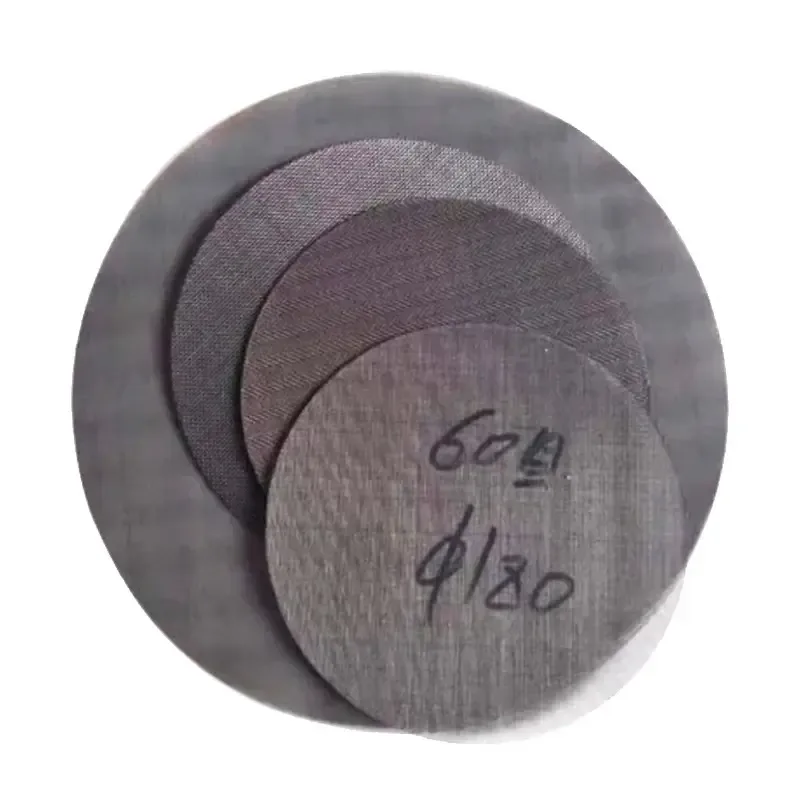
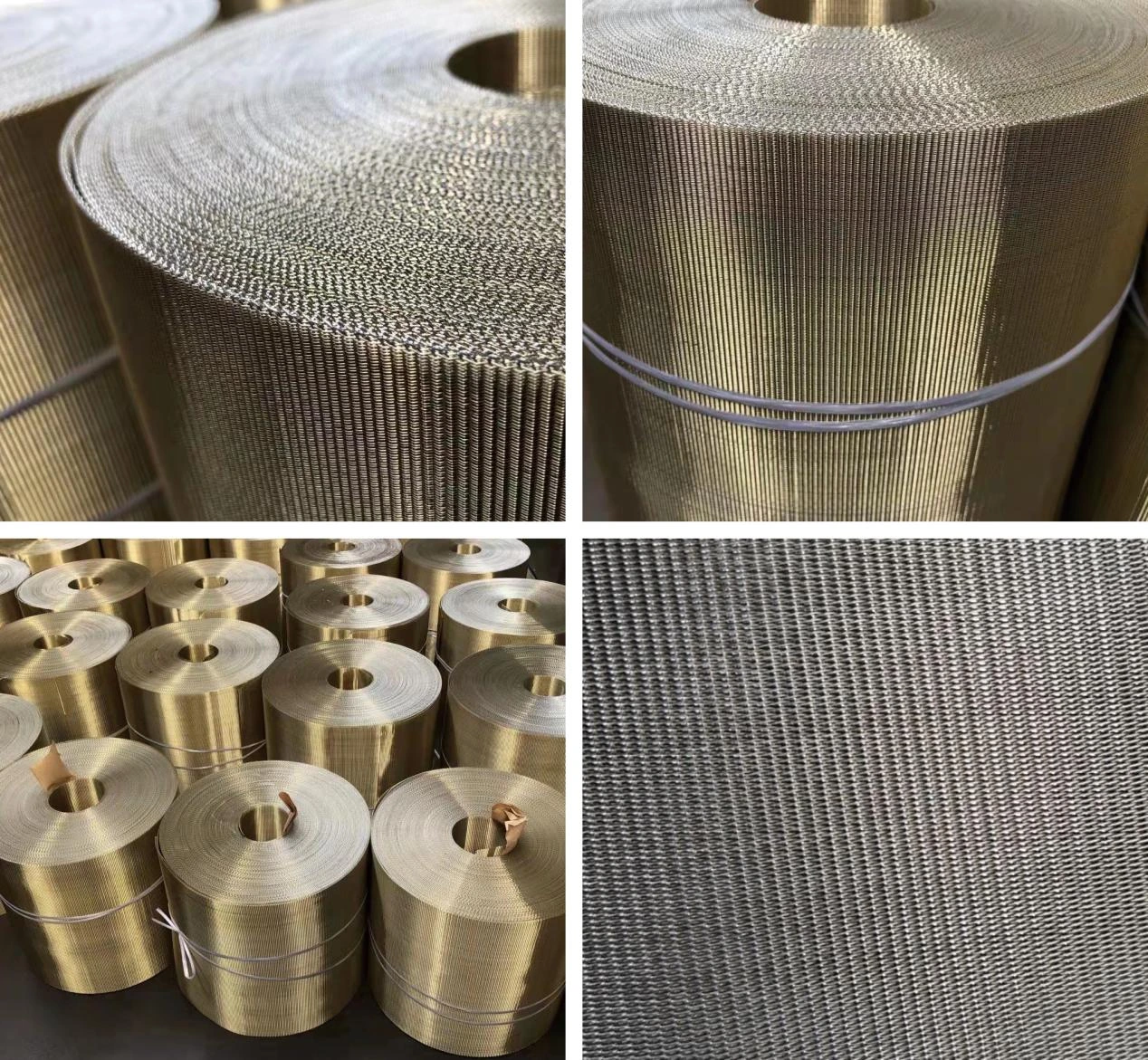
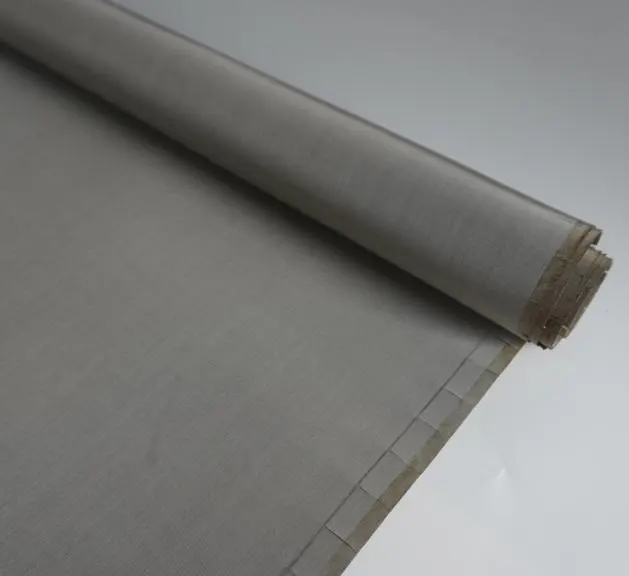
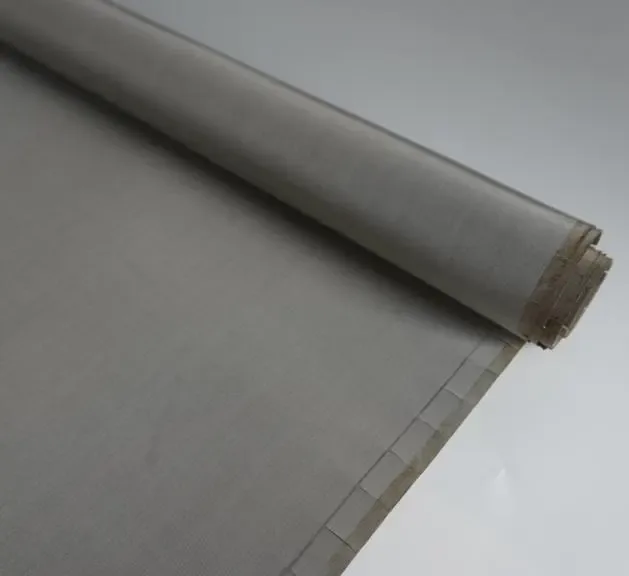
Kaifil supplies stainless steel reverse Dutch weave belts for continuous polymer filtration. Eight paired weave constructions cover 0.6–1.75 mm thickness, with belt widths matched to each weave.

Metal wire mesh
Weave
Reverse Dutch weave
Weave constructions
54×15 / 72×15 / 132×17 / 160×18 / 200×40 / 260×40 / 300×40 / 350×40
Belt thickness
0.6–1.75 mm
Stainless steel grades
304 / 316L

Share a drawing, reference sample or application requirements to discuss the configuration.

Specifications

Reverse Dutch weave filter belts
ParameterSpecificationNotes
WeaveReverse Dutch weave—
Weave constructions54×15 / 72×15 / 132×17 / 160×18 / 200×40 / 260×40 / 300×40 / 350×40—
Belt thickness0.6–1.75 mmThickness is paired with the weave in the size table.
Stainless steel grades304 / 316L—
Belt width50–1500 mmWidth ranges follow the selected weave construction.
Supply formatSlit strip / roll / prepared filter belt—
InstallationContinuous and automatic screen changers—

Materials: 304 / 316L stainless steel

Product details

A directional woven belt for continuous filtration

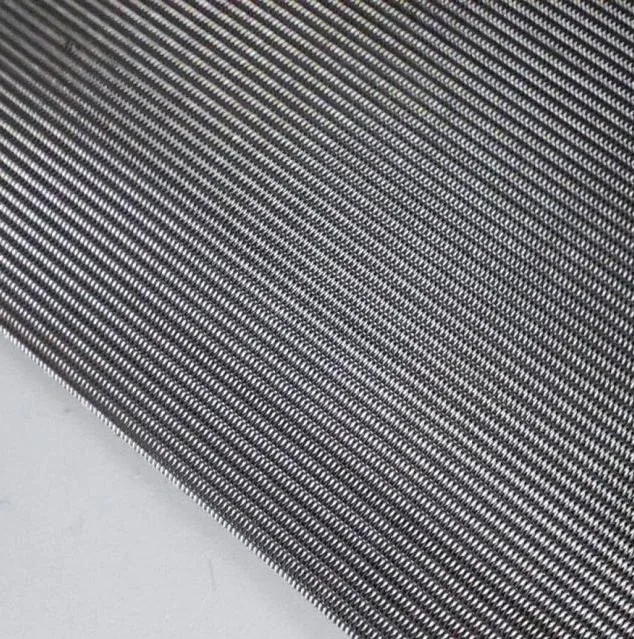
Reverse Dutch weave places a dense array of finer warp wires against fewer, heavier weft wires. The longitudinal wire system supports belt travel through a screen changer, while the woven passages provide the filtering surface. The belt combines the specified weave with a controlled width and clean edges for movement through the equipment.
Eight constructions with paired dimensions

The specification table connects each warp×weft count to both wire diameters, belt thickness and width range. The 54×15 construction uses 0.45×0.60 mm wires and a 1.75 mm thickness. At the finer end of the series, 350×40 uses 0.13×0.27 mm wires and a 0.6 mm thickness. Select the whole row to preserve the geometry of the belt.

Reverse Dutch weave filter belts — Product view

Match the screen-changer feed path

Belt width, thickness, travel direction and edge treatment determine how the strip passes through guides, sealing blocks and the feed mechanism. A replacement drawing should show the installed width, running clearance, roll length, winding direction and any joint or clamp. The filter support and breaker plate establish the load path behind the moving cloth.

Polymer, throughput and operating conditions

Provide the polymer type, melt temperature, throughput, contamination and pressure difference across the belt. These inputs connect the weave and supported area to the filtration duty. Inspection focuses on count, wire pair, width, thickness, edge quality and winding condition so the delivered belt follows the machine path consistently.

Belt preparation and screen-changer interfaces

The warp direction follows the length of the belt. Mark the leading end and travel direction on the roll drawing, together with the winding face and roll core. The slit edges pass through the machine guides; a straight, clean edge and consistent width keep the strip aligned. The supported filtration window, sealing margins and feed contact surfaces are dimensioned as separate zones.

Material and service boundary

304 and 316L describe the moving woven belt. The breaker plate, guides and sealing components belong to the screen-changer assembly. Melt type, temperature, flow and differential pressure define the service of the installed belt. This specification separates cloth geometry from machine-support dimensions and operating conditions.

Polymer processing routes

Reverse Dutch belts feed automatic filtration on plastic filament extrusion, stretch-film and coating lines. In recycling, the contamination profile and rate of loading determine the replacement demand. The belt drawing connects that duty to the active window and feed arrangement.

Reverse Dutch belt specification table

Reverse Dutch belt specification table

Choose the complete weave and wire pair, then specify belt width within the corresponding range.

Warp × weft (per inch)Wire diameters (mm)Thickness (mm)Belt width (mm)
54×150.45×0.601.7550–800
72×150.45×0.551.750–800
132×170.23×0.451.250–1000
160×180.28×0.451.2750–1000
200×400.17×0.270.750–1500
260×400.15×0.270.6550–1500
300×400.15×0.270.6550–1500
350×400.13×0.270.650–1500
Belt preparation and screen-changer interfaces

Belt preparation and screen-changer interfaces

InterfaceDefine on the drawingPurpose
Feed and windingLeading end, travel arrow, winding face, roll length and core dimensionsPlaces the belt into the feed path in the intended orientation.
Edges and guidesFinished strip width, parallel edges, guide clearance and edge treatmentMaintains lateral tracking through the guide and sealing block.
Filtration window and backingActive area, support openings, sealing margin and belt thicknessCombines the woven filtering face with the machine support and sealing geometry.
Specify the belt as a moving strip

Specify the belt as a moving strip

A continuous screen-changer belt is defined by its woven construction and its path through the changer. Specify the finished strip width, edge condition, roll length and winding direction together with the warp and weft wire schedule. The belt travel direction and filtration flow direction are separate arrows on the installation drawing.

The filtering strip must seat against the changer's support and sealing lands. Keep the strip edges and any joint outside the specified working region. For repeat orders, retain the weave identification, both wire diameters, roll orientation and batch record; a nominal mesh description alone does not reproduce the complete moving belt.

Belt geometry and changer interface

Belt geometry and changer interface

Feature or constructionRole in the assemblyDrawing or acceptance check
Woven stripProvides the filtering structureWeave and wire schedule in both directions
Finished width and edgesFit the guide and sealing regionWidth tolerance, cut edge and straightness
Belt travelDefines the strip pathFeed direction, guides and take-up orientation
Support and sealing landsCarry and seal the active stripContact face, exposed window and edge overlap
Roll deliveryPreserves handling orientationLength, winding direction, batch and edge protection
Ordering and production

Ordering and production

Supply itemOrder basis
Production lead time2–3 weeks after order and drawing confirmation.
Trial ordersSmall trial quantities for fit and process evaluation.
Regular material ordersQuantity follows the selected roll, sheet or cut-length format; US$3,000 regular order value.
Quotation basisAlloy, media construction, wire or stock thickness, delivery format and quantity.

Selection guide

Include these details when discussing your requirements.

Identify the machine fit
Record screen-changer model, belt width, thickness and feed direction.
Select the weave row
Keep count, wire diameters, thickness and belt width together.
Specify roll preparation
Set strip length, winding direction, edge treatment and joint detail.
Describe the melt
Provide polymer, temperature, throughput, solids and pressure difference.

Applications

Continuous extrusion filtration

Moving belts renew the filtering surface in continuous screen-changing equipment.

Film and sheet extrusion

Paired weave and support dimensions integrate the belt into the melt-flow path.

Polymer recycling

Belt construction and active area are selected for the contaminant load of recycled melt.

Production details and documented projects

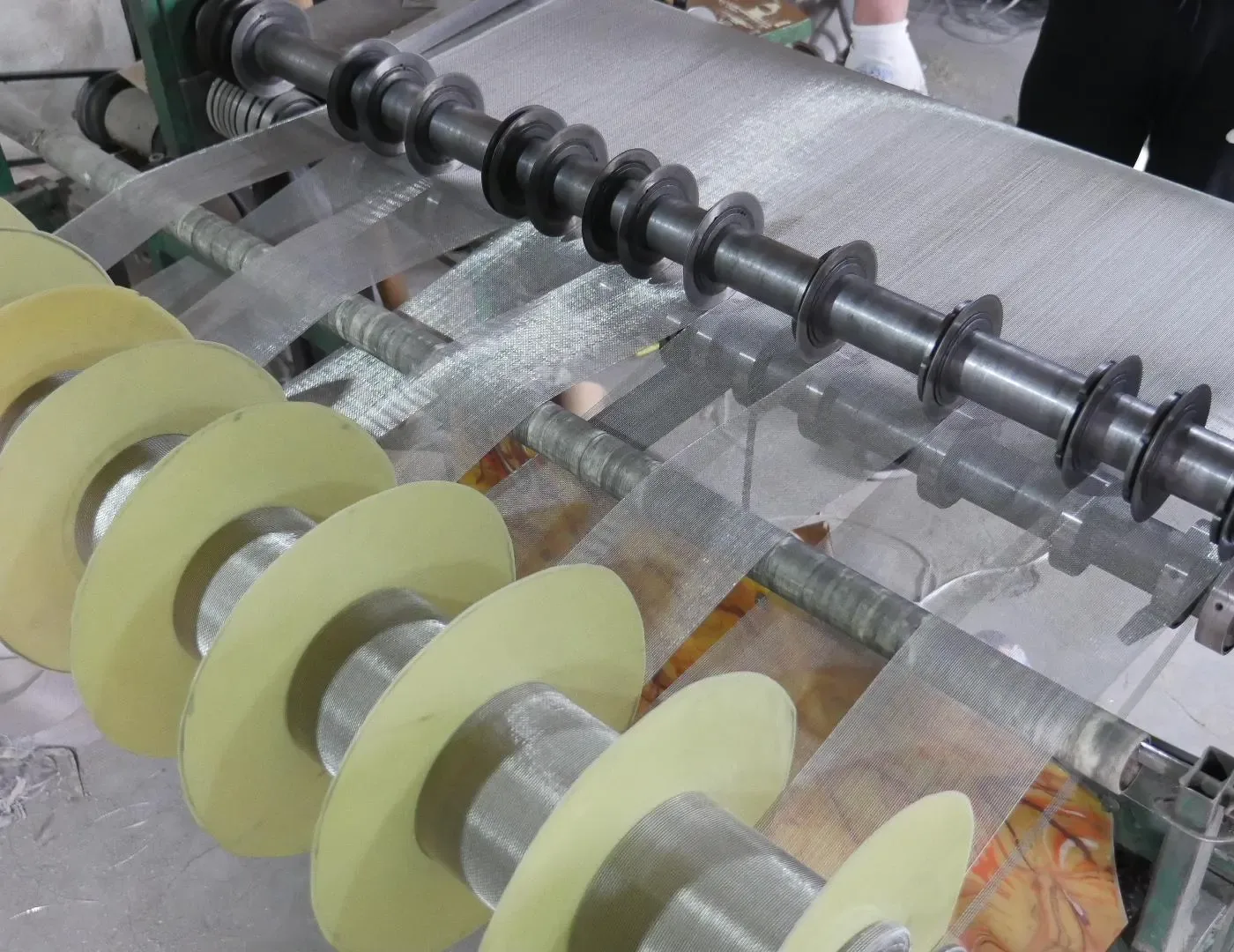
Roll slitting
Roll slitting

Roll slitting

Reverse Dutch weave places a dense array of finer warp wires against fewer, heavier weft wires. The longitudinal wire system supports belt travel through a screen changer, while the woven passages provide the filtering surface. The belt combines the specified weave with a controlled width and clean edges for movement through the equipment.
Frequently asked questions

How does reverse Dutch weave differ from plain Dutch weave?

Reverse Dutch weave uses a denser array of finer warp wires and fewer heavier weft wires. Plain Dutch weave uses coarser warp wires and densely packed finer weft wires.

Which wire diameter belongs to which direction?

The first diameter is the warp wire; the second is the weft wire. The mesh counts use the same order.

What determines belt width?

The screen-changer guides, sealing surfaces and feed mechanism determine installed width. The table shows the width range of each weave.

What should a replacement enquiry include?

Send the machine drawing or sample dimensions, full weave designation, wire pair, thickness, belt width, roll length and winding direction.

Technical enquiry

Define the dimensions, media, joints and inspection records before confirming the order.

Technical details (optional)
Selection inputs

WhatsApp

Search