Shijiazhuang, Hebei, Chinasales@kaifil.com
KAIFIL
Metal filter cartridges

Sintered Metal Fiber Felt Filter Cartridges

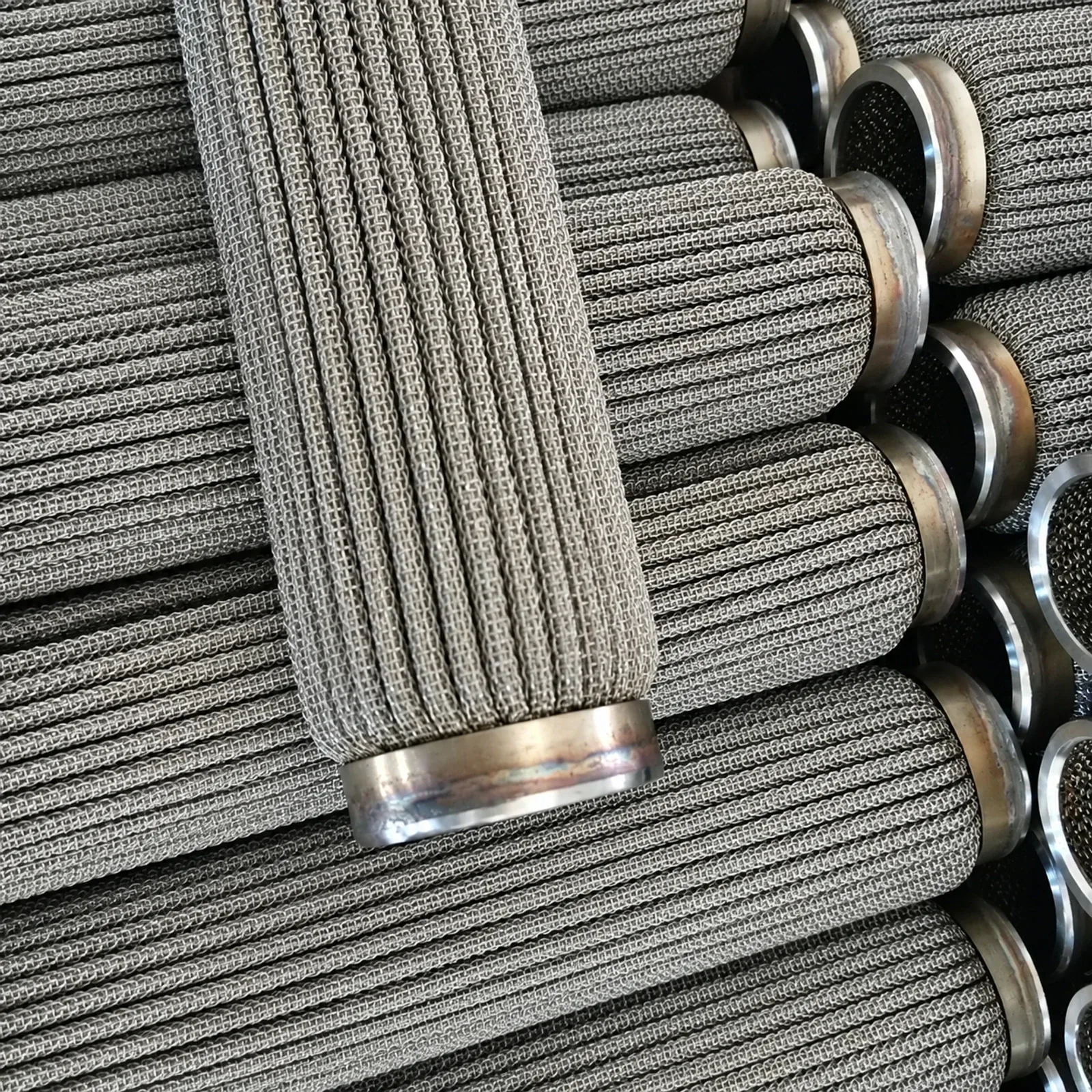
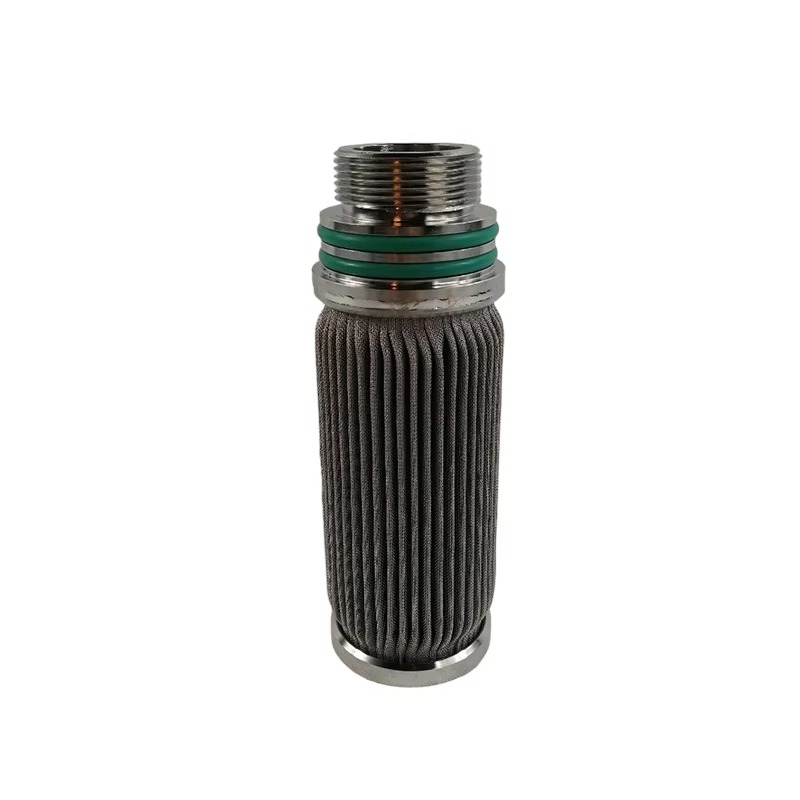
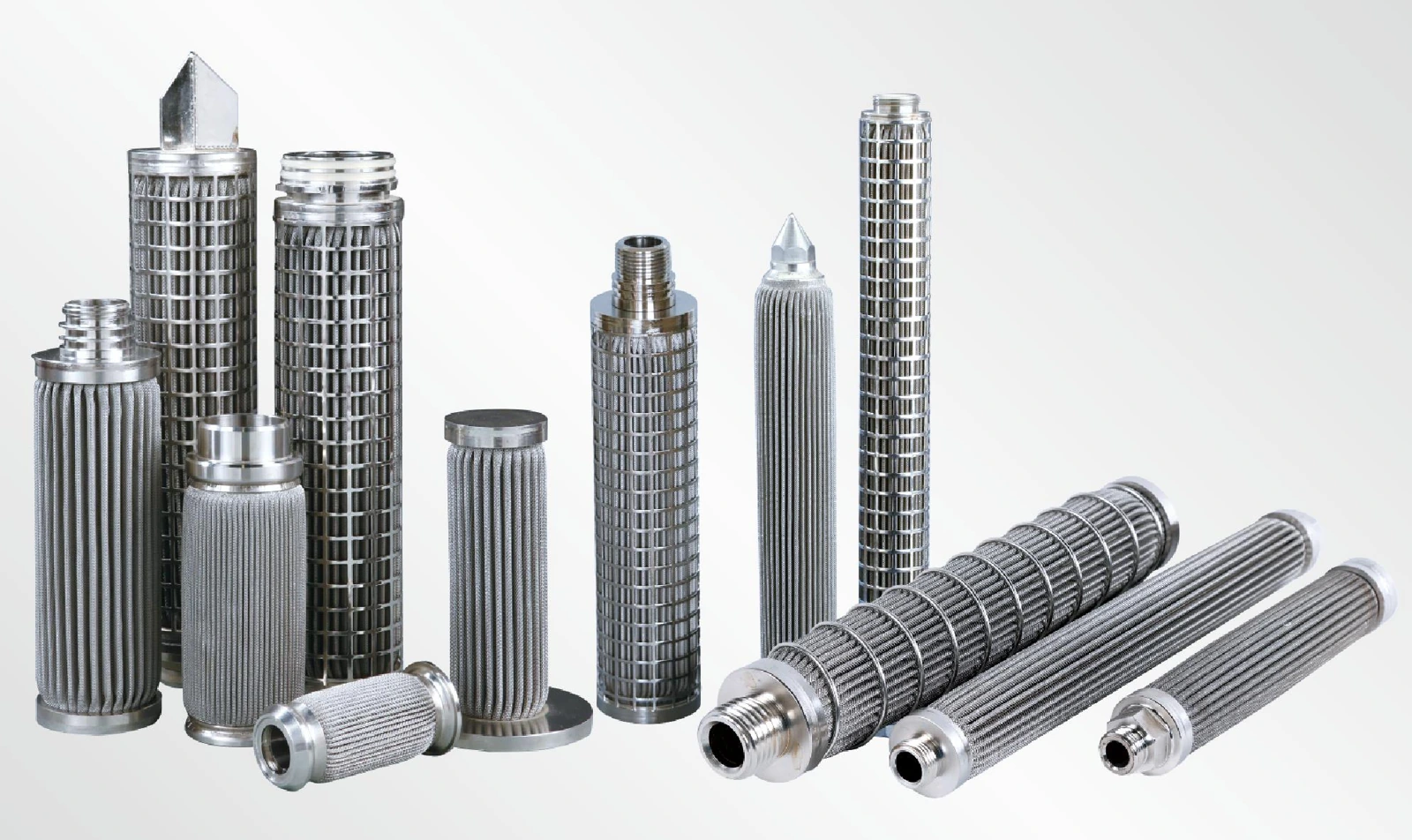
Kaifil manufactures pleated and cylindrical sintered metal-fiber felt cartridges. The bonded fiber network provides depth filtration, while pleated versions increase filtration area within a compact housing.

Sintered metal filters and media
Construction
Pleated or cylindrical felt construction
Felt sheet thickness
0.27–0.70 mm
Filtration grades
3 / 5 / 10 / 15 / 20 / 30 / 40 / 60 µm
End connections
222 / 226 / DOE / 1 in NPT

Share a drawing, reference sample or application requirements to discuss the configuration.

Product details

Depth media and pleat construction

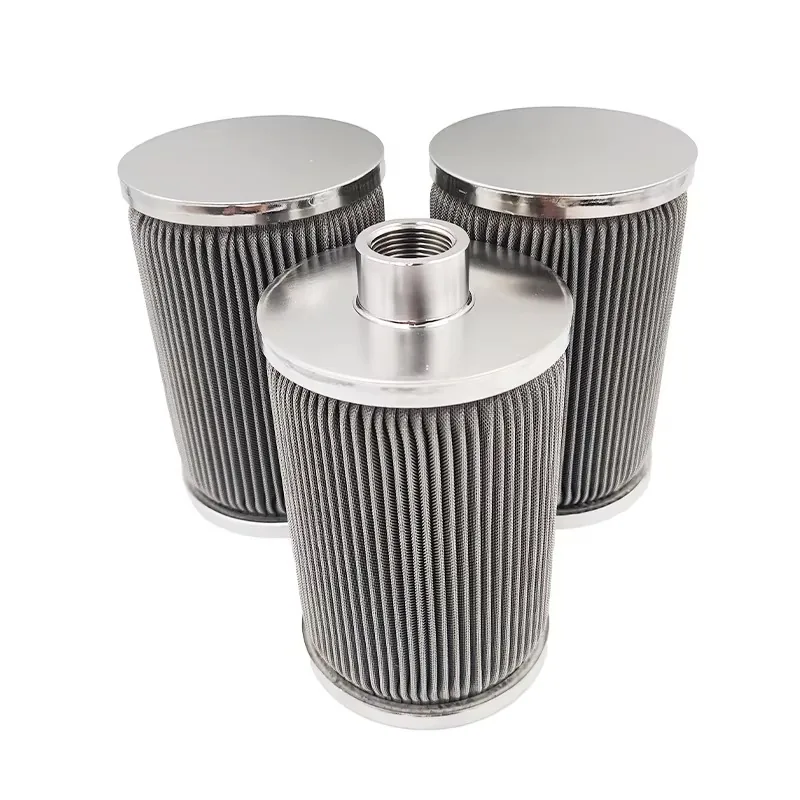
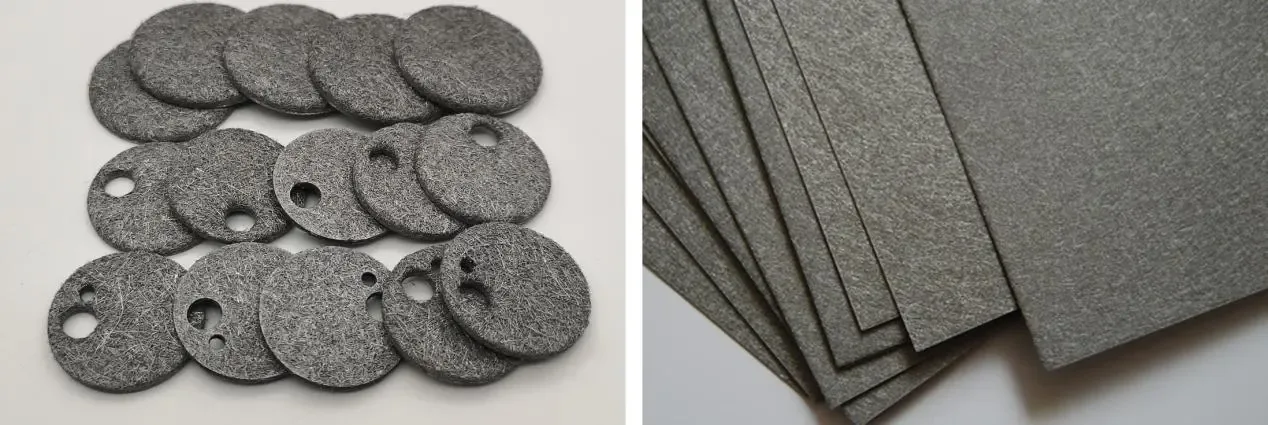
Fine metal fibers are sintered into a porous, bonded network. A cylindrical felt wall suits compact, easy-to-clean elements; pleating packs more active area into the same housing. Pleat spacing preserves flow channels as solids accumulate, while inner cores and outer guards support the medium during filtration and reverse cleaning.
Choosing a filtration grade

Available grades are 3, 5, 10, 15, 20, 30, 40 and 60 µm. Choose the required particle retention together with permeability, fluid viscosity and available filtration area. A finer grade improves fine-particle capture but generally raises resistance; pleated area and a suitable prefilter help manage solids loading.

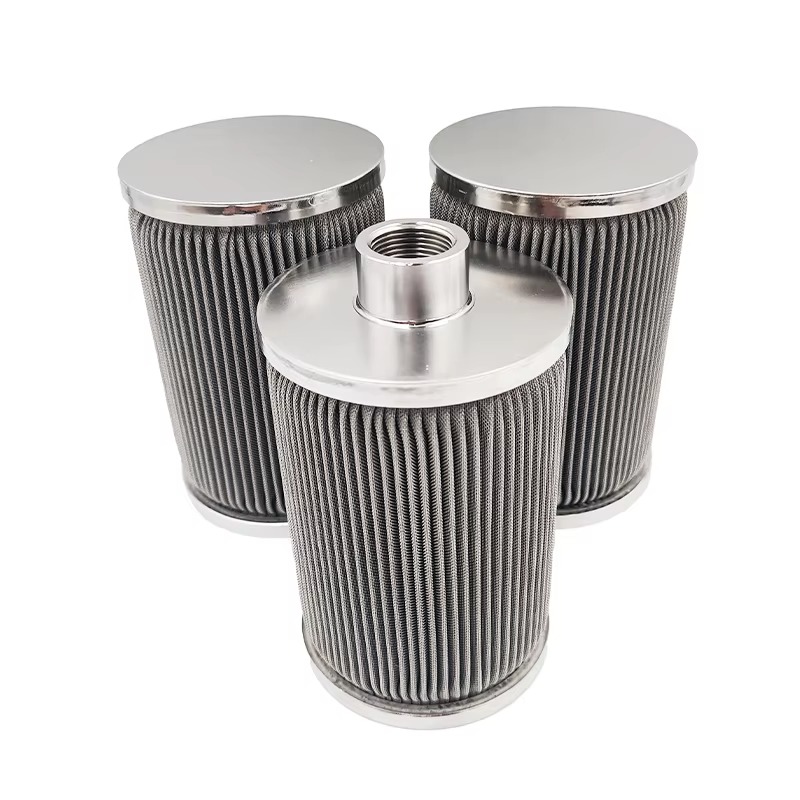
Three pleated metal filter cartridges with closed and threaded end fittings

Housing fit and end connections

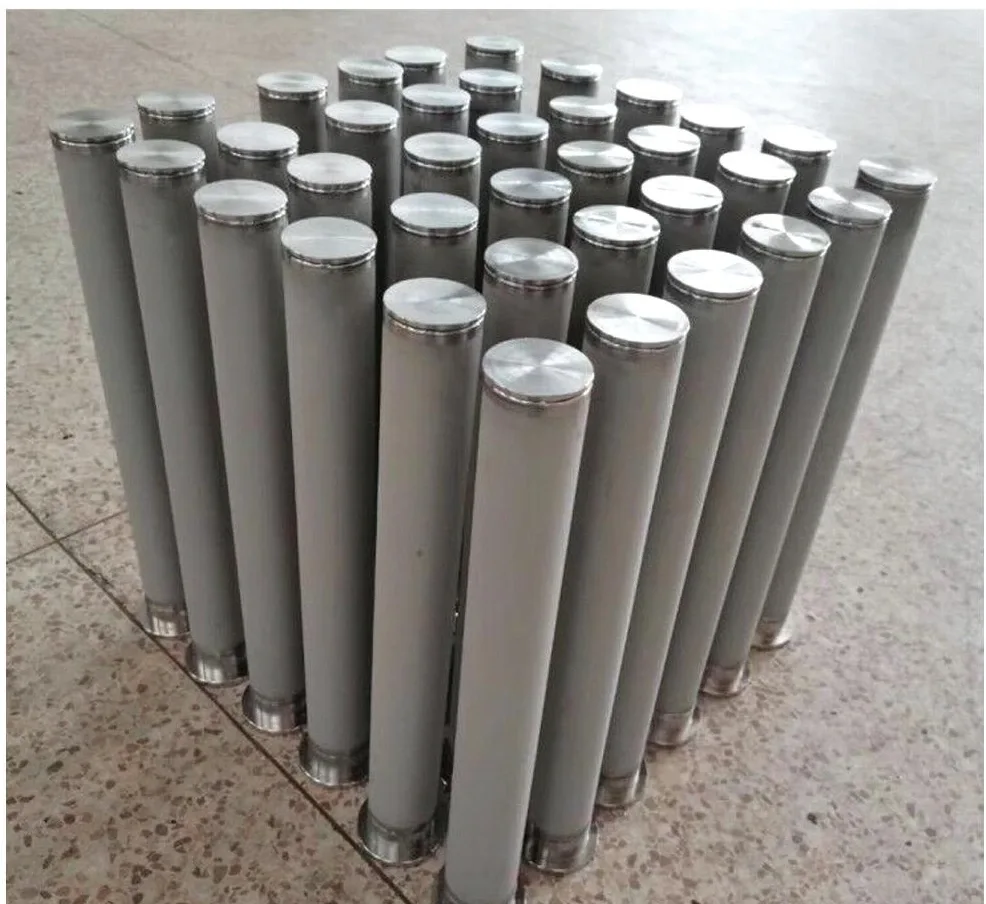
Outside diameters of 30, 40, 50, 65, 80, 100, 120 and 150 mm and lengths of 100–600 mm cover a range of housings, with custom sizes also available. DOE, 222, 226 and 1 in NPT ends are combined with the required sealing diameter, insertion length and removal clearance.

Cleaning and release checks

Use the deposit chemistry to select backwashing, ultrasonic or chemical cleaning. Record clean pressure drop at a stated flow and temperature, then use the same conditions to evaluate recovery after cleaning. Inspection covers pleat spacing, core support, welds, end seals and specified permeability or integrity checks.

Integration with the filter assembly

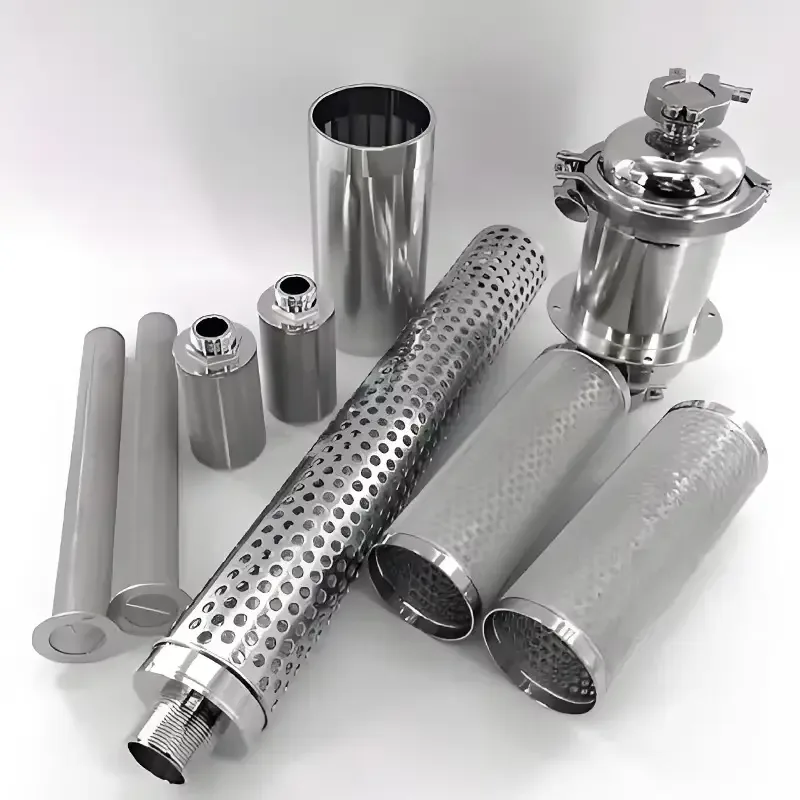
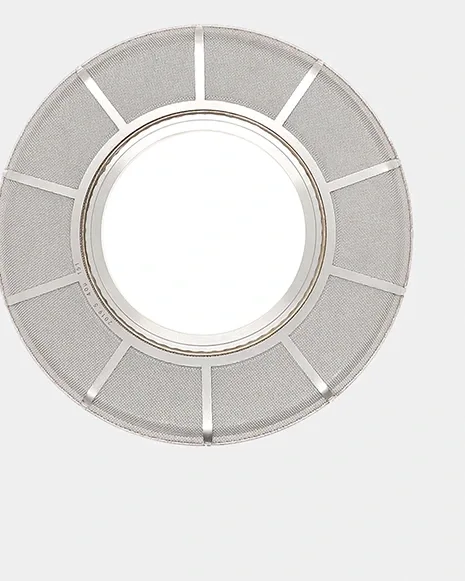
The felt cartridge uses a sintered metal-fiber network as its depth-filtering layer. Protective wire mesh faces the felt where handling and pleat contact require a guard; the perforated core supports the complete filtering wall. End caps join the media pack to the housing seal. Material records distinguish the felt alloy from guard mesh, core, end fittings and sealing compound. Flat-sheet permeability belongs to the stated sheet thickness and test conditions; the finished-cartridge pressure drop is recorded with its active area, fluid, flow and temperature.

Assembly interface map

Assembly interface map

Component / interfaceDefined function and inspection
Sintered fiber feltDepth-filtering layer; grade and felt thickness
Protective wire meshProtects the felt surface and pleat contacts
Perforated coreSupports the wall in the defined flow direction
End-cap jointCloses the path around the media pack
Cartridge test recordActive area, fluid, flow, temperature and pressure drop
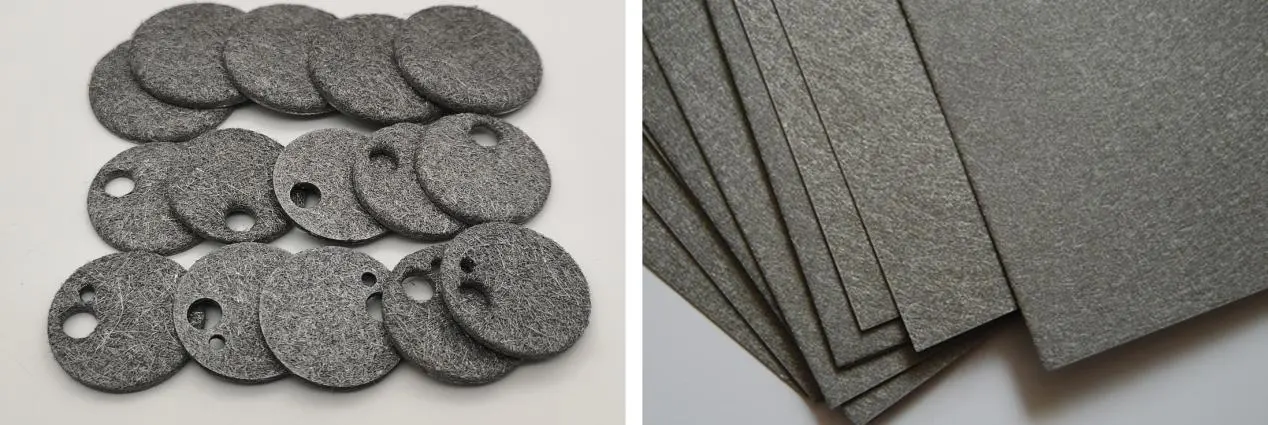
Sintered metal-fiber felt sheet: matched grade and structure

Sintered metal-fiber felt sheet: matched grade and structure

Media grade, µmSheet thickness, mmAreal mass, g/m²Porosity, %
30.3597565
50.3460078
70.2760072
100.3260077
150.3760080
200.4975081
250.61105079
300.63105079
400.66120077
600.7075087
Ordering and production

Ordering and production

Supply itemOrder basis
Production lead time2–3 weeks after order and drawing confirmation.
Trial ordersSmall trial quantities for fit and process evaluation.
Regular production orders50 pieces or US$3,000 per order.
Quotation basisMaterial, finished dimensions, filter construction, connections and quantity.

Specifications

Sintered Metal Fiber Felt Filter Cartridges
ParameterSpecificationNotes
ConstructionPleated or cylindrical felt construction—
Felt sheet thickness0.27–0.70 mmMatched raw-media series; the cartridge wall also includes its specified guards, core and joints.
Filtration grades3 / 5 / 10 / 15 / 20 / 30 / 40 / 60 µm—
End connections222 / 226 / DOE / 1 in NPT—
Installed dimensionsOD / ID / pleat heightOD, ID, active length, pleat height and pleat count follow the available housing clearance and required area.
Outside diameter30 / 40 / 50 / 65 / 80 / 100 / 120 / 150 mm—
Length100 / 200 / 300 / 400 / 500 / 600 mm—
Edge / connectionDOE or sealed end capDOE or sealed end-cap construction to the existing housing; identify cap metallurgy, gasket profile and clean-side orientation.
Materials and connections304 / 316L / Ni · Special alloysSelect alloy for the actual fluid and cleaning chemistry.
Operating conditionsDesigned for specified process conditionsState flow, viscosity, temperature, allowable clean and terminal differential pressure, and cleaning or backwash procedure.
Release checksThe inspection record identifies the material, finished dimensions, joining surfaces and sealing interfaces. Measurements follow the installed geometry and the stated test conditions.—

Applications

Viscous liquid filtration

The pleated area can lower face velocity when a specified felt grade and clean pressure-drop target are used.

Catalyst or fine solids recovery

Recover catalyst fines and reusable solids from process liquids with a depth medium selected for the particle distribution. Removable cartridges and reverse-flow cleaning support solids collection and repeat service.

High-temperature gas service

Pair the metal medium with end seals and supports qualified for the actual thermal cycle.

Selection guide

Include these details when discussing your requirements.

View specifications
Choose the filtering surface
Media grades include 3, 5, 10, 15, 20, 30, 40 and 60 µm. Select grade and permeability for the process viscosity, particle load and required retention in liquid or gas service.

Frequently asked questions

When should I choose pleated felt rather than a smooth cylinder?

Choose pleating when the housing diameter is limited and the duty needs more filtration area. A smooth cylinder is useful where external deposits must be removed easily or where a simple surface suits the cleaning system.

What should a clean-pressure-drop comparison include?

Use the same fluid, temperature, flow and installed cartridge area. Record felt grade, thickness and permeability with the result so changes in viscosity or media construction are not mistaken for fouling.

How is the cleaning interval determined?

Monitor differential pressure and product quality at a stable operating point. Establish the change or cleaning trigger for the process, then compare pressure recovery and integrity after each cleaning cycle.

How do I specify backwashing or gas back-pulsing?

Give the normal and reverse differential pressures, pulse duration, temperature and cleaning fluid. The support core, outer guard, pleat restraints and end joints are configured for both loading directions.

Technical enquiry

Define the dimensions, media, joints and inspection records before confirming the order.

Technical details (optional)
Selection inputs

WhatsApp

Search