Start with the contamination profile
Record polymer type, recycled-content fraction and feed batch. Identify hard particles, paper, foil, unmelted fragments and gels separately: their loading and behaviour in the melt influence the screen construction and useful change interval.
Match the pack to the recycled feed
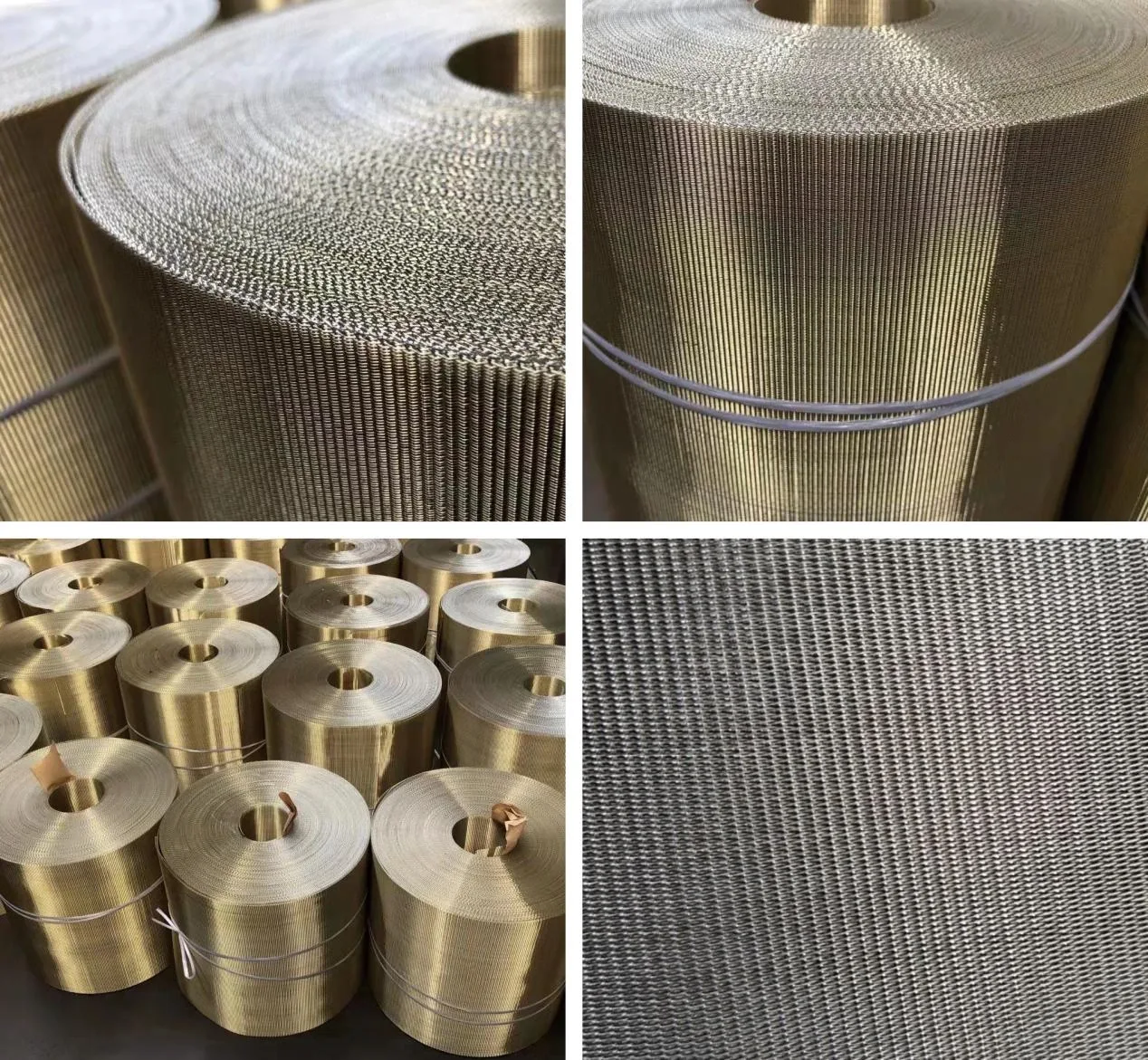
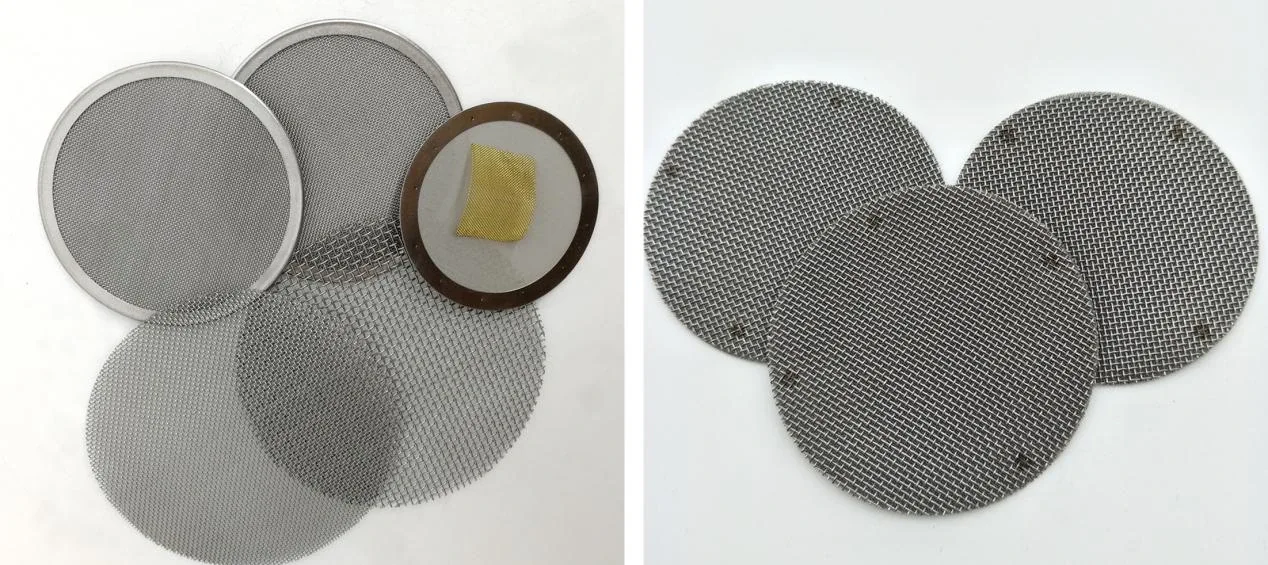
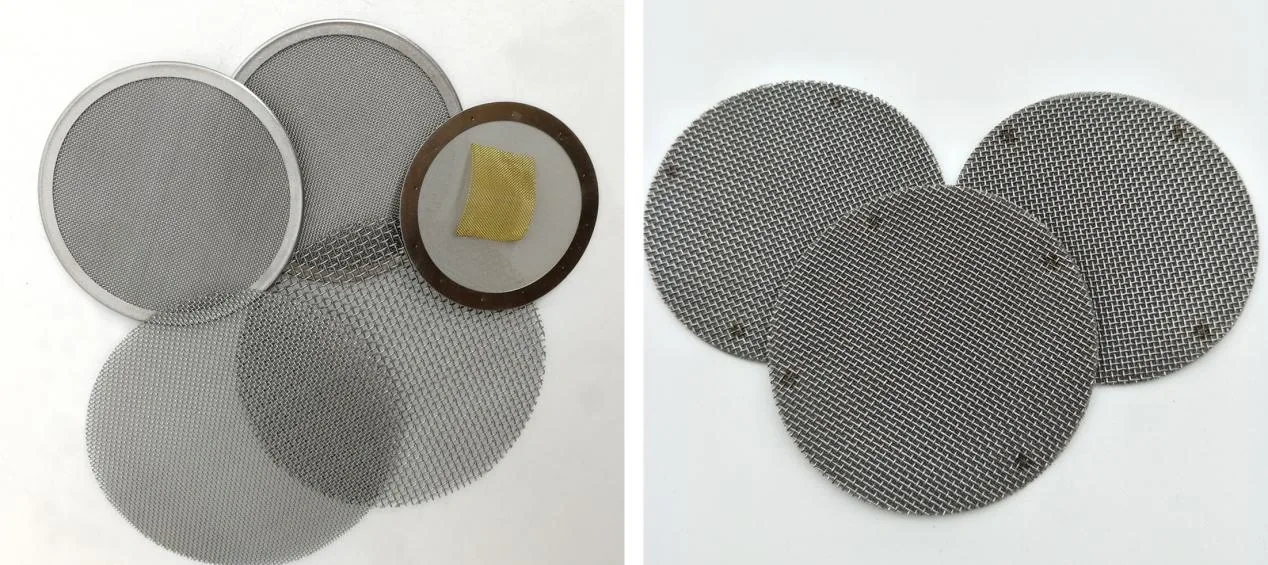
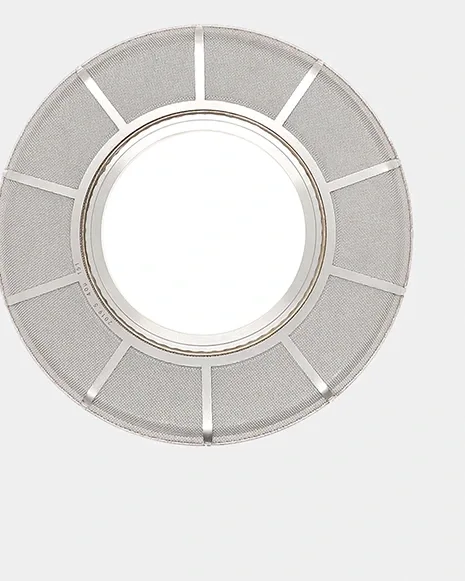
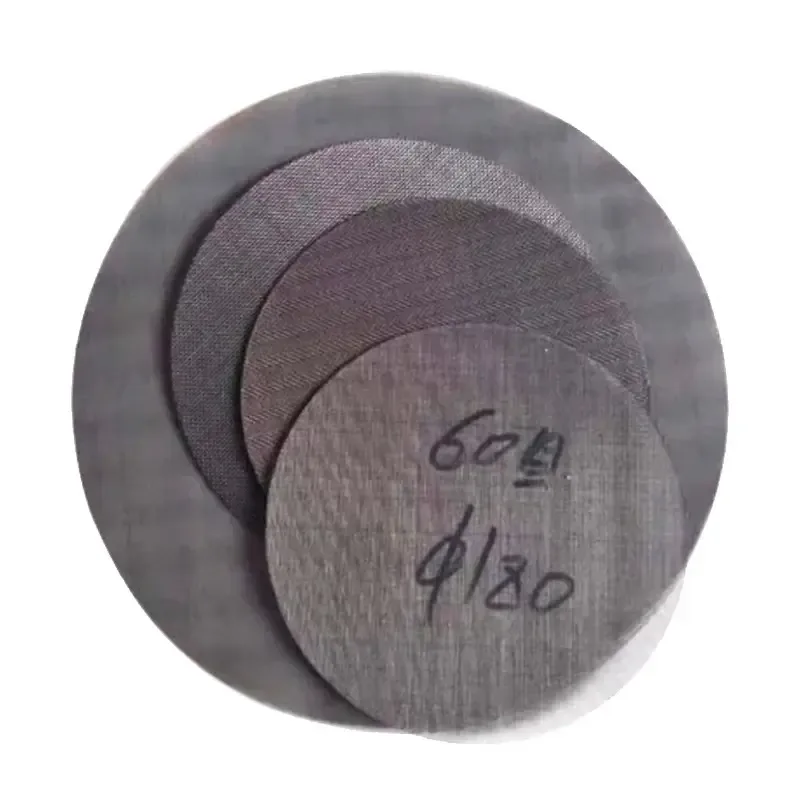
Use a fine control layer with coarser backing to bridge the breaker-plate openings. A protective inlet layer helps manage larger particles; adequate drainage and a correctly seated edge prevent local restriction and bypass. Finished stack height and layer order must fit the changer.
Run a controlled pack comparison
Record resin batch, throughput, melt temperature, pressure before and after the screen, run time, processed mass and output defects. Compare alternatives at the same operating point and inspect used packs for concentrated loading, broken wires, deformation and edge leakage.
Turn the trial into a repeat-order specification
Retain the successful layer schedule with each layer’s mesh count, wire diameter, weave and alloy. Add outline, finished thickness, rim or joining method and flow direction. Use the trial record to define the changeover trigger for the feedstock.
Continue the specification
Relevant product categories
Download the recycled-polymer screen trial log (CSV, English)