Kaifil
Inconel alloys for filter mesh and hot-process components
Compare Inconel 600, 601, 625 and 718 by chemistry, oxidation resistance and strengthening route. Select the exact grade for woven media, hot-process screens and load-bearing filter components.
| Grade and condition | Inconel 600, 601, 625 or 718 with its UNS designation and heat-treatment condition. |
|---|---|
| Thermal and chemical duty | Fluid or gas composition, temperatures, cycle duration and cleaning environment. |
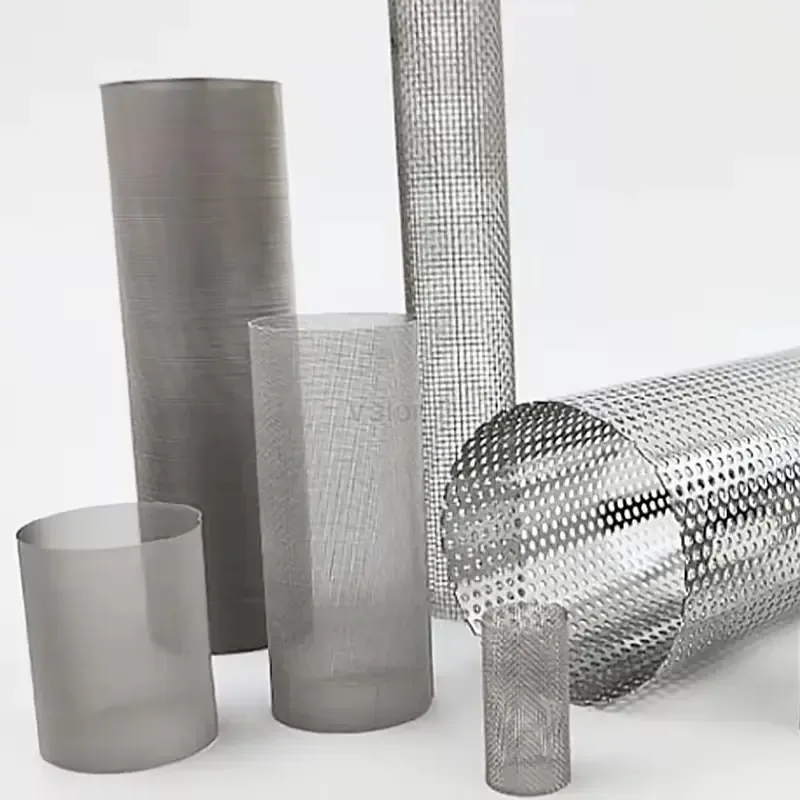
| Media geometry | Weave, wire diameter, aperture, sheet thickness or finished screen drawing. |
| Assembly loads | Support spacing, differential pressure, restraints, connections and quantity. |
Choose a grade within the Inconel family
Inconel covers several nickel alloys with different balances of chromium, iron, molybdenum, niobium and other elements. For filters, choose the grade around the process atmosphere or liquid chemistry, then define wire or sheet dimensions and the assembly route. A named grade and material condition give a precise starting point for procurement.
Heat resistance and chemical resistance lead to different choices
600 combines nickel-chromium-iron chemistry with good workability. 601 adds aluminum and has an oxidation-focused role in thermal processing. 625 uses molybdenum and niobium to combine strength with corrosion resistance. 718 is an age-hardenable alloy used where mechanical performance and a defined heat-treatment condition govern the component.
Design hot-process screens as complete assemblies
Record gas composition, continuous and peak temperatures, cycle duration, differential pressure and restraint at the frame. Thermal expansion, unsupported span, wire diameter and joint design determine how the screen accommodates heating and cooling. Specify the filtering medium, supporting members and attachment hardware together.
Keep niobium notation consistent
Nb is the chemical symbol for niobium. Older documents use Cb for columbium, the historical name for the same element. In the 625 and 718 composition tables, Nb + Ta is the combined niobium-plus-tantalum entry. Preserve that combined basis when comparing a material certificate or writing a specification.
Compare all filter material families
Connect this grade guide with the complete material comparison and the required filter construction.
Materials and alloys overviewInconel grade comparison
Select the alloy around its metallurgy and the component function.
| Grade | UNS | Defining feature | Selection focus |
|---|---|---|---|
| 600 | N06600 | Nickel-chromium-iron solid solution | Heat and corrosion resistance with formability |
| 601 | N06601 | Chromium and aluminum additions | Oxidation resistance in thermal-processing atmospheres |
| 625 | N06625 | Molybdenum and niobium strengthening | Corrosion-resistant media and fabricated process parts |
| 718 | N07718 | Precipitation-hardenable nickel alloy | Strength-focused components with a specified aging condition |
Inconel 600 composition limits: mass %
The nickel entry includes cobalt.
| Element | 600 |
|---|---|
| Ni + Co | ≥72.0 |
| Cr | 14.0–17.0 |
| Fe | 6.0–10.0 |
| C | ≤0.15 |
| Mn | ≤1.00 |
| S | ≤0.015 |
| Si | ≤0.50 |
| Cu | ≤0.50 |
Inconel 601 composition limits: mass %
Aluminum strengthens the alloy’s oxidation resistance.
| Element | 601 |
|---|---|
| Ni | 58.0–63.0 |
| Cr | 21.0–25.0 |
| Fe | Balance |
| Al | 1.0–1.7 |
| C | ≤0.10 |
| Mn | ≤1.00 |
| S | ≤0.015 |
| Si | ≤0.50 |
| Cu | ≤1.00 |
Inconel 625 and 718 principal chemistry: mass %
The grades differ in both alloy content and strengthening route.
| Element | 625 | 718 |
|---|---|---|
| Cr | 20.0–23.0 | 17.0–21.0 |
| Fe | ≤5.0 | Balance |
| Mo | 8.0–10.0 | 2.80–3.30 |
| Nb + Ta | 3.15–4.15 | 4.75–5.50 |
| Al | ≤0.40 | 0.20–0.80 |
| Ti | ≤0.40 | 0.65–1.15 |
| C | ≤0.10 | ≤0.08 |
| Mn | ≤0.50 | ≤0.35 |
| Si | ≤0.50 | ≤0.35 |
| P | ≤0.015 | ≤0.015 |
| S | ≤0.015 | ≤0.015 |
625: Ni ≥58.0%. 718: Ni + Co 50.0–55.0%. Nb + Ta denotes the combined niobium and tantalum content.
From material grade to finished filter
- 01
Set the process priority
Identify oxidation, aqueous corrosion or mechanical loading as the main material-selection driver.
- 02
Specify grade and material condition
Use the UNS designation and define annealing or aging where required by the selected grade.
- 03
Define geometry and restraint
Provide the media dimensions, supports, joints and expansion provisions.
- 04
Record the acceptance criteria
Specify dimensional checks, material identification and the required assembly inspection.
Material selection questions
Which Inconel grade is associated with oxidation resistance?
601 combines chromium with aluminum for high-temperature oxidation resistance. Specify the actual atmosphere, temperature cycle and screen geometry to define the component.
How does 625 differ from 718?
625 derives strength from molybdenum and niobium in solid solution. 718 develops its specified high-strength condition through precipitation hardening. Their chemistry and heat-treatment schedules are distinct.
What does Cb mean in an older composition table?
Cb means columbium, the historical name for niobium. Use Nb in current chemical notation and preserve Nb + Ta where the specification combines niobium and tantalum.
How is a hot-process screen specified?
Provide the grade, material condition, wire or sheet geometry, unsupported span, attachment details, gas composition, temperature cycle and differential pressure.
Explore Kaifil
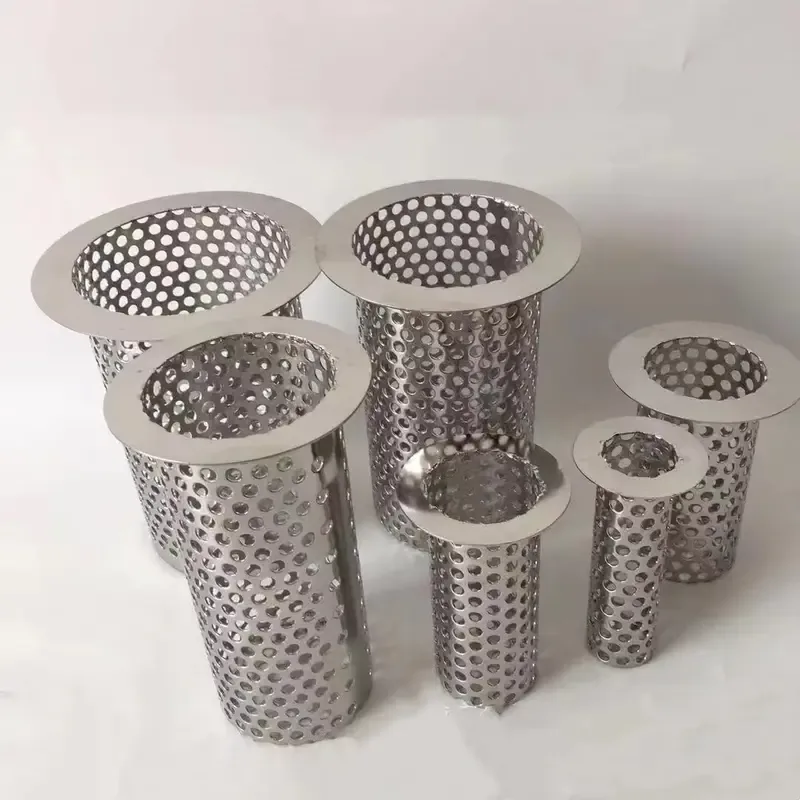
Related products and guidance
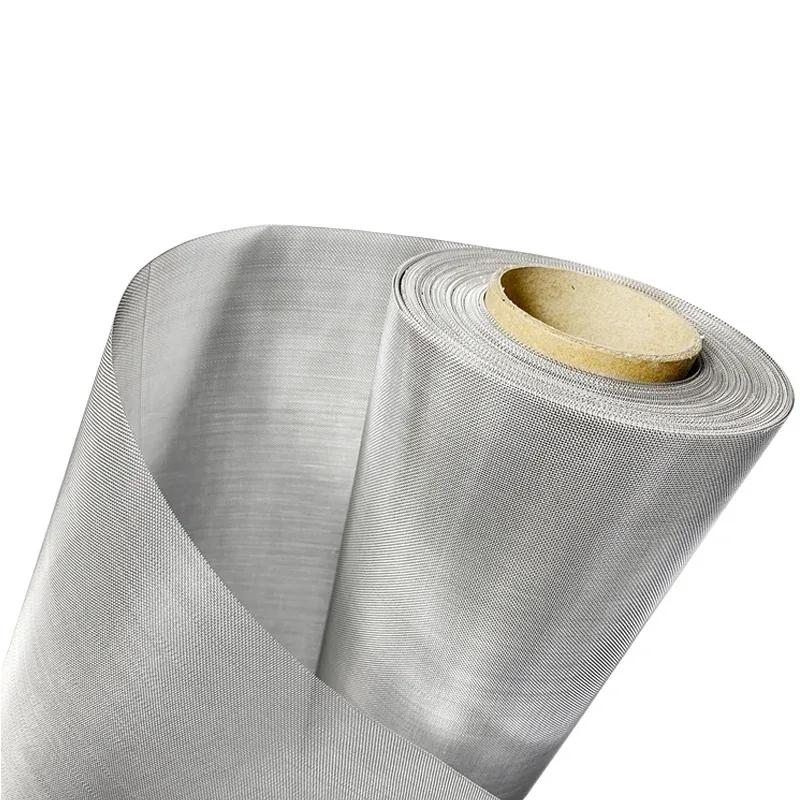
Plain weave wire mesh
View detailsWoven mesh filter cylinders
View detailsMaterials and alloys
View details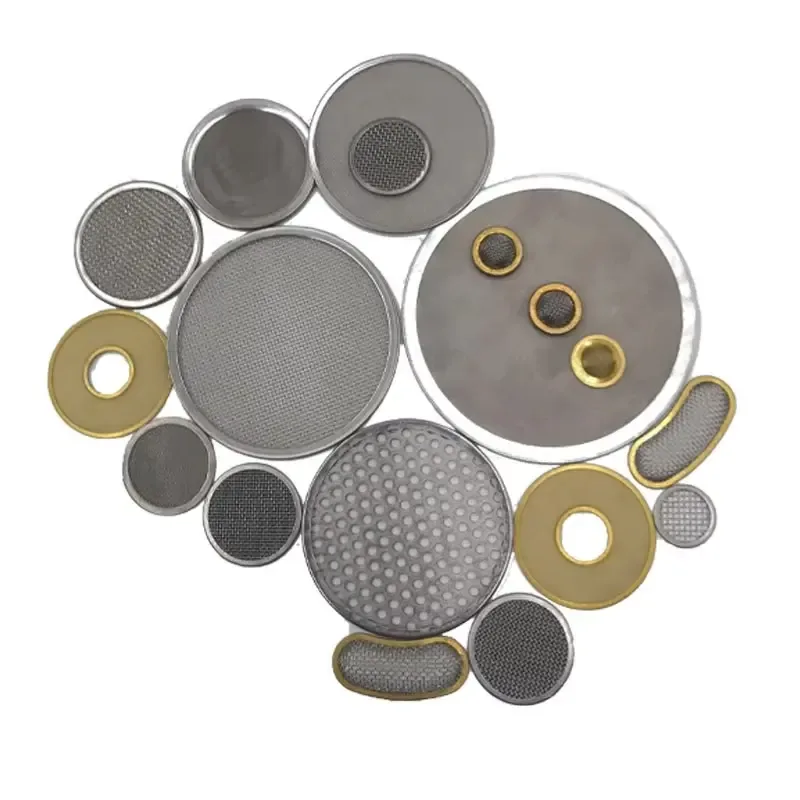
Wire mesh filter discs
View details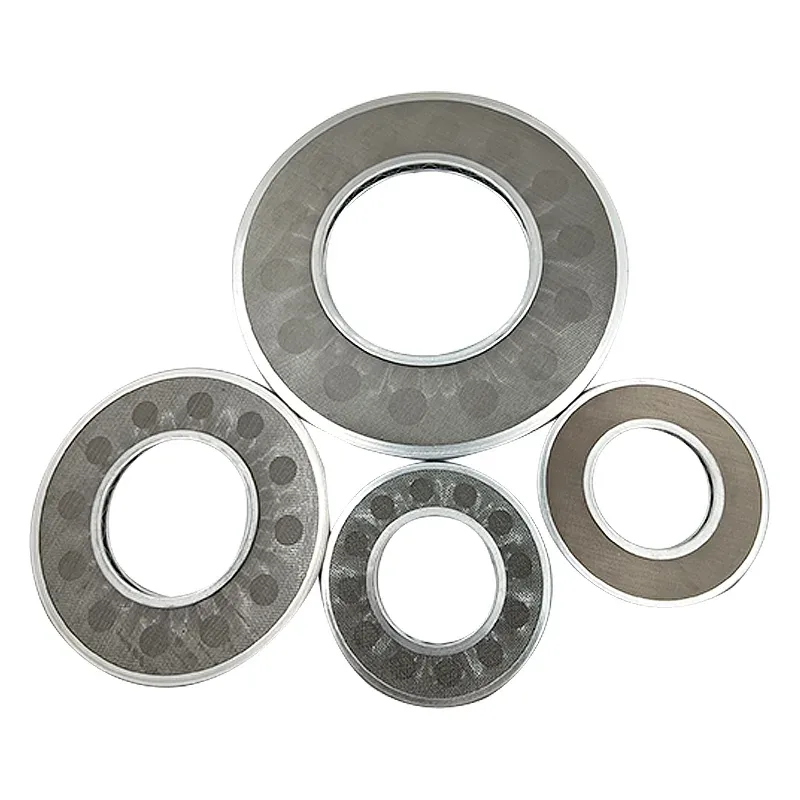
Annular wire mesh filter discs
View details
Rimmed wire mesh filter discs
View details
Plain Dutch weave filter mesh
View details
Sintered metal fiber felt sheets
View details
Five-layer sintered wire mesh sheets
View detailsTechnical enquiry
Define the dimensions, media, joints and inspection records before confirming the order.